预约演示
更新于:2025-08-31
Abbott Healthcare Pvt Ltd.
更新于:2025-08-31
概览
关联
CTRI/2025/03/083238
Glucose monitoring by Freestyle Libre in patients with Type 2 diabetes mellitus from India A pooled analysis - NILL
CTRI/2024/01/061405
An investigator initiated prospective single arm open-label study to evaluate effectiveness of Camylofin 50 mg and Paracetamol 325mg inpatients with acute colicky abdominal pain - ACAP Study
CTRI/2023/04/051566
Effect of an oral nutrition supplement on growth in Indian children in age group 3-6.9 years at nutritional risk: A prospective, randomized, open label, controlled, parallel study.
100 项与 Abbott Healthcare Pvt Ltd. 相关的临床结果
登录后查看更多信息
登录后查看更多信息
2025-12-01TOXICOLOGY IN VITRO
Beyond traditional toxicology: The transformative power of PBTK modeling
Review
作者: Damre, Anagha ; Banerjee, Aniruddha
Physiologically Based Toxicokinetic (PBTK) modeling has emerged as a crucial tool in toxicokinetics, enabling the quantitative assessment of chemical absorption, distribution, metabolism, and excretion (ADME) across various biological systems. Unlike traditional toxicokinetic approaches, PBTK models integrate physiological and biochemical parameters to allow for precise interspecies and dose extrapolations. This capability enhances their applicability in regulatory risk assessment for pharmaceuticals, industrial chemicals, food additives, cosmetics, and pesticides. High Throughput Toxicokinetics (HTTK) and in vitro-to-in vivo extrapolations (IVIVE) further improve the predictive power of PBTK models by utilizing large-scale experimental datasets and computational approaches. Additionally, these models facilitate route-to-route extrapolations, predicting systemic exposure across different administration routes such as oral, inhalation, and dermal pathways. PBTK modeling also enables the estimation of specific target tissue concentrations, cross-species extrapolations, and extrapolations to special populations, thereby improving human biological modeling. Furthermore, the integration of PBTK models in ecological risk assessment supports the evaluation of environmental chemical exposure effects on diverse species. As regulatory agencies increasingly adopt PBTK models for toxicity evaluations, their role in advancing data-driven risk assessment and reducing reliance on animal testing continues to grow. This review explores the application of PBTK modeling in toxicokinetics and its alignment with regulatory guidelines for risk assessment and interspecies extrapolation.
2024-11-01Indian Heart Journal
Morphological characterization of coronary plaques in young indian patients with acute coronary syndrome: A multicentric study
Article
作者: Vijayvergiya, Rajesh ; Mathew, Rony ; Priyadarshini ; Sethi, Rishi ; Goel, P K ; Baruah, D K ; Roy, Sanjeeb ; Chouhan, Nagendra Singh ; Kaul, Upendra ; Narang, Manish
OBJECTIVES:
The prevalence of atherosclerosis and acute coronary syndrome (ACS) is increasing in young Indians (18-50 years of age). However, the characteristics of atherosclerotic plaques in such individuals are poorly understood, presenting distinct challenges for the management of ACS. This study aims to analyze plaque characteristics in young Indian patients with ACS who underwent percutaneous coronary intervention (PCI) using optical coherence tomography (OCT) imaging.
METHODS:
This was a prospective, multicentric, non-interventional study on patients aged 18-50 years presenting with ST-elevation myocardial infarction (STEMI), non-ST elevation myocardial infarction, or unstable angina, and were scheduled to undergo OCT-guided PCI. Major adverse cardiac events (MACE) were assessed post-procedure and at the 6-month and 12-month follow-ups.
RESULTS:
The study included 100 ACS patients (mean age = 43.6 ± 5.2 years), with 51% presenting with STEMI. Pre-PCI OCT assessment showed that fibrous plaques (75%) were most common followed by plaques containing macrophages (27%), microchannels (20%), and calcified nodules (14%). In addition, plaque rupture, plaque erosion, and lipid-rich plaques, along with red, white, and mixed thrombi, were observed in 31%, 25%, 24%, 21%, 14%, and 17% (total thrombus occurrence = 52%) of the patients, respectively. At 12 months, the MACE (coronary artery bypass graft) rate was 1%.
CONCLUSIONS:
Young Indian patients with ACS displayed a range of plaque morphologies identified through pre-PCI OCT. Among these, fibrous plaques were the most prominent type, followed by plaques containing macrophages. Additionally, plaque rupture, plaque erosion, and lipid-rich plaques were also observed in this population.
2024-09-01Indian journal of endocrinology and metabolism
Association Between Type 2 Diabetes and Hypogonadism in India: An Observational Study
Article
作者: Saraogi, Ravi K. ; Dutta, Deep ; Bhattacharya, Arpan D. ; Basu, Indraneel ; Gawand, Kalpesh ; Ramakrishnan, Anantharaman ; Unnikrishnan, Ambika G. ; Mahadevan, Shriraam ; Bharathi, Prakadeesh ; Sundar, Shanmuga ; Majumdar, Anirban ; Saboo, Banshi D.
Abstract:
Introduction::
Hypogonadism is a common comorbidity associated with several metabolic disorders including type 2 diabetes (T2D) that can remain undetected without proper screening. Here, we evaluated the prevalence of hypogonadism in Indian male patients with T2D with or without obesity.
Methods::
In this prospective, observational study, male patients with T2D and hypogonadism were evaluated symptomatically using the androgen deficiency in ageing male (ADAM) questionnaire at baseline and confirmed on the basis of total testosterone (TT) levels (<300 ng/dL) at Days 5–7 (Visit 2) and 9–14 (Visit 4) assessed after 12 hours of fasting between 8 AM and 10 AM. Prevalence of hypogonadism was presented as proportion of patients.
Results::
Of 598 enrolled patients, 526 completed the study. Mean (standard deviation [SD]) age was 50.4 (9.12) years. The percentage of patients with TT <300 ng/dL at visit 2 was 18.4%, while upon repeat confirmation, it reduced to 8.6%. Thus, the prevalence of true hypogonadism was 8.6%. Prevalence of hypogonadism in patients with BMI range of >30 kg/m2 (obese) was 11.1%. At screening, 81.4% (487 of 598) patients had positive ADAM questionnaire results.
Conclusions::
Prevalence of hypogonadism in Indian patients with T2D was found to be 8.6% upon repeat evaluation of testosterone. Symptomatic (ADAM questionnaire) as well as biochemical (total testosterone levels with repeat evaluation) confirmation is vital in the definite diagnosis of male hypogonadism.
100 项与 Abbott Healthcare Pvt Ltd. 相关的药物交易
登录后查看更多信息
100 项与 Abbott Healthcare Pvt Ltd. 相关的转化医学
登录后查看更多信息
组织架构
使用我们的机构树数据加速您的研究。
登录
或
管线布局
2026年10月10日管线快照
无数据报导
登录后保持更新
药物交易
使用我们的药物交易数据加速您的研究。
登录
或
转化医学
使用我们的转化医学数据加速您的研究。
登录
或
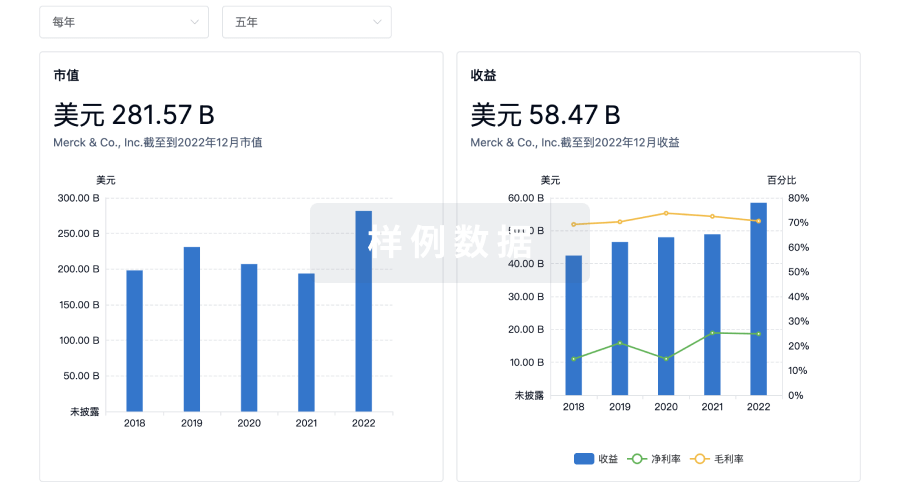
营收
使用 Synapse 探索超过 36 万个组织的财务状况。
登录
或
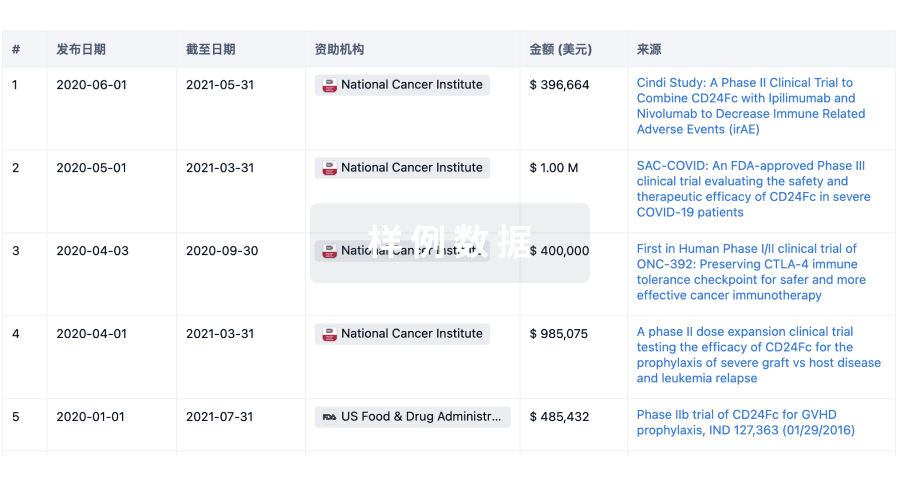
科研基金(NIH)
访问超过 200 万项资助和基金信息,以提升您的研究之旅。
登录
或
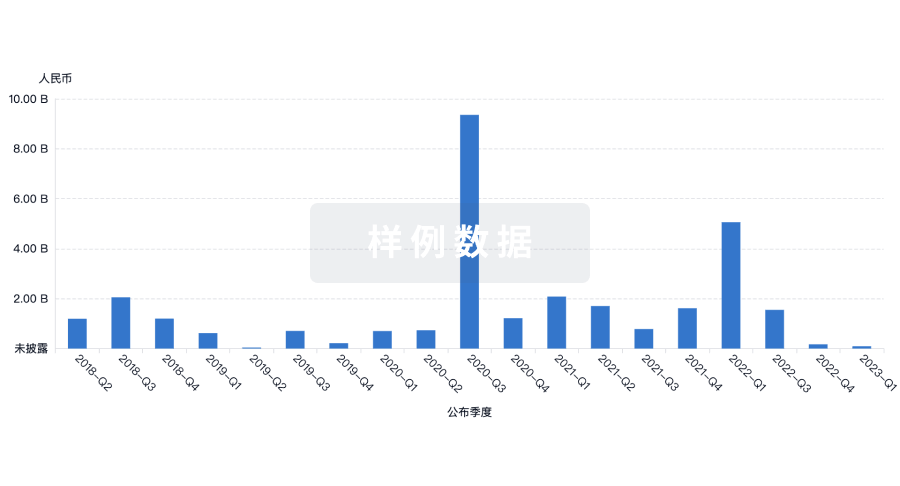
投资
深入了解从初创企业到成熟企业的最新公司投资动态。
登录
或
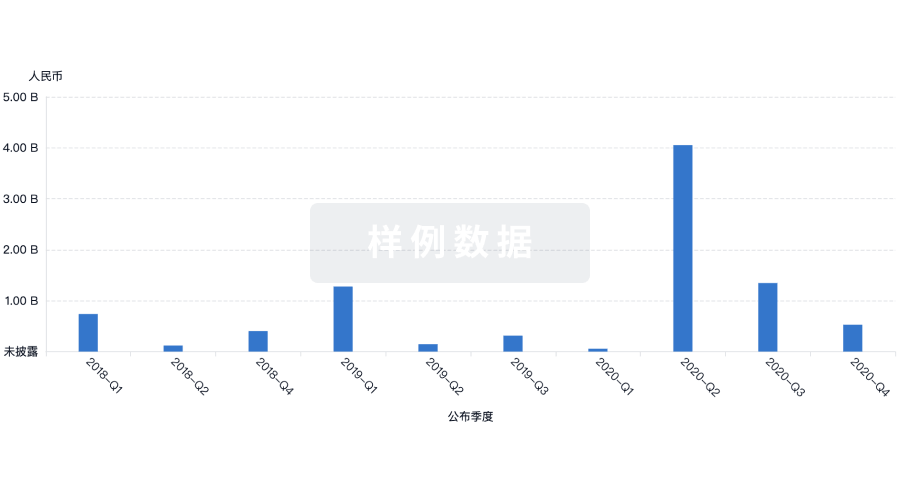
融资
发掘融资趋势以验证和推进您的投资机会。
登录
或
提出任何生物医药研究问题
让每一步生物医药决策都精准制胜
基于十亿级生物数据与全球情报的精准 AI,赋能早期药物发现
立即开始免费试用!
智慧芽新药情报库是智慧芽专为生命科学人士构建的基于AI的创新药情报平台,助您全方位提升您的研发与决策效率。
立即接入生物医药数据包
智慧芽新药库数据也通过智慧芽开放平台,以MCP或API服务形式对外开放。立即使用我们的MCP服务定制您的LLM智能体。
生物序列数据库
生物药研发创新
免费使用
化学结构数据库
小分子化药研发创新
免费使用