预约演示
更新于:2025-05-07
Graduate School of Medicine University of Tokyo
更新于:2025-05-07
概览
关联
86
项与 Graduate School of Medicine University of Tokyo 相关的临床试验JPRN-UMIN000053226
A Retrospective Multicenter Study Regarding the Risk Factors for Lymph node Metastasis of Gastric Adenocarcinoma of Fundic Gland type - RESECT-GAFG
开始日期2023-12-25 |
JPRN-UMIN000051247
National survey of conditional cumulative incidence of complications following liver resection - National survey of conditional cumulative incidence of complications following liver resection
开始日期2023-02-24 |
JPRN-UMIN000048310
Immediate Necrosectomy vs. Step-up Approach After EUS-guided Drainage of Walled-off Necrosis: a Multicenter Randomized Controlled Trial (WONDER-01) - WONDER-01 study
开始日期2022-06-27 |
100 项与 Graduate School of Medicine University of Tokyo 相关的临床结果
登录后查看更多信息
0 项与 Graduate School of Medicine University of Tokyo 相关的专利(医药)
登录后查看更多信息
1,524
项与 Graduate School of Medicine University of Tokyo 相关的文献(医药)2025-05-01·Dermatologic Surgery
Fixed Drug Eruption–Induced Hyperpigmentation Treated With High-Fluence Picosecond Alexandrite Laser
Article
作者: Sonoda, Koya ; Omatsu, Jun ; Ishii, Kentaro
2025-05-01·International Journal of Clinical Oncology
Melanoma skin cancer statistics derived from 7442 Japanese patients: Japanese melanoma study
Review
作者: Ozawa, Toshiyuki ; Ishikawa, Masashi ; Maeda, Taku ; Hoashi, Toshihiko ; Shibayama, Yoshitsugu ; Yoshikawa, Shusuke ; Fukumoto, Takeshi ; Nakamura, Yoshiyuki ; Sawada, Yu ; Fujisawa, Yasuhiro ; Ichigosaki, Yuki ; Nakamura, Yasuhiro ; Kishi, Akiko ; Sugihara, Satoru ; Namikawa, Kenjiro ; Uhara, Hisashi ; Kawahira, Hisao ; Katoh, Norito ; Takenouchi, Tatsuya ; Okuyama, Ryuhei ; Ohno, Fumitaka ; Miyagawa, Takuya ; Asai, Jun ; Mori, Shoichiro ; Hatta, Naohito ; Fujimura, Taku ; Shimauchi, Takatoshi ; Iwata, Hiroaki
2025-04-26·Japanese Journal of Clinical Oncology
Multicenter, open-label, randomized, controlled study to test the utility of electronic patient-reported outcome monitoring in patients with unresectable advanced cancers or metastatic/recurrent solid tumors
Article
作者: Narita, Yukiya ; Fukuda, Takashi ; Yamaguchi, Takuhiro ; Takumoto, Yuki ; Ichihara, Eiki ; Iwata, Hiroji ; Shimozuma, Kojiro ; Kubota, Kaoru ; Shiroiwa, Takeru ; Nakamura, Keiichiro ; Iwamoto, Tetsuya ; Muro, Kei ; Tateishi, Ryosuke ; Hagiwara, Yasuhiro ; Gemma, Akihiko ; Nakata, Akinobu ; Kikawa, Yuichiro ; Kiyota, Naomi ; Minami, Hironobu ; Hotta, Katsuyuki ; Taira, Naruto ; Kato, Kyoko
100 项与 Graduate School of Medicine University of Tokyo 相关的药物交易
登录后查看更多信息
100 项与 Graduate School of Medicine University of Tokyo 相关的转化医学
登录后查看更多信息
组织架构
使用我们的机构树数据加速您的研究。
登录
或
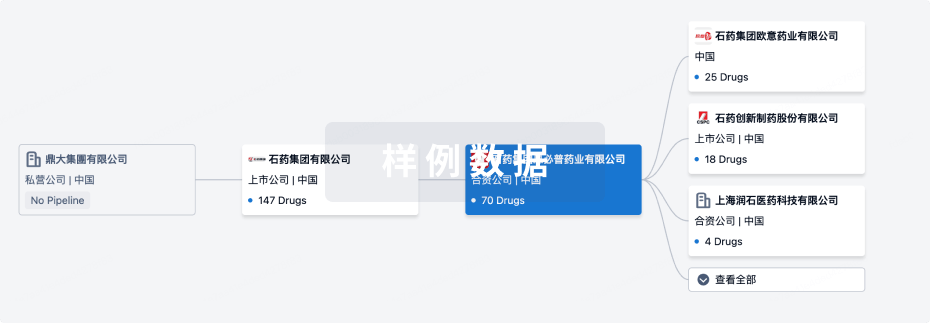
管线布局
2026年02月08日管线快照
无数据报导
登录后保持更新
药物交易
使用我们的药物交易数据加速您的研究。
登录
或
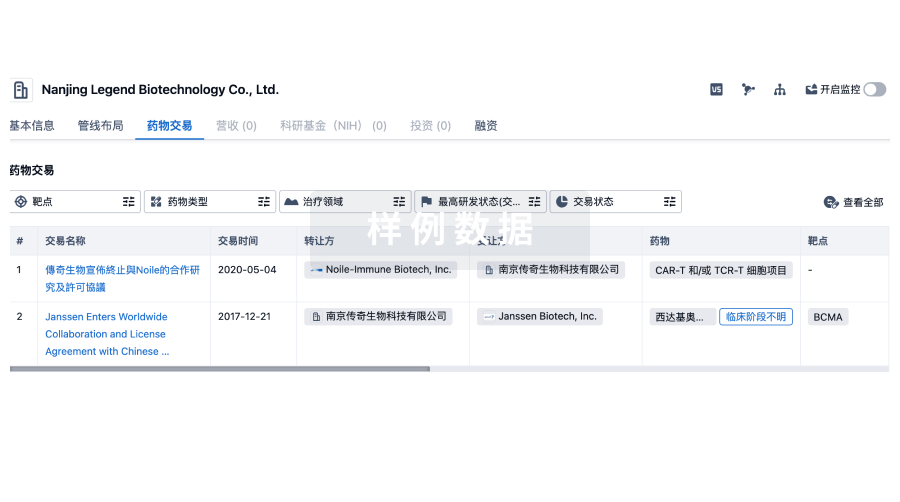
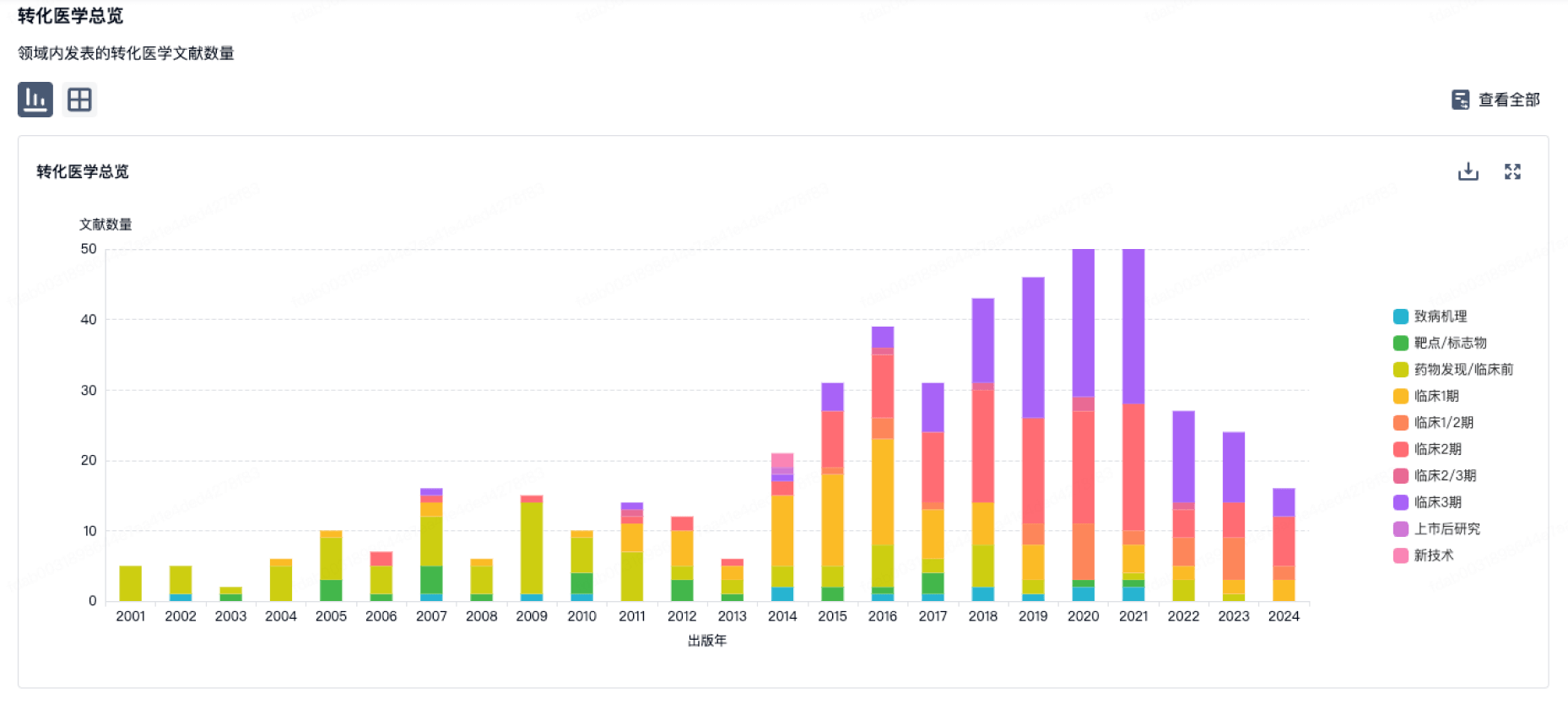
转化医学
使用我们的转化医学数据加速您的研究。
登录
或
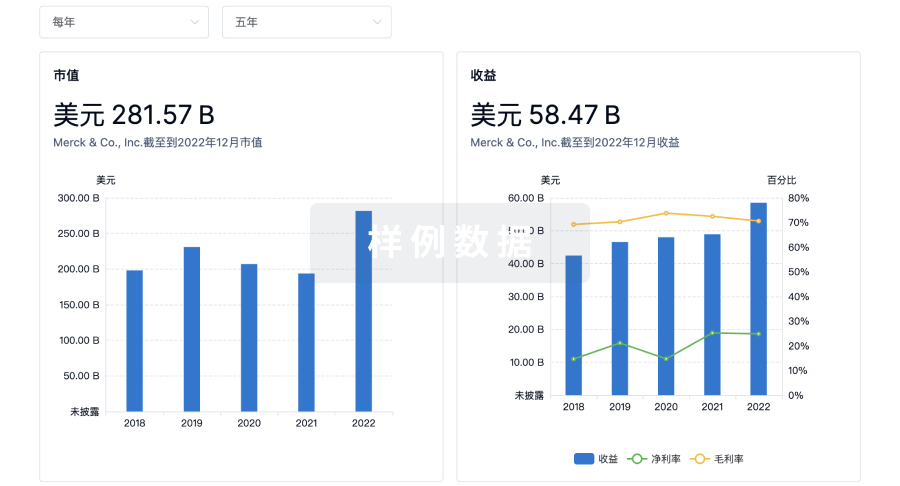
营收
使用 Synapse 探索超过 36 万个组织的财务状况。
登录
或
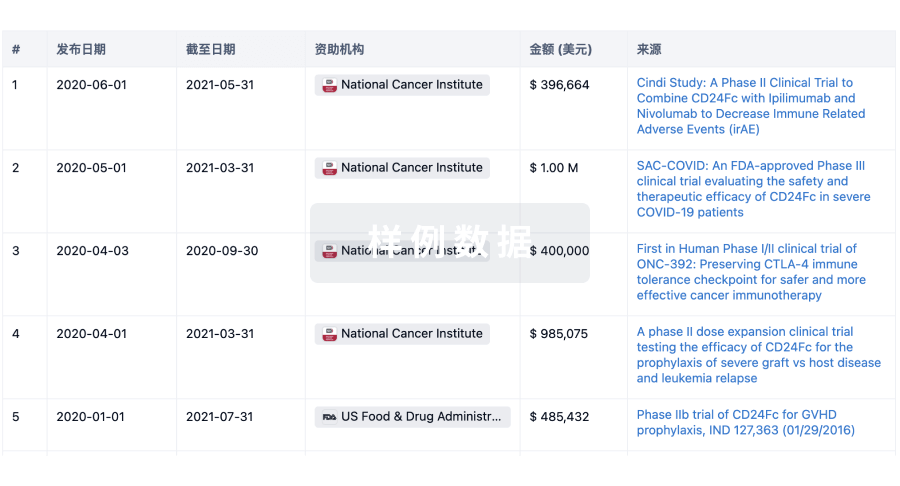
科研基金(NIH)
访问超过 200 万项资助和基金信息,以提升您的研究之旅。
登录
或
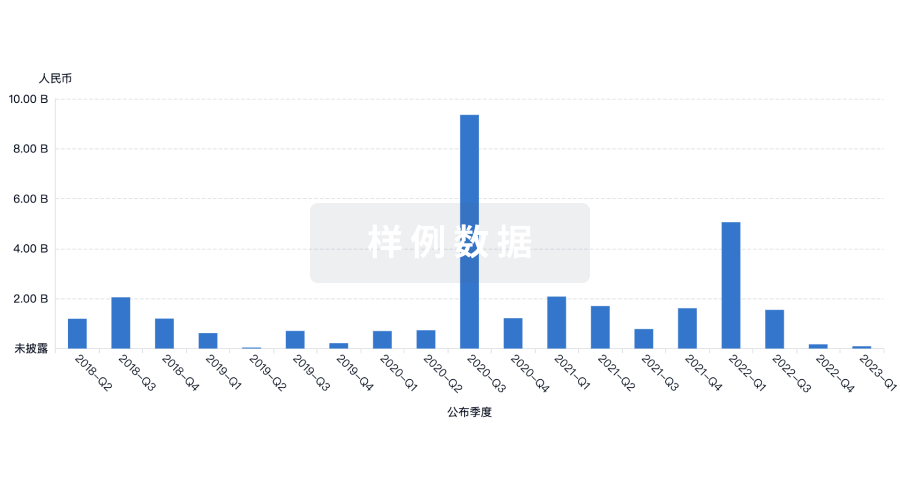
投资
深入了解从初创企业到成熟企业的最新公司投资动态。
登录
或
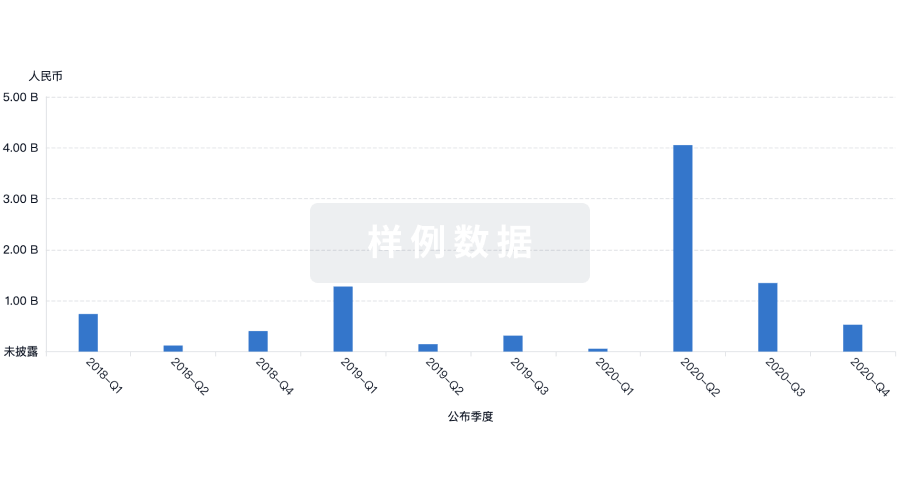
融资
发掘融资趋势以验证和推进您的投资机会。
登录
或
生物医药百科问答
全新生物医药AI Agent 覆盖科研全链路,让突破性发现快人一步
立即开始免费试用!
智慧芽新药情报库是智慧芽专为生命科学人士构建的基于AI的创新药情报平台,助您全方位提升您的研发与决策效率。
立即开始数据试用!
智慧芽新药库数据也通过智慧芽数据服务平台,以API或者数据包形式对外开放,助您更加充分利用智慧芽新药情报信息。
生物序列数据库
生物药研发创新
免费使用
化学结构数据库
小分子化药研发创新
免费使用