预约演示
更新于:2026-01-27

Anhui University
更新于:2026-01-27
概览
标签
肿瘤
内分泌与代谢疾病
心血管疾病
小分子化药
多肽抗生素
单克隆抗体
疾病领域得分
一眼洞穿机构专注的疾病领域

技术平台
公司药物应用最多的技术
靶点
公司最常开发的靶点
关联
靶点 |
作用机制 |
在研机构 |
原研机构 |
在研适应症 |
非在研适应症 |
最高研发阶段 |
首次获批国家/地区 |
首次获批日期 |
靶点 |
作用机制 |
在研机构 |
原研机构 |
在研适应症 |
非在研适应症 |
最高研发阶段 |
首次获批国家/地区 |
首次获批日期 |
靶点 |
作用机制 |
在研机构 |
原研机构 |
在研适应症 |
非在研适应症 |
最高研发阶段 |
首次获批国家/地区 |
首次获批日期 |
100 项与 安徽大学 相关的临床结果
登录后查看更多信息
登录后查看更多信息
2026-12-01Nano-Micro Letters
Flexible Monolithic 3D-Integrated Self-Powered Tactile Sensing Array Based on Holey MXene Paste
Article
作者: Ma, Yanan ; Xu, Li ; Wang, Siliang ; Gao, Bowen ; Chen, Chen ; Zhang, Yuhang ; Wen, Li ; Yue, Yang ; Song, Aoyun ; Wu, Dan-Dan ; Cheng, Yongfa ; Wang, Mengjie
Abstract:
Flexible electronics face critical challenges in achieving monolithic three-dimensional (3D) integration, including material compatibility, structural stability, and scalable fabrication methods. Inspired by the tactile sensing mechanism of the human skin, we have developed a flexible monolithic 3D-integrated tactile sensing system based on a holey MXene paste, where each vertical one-body unit simultaneously functions as a microsupercapacitor and pressure sensor. The in-plane mesopores of MXene significantly improve ion accessibility, mitigate the self-stacking of nanosheets, and allow the holey MXene to multifunctionally act as a sensing material, an active electrode, and a conductive interconnect, thus drastically reducing the interface mismatch and enhancing the mechanical robustness. Furthermore, we fabricate a large-scale device using a blade-coating and stamping method, which demonstrates excellent mechanical flexibility, low-power consumption, rapid response, and stable long-term operation. As a proof-of-concept application, we integrate our sensing array into a smart access control system, leveraging deep learning to accurately identify users based on their unique pressing behaviors. This study provides a promising approach for designing highly integrated, intelligent, and flexible electronic systems for advanced human–computer interactions and personalized electronics.
2026-02-01SPECTROCHIMICA ACTA PART A-MOLECULAR AND BIOMOLECULAR SPECTROSCOPY
Investigation of effective line strengths of N2O4 at 7.8 μm using a continuous-wave quantum cascade laser spectrometer
Article
作者: Yin, Shuaikang ; Yu, Benli ; Shi, Xin ; Fang, Yutao ; Cheng, Zhijun ; Cui, Xiaojuan ; Hong, Yang ; Zhu, Qizhi
The spectral line positions and effective line strengths of dinitrogen tetroxide (N2O4) in the range of 1279.8-1282.5 cm-1 were measured using a continuous-wave quantum cascade laser spectrometer. A data processing program developed in MATLAB was used to fit the spectral data with Voigt, Rautian, and Galatry line profiles. The performance of different spectral line profiles was evaluated, and the Rautian profile achieved the best fit with faster calculations, making it ideal for real-time and long-term monitoring. The maximum uncertainties in the measured line positions and intensities are 1.95*10-3 cm-1 and 6.47 %, respectively. The line position uncertainty is mainly from reference spectral lines, while intensity uncertainty is due to N2O4 concentration calculations and fitting errors. These results aid in gas leak monitoring and spectral analysis of N2O4, as well as in studying nitrogen oxide reaction processes.
2026-02-01SPECTROCHIMICA ACTA PART A-MOLECULAR AND BIOMOLECULAR SPECTROSCOPY
Sensitive and selective Cd2+ sensing with a hydrogel-functionalized Fabry-Pérot fiber sensor
Article
作者: Yu, Benli ; Cao, Zhigang ; Sun, Yuhan ; Shi, Jinhui ; Zhang, Guosheng
Achieving highly sensitive detection of ultra-low concentration cadmium ions (Cd2+) in water remains a critical challenge. This work proposes a novel fiber-optic Cd2+ sensor by integrating a Cd2+-responsive hydrogel with a refractive-index-sensitive Fabry-Pérot (F-P) interferometer fabricated via large-offset fusion splicing. The hydrogel, synthesized from allylthiourea/acrylic acid/acrylamide monomers, exhibits exceptional specificity and adsorption toward Cd2+ while forming a robust bond with the F-P fiber interferometer. The sensor demonstrates ultrahigh sensitivity of 8.58 × 10⁷ nm/(mol/L) and a detection limit of 9.435 × 10⁻¹⁰ mol/L (0.1057 ppb)-two orders of magnitude below the World Health Organization (WHO) drinking water standard. The sensor also shows excellent selectivity (least 4.17 times higher response to Cd2+ than Cd2+, Cr3+, Cu2+, Hg2+, Pb2+, Ca2+, Mg2+ and soybean whey protein), stability (0.027 nm spectral drift deviation), and consistency (2.393 % sensitivity deviation across sensors). Thus, the proposed sensor provides a reliable solution for in situ monitoring of trace Cd2+ in environmental waters, showing significant potential for environmental monitoring applications.
2026-01-21
信使RNA疫苗核酸药物细胞疗法
2026-01-16
2026-01-04
100 项与 安徽大学 相关的药物交易
登录后查看更多信息
100 项与 安徽大学 相关的转化医学
登录后查看更多信息
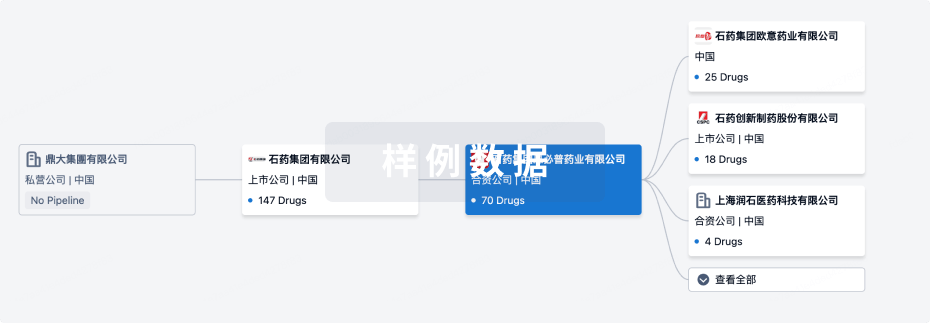
组织架构
使用我们的机构树数据加速您的研究。
登录
或
管线布局
2026年02月08日管线快照
管线布局中药物为当前组织机构及其子机构作为药物机构进行统计,早期临床1期并入临床1期,临床1/2期并入临床2期,临床2/3期并入临床3期
药物发现
3
3
临床前
登录后查看更多信息
当前项目
登录后查看更多信息
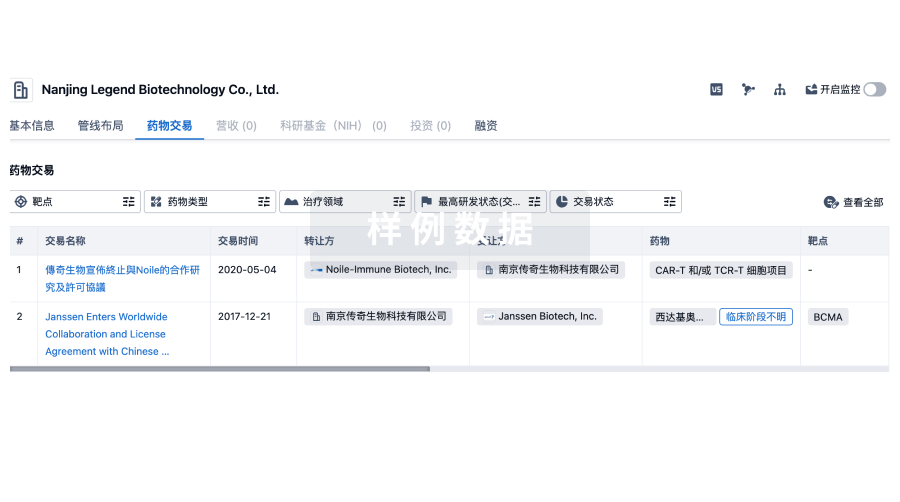
药物交易
使用我们的药物交易数据加速您的研究。
登录
或
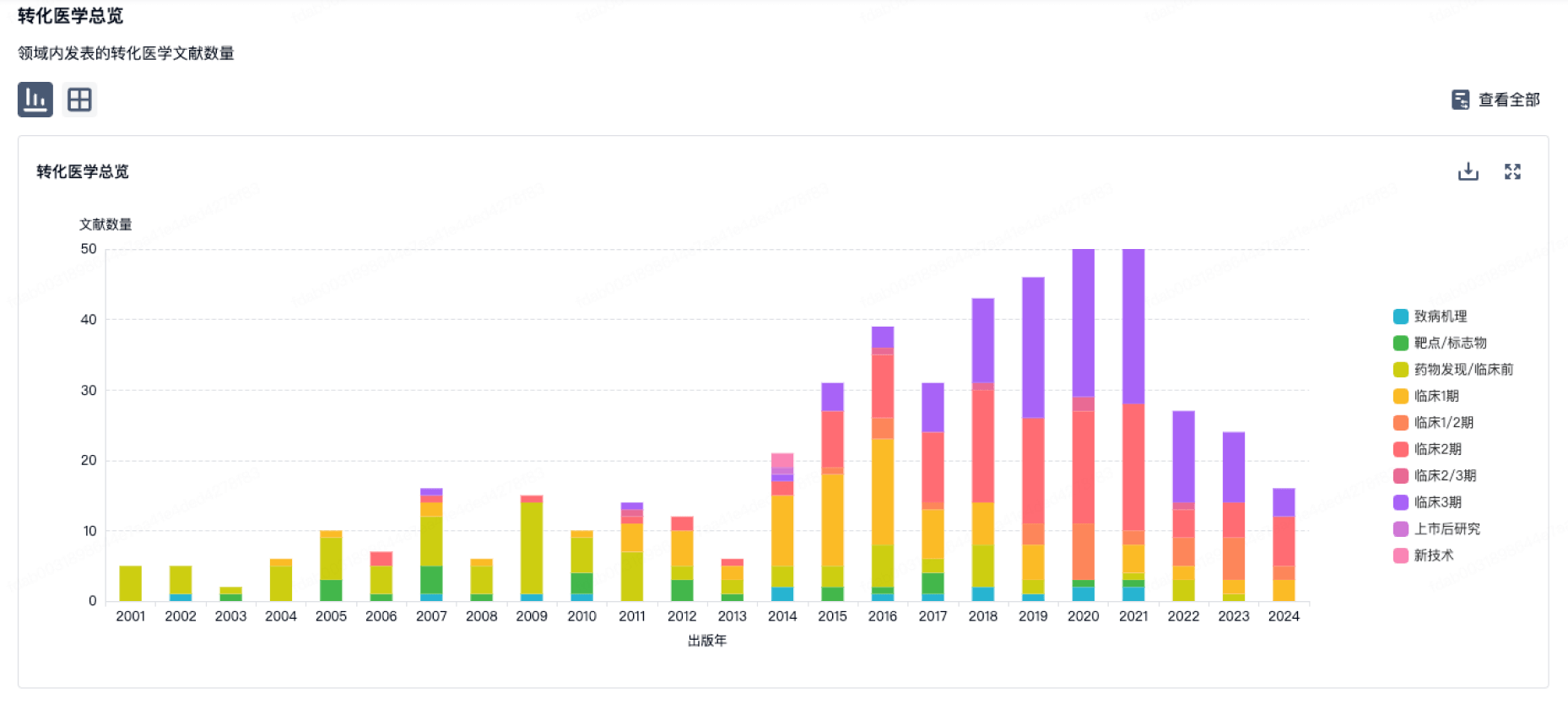
转化医学
使用我们的转化医学数据加速您的研究。
登录
或
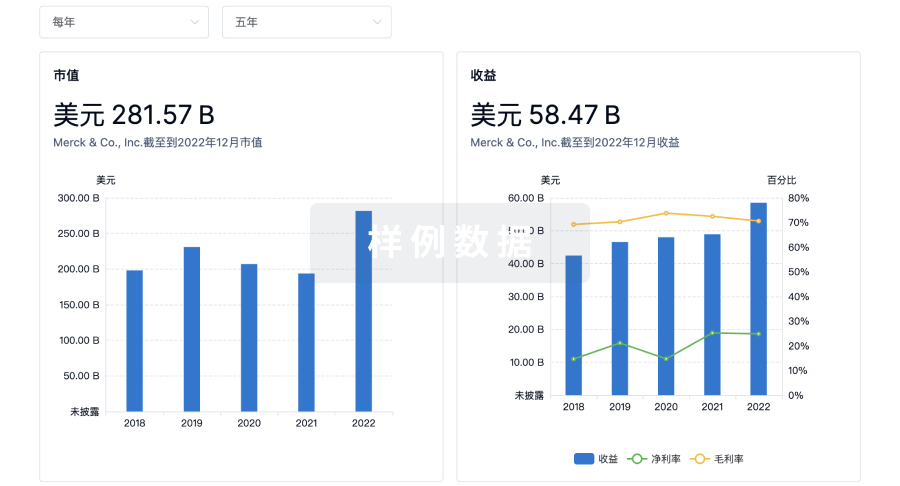
营收
使用 Synapse 探索超过 36 万个组织的财务状况。
登录
或
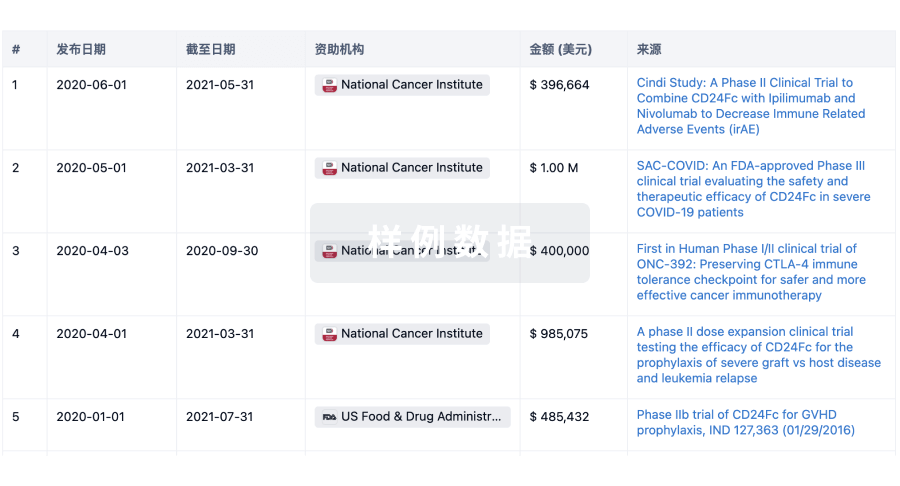
科研基金(NIH)
访问超过 200 万项资助和基金信息,以提升您的研究之旅。
登录
或
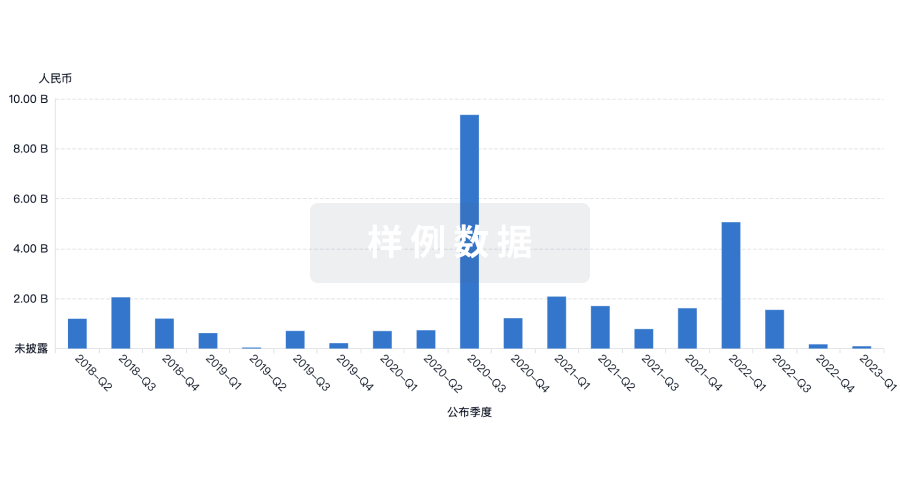
投资
深入了解从初创企业到成熟企业的最新公司投资动态。
登录
或
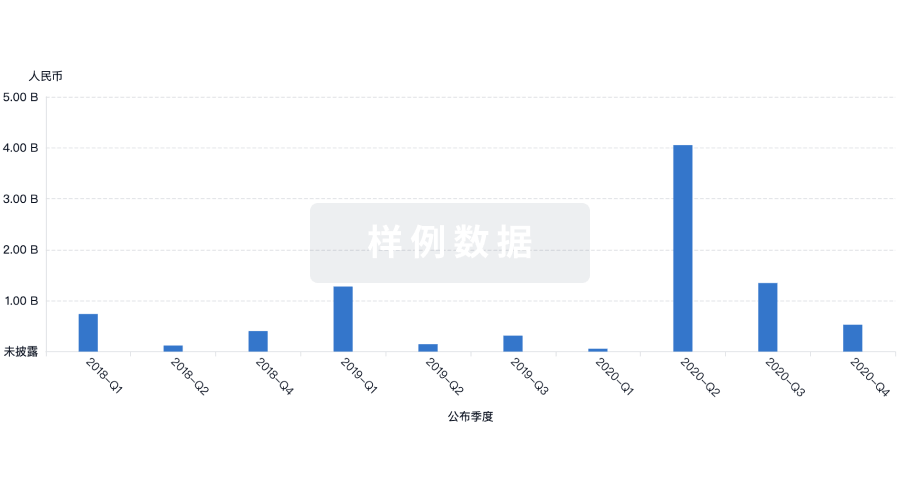
融资
发掘融资趋势以验证和推进您的投资机会。
登录
或
生物医药百科问答
全新生物医药AI Agent 覆盖科研全链路,让突破性发现快人一步
立即开始免费试用!
智慧芽新药情报库是智慧芽专为生命科学人士构建的基于AI的创新药情报平台,助您全方位提升您的研发与决策效率。
立即开始数据试用!
智慧芽新药库数据也通过智慧芽数据服务平台,以API或者数据包形式对外开放,助您更加充分利用智慧芽新药情报信息。
生物序列数据库
生物药研发创新
免费使用
化学结构数据库
小分子化药研发创新
免费使用