预约演示
更新于:2026-02-02

Exactech, Inc.
更新于:2026-02-02
概览
关联
NCT06678750
Evaluation of Clinical Outcomes and Patient Recovery in Patients Receiving TKA With Traditional Instrumentation Systems Compared to Full Arc of Motion Gap Balancing Using the Newton™ Knee Protocol: A Prospective Clinical Study

NL-OMON56814
A Prospective, Multi-Center, Randomized Clinical Study of Total Shoulder Arthroplasty Comparing Exactech Guided Personalized Surgery (GPS) vs. Conventional Instrumentation - TSA with Exactech with GPS or conventional instrumentation: an RCT
NCT07107581
A Post-Market Domestic (US) and International Data Collection to Assess Exactech Knee Systems
100 项与 Exactech, Inc. 相关的临床结果
登录后查看更多信息
登录后查看更多信息
2026-01-01Journal of Orthopaedics
Impact of soft-tissue management technique on functional alignment in total knee arthroplasty among Japanese population with severe varus deformity
Article
作者: Hirao, Makoto ; Angibaud, Laurent ; Ikuta, Futoshi ; Watanabe, Hiroshi ; Huddleston, James I ; Chinimilli, Prudhvi Tej
Purpose:
Simultaneously optimizing alignment and soft-tissue balance in total knee arthroplasty (TKA) still remains challenging. Functional alignment (FA), particularly with navigation or robotic systems, enables real-time intraoperative assessment of implant positioning, joint gaps, and limb alignment. This study compared one-year outcomes of TKAs performed with FA principles by a single surgeon. Two soft-tissue management techniques were compared, a conventional method (manual FA) and an instrumented gap-balancing method (instrumented FA).
Methods:
A retrospective review was conducted on 50 consecutive TKA cases, with 25 manual FA-TKAs followed by 25 instrumented FA-TKAs. Both cohorts were performed using an image-free navigation system with a tibia-first workflow. In manual FA-TKAs, the femoral cuts were determined by assessing flexion and extension gaps using spacer blocks. In instrumented FA-TKAs, femoral cuts and component positioning were guided by gap balancing using a force-controlled tensioning device maintaining constant distraction force. The primary laxity goal was a stable medial compartment throughout the range of motion.
Results:
Baseline demographics (age, height, weight, body mass index) did not differ between groups. Femoral component rotational alignment was significantly different between groups (5.2° ± 2.6°, instrumented FA-TKA vs. 1.5° ± 1.0°, manual FA-TKA, p < 0.0001). The hip-knee-ankle angle was not significantly different between groups, preoperatively (169.8° ± 4.0° vs. 169.7° ± 3.5°) or postoperatively (176.1° ± 2.1° vs. 176.0° ± 3.1°). The average total KOOS and Forgotten Joint Score-12 scores were not significantly different between groups (79.5 vs. 72.1, and 65.8 vs. 52.3, respectively). The KOOS Sports sub-score was significantly higher in instrumented FA-TKAs than manual FA-TKAs (68.3 vs. 45.8, p = 0.029).
Conclusion:
Instrumented FA-TKA using tibia-first, force-controlled balancing achieved superior outcomes in demanding activities measured by KOOS Sports subscale compared to manual FA-TKA. Objective gap balancing data may enhance postoperative outcomes in TKA by more accurately addressing the individual soft-tissue balance.
2026-01-01Journal of Orthopaedics
Impact of the surgical workflow and technology change on early clinical outcomes in total knee arthroplasty
Article
作者: Jackson, Corey A ; Jung, Amaury ; Chinimilli, Prudhvi Tej ; Angibaud, Laurent D
Introduction:
Total knee arthroplasty (TKA) encompasses diverse surgical workflows that vary in bone cut sequencing and alignment strategies. This study evaluates the impact of transitioning from femur-first measured resection (MR) to tibia-first gap balancing (GB) using the same computer-assisted orthopaedic surgery system (CAOS). The clinical and technical impact of this transition was assessed across two phases of GB adoption to capture effects of surgical learning and workflow adaptation.
Methods:
A retrospective review was conducted on 225 TKA cases performed by a single senior surgeon. Patients were grouped into three cohorts: (1) MR (75 cases), (2) GB early (first 75 GB cases), and (3) GB late (subsequent 75 GB cases). All cases used the same CAOS system and GB cases utilized a force-controlled distractor integrated into the CAOS system to acquire dynamic joint gap data for full-arc-of-motion. KOOS Jr. scores were collected preoperatively and at one-year follow-up. Intraoperative parameters including femoral and tibial alignment, tibia slope, tibial insert thickness, and planned and checked joint gaps were analyzed.
Results:
Postoperative KOOS Jrimprovement was highest in the GB late cohort (34.1 ± 20.9), significantly greater than both MR (27.3 ± 15.8, p = 0.025) and GB early (27.7 ± 16.1, p = 0.036). MR and GB early were not significantly different (p = 0.89). Compared to MR, GB cohorts showed greater variability in femoral resection parameters, along with increased femoral flexion and tibial slope. From GB early to GB late, there was a clear refinement in technique, with GB late demonstrating significantly tighter and more consistent medial and lateral gaps.
Conclusion:
Transitioning to a tibia-first GB workflow with a force-controlled distractor enabled more precise and individualized gap management, leading to improved clinical outcomes. While early GB clinical outcomes were comparable to MR, continued use of the GB technique was associated with refined surgical execution and superior clinical outcomes.
2025-12-01JOURNAL OF SHOULDER AND ELBOW SURGERY
Comparing clinical and functional outcomes following anatomic total shoulder arthroplasty based on humeral component length (Equinoxe; Exactech, Inc.)
Article
作者: Mazeh, Mahdi ; Roche, Christopher ; Elwell, Josie A ; Zuckerman, Joseph ; Muh, Stephanie J ; Aibinder, William R ; Flurin, Pierre-Henri ; Wright, Thomas
BACKGROUND:
There has been a trend toward the use of shorter humeral components with the goal of preserving bone, decreasing operative time, and a theoretical decrease in stress shielding. The purpose of this study was to compare the clinical and functional outcomes of anatomic total shoulder arthroplasty among standard-length stem, short-stem, and stemless humeral components, with a minimum of 2-year follow-up.
METHODS:
A retrospective review of a multicenter international database was performed for anatomic total shoulder arthroplasty with a minimum of 2-year follow-up between 2018 and 2021 using Standard Equinoxe stems, Equinoxe Preserve (Short) stems, or Equinoxe Stemless components (Exactech, Inc., Gainesville, FL, USA). Outcome measures included range of motion and patient-reported outcome measures (PROMs). Postoperative radiographic findings including the presence of glenoid and humeral radiolucent lines in zones specific to the stem design were evaluated. Complication and revision rates were recorded.
RESULTS:
A total of 825 patients were included (164 standard-length stem, 356 short-stem, and 305 stemless). The mean follow-up was 37.9 ± 12.6 months. There was no significant difference in previous shoulder surgeries or medical comorbidities among the groups. The mean final forward elevation for standard-length stem, short-stem, and stemless components was 156°, 158°, and 156°, respectively (P = .636). Final external rotation for standard-length stem, short-stem, and stemless components was 58°, 57°, and 51°, respectively (P < .001). Final internal rotation scores were similar across groups (P = .090). Final PROMs did not meet the minimal clinically important difference across cohorts. The mean operative time for the standard-length stem group was 101.8 minutes, for the short-stem group 92.7 minutes, and for the stemless group 89.2 minutes (P < .001). There was no statistically significant difference in complication rate or revision rate. The rate of humeral component radiolucent lines was greater for standard-length stems (P < .001) with a rate of 11.9% for standard-length stem, 1.7% for short-stem, and 1.6% for stemless components. Patient satisfaction was also similar among the 3 cohorts (P = .757).
CONCLUSIONS:
Our findings demonstrate similar postoperative motion and PROM scores irrespective of the humeral stem component used. Complication and revision rates were similar for all 3 cohorts. Radiolucent lines were lowest with the stemless component. Early data support the use of stemless and short-stem humeral components that may be advantageous in decreasing operative time and preserving humeral bone for potential revision. Longer term studies are needed to confirm the survivability and durability of these shorter components.
2026-01-27
2026-01-07
100 项与 Exactech, Inc. 相关的药物交易
登录后查看更多信息
100 项与 Exactech, Inc. 相关的转化医学
登录后查看更多信息
组织架构
使用我们的机构树数据加速您的研究。
登录
或
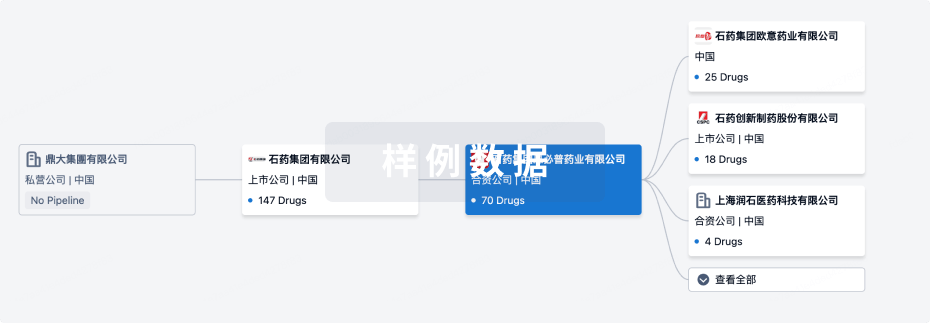
管线布局
2026年02月08日管线快照
无数据报导
登录后保持更新
药物交易
使用我们的药物交易数据加速您的研究。
登录
或

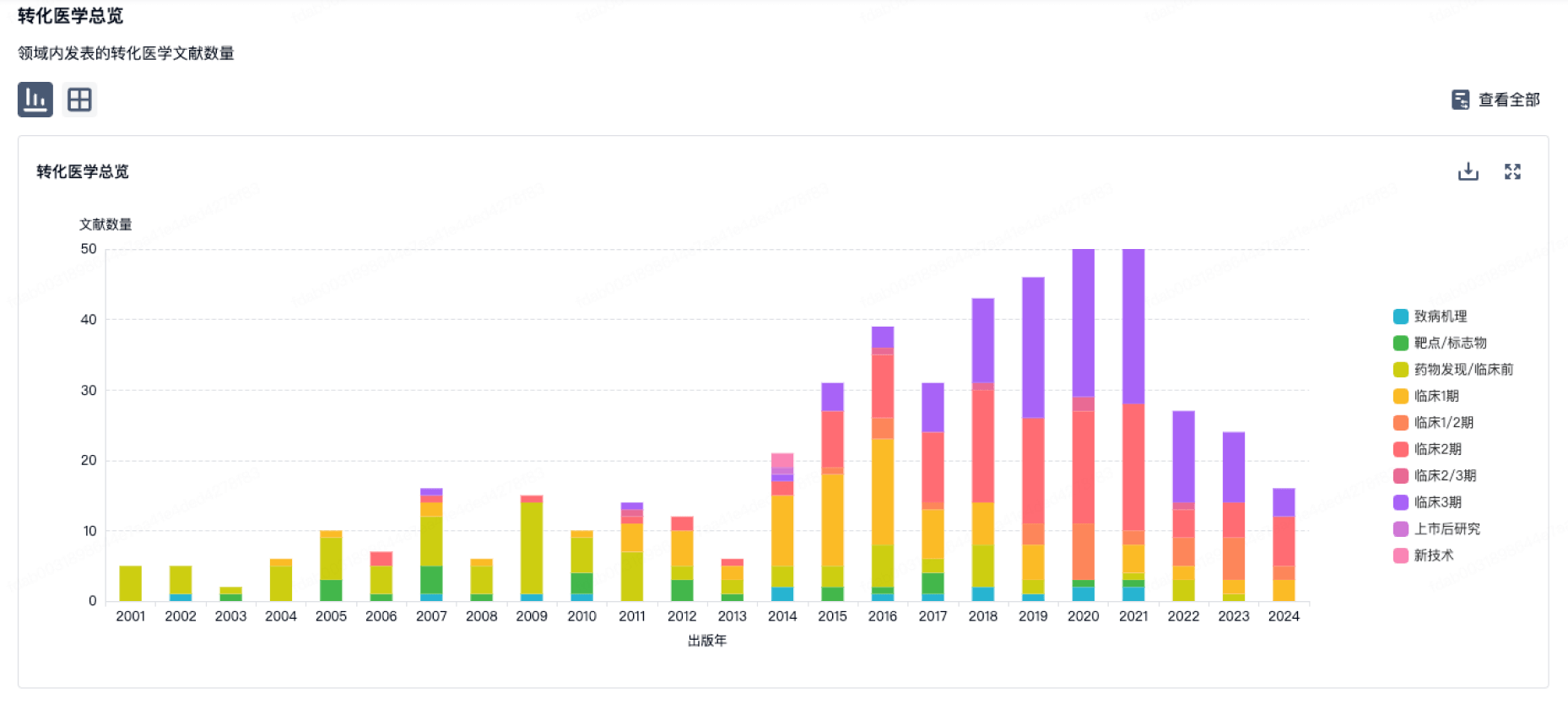
转化医学
使用我们的转化医学数据加速您的研究。
登录
或
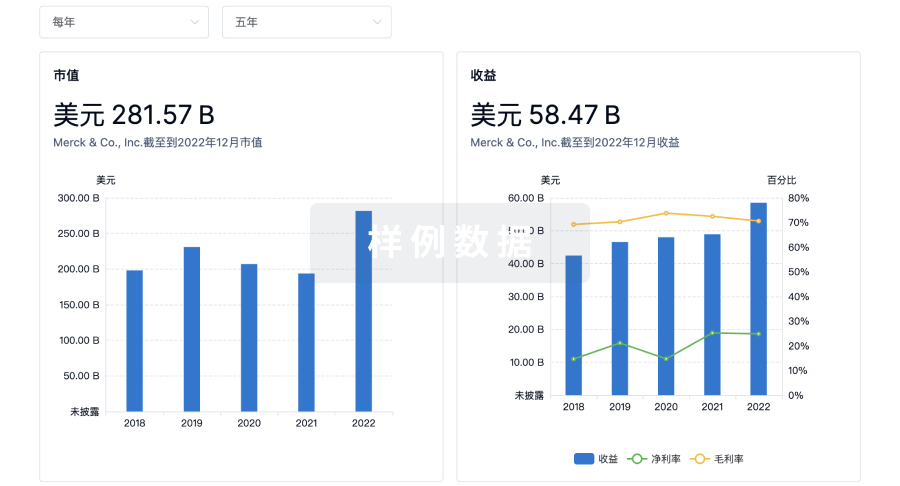
营收
使用 Synapse 探索超过 36 万个组织的财务状况。
登录
或
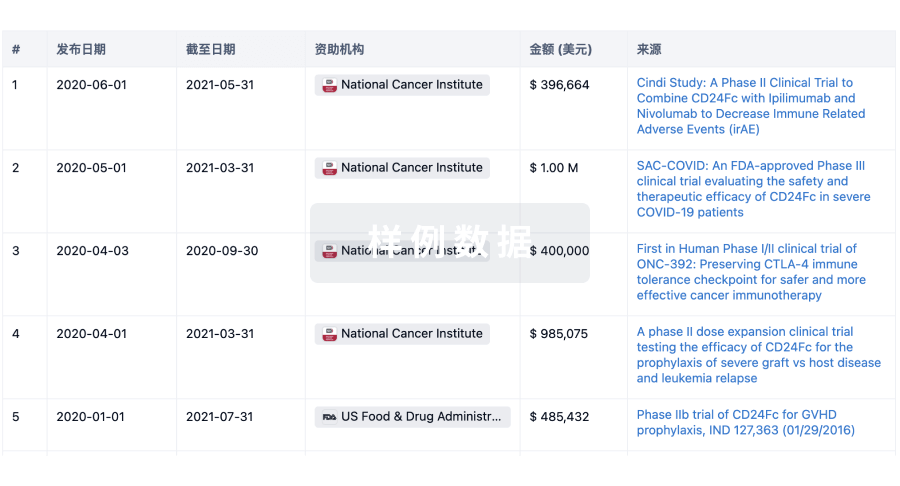
科研基金(NIH)
访问超过 200 万项资助和基金信息,以提升您的研究之旅。
登录
或
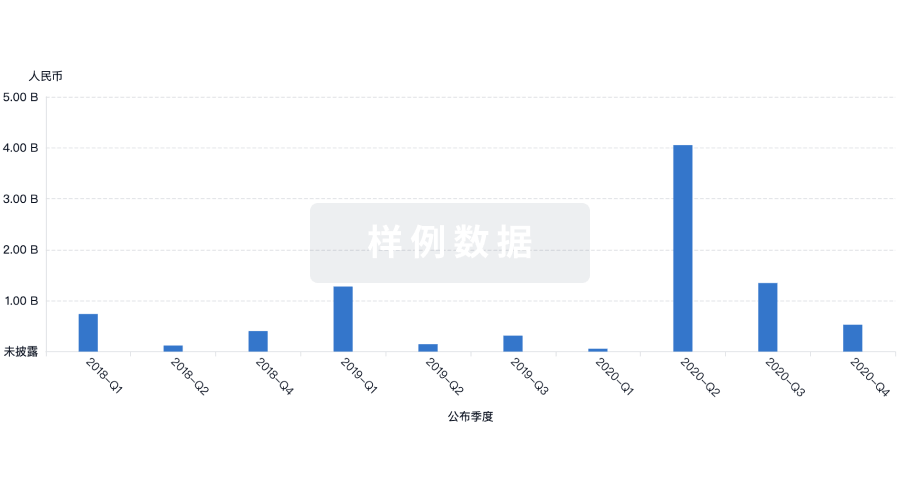
投资
深入了解从初创企业到成熟企业的最新公司投资动态。
登录
或
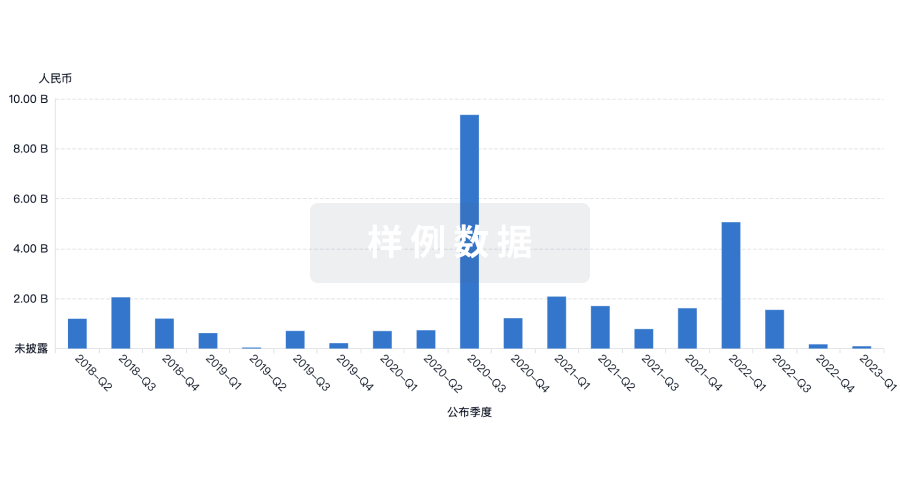
融资
发掘融资趋势以验证和推进您的投资机会。
登录
或
生物医药百科问答
全新生物医药AI Agent 覆盖科研全链路,让突破性发现快人一步
立即开始免费试用!
智慧芽新药情报库是智慧芽专为生命科学人士构建的基于AI的创新药情报平台,助您全方位提升您的研发与决策效率。
立即开始数据试用!
智慧芽新药库数据也通过智慧芽数据服务平台,以API或者数据包形式对外开放,助您更加充分利用智慧芽新药情报信息。
生物序列数据库
生物药研发创新
免费使用
化学结构数据库
小分子化药研发创新
免费使用