预约演示
更新于:2025-12-05

Université d'Auvergne
更新于:2025-12-05
概览
标签
肿瘤
神经系统疾病
血液及淋巴系统疾病
小分子化药
合成多肽
蛋白水解靶向嵌合体(PROTAC)
疾病领域得分
一眼洞穿机构专注的疾病领域

技术平台
公司药物应用最多的技术
靶点
公司最常开发的靶点
关联
靶点 |
作用机制 |
在研机构 |
原研机构 |
在研适应症 |
非在研适应症 |
最高研发阶段 |
首次获批国家/地区 |
首次获批日期 |
靶点 |
作用机制 |
在研机构 |
原研机构 |
在研适应症 |
非在研适应症 |
最高研发阶段 |
首次获批国家/地区 |
首次获批日期 |
靶点 |
作用机制 |
在研机构 |
原研机构 |
在研适应症 |
非在研适应症 |
最高研发阶段 |
首次获批国家/地区 |
首次获批日期 |
NCT07155824
Innovative Plant Proteins Fibre and Physical Activity Solutions to Modulate Whole Body and Skeletal Muscle Protein Metabolism in Older Adults
NCT06415084
Hyperemesis Gravidarum Prevalence : A Repeated Cross-sectional Population Based Study
NCT05954117
Effect of Chemotherapy on Metabolic Flexibility in the Context of Cachexia in Cancers of the Esophagus and Gastroesophageal Junction
100 项与 Université d'Auvergne 相关的临床结果
登录后查看更多信息
登录后查看更多信息
2025-12-01Clinical Nutrition ESPEN
Computed tomography radiomic analysis of paraspinal muscles in the prognosis of advanced head and neck cancers
Article
作者: Lere, Alexane ; Saroul, Nicolas ; Bernadach, Maureen ; Magnin, Benoît ; Thomas-Monier, Rémi ; Pereira, Bruno ; Biau, Julian ; Cassagnes, Lucie
BACKGROUND & AIMS:
Sarcopenia is a well-recognized risk factor for adverse outcomes in neoplastic diseases, and body composition assessment using computed tomography is a standard method for its evaluation. Radiomics, an automated and quantitative image-analysis approach that has demonstrated prognostic value in various clinical contexts, has not yet been applied to the assessment of axial musculature for outcome prediction in head and neck cancers. The primary aim of this study was to investigate whether radiomic analysis of the paravertebral muscles on computed tomography imaging could improve survival prediction in patients with locally advanced head and neck cancer.
METHODS:
We retrospectively included 71 patients with locally advanced head and neck cancer who received induction chemotherapy at our institution. Radiomic features were extracted following manual segmentation of the paravertebral muscles at the L1 level on computed tomography scan. Only features that were unaffected by the timing of contrast injection and demonstrated high intra-observer reproducibility were retained for analysis. Associations between these radiomic features and survival were assessed using univariate and multivariate Cox proportional hazards regression. Relationships with treatment toxicity and therapeutic response were evaluated using either Student's t-test or the Mann-Whitney test, as appropriate, and multivariate logistic regression.
RESULTS:
A total of 21 radiomic parameters were retained for analysis. In the multivariate analysis, none of these parameters were significantly associated with survival. However, the ability to maintain oral feeding at diagnosis and one histogram-based radiomic feature - the sum of Hounsfield unit values after discretization - emerged as the most promising predictors. After binarization of this histogram feature, both variables were significantly associated with survival, stratifying the cohort into four groups with distinct survival outcomes (p < 0.001). None of the radiomic parameters demonstrated a significant association with treatment-related toxicity in the multivariate analysis. Nevertheless, the CT subcutaneous fat index and the second-order radiomic feature GLRLM SRE exhibited a trend toward being risk factors for toxicity.
CONCLUSIONS:
No parameter, including radiomic features, was able to statistically and independently demonstrate prognostic value for locally advanced head and neck cancers. However, a radiomic feature, the sum of Hounsfield unit value after discretization, when used in conjunction with Computed Tomography body composition parameters and clinico biological nutritional parameters could help predict survival.
2025-12-01INTERNATIONAL DENTAL JOURNAL
Pharmaceutical Interventions in Self-Medication, Focus on Requests in Dentistry : A Descriptive Study in Community Pharmacies in the Auvergne Region, France
Article
作者: Rochoux, Typhène ; Lafarge, Elodie ; Savanovitch, Chantal ; Pereton, Bénédicte ; Cousson, Pierre-Yves ; Bedhomme, Sabrina ; Martinet, Elodie
INTRODUCTION AND AIMS:
The practice of self-medication is common but not without risks. Community pharmacists have an important role in dispensing over the counter drugs without medical prescription and hence conducting a pharmaceutical intervention (PI). It is estimated that the prevalence of self-medication in dentistry is around 58%. The aim of this study was to characterise, self-medication related PIs over a given period, particulalry appertaining to dental pain linked to an infectious or inflammatory process.
METHODS:
We conducted a descriptive study in 201 pharmacies in Auvergne (France) between 2017 and 2024. Data were collected using the validated GIPAMED notification grid.
RESULTS:
The molecule that generated the most IP is ibuprofen (66.8%, n=169). The main reasons for PI were contraindication with the physio-pathological state (36%, n=90) and need for a consultation because the complaint cannot be dealt with at the pharmacy (32%, n=81). Following PI, the provider pharmacist offered an alternative in 45% of cases (n=192) or a secondary consultation with the dentist (43%; n=182). This solution was accepted by 91% (n=230) of the drug recipients.
CONCLUSION:
The management of dental pain by PI highlights the pharmacist's role in public health. By spotting contraindications, the need for additional consultations, or incorrect medications, pharmacists ensured safe medication delivery and acted as a bridge between the patient and the dentist. This intervention was particularly noticeable in the cases NSAIDs prescriptions for dental pain,given without antibiotic therapy.
CLINICAL RELEVANCE:
Examining PIs associated with self-medication for dental pain enabled us to identify the most frequent disease conditions that were brought to the attention of pharmacists and, where appropriate, to propose measures to public health authorities to improve care pathways.
2025-10-01ENCEPHALE-REVUE DE PSYCHIATRIE CLINIQUE BIOLOGIQUE ET THERAPEUTIQUE
Embracing digital psychiatry: Readiness or resistance?
作者: Samalin, Ludovic
100 项与 Université d'Auvergne 相关的药物交易
登录后查看更多信息
100 项与 Université d'Auvergne 相关的转化医学
登录后查看更多信息
组织架构
使用我们的机构树数据加速您的研究。
登录
或
管线布局
2026年10月13日管线快照
管线布局中药物为当前组织机构及其子机构作为药物机构进行统计,早期临床1期并入临床1期,临床1/2期并入临床2期,临床2/3期并入临床3期
临床前
3
登录后查看更多信息
当前项目
登录后查看更多信息
药物交易
使用我们的药物交易数据加速您的研究。
登录
或
转化医学
使用我们的转化医学数据加速您的研究。
登录
或
营收
使用 Synapse 探索超过 36 万个组织的财务状况。
登录
或
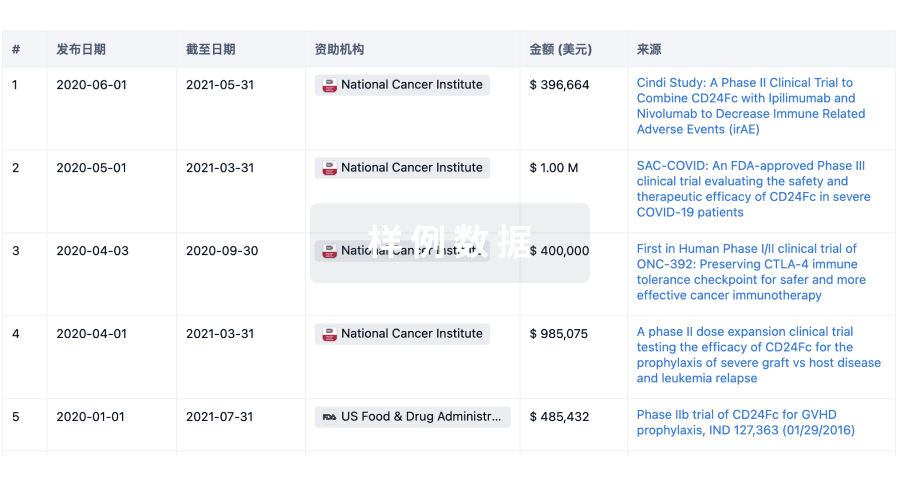
科研基金(NIH)
访问超过 200 万项资助和基金信息,以提升您的研究之旅。
登录
或
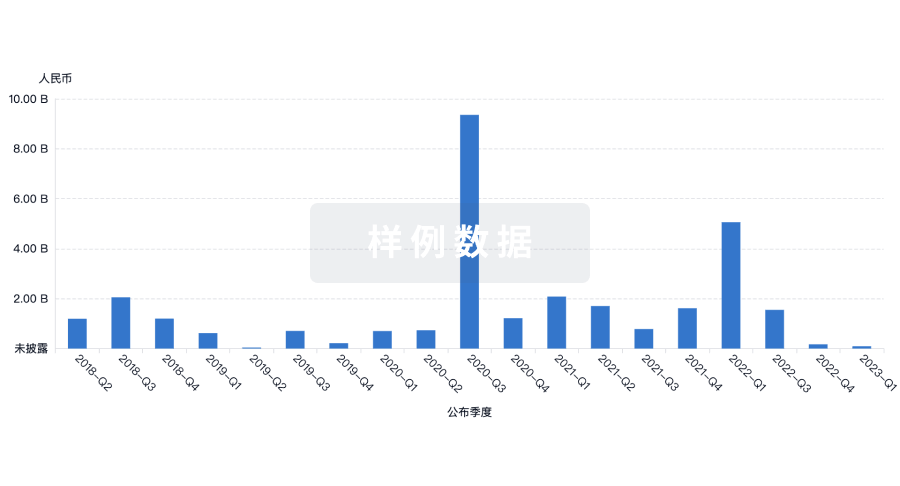
投资
深入了解从初创企业到成熟企业的最新公司投资动态。
登录
或
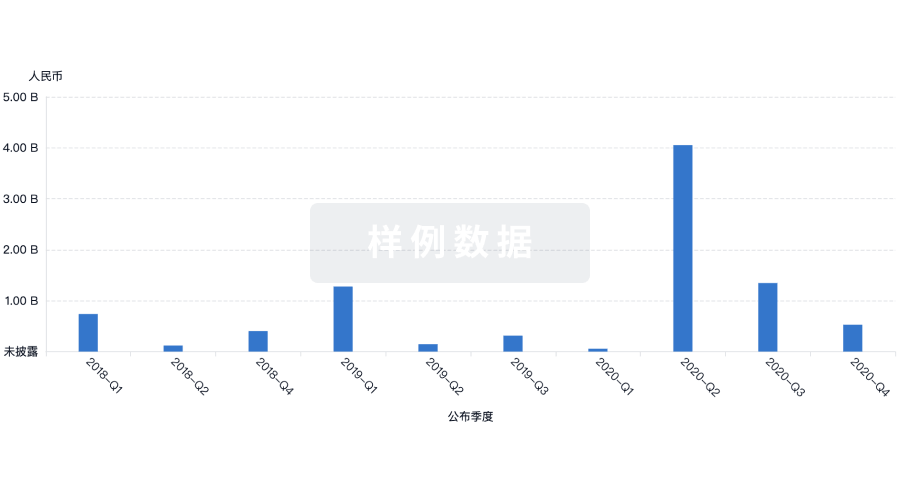
融资
发掘融资趋势以验证和推进您的投资机会。
登录
或
提出任何生物医药研究问题
让每一步生物医药决策都精准制胜
基于十亿级生物数据与全球情报的精准 AI,赋能早期药物发现
立即开始免费试用!
智慧芽新药情报库是智慧芽专为生命科学人士构建的基于AI的创新药情报平台,助您全方位提升您的研发与决策效率。
立即接入生物医药数据包
智慧芽新药库数据也通过智慧芽开放平台,以MCP或API服务形式对外开放。立即使用我们的MCP服务定制您的LLM智能体。
生物序列数据库
生物药研发创新
免费使用
化学结构数据库
小分子化药研发创新
免费使用