预约演示
更新于:2026-09-20

Guangzhou University
更新于:2026-09-20
概览
标签
肿瘤
消化系统疾病
小分子化药
疾病领域得分
一眼洞穿机构专注的疾病领域

技术平台
公司药物应用最多的技术
靶点
公司最常开发的靶点
关联
靶点 |
作用机制 |
在研机构 |
原研机构 |
在研适应症 |
非在研适应症 |
最高研发阶段 |
首次获批国家/地区 |
首次获批日期 |
CN120271596
专利挖掘靶点 |
作用机制 |
在研机构 |
原研机构 |
在研适应症 |
非在研适应症 |
最高研发阶段 |
首次获批国家/地区 |
首次获批日期 |
ChiCTR2600128302
Effects of Physical Exercise Intervention on Gut Microbiota and fNIRS-Based Brain Function Indicators in Male College Students
NCT06556784
At-home Immersive Virtual Reality Exergames to Reduce Cardiometabolic Risk Among Office Workers: Protocol for a Randomized Controlled Trial
NCT07822035
Effects of Attentional Focus and Feedback Timing on Children's Tennis Motor Skill Learning
100 项与 广州大学 相关的临床结果
登录后查看更多信息
登录后查看更多信息
2026-12-01BIORESOURCE TECHNOLOGY
Long-term stability of anaerobic digestion of thermally hydrolyzed waste activated sludge driven by N-doped Biochar-Supported Magnetite: Metagenomic insights into direct interspecies electron transfer
Article
作者: He, Junguo ; Ng, How Yong ; Zhang, Jie ; Zhong, Yijie ; Su, Qingxian ; Pan, Xinlei ; Zou, Xiang
Fluctuations in organic loading often destabilize anaerobic digestion (AD) performance, thereby limiting methane (CH4) production. This study evaluated effects of hybrid conductive material, N-doped biochar-supported magnetite (Fe3O4@N-BC), on long-term stability of AD of thermally hydrolyzed waste activated sludge in up-flow anaerobic sludge blanket (UASB) reactors under decreasing hydraulic retention times (18-6 days). Fe3O4@N-BC-amended reactor maintained superior and stable performance, achieving 22-122% higher CH4 yields than the Control reactor over the 150-day operational period. Enhanced stability was associated with improved hydrolysis and the establishment of direct interspecies electron transfer (DIET) between Clostridium and Methanosarcina. Electron transfer was facilitated through multiple pathways, including conductive materials, e-pili, and extracellular polymeric substances. The CH4/CO2 ratio is proposed as a rapid and practical indicator of DIET under comparable conditions. The results provide metagenomic insights into the mechanism of Fe3O4@N-BC-mediated DIET during AD and highlight its potential application in reactors under dynamic operational conditions.
2026-12-01NEURAL NETWORKS
TQR : Modelling user temporal preference for effective question routing
Article
作者: Zhang, Tiancheng ; Chen, Zulong ; Liu, Hengyu ; Lv, Pin ; Xu, Jia ; Wang, Ning ; Li, Zhengkai
Question routing (QR) aims to route questions to answerers who are likely to provide high-quality answers. Though existing QR methods have achieved promising results, they still face two key challenges that have not yet been well addressed: 1) user access temporal preference (i.e., user preference to the time of accessing community question answering websites) has not been well captured and utilized and 2) asker acceptance temporal preference (i.e., asker preference to an answer's submission time) is neglected. Given this, we introduce a novel deep neural network model named TQR which applies temporal preference information for effective question routing. To address the first challenge, we design an access temporal preference encoder in TQR that models the access temporal preferences of users based on their periodic and evolving patterns of accessing time. To solve the second challenge, an acceptance temporal preference encoder is proposed in TQR which learns long&short-term acceptance temporal preferences of askers. Then, an answerer's representation is computed based on the learned user access temporal preferences and asker acceptance preferences. Finally, a question is routed to those answerers whose representations better match the question representation. To the best of our knowledge, this is the first attempt to model the acceptance temporal preferences of askers to optimize the QR task. Extensive experiments are conducted on six public datasets and the experimental results show that the proposed TQR model achieves an average improvement of 7.22% in MRR compared to those best baselines.
2026-11-01JOURNAL OF AFFECTIVE DISORDERS
Predicting sub-clinical risk of complex PTSD in adolescents using multi-informant ecological data: A machine learning approach
Article
作者: Kong, Haonan ; Huang, Sui ; Ren, Yizhen ; Cui, ZheShi ; Xia, Yanrong ; Xiao, Wenhan
BACKGROUND:
Complex Post-Traumatic Stress Disorder (CPTSD) is a significant mental health concern in adolescents, however traditional diagnostic tools often fail to capture early risk patterns. Adolescence is a unique developmental window marked by neurobiological remodeling and heightened interpersonal sensitivity. This study aims to move beyond binary clinical diagnosis toward a subclinical prevention framework by predicting continuous CPTSD symptom severity using multidimensional ecological data.
METHODS:
The data were collected from a triad of 4177 Chinese adolescents and their parents. A two-layer stacking ensemble machine learning model was employed to integrate 118 variables across individual, family, and school domains. SHapley Additive exPlanations (SHAP) analysis was utilized to provide interpretability and identify the predictive contribution of key ecological factors.
RESULTS:
The stacking ensemble model demonstrated higher predictive accuracy in identifying complex ecological risk patterns compared to standalone base learners. School climate functioned as an asymmetrical indicator where deterioration significantly predicted symptom elevation while a positive climate offered a limited protective association. Peer victimisation behaviors, maternal anxiety, and paternal coparenting conflict were identified as core components of the risk patterns.
CONCLUSION:
An interpretable stacking ensemble model is developed to estimate concurrent CPTSD symptom severity in adolescents using multiple informant ecological data. Peer victimisation behaviors, maternal anxiety, and school climate are identified as the most informative indicators. A temporal inference is precluded by the cross sectional design. Therefore, this framework is viewed as an exploratory approach to recognizing adolescents with an elevated concurrent symptom burden.
100 项与 广州大学 相关的药物交易
登录后查看更多信息
100 项与 广州大学 相关的转化医学
登录后查看更多信息
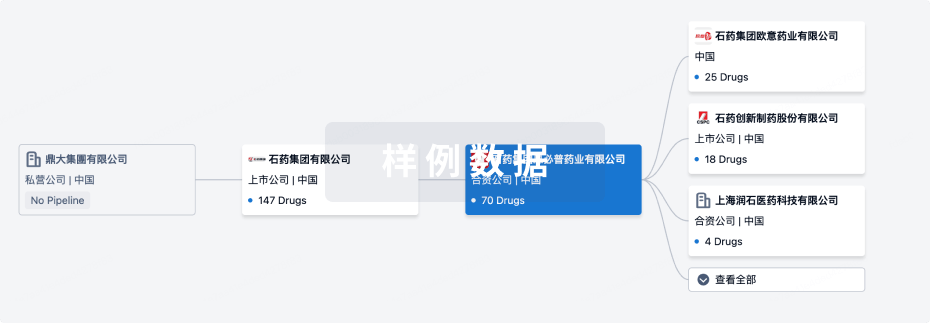
组织架构
使用我们的机构树数据加速您的研究。
登录
或
管线布局
2026年09月23日管线快照
管线布局中药物为当前组织机构及其子机构作为药物机构进行统计,早期临床1期并入临床1期,临床1/2期并入临床2期,临床2/3期并入临床3期
药物发现
1
1
临床前
登录后查看更多信息
当前项目
登录后查看更多信息
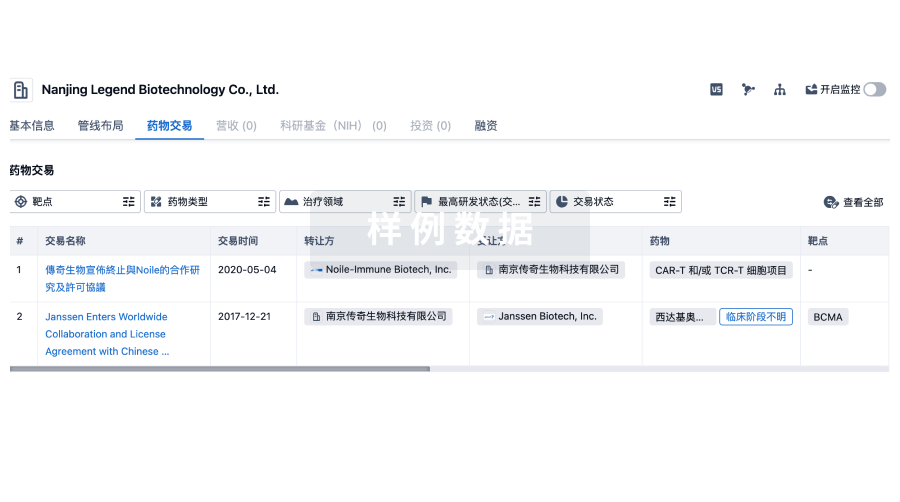
药物交易
使用我们的药物交易数据加速您的研究。
登录
或
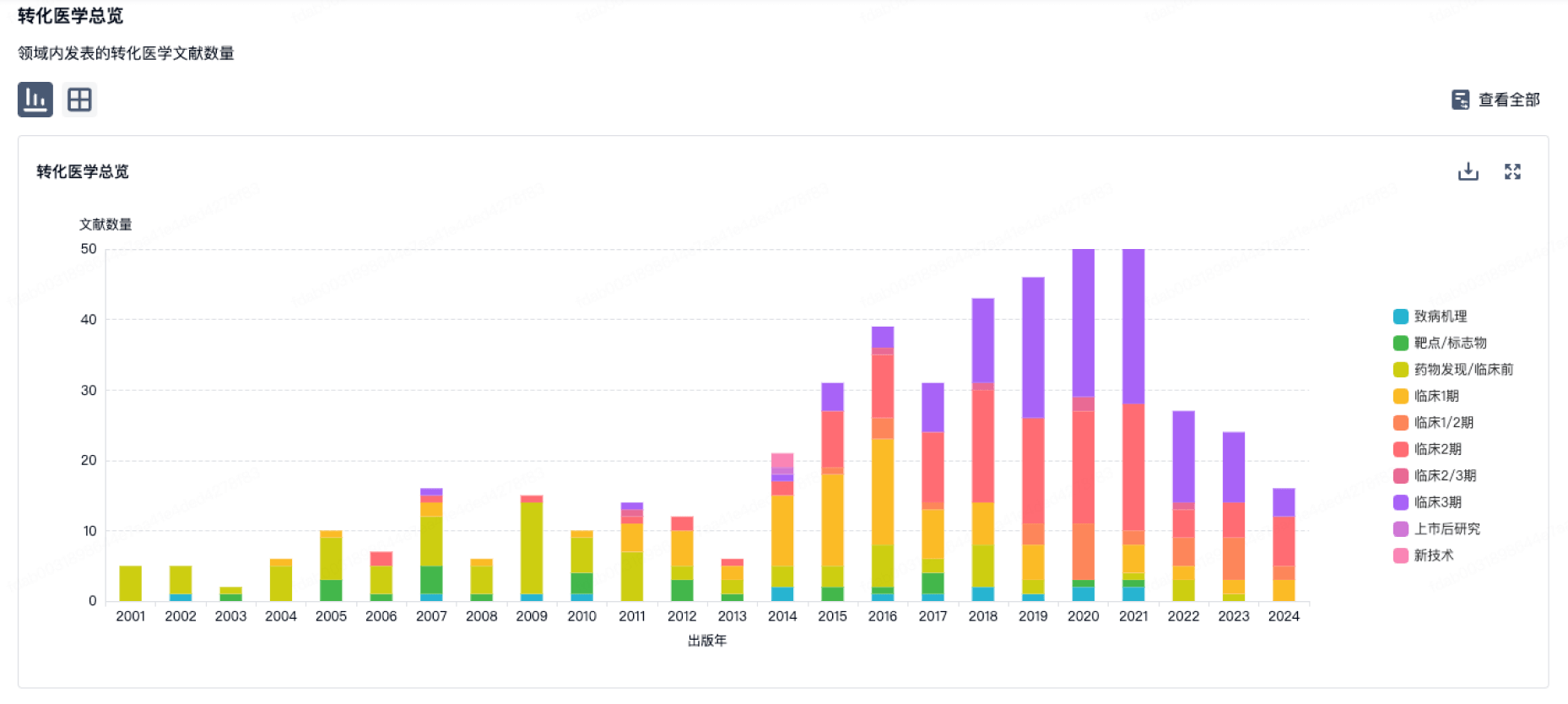
转化医学
使用我们的转化医学数据加速您的研究。
登录
或
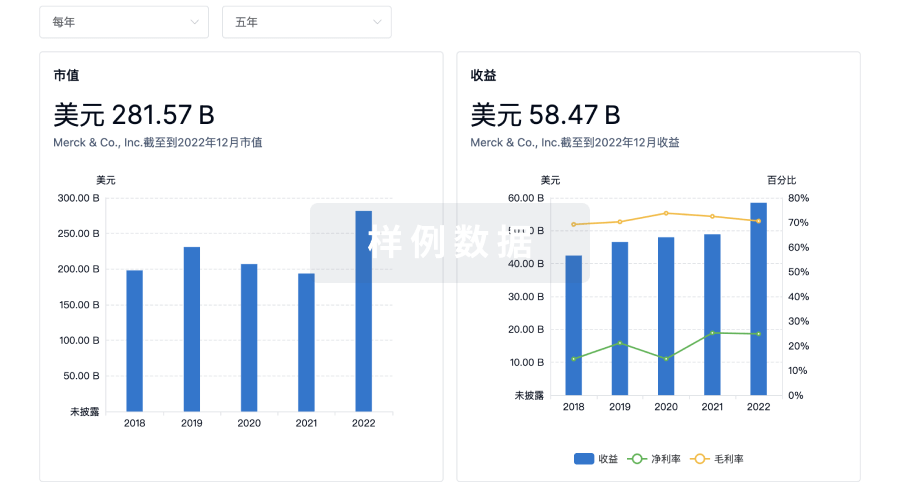
营收
使用 Synapse 探索超过 36 万个组织的财务状况。
登录
或
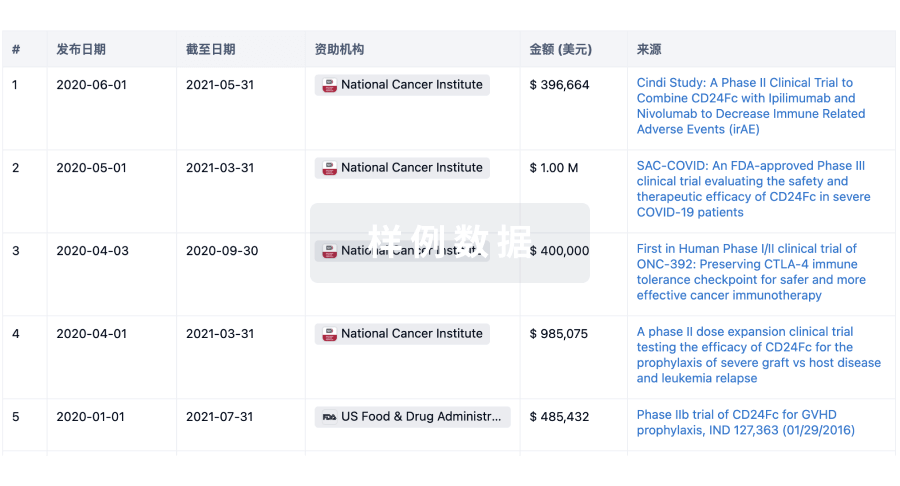
科研基金(NIH)
访问超过 200 万项资助和基金信息,以提升您的研究之旅。
登录
或
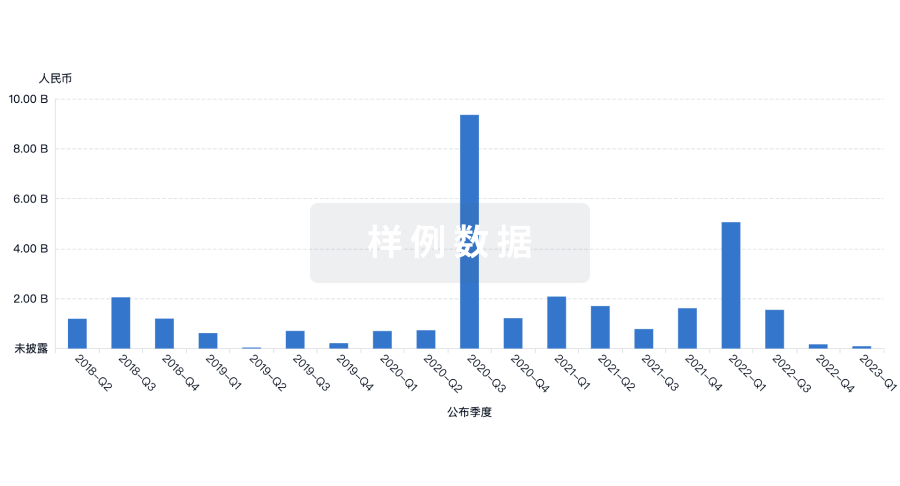
投资
深入了解从初创企业到成熟企业的最新公司投资动态。
登录
或
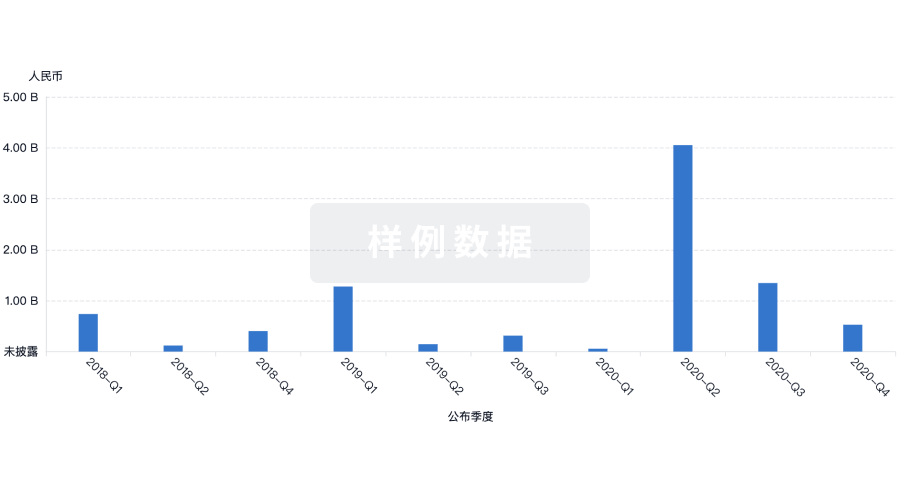
融资
发掘融资趋势以验证和推进您的投资机会。
登录
或
提出任何生物医药研究问题
让每一步生物医药决策都精准制胜
基于十亿级生物数据与全球情报的精准 AI,赋能早期药物发现
立即开始免费试用!
智慧芽新药情报库是智慧芽专为生命科学人士构建的基于AI的创新药情报平台,助您全方位提升您的研发与决策效率。
立即接入生物医药数据包
智慧芽新药库数据也通过智慧芽开放平台,以MCP或API服务形式对外开放。立即使用我们的MCP服务定制您的LLM智能体。
生物序列数据库
生物药研发创新
免费使用
化学结构数据库
小分子化药研发创新
免费使用