预约演示
更新于:2026-10-04

Virginia Polytechnic Institute & State University
更新于:2026-10-04
概览
标签
感染
肿瘤
神经系统疾病
小分子化药
合成多肽
疾病领域得分
一眼洞穿机构专注的疾病领域

技术平台
公司药物应用最多的技术
靶点
公司最常开发的靶点
关联
靶点 |
作用机制 |
在研机构 |
原研机构 |
在研适应症 |
非在研适应症 |
最高研发阶段 |
首次获批国家/地区 |
首次获批日期 |
靶点 |
作用机制 |
在研机构 |
原研机构 |
在研适应症 |
非在研适应症 |
最高研发阶段 |
首次获批国家/地区 |
首次获批日期 |

靶点 |
作用机制 |
在研机构 |
原研机构 |
在研适应症 |
非在研适应症 |
最高研发阶段 |
首次获批国家/地区 |
首次获批日期 |
NCT07521072
Building an Intervention for College Students With Food Insecurity and Binge Eating
NCT05303428
Study of Low-intensity Focused Ultrasound Effects on Cognitive fMRI Signals
NCT07686354
Accelerated Low-Intensity Focused Ultrasound (LIFU) for Chronic Pain and Generalized Anxiety Disorder: A Proof-of-Concept Case Series
100 项与 Virginia Polytechnic Institute & State University 相关的临床结果
登录后查看更多信息
登录后查看更多信息
2026-12-01BIOMATERIALS
Helical quaternary amine polypeptide programs membrane stress to drive immunogenic cell death and cytosolic gene delivery for cancer immunotherapy
Article
作者: Jeong, Seong Dong ; Lee, Yong-Kyu ; Jiao, Ao ; Ha, Jonghoon ; Nam, Hoyeon ; Park, Heewon ; Ha, Sang-Jun ; Hong, Kyeong Hee ; Yoon, A-Rum ; Lee, DaeYong ; Lee, Susam ; Yun, Chae-Ok ; Kim, Sejin ; Kim, Yeu-Chun ; Kim, SeungCheol
Nanomaterials can shape antitumor immunity; however, the design rules that link molecular features to immune outcomes remain unclear. Here, we demonstrate that helical polypeptides with quaternary amine sidechains physically disrupt phospholipid membranes, triggering the release of damage-associated molecular patterns (DAMPs) and enabling cytosolic gene delivery. Screening various sidechain amines and using mechanistic assays with a racemic control identifies quaternary amines, along with helicity, as key factors in immune responses. Mechanistically, physical membrane disruption damages membrane-based organelles-including mitochondria, the endoplasmic reticulum, and endosomes-leading to immunogenic cell death and facilitating endosomal escape of nucleic acids. Guided by this mechanism, guanidinium substitution strengthened phosphate engagement and reduced the apparent cationic density, thereby improving polyplex stability and immune activation. In mouse models of melanoma and colon cancer, local transfection with a PD-L1 knockout plasmid using a helical polypeptide reduced tumor burden by 70-80% and boosted effector T cell-mediated immunity. These findings illustrate how sidechain chemistry and helicity affect immune activation, offering a non-viral platform for antitumor immune priming.
2026-12-01MEAT SCIENCE
Corrigendum to “Carbon economy of skeletal muscle growth: Warburg-like metabolic remodeling drives lean accretion and shapes meat quality” [Meat Sci. 242 (2026) 110181]
作者: Wicks, J C ; Gerrard, S D ; Yen, C N ; Wivell, A ; Silva, S L ; Gerrard, D E ; Rimmer, L A ; Beline, M ; Zumbaugh, M D ; Roth, E C ; Bodmer, J S ; Matarneh, S K
2026-11-01MEAT SCIENCE
Beef carcass electrical stimulation enhances Calpain-1 autolysis but not proteolysis
Article
作者: Silva, S L ; Beline, M ; Shi, T H ; Koohmaraie, M ; Roth, E C ; Bodmer, J S ; Gerrard, D E ; Yen, C N
Tenderness is a key determinant of consumer acceptance of beef. Electrical stimulation (ES) is commonly used to improve tenderness by reducing the impact of cold-shortening but also disrupts muscle structure, accelerates pH decline, and augments calcium release, which may influence calpain-1 mediated proteolysis. Evidence supporting increased proteolysis with ES is inconsistent. To investigate the relationship, we examined the effects of ES on the calpain-1 proteolytic system. Market-weight steers were harvested, carcasses were split, and one side was subjected to ES (15 Hz and at 150 or 300 V) and the contralateral side served as a non-stimulated (NS) control. Samples from longissimus thoracis et lumborum (LTL) and semitendinosus (ST) were collected pre- and post-ES, and at 1, 3, 6, 9, 24 h, and 3, 5, 7, 14, and 21 d postmortem. ES accelerated pH decline (P < 0.001) and calpain-1 autolysis, showing the most rapid loss (P < 0.001) of the 80 kDa subunit. In the LTL, ES led to a greater (P < 0.014) abundance of the calpain-1 76 kDa subunit, while the ST had a faster and greater accumulation (P < 0.006) of the calpain-1 76 kDa subunit. Additionally, ES increased (P < 0.031) the rate of calpastatin degradation in the ST. Interestingly, ES carcasses did not display greater degradation of desmin or troponin-T over aging compared to controls. These results indicate that although ES accelerates pH decline and promotes calpain-1 activation and calpastatin degradation, it does not enhance proteolysis. Thus, improvements in tenderness following ES are likely driven by structural disruption rather than increased proteolysis.
100 项与 Virginia Polytechnic Institute & State University 相关的药物交易
登录后查看更多信息
100 项与 Virginia Polytechnic Institute & State University 相关的转化医学
登录后查看更多信息
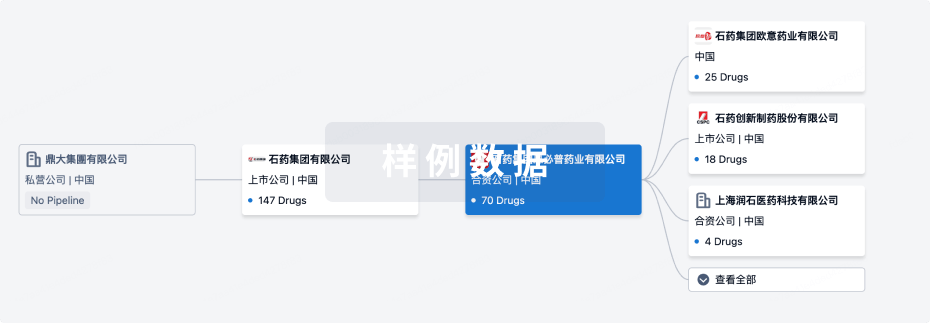
组织架构
使用我们的机构树数据加速您的研究。
登录
或
管线布局
2026年10月10日管线快照
管线布局中药物为当前组织机构及其子机构作为药物机构进行统计,早期临床1期并入临床1期,临床1/2期并入临床2期,临床2/3期并入临床3期
药物发现
5
11
临床前
其他
2
登录后查看更多信息
当前项目
登录后查看更多信息
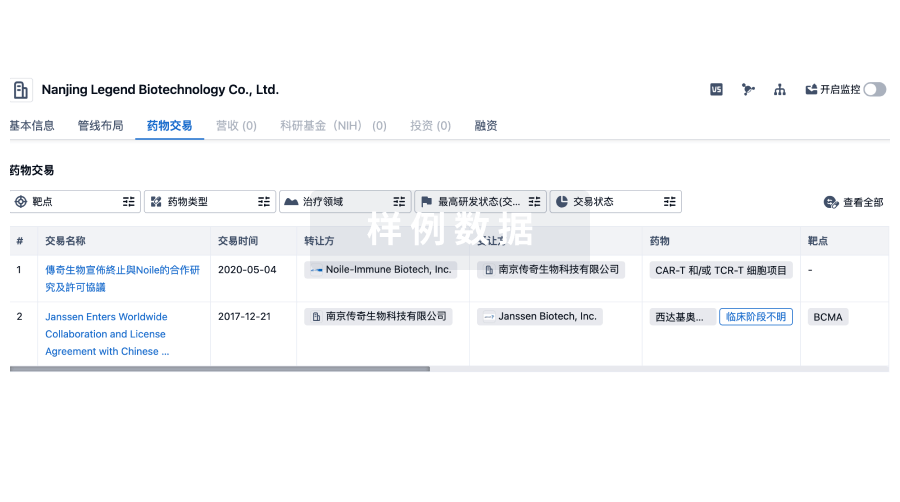
药物交易
使用我们的药物交易数据加速您的研究。
登录
或
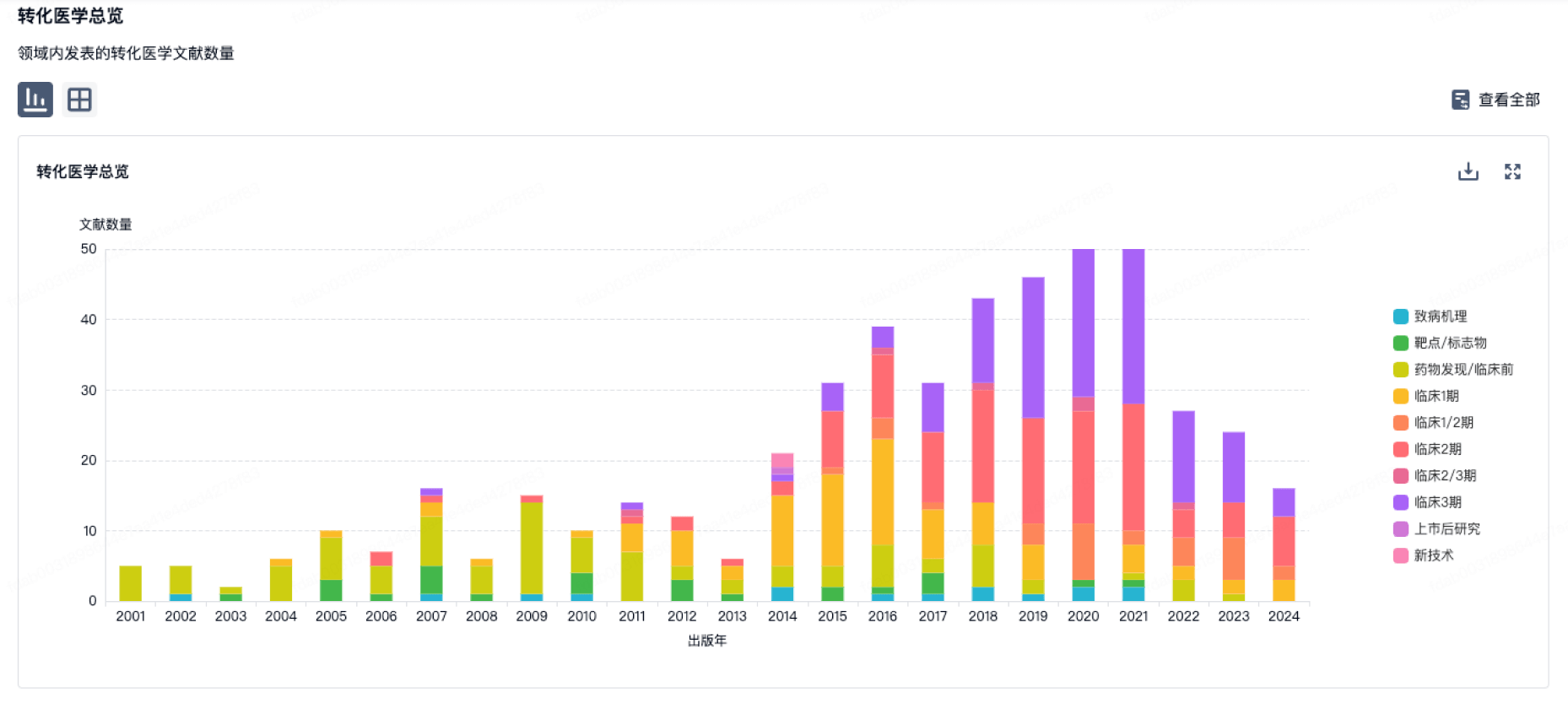
转化医学
使用我们的转化医学数据加速您的研究。
登录
或
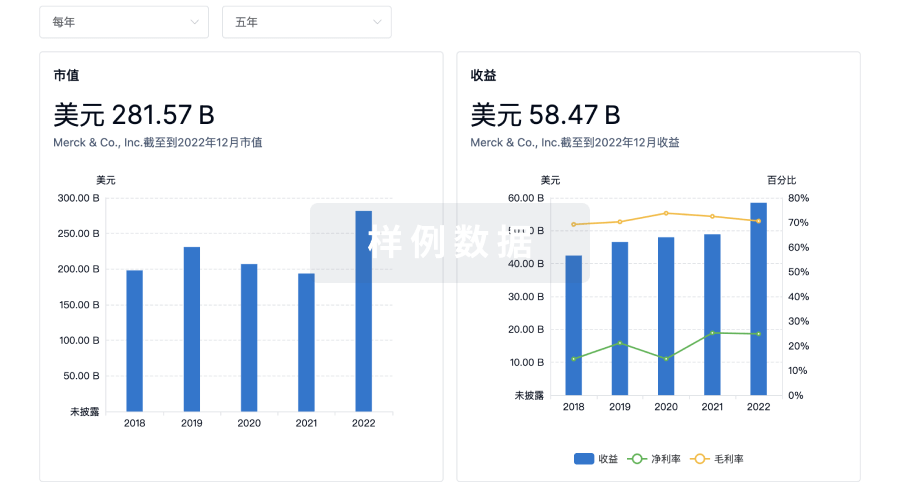
营收
使用 Synapse 探索超过 36 万个组织的财务状况。
登录
或
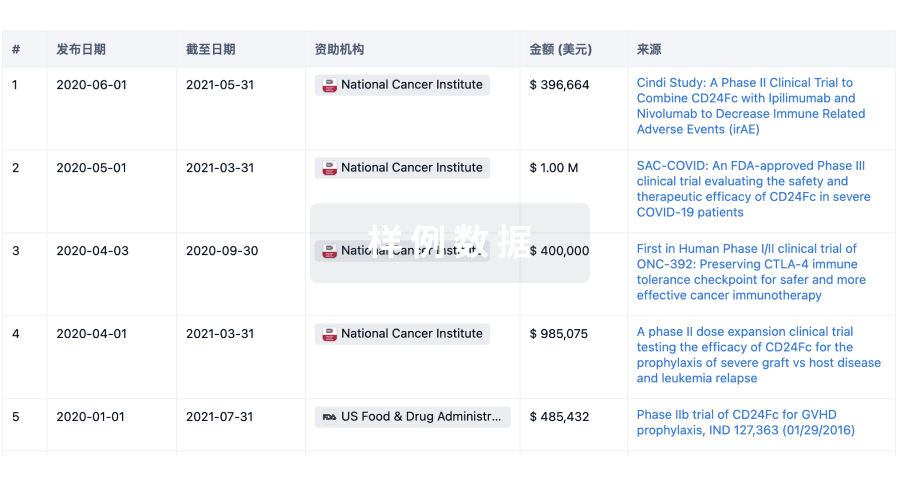
科研基金(NIH)
访问超过 200 万项资助和基金信息,以提升您的研究之旅。
登录
或
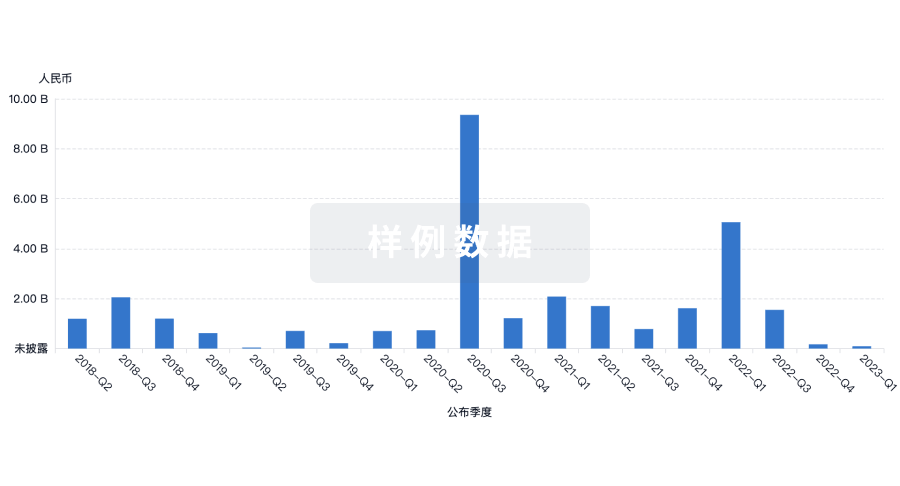
投资
深入了解从初创企业到成熟企业的最新公司投资动态。
登录
或
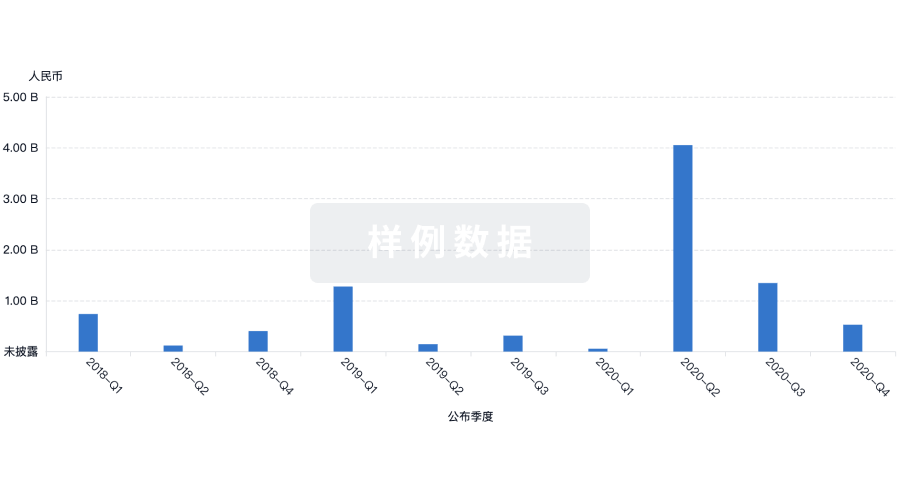
融资
发掘融资趋势以验证和推进您的投资机会。
登录
或
提出任何生物医药研究问题
让每一步生物医药决策都精准制胜
基于十亿级生物数据与全球情报的精准 AI,赋能早期药物发现
立即开始免费试用!
智慧芽新药情报库是智慧芽专为生命科学人士构建的基于AI的创新药情报平台,助您全方位提升您的研发与决策效率。
立即接入生物医药数据包
智慧芽新药库数据也通过智慧芽开放平台,以MCP或API服务形式对外开放。立即使用我们的MCP服务定制您的LLM智能体。
生物序列数据库
生物药研发创新
免费使用
化学结构数据库
小分子化药研发创新
免费使用