预约演示
更新于:2026-03-03

Novozymes A/S
更新于:2026-03-03
概览
标签
感染
合成多肽
疾病领域得分
一眼洞穿机构专注的疾病领域
技术平台
公司药物应用最多的技术
靶点
公司最常开发的靶点

暂无数据
关联
靶点 |
作用机制 |
在研机构 |
原研机构 |
在研适应症 |
非在研适应症 |
最高研发阶段 |
首次获批国家/地区 |
首次获批日期 |
NCT07163637
A Randomized, Double-Blind, Placebo-Controlled Decentralized Trial to Assess the Effect and Tolerability of Limosilactobacillus Reuteri DSM 17648 Supplement in Healthy Adults Reporting Upper Gastrointestinal Discomfort
NCT07054216
Efficacy of a Probiotic on Gut Health, Immune Maturation, and Well-being in Term Newborns - a Randomized, Double-blinded, Placebo-controlled Study
NCT06789484
Recovery of a Probiotic in Term Newborns - a Randomized, Double-blinded, Placebo-controlled Proof-of-concept Study
100 项与 Novozymes A/S 相关的临床结果
登录后查看更多信息
登录后查看更多信息
2025-12-31Journal of Oral Microbiology
Coaggregation of oral pathogens by postbiotic lactobacilli
Article
作者: Meyer, Rikke Louise ; Møllebjerg, Andreas ; Khamas, Amanda Batoul ; Golletz, Patrick ; Hall, Charles ; Jensen, Sissel Damsbo ; Collignon, Madeline ; Schlafer, Sebastian ; Tykwinska, Karolina
Introduction:
Coaggregation may reduce the abundance of bacteria in physiological fluids, such as saliva, as aggregated bacteria are cleared more easily than planktonic cells. This study aimed to identify Lactobacillus strains that coaggregate with oral pathogens with the perspective of using this approach to improve oral health.
Material and methods:
Coaggregation of 719 postbiotic Lactobacillus strains with target pathogens Fusobacterium nucleatum, Porphyromonas gingivalis, and Prevotella intermedia was quantified by absorbance. Coaggregation efficacy of selected strains with clinical isolates and in the presence of other salivary bacteria was determined by flow cytometry. Brightfield and confocal microscopy were applied to characterize the size and structure of coaggregates. Pangenome analysis was used to identify genomic regions potentially involved in the coaggregation activity.
Results:
Two strains, Lacticaseibacillus rhamnosus 1B06 and Lacticaseibacillus paracasei 8A12, coaggregated efficiently with all three target pathogens and clinical isolates of the same species even in the presence of other salivary bacteria. The coaggregation capability of the selected Lactobacillus strains was unique and could not be reproduced with other genetically similar lactic acid bacteria of the same species.
Conclusion:
Lactobacillus strains capable of coaggregating oral pathogens were identified as promising candidates for the development of new postbiotic ingredients for oral hygiene products.
2025-11-17WORLD JOURNAL OF BIOLOGICAL PSYCHIATRY
Stress and depression risk in pregnancy associates with altered immune function
Article
作者: Doyle, Sarah L. ; Van Sinderen, Douwe ; Mealy, Grace ; Hempelmann Perez, Sofia ; Groeger, David ; Callanan, Sophie ; Saldova, Radka ; Brennan, Kiva ; Cotter, Paul D. ; McAuliffe, Fionnuala M.
OBJECTIVES:
Psychological factors such as well-being, stress, and depression can influence immune function, with dysregulated inflammation during pregnancy contributing to adverse outcomes. While the role of inflammatory markers has been studied in pregnancy complications like preterm birth and preeclampsia, few studies explore how psychological states impact cellular and serum immune responses in pregnant women. In this study, we investigated associations between psychological factors and inflammatory markers from peripheral blood mononuclear cells (PBMCs) and serum in early and late pregnancy.
METHODS:
This secondary analysis of 70 pregnant women from the MicrobeMom2 RCT investigated associations between psychological factors and inflammatory markers from peripheral blood mononuclear cells (PBMCs) and serum in early and late pregnancy. Wellbeing, stress, and depression risk were assessed using the WHO-5 Well-being Index, Perceived Stress Questionnaire, and Edinburgh Postnatal Depression Scale. Associations between immune markers and psychological factors were analysed using independent t-tests, ANOVA, and linear regression.
RESULTS:
Higher well-being correlated with lower leptin levels in late pregnancy serum. Higher stress scores were associated with decreased PBMC-secreted TNF-α in early pregnancy. Increased depression risk was associated with lower serum TNF-α and ICAM1 in early pregnancy and reduced IL17A in late pregnancy.
CONCLUSIONS:
Well-being, stress, and depression risk are associated with an altered immune response during early and late pregnancy, which may contribute to the relationship between suboptimal psychological states and adverse pregnancy outcomes.
2025-07-25Beneficial Microbes
Effects of spore-forming probiotic Bacillus subtilis HU58™ in children with antibiotic-associated diarrhoea: a randomised, double-blind, placebo-controlled trial
Article
作者: Mankar, S. ; Sorensen, K. ; Jog, P. ; Holz, C. ; Jadhav, S.
Abstract:
Antibiotics are among the most prescribed medicines in children globally. Antibiotic-associated diarrhoea (AAD) and associated abdominal pain are common side effects, caused by alterations to the intestinal microbiota composition. Most research on probiotic interventions involves prophylactic use of
Saccharomyces
, lactobacilli or bifidobacteria. Less is known about spore-forming strains administered after AAD onset.
Bacillus subtilis
HU58™ was found to improve AAD symptoms in adults. This randomised, double-blind, placebo-controlled trial in India investigated the effects of a dietary supplement containing
B. subtilis
HU58 (2 × 10
9
cfu/day) versus placebo for seven days on diarrhoea duration (Bristol Stool Scale, BSS), abdominal pain intensity (Visual Analogue Scale, VAS), and overall gastrointestinal wellbeing (adapted Gastrointestinal Restoration Questionnaire, GIRQ; Physician Global Assessment, PGA) in 68 children (1-12 years) with AAD. Between-group comparison of data from each timepoint was conducted for the intention to treat population (Chi-squared test of independence for distribution of BSS types, Wilcoxon rank sum test for mean BSS types, mixed model for repeated measures for VAS, GIRQ and PGA scores). By day 3, 93.5% of the probiotic group had normal BSS types, versus 22.6% in the placebo group (
). Almost all subjects in both groups had normal stool types by day 7. Significantly greater decreases in abdominal pain VAS scores were observed among those receiving the probiotic versus placebo at day 3 (−7.4 [SE 0.5] versus −1.9 [SE 0.3],
) and day 7 (−9.1 [SE 0.3] versus −8.5 [SE 0.2],
). Greater improvements for both adapted GIRQ and PGA scores assessing GI wellbeing were observed in the probiotic group compared to the placebo group at days 3 and 7 (all
). Spore-forming
B. subtilis
HU58 administered to children after onset of AAD may lead to faster resolution of diarrhoea and associated abdominal pain. Further research with daily clinical assessment and faecal microbiome analysis is warranted.
The trial is registered at
https://ctri.nic.in/Clinicaltrials
(CTRI/2022/02/040138).
100 项与 Novozymes A/S 相关的药物交易
登录后查看更多信息
100 项与 Novozymes A/S 相关的转化医学
登录后查看更多信息
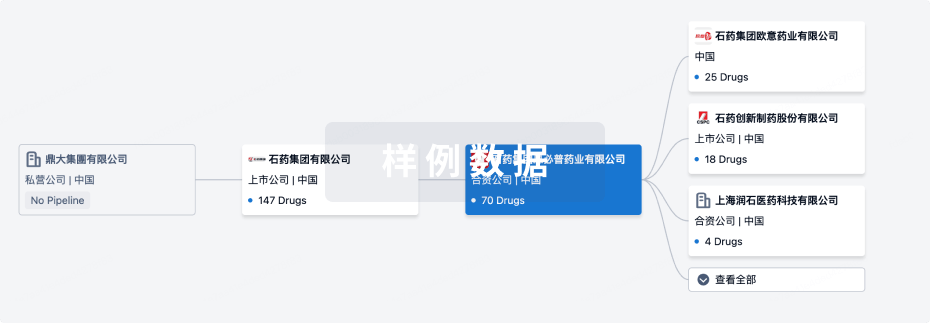
组织架构
使用我们的机构树数据加速您的研究。
登录
或
管线布局
2026年10月10日管线快照
管线布局中药物为当前组织机构及其子机构作为药物机构进行统计,早期临床1期并入临床1期,临床1/2期并入临床2期,临床2/3期并入临床3期
临床前
1
12
其他
登录后查看更多信息
当前项目
登录后查看更多信息
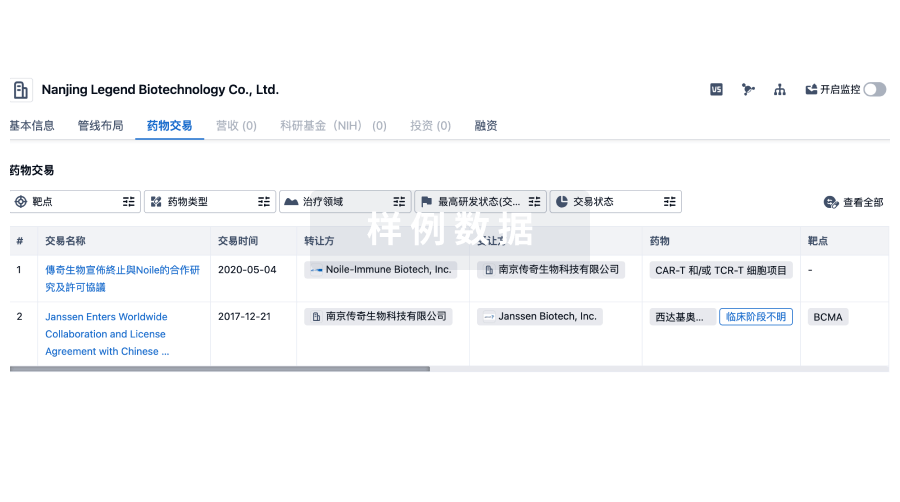
药物交易
使用我们的药物交易数据加速您的研究。
登录
或
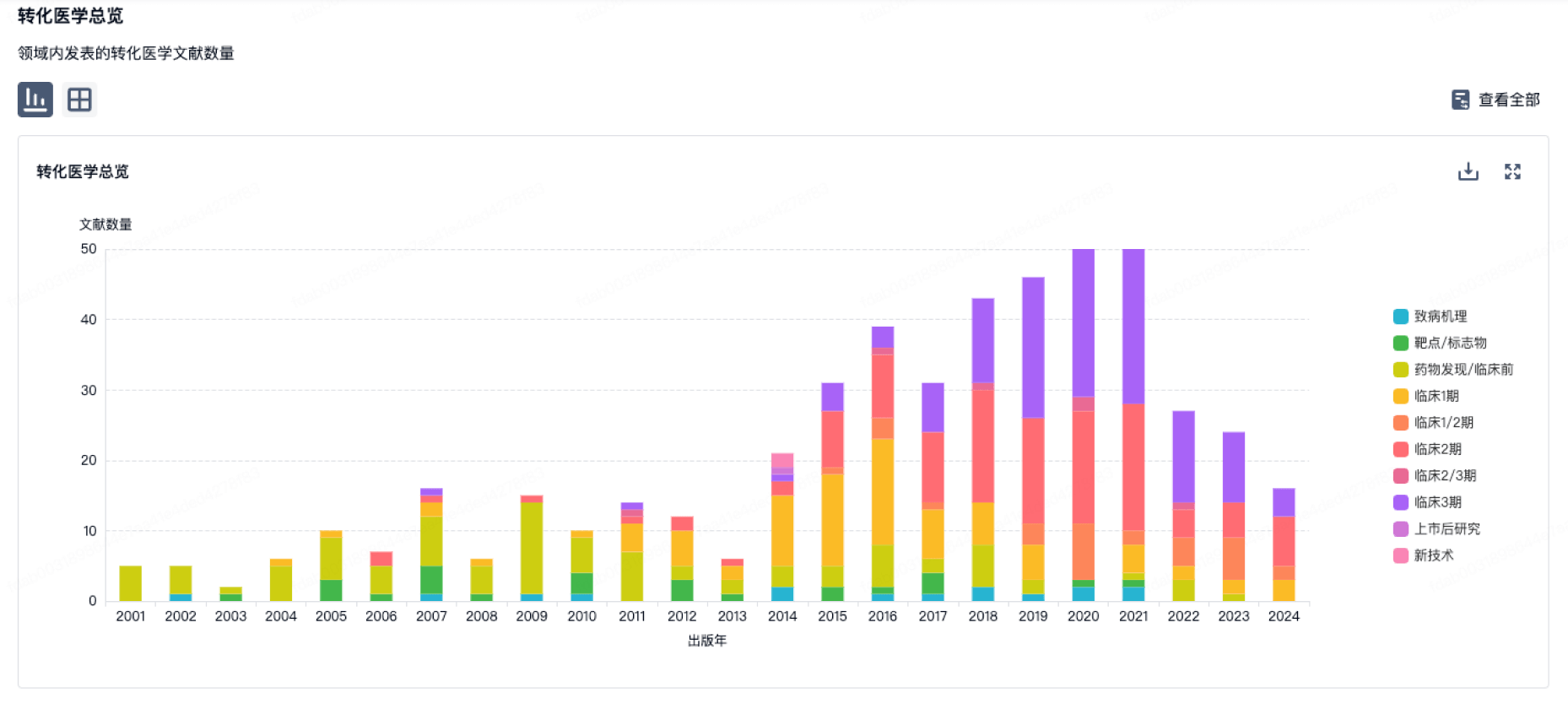
转化医学
使用我们的转化医学数据加速您的研究。
登录
或
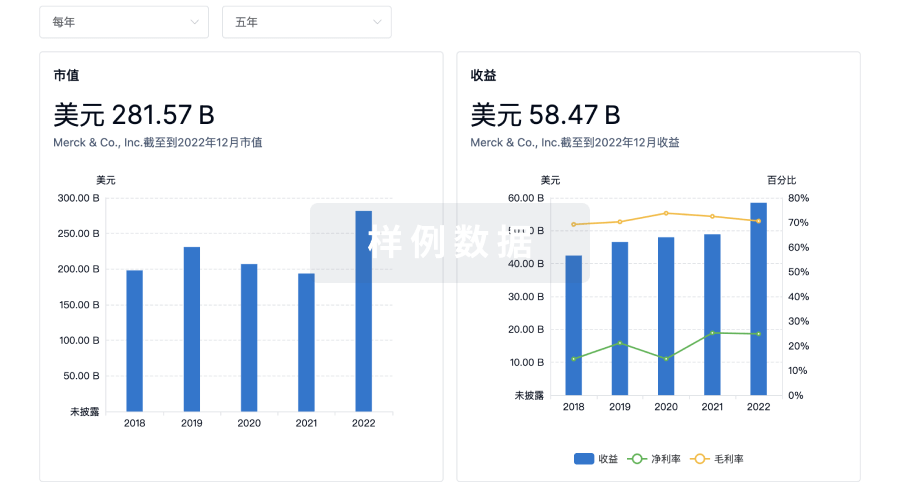
营收
使用 Synapse 探索超过 36 万个组织的财务状况。
登录
或
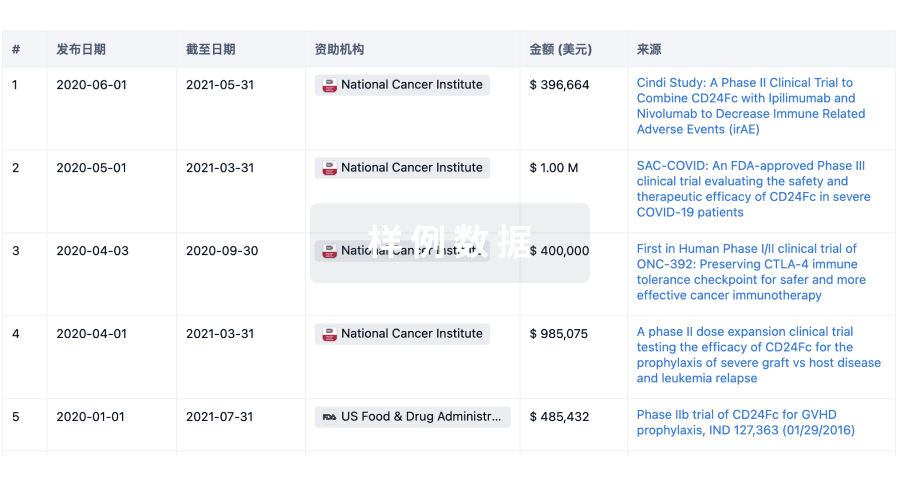
科研基金(NIH)
访问超过 200 万项资助和基金信息,以提升您的研究之旅。
登录
或
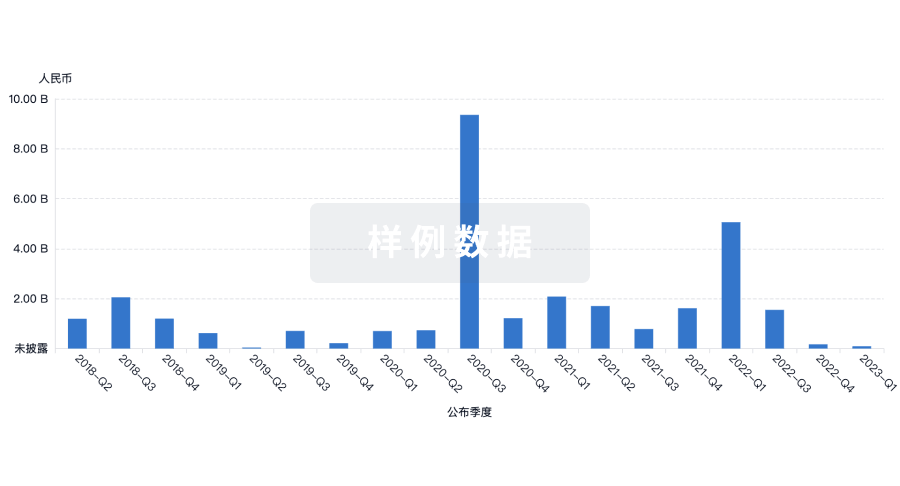
投资
深入了解从初创企业到成熟企业的最新公司投资动态。
登录
或
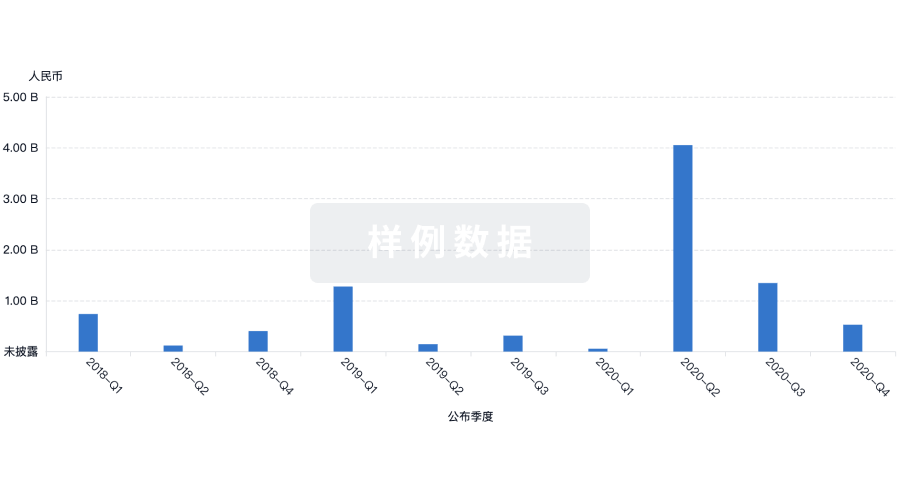
融资
发掘融资趋势以验证和推进您的投资机会。
登录
或
提出任何生物医药研究问题
让每一步生物医药决策都精准制胜
基于十亿级生物数据与全球情报的精准 AI,赋能早期药物发现
立即开始免费试用!
智慧芽新药情报库是智慧芽专为生命科学人士构建的基于AI的创新药情报平台,助您全方位提升您的研发与决策效率。
立即接入生物医药数据包
智慧芽新药库数据也通过智慧芽开放平台,以MCP或API服务形式对外开放。立即使用我们的MCP服务定制您的LLM智能体。
生物序列数据库
生物药研发创新
免费使用
化学结构数据库
小分子化药研发创新
免费使用