预约演示
更新于:2026-03-08

Hanoi Medical University
更新于:2026-03-08
概览
关联
NCT07396558
Efficacy of Intermittent Erector Spinae Plane Block Via Subcutaneous Port for Cancer-Related Pain in Patients With Lung Cancer
NCT07371481
Results of Soft Tissue Grafting Around Implant in the Mandible Molar Area
NCT07369648
Effects of Repetitive Transcranial Magnetic Stimulation Combined With Motor Rehabilitation on Motor and Functional Outcomes in Patients With Ischemic Stroke: A Randomized Sham-Controlled Trial
100 项与 Hanoi Medical University 相关的临床结果
登录后查看更多信息
登录后查看更多信息
2026-04-01Infectious Diseases Now
Temocillin for non-urinary tract infections caused by AmpC-producing Enterobacterales: Is it a feasible option?
Article
作者: Dinh, Aurélien ; Mamona-Kilu, Christel ; Farfour, Eric ; Hoang, Bui Hai
BACKGROUND:
Infections due to AmpC-producing Enterobacterales represent an increasing therapeutic challenge. Third-generation cephalosporins may select resistant mutants, inducing clinicians to use cefepime or carbapenems and thereby contributing to carbapenem resistance. While temocillin is a narrow-spectrum beta-lactam stable against AmpC enzymes, evidence of its impact in non-urinary tract infections remains limited.
METHODS:
We conducted a retrospective study of adult patients treated with temocillin for non-urinary tract infections caused by AmpC-producing Enterobacterales between 2016 and 2021. Clinical, microbiological and therapeutic data were collected. The primary outcome was treatment failure within twenty-eight days.
RESULTS:
Six patients were included, with a median age of sixty-one years; three required intensive care. Infection sites were digestive or respiratory. All patients had achieved clinical cure by day twenty-eight, without recurrence, infection-related mortality, or adverse events.
CONCLUSION:
Having led to favorable outcomes, temocillin may represent a carbapenem-sparing option when in vitro susceptibility is confirmed. These findings call for further evaluation in larger prospective clinical studies.
2026-03-01JOURNAL OF CRANIOFACIAL SURGERY
Clinical Outcomes of Bioresorbable Versus Titanium Fixation in Anterior Maxillary Segmental Osteotomy: A Randomized Clinical Trial
Article
作者: Hoang, Tuan-Anh ; Tran, Son Thiet ; Bui, Huu Phuoc ; Do, Tuan Ngoc ; Vu Thi, Dung
This study aims to compare the clinical outcomes of bioresorbable and titanium fixation systems used in anterior maxillary segmental osteotomy (AMSO) procedures, with a focus on skeletal stability, postoperative complications, and hardware-related morbidity. A prospective, randomized clinical trial was conducted on 50 patients undergoing AMSO. Participants were randomly assigned to 2 groups: bioresorbable fixation using poly-
L
-lactic acid/polyglycolic acid (PLLA/PGA) (n=15) and conventional titanium miniplates (n=35). Standardized panoramic and cephalometric radiographs were taken preoperatively and at 1 and 12 months postoperatively. Primary outcome measures included skeletal stability assessed by horizontal and vertical movement of the anterior maxillary segment. Secondary outcomes included postoperative infection, wound dehiscence, plate palpability, radiographic verification of correct segmental positioning, and the need for hardware removal. At 1 and 12 months, cephalometric radiographs in both groups demonstrated comparable skeletal stability, with no statistically significant differences in relapse rates. The incidence of infection and wound dehiscence was similar across groups. However, the titanium group had a significantly higher rate of hardware removal requests (8.6% vs. 0%,
P
< 0.05). No major adverse events were reported in either group. Bioresorbable fixation systems provide comparable skeletal stability to titanium plates in AMSO, while eliminating the need for secondary hardware removal. These findings support the selective use of bioresorbable fixation, particularly in patients for whom hardware removal is undesirable.
2026-03-01ARCHIVES OF PHYSICAL MEDICINE AND REHABILITATION
Validity, Test–Retest Reliability, and Learning Effect on the 1-Minute Sit-To-Stand Test in Individuals With Heart Failure
Article
作者: Truong, Hung Phi ; Deboeck, Gael ; Nguyen, Ngoc-Minh ; Reychler, Gregory ; Le, Hien Thi ; Ngo, Bich-Ly Thi
OBJECTIVE:
To evaluate the reliability, the minimally important difference (MID), and the learning effect of the 1-minute sit-to-stand test (1STST) in assessing functional exercise capacity in patients with heart failure (HF).
DESIGN:
A cross-sectional study.
SETTING:
Two hospitals.
PARTICIPANTS:
Patients with an HF (N=47) diagnosis by a cardiologist following the 2021 European Society of Cardiology HF guideline. Most participants were men (60%). Most participants had a normal body mass index (62%). All participants were classified as having New York Heart Association Functional Class II or III.
INTERVENTIONS:
Not applicable.
MAIN OUTCOME MEASURES:
Each patient performed a 6-minute walk test (6MWT) and 2 1STSTs on 2 occasions spaced 1 month apart. Test-retest reliability between occasions was evaluated using the intraclass correlation coefficient (ICC), Bland-Altman plot analysis, and linear regression. The MID was determined using a distribution-based method. To assess the learning effect, we conducted a paired t test comparing the 2 1STSTs on each occasion, and the magnitude of the learning effect was quantified using Cohen's d. The correlation between the 1STST and 6MWT was performed to confirm validity.
RESULTS:
The 1STST showed good test-retest reliability (ICC=0.98, P<.001) with good agreement between the 2 measurements, without proportional bias (P>.05). The MID was 1.1 repetitions. A learning effect of the 1STST was observed (P<.001) with a large effect size when repeated a month later (Cohen's d>0.8). The 1STST strongly correlated with the 6MWT (r=0.74, P=.01).
CONCLUSIONS:
The 1STST is a valid and reliable measure of functional exercise capacity in patients with HF. Because of the learning effect, this study recommended performing 2 trials to capture the true value.
100 项与 Hanoi Medical University 相关的药物交易
登录后查看更多信息
100 项与 Hanoi Medical University 相关的转化医学
登录后查看更多信息
组织架构
使用我们的机构树数据加速您的研究。
登录
或
管线布局
2026年10月14日管线快照
无数据报导
登录后保持更新
药物交易
使用我们的药物交易数据加速您的研究。
登录
或
转化医学
使用我们的转化医学数据加速您的研究。
登录
或
营收
使用 Synapse 探索超过 36 万个组织的财务状况。
登录
或
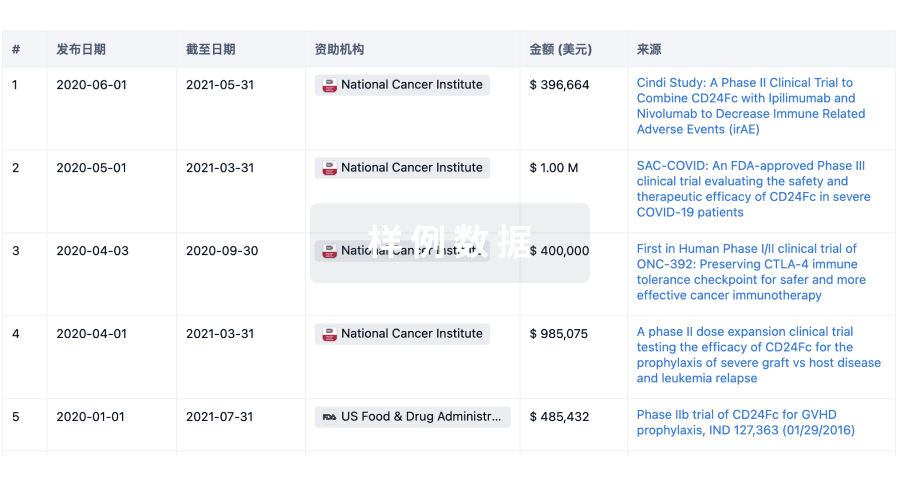
科研基金(NIH)
访问超过 200 万项资助和基金信息,以提升您的研究之旅。
登录
或
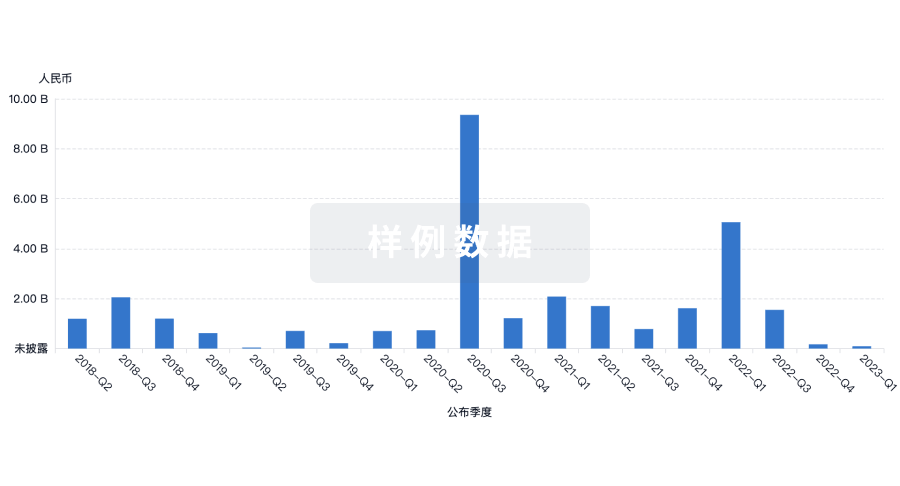
投资
深入了解从初创企业到成熟企业的最新公司投资动态。
登录
或
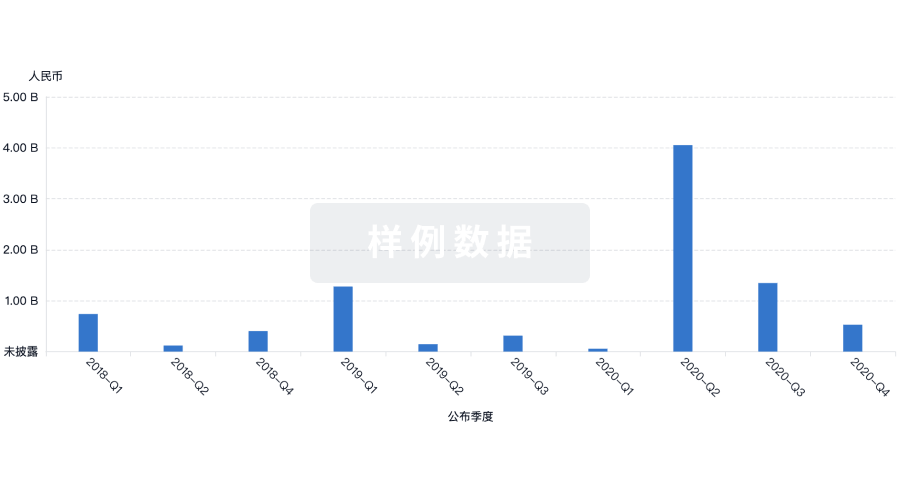
融资
发掘融资趋势以验证和推进您的投资机会。
登录
或
提出任何生物医药研究问题
让每一步生物医药决策都精准制胜
基于十亿级生物数据与全球情报的精准 AI,赋能早期药物发现
立即开始免费试用!
智慧芽新药情报库是智慧芽专为生命科学人士构建的基于AI的创新药情报平台,助您全方位提升您的研发与决策效率。
立即接入生物医药数据包
智慧芽新药库数据也通过智慧芽开放平台,以MCP或API服务形式对外开放。立即使用我们的MCP服务定制您的LLM智能体。
生物序列数据库
生物药研发创新
免费使用
化学结构数据库
小分子化药研发创新
免费使用