预约演示
更新于:2025-05-07

SYNLAB Holding Deutschland GmbH
更新于:2025-05-07
概览
关联
NCT06507787
Evaluation of the Impact of the EDIT-B® Blood Test on the Health Status of Patients Presenting a Major Depressive Episode. Clinical Utility and Medico-Economic Aspects

NCT05074017
COVAG Study - Covid-19 Antigen Study
100 项与 SYNLAB Holding Deutschland GmbH 相关的临床结果
登录后查看更多信息
登录后查看更多信息
2025-05-26Clinical Chemistry and Laboratory Medicine (CCLM)
Evaluation of current indirect methods for measuring LDL-cholesterol
Article
作者: Samani, Nilesh J. ; Kassner, Ursula ; Hollstein, Tim ; März, Winfried ; Dressel, Alexander ; Braund, Peter S. ; Scharnagl, Hubert ; Drobnik, Wolfgang ; Nelson, Christopher P. ; Drobnik, Sophia
2025-04-15American Journal of Hypertension
Central vs. Brachial Blood Pressure and Pulse Pressure Amplification for Mortality Risk Prediction in Patients Undergoing Coronary Angiography
Article
作者: Stach, Ksenija ; Yazdani, Babak ; Krämer, Bernhard K ; Krüger, Bernd ; März, Winfried ; Niessner, Alexander ; Kleber, Marcus E ; Yücel, Gökhan ; Ayasse, Niklas ; Daschner, Clara ; Husain-Syed, Faeq
2025-04-08Clinical Kidney Journal
Troponin I is an independent predictor of cardiovascular events and mortality in haemodialysis patients
作者: Scharnagl, Hubert ; Westerlund, Magnus E ; Fellström, Bengt ; Girerd, Nicolas ; Rossignol, Patrick ; Eriksson, Niclas ; Duarte, Kevin ; Krämer, Bernhard K ; Svensson, Maria K ; Soveri, Inga ; Tydén, Maria ; Zannad, Faiez ; März, Winfried
100 项与 SYNLAB Holding Deutschland GmbH 相关的药物交易
登录后查看更多信息
100 项与 SYNLAB Holding Deutschland GmbH 相关的转化医学
登录后查看更多信息
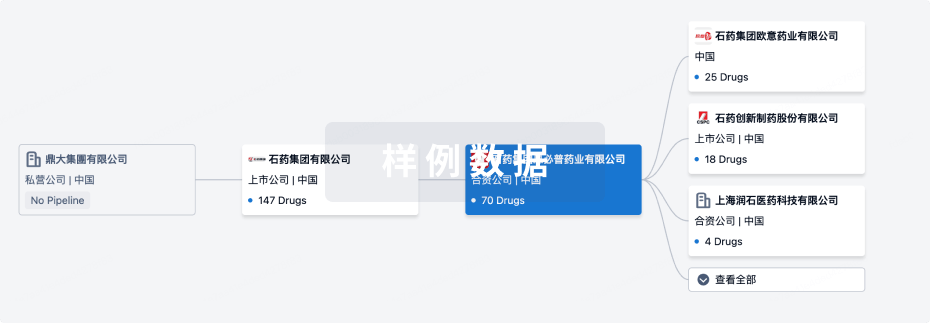
组织架构
使用我们的机构树数据加速您的研究。
登录
或
管线布局
2026年02月08日管线快照
无数据报导
登录后保持更新
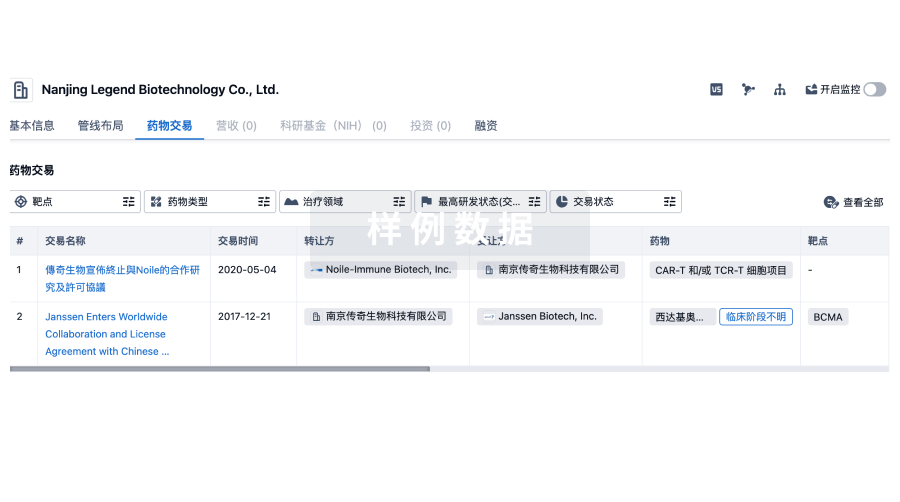
药物交易
使用我们的药物交易数据加速您的研究。
登录
或
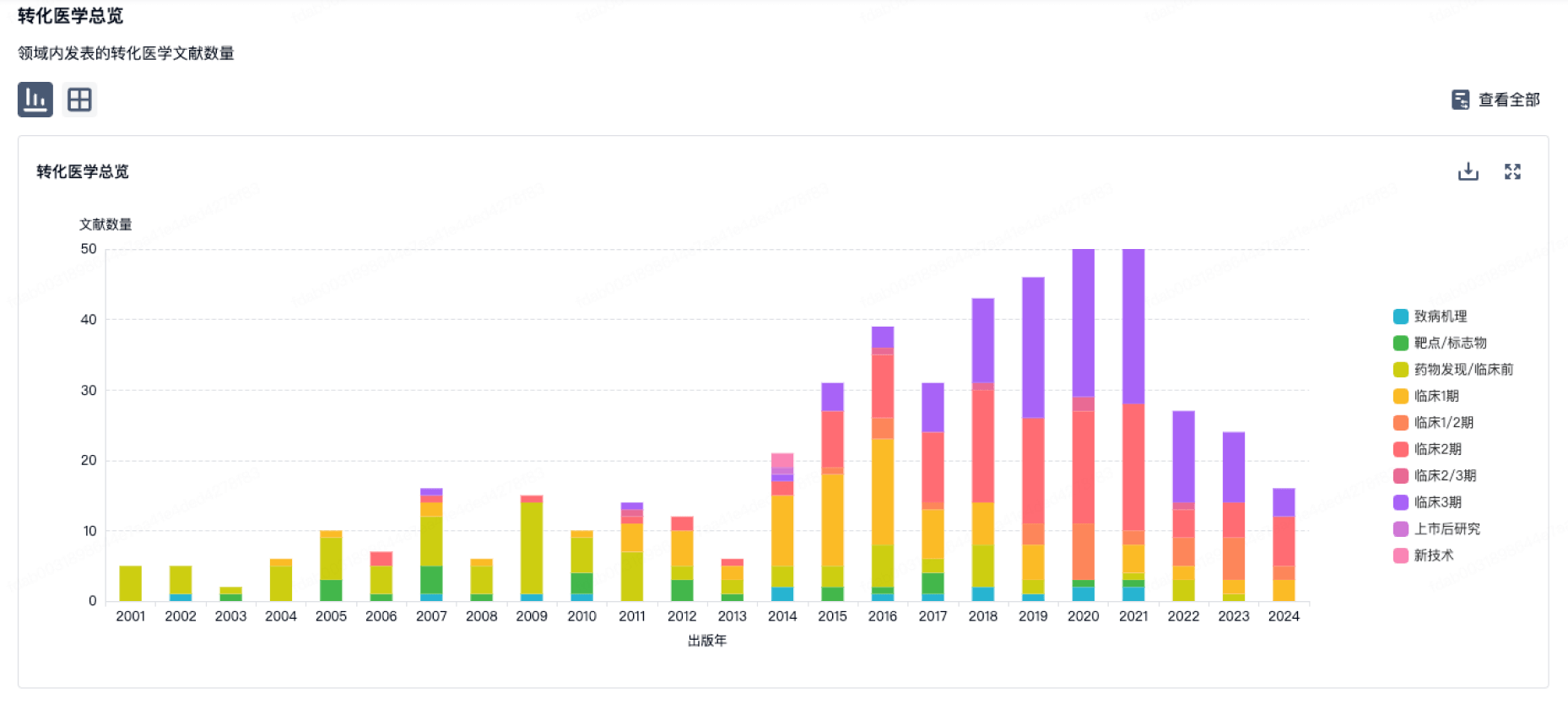
转化医学
使用我们的转化医学数据加速您的研究。
登录
或
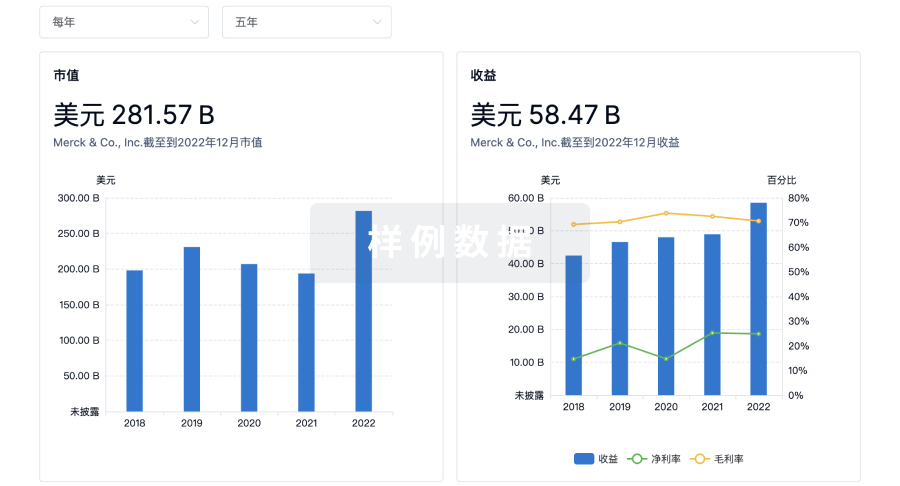
营收
使用 Synapse 探索超过 36 万个组织的财务状况。
登录
或
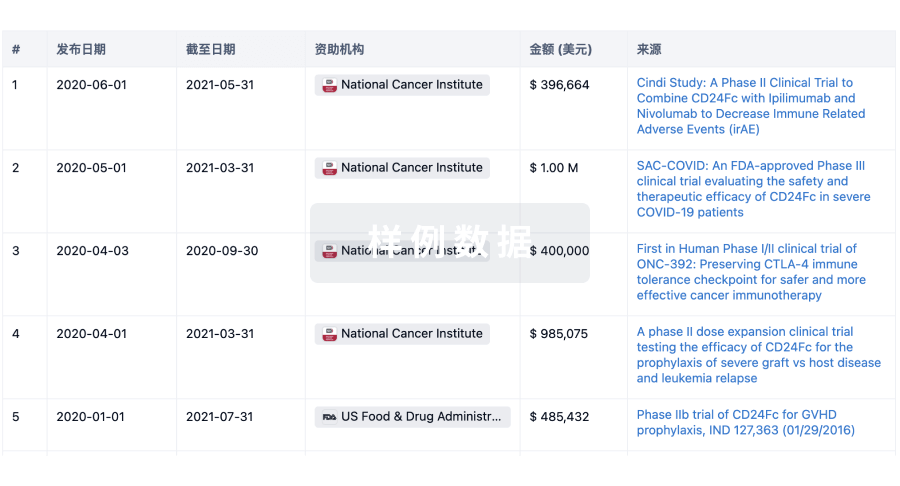
科研基金(NIH)
访问超过 200 万项资助和基金信息,以提升您的研究之旅。
登录
或
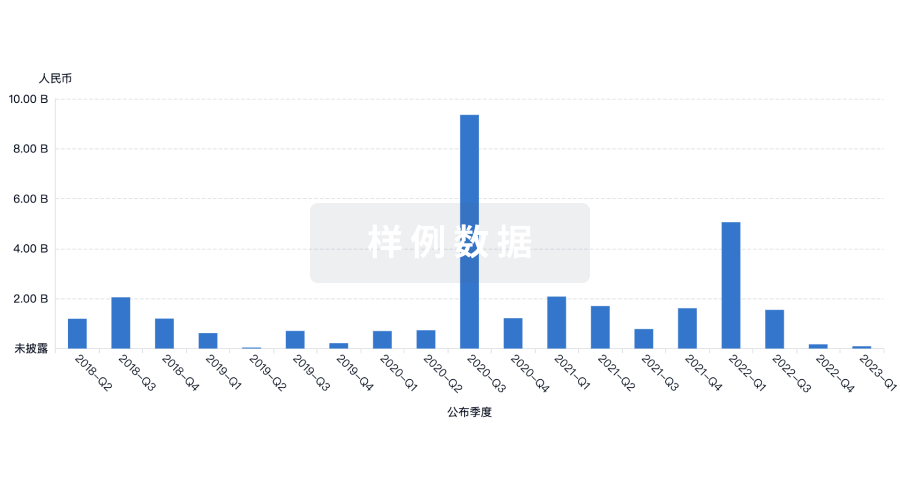
投资
深入了解从初创企业到成熟企业的最新公司投资动态。
登录
或
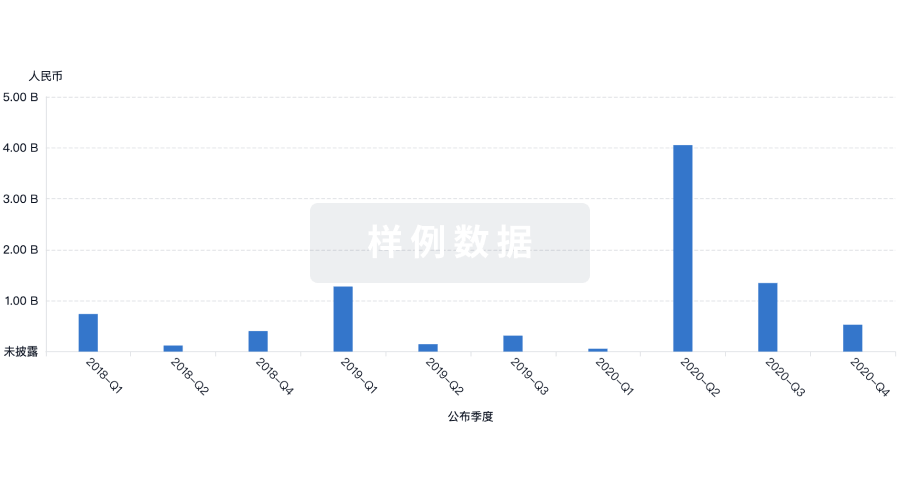
融资
发掘融资趋势以验证和推进您的投资机会。
登录
或
生物医药百科问答
全新生物医药AI Agent 覆盖科研全链路,让突破性发现快人一步
立即开始免费试用!
智慧芽新药情报库是智慧芽专为生命科学人士构建的基于AI的创新药情报平台,助您全方位提升您的研发与决策效率。
立即开始数据试用!
智慧芽新药库数据也通过智慧芽数据服务平台,以API或者数据包形式对外开放,助您更加充分利用智慧芽新药情报信息。
生物序列数据库
生物药研发创新
免费使用
化学结构数据库
小分子化药研发创新
免费使用