预约演示
更新于:2026-02-02

Elekta AB
更新于:2026-02-02
概览
关联
NCT06712745
Feasibility Study of Personalized Ultra-fractionated Stereotactic Ablative Radiotherapy (PULSAR) for Cancers of the Central Lung

NCT06638541
Dose dE-eScalaTion IN prostATe radIOtherapy usiNg an MR-Linac in 2 Fractions - a Randomised Trial
NCT06130280
Ablative Dose Single Fraction MRguided Colorectal Liver Metastasis SBRT

100 项与 Elekta AB 相关的临床结果
登录后查看更多信息
登录后查看更多信息
2025-03-16PHYSICS IN MEDICINE AND BIOLOGY
IPEM code of practice for proton therapy dosimetry based on the NPL primary standard proton calorimeter calibration service
Article
作者: Van Den Heuvel, Frank ; Fiorini, Francesca ; Green, Stuart ; Palmans, Hugo ; Pettingell, John ; Souza, Derek D' ; Amos, Richard A ; Lourenço, Ana ; Thomas, Russell ; Lee, Nigel ; Kacperek, Andrzej ; Mackay, Ranald
Abstract:
Internationally, reference dosimetry for clinical proton beams largely follows the guidelines published by the International Atomic Energy Agency (IAEA TRS-398 Rev. 1 (2024). This approach yields a relative standard uncertainty of 1.7% (k = 1) on the absorbed dose to water determined under reference conditions. The new IPEM code of practice presented here, enables the relative standard uncertainty on the absorbed dose to water measured under reference conditions to be reduced to 1.0% (k = 1). This improvement is based on the absorbed dose to water calibration service for proton beams provided by the National Physical Laboratory (NPL), the UK’s primary standards laboratory. This significantly reduced uncertainty is achieved through the use of a primary standard level graphite calorimeter to derive absorbed dose to water directly in the clinical department’s beam. This eliminates the need for beam quality correction factors (k Q , Q 0
2025-01-19PHYSICS IN MEDICINE AND BIOLOGY
On the correction factors for small field dosimetry in 1.5T MR-linacs
Article
作者: Iosif, Andreas ; Koutsouveli, Efi ; Karaiskos, Pantelis ; Margaroni, Vasiliki ; Episkopakis, Anastasios ; Pappas, Eleftherios P
Abstract:
Objective. Clinical dosimetry in the presence of a 1.5 T magnetic field is challenging, let alone in case small fields are involved. The scope of this study is to determine a set of relevant correction factors for a variety of MR-compatible detectors with emphasis on small fields. Two dosimetry formalisms adopted from the literature are considered. Approach. Six small-cavity ionization chambers (from three manufacturers), four active solid-state detectors and a thermoluminescence dosimeter microcube were modeled in the EGSnrc Monte Carlo code. Phase space files for field sizes down to 1 × 1 cm2 of the Unity 1.5 T/7 MV MR-linac (Elekta, UK) were used as source models. Simulations were performed to calculate the k Q B , Q f B , f k B , Q k Q msr B , f msr k Q clin , Q msr B , f clin , f msr k Q B , Q f B , f k Q B , Q f B , f k Q clin , Q msr B , f clin , f msr
2024-11-01Brachytherapy
Gynecological brachytherapy hybrid training: The Tata Memorial Centre and BrachyAcademy experience
Article
作者: Chopra, Supriya ; Tanderup, Kari ; Jain, Jeevanshu ; Gupta, Ankita ; Dizendorf, Elena ; Panda, Subhajit ; Upreti, Ritu Raj ; Bhavke, Akshay ; Nout, Remi ; Sturdza, Alina ; Tharavichitkul, Ekkasit ; Tatli, Hamza ; Agarwal, Jai Prakash ; Chargari, Cyrus ; Mittal, Prachi ; Kohle, Satish ; Ghadi, Yogesh ; Bhajbhuje, Rajesh ; Jeeva, Meenakshi
PURPOSE:
The lack of training is a significant barrier to practicing brachytherapy (BT). Tata Memorial Centre, alongside international BT experts and BrachyAcademy, developed a hybrid gynecological BT training module. This study outlines the preparation, organization, and execution of the 2022-2023 Mumbai training, evaluates its effectiveness, and highlights areas for improvement.
MATERIALS AND METHODS:
Participants were radiation oncologists (RO) and medical physicists (MP) with experience in gynecological BT aiming to transition to image-guided brachytherapy (IGBT). The training covered cervical, endometrial, vaginal, vulvar, periurethral cancers, and pelvic reirradiation. The hybrid course included online pre and postcourse homework assignments, a live workshop with hands-on training, a 6-month online follow-up, and a 12-month opportunity to share the transition experience.
RESULTS:
The December 2022 Mumbai live workshop spanned 2.5 days, attracting 39 participants from 8 countries (Asia, Africa, Australia/Oceania). Feedback rated the course 9/10, with 78% fully meeting expectations. Forty-four percent suggested extending hands-on training. At the 6-month follow-up, response rates were low (33% RO, 11% MP). Among responding RO, 70% reported practice changes after attending the course, 40% implemented IGBT concepts in clinical practice, and 50% increased confidence in image-guided procedures. Overall, 45% of respondent sites could strengthen their intracavitary/interstitial program, while others faced limitations due to lack of access to advanced BT applicators.
CONCLUSION:
The hybrid gynecological BT training concept was successfully executed. Areas for improvement include extending hands-on training and enhancing participant engagement postcourse. Structured steps beyond training may be needed to improve the utilization of advanced brachytherapy for gynecological cancers.
2025-12-29
·今日头条
免疫疗法上市批准
100 项与 Elekta AB 相关的药物交易
登录后查看更多信息
100 项与 Elekta AB 相关的转化医学
登录后查看更多信息
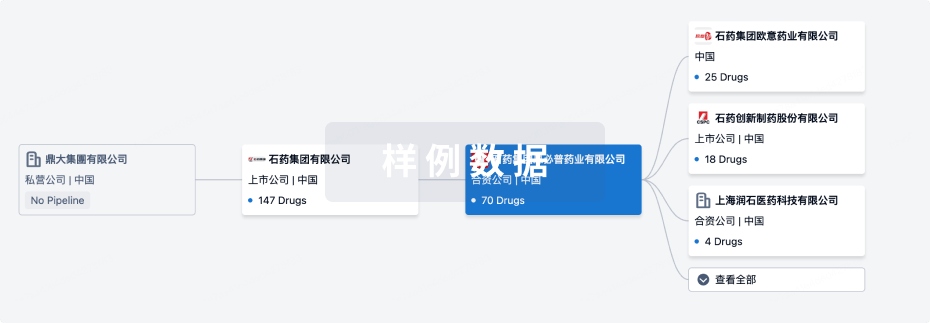
组织架构
使用我们的机构树数据加速您的研究。
登录
或
管线布局
2026年06月08日管线快照
无数据报导
登录后保持更新
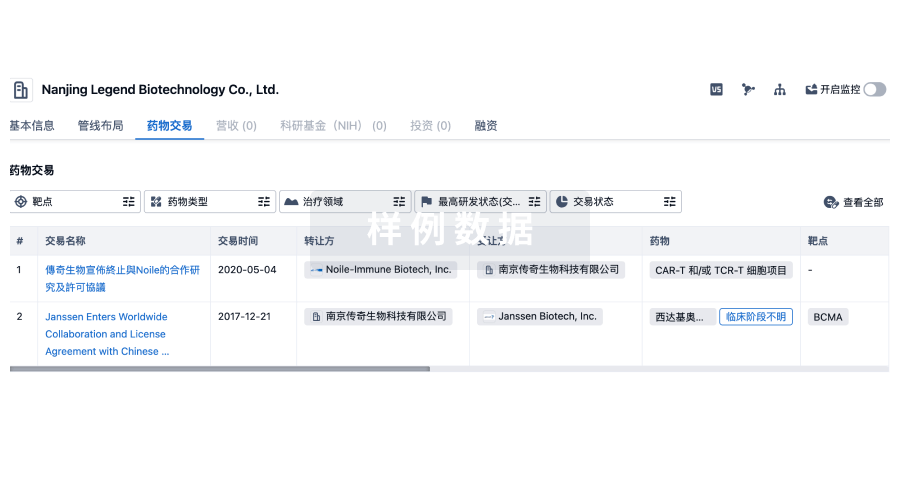
药物交易
使用我们的药物交易数据加速您的研究。
登录
或
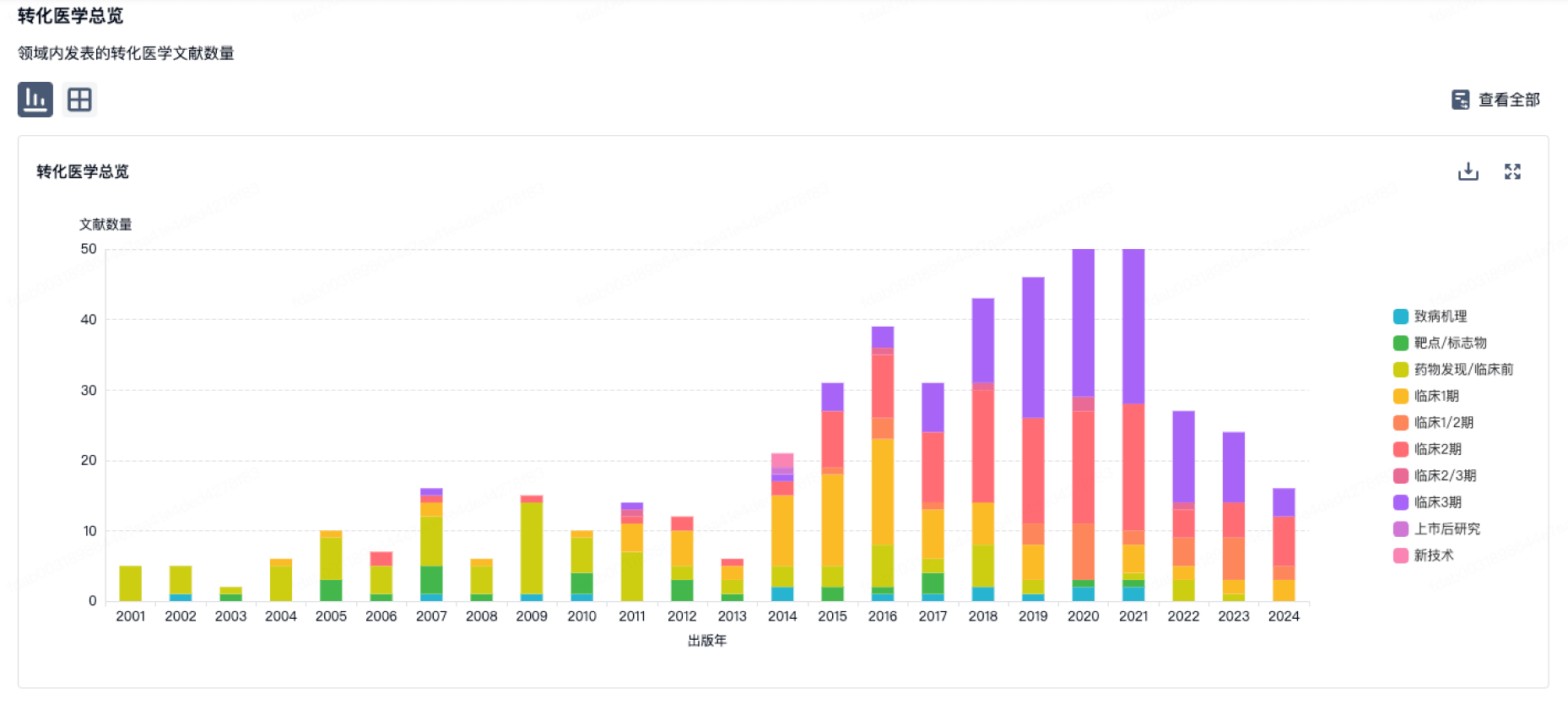
转化医学
使用我们的转化医学数据加速您的研究。
登录
或
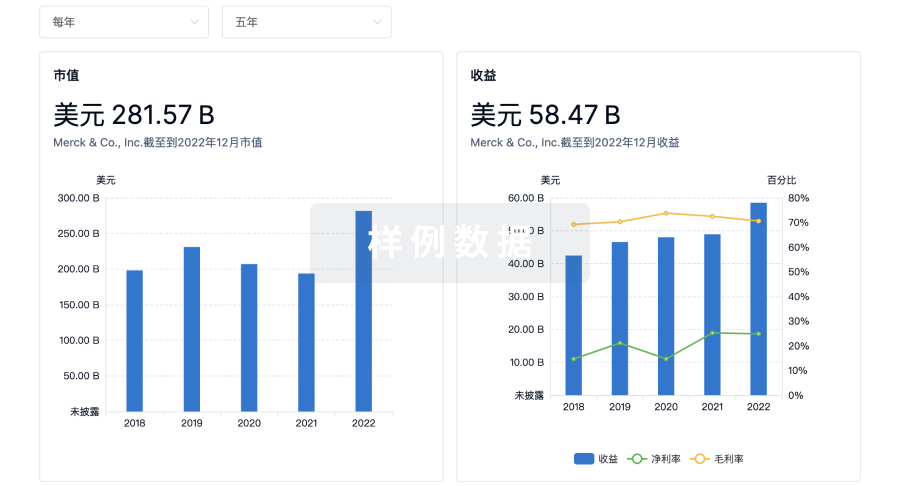
营收
使用 Synapse 探索超过 36 万个组织的财务状况。
登录
或
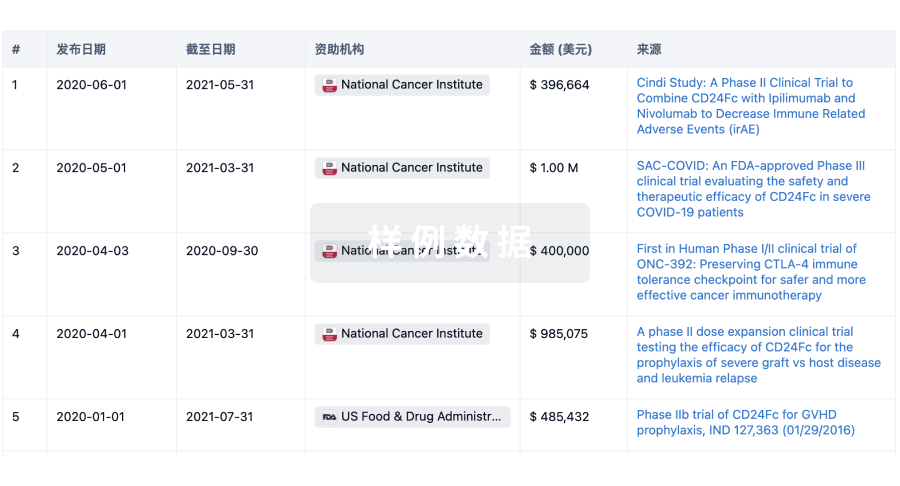
科研基金(NIH)
访问超过 200 万项资助和基金信息,以提升您的研究之旅。
登录
或
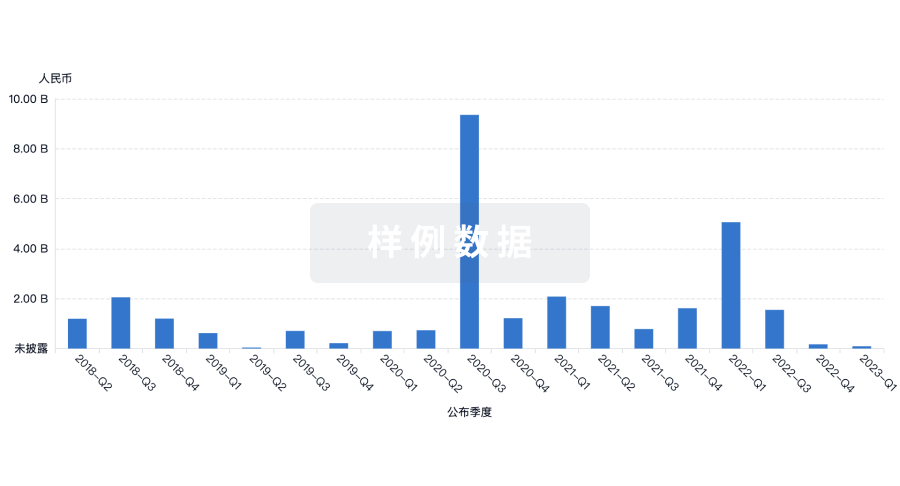
投资
深入了解从初创企业到成熟企业的最新公司投资动态。
登录
或
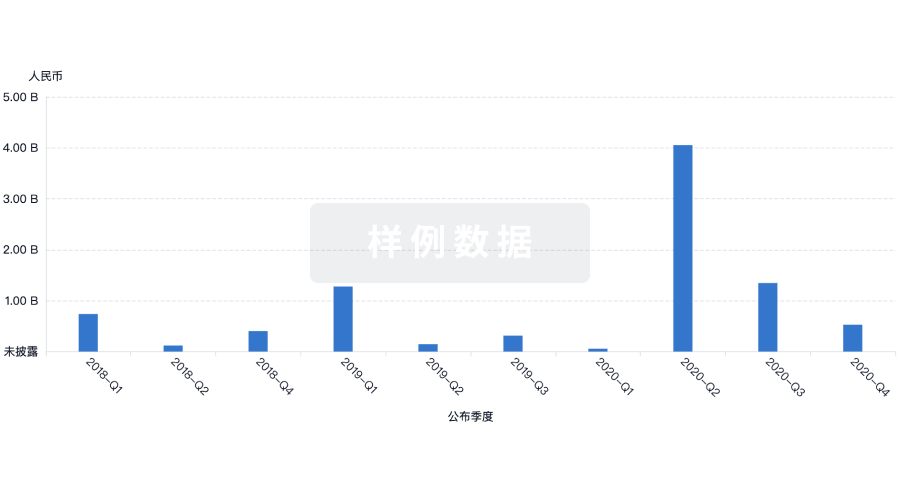
融资
发掘融资趋势以验证和推进您的投资机会。
登录
或
生物医药百科问答
全新生物医药AI Agent 覆盖科研全链路,让突破性发现快人一步
立即开始免费试用!
智慧芽新药情报库是智慧芽专为生命科学人士构建的基于AI的创新药情报平台,助您全方位提升您的研发与决策效率。
立即开始数据试用!
智慧芽新药库数据也通过智慧芽数据服务平台,以API或者数据包形式对外开放,助您更加充分利用智慧芽新药情报信息。
生物序列数据库
生物药研发创新
免费使用
化学结构数据库
小分子化药研发创新
免费使用