预约演示
更新于:2026-03-12

Henan Agricultural University
更新于:2026-03-12
概览
标签
感染
神经系统疾病
肿瘤
小分子化药
重组蛋白
合成多肽
疾病领域得分
一眼洞穿机构专注的疾病领域

技术平台
公司药物应用最多的技术
靶点
公司最常开发的靶点
关联
靶点 |
作用机制 |
在研机构 |
原研机构 |
在研适应症 |
非在研适应症 |
最高研发阶段 |
首次获批国家/地区 |
首次获批日期 |
靶点 |
作用机制 |
在研机构 |
原研机构 |
在研适应症 |
非在研适应症 |
最高研发阶段 |
首次获批国家/地区 |
首次获批日期 |
CN118459555
专利挖掘靶点 |
作用机制 |
在研机构 |
原研机构 |
在研适应症 |
非在研适应症 |
最高研发阶段 |
首次获批国家/地区 |
首次获批日期 |
100 项与 河南农业大学 相关的临床结果
登录后查看更多信息
登录后查看更多信息
2026-05-01ADVANCES IN COLLOID AND INTERFACE SCIENCE
Latest advancements of proton-conductive covalent organic frameworks and related membranes over the past five years
Review
作者: Xie, Li-Xia ; Yuan, Zheng-Lun ; Liu, Rui-Lan ; Li, Zi-Feng ; Li, Gang
Covalent organic frameworks (COFs) are an up-and-coming class of porous functional materials featuring well-defined crystalline structures, high porosity, and large surface areas. Proton-conductive COFs have recently elicited extensive attention due to their promising applications in fuel cells, supercapacitors, and sensors. This review systematically covers the latest five-year progress of proton-conductive COFs, categorized by connection bond types (CN, CN, CC, CO) and conduction environments (hydrous and anhydrous). It focuses on their synthesis methods, proton conduction mechanisms, and applications. By highlighting the significant achievements and current challenges in this field, this review intends to provide insights for future research directions and the development of more efficient proton-conducting COF materials.
2026-05-01ANALYTICAL BIOCHEMISTRY
Dual-strategy qMSP reference optimization for Low-DNA clinical specimens
Article
作者: Chen, Ling ; Zhang, Shan ; Tang, Yixuan ; Jiang, Jiahui
Detecting tumor DNA methylation in low DNA concentration samples at high qualification rates is a significant challenge in translating and conducting regulatory trials for tumor methylation detection kits. Existing internal reference systems frequently malfunction, resulting in the mislabelling of valuable clinical specimens as unusable. We developed a two-part framework for improving reference primer-probe sets, by combining a systematic improvement of existing ACTB assays with new primer designs that target previously unexplored, CpG-free genomic areas. A three-stage screening process involving SYBR Green qPCR, TaqMan probe-based qPCR, and validation across different biological samples led to the identification of two superior primer sets: an optimized combination (bisACTB_103_F2+R2+P2) and a novel set (bisProAB1_F2+R2+P1). Exhibited enhanced amplification efficiency and specificity in cell lines, tissues, blood cells, and plasma were observed in both. Notably, bisProAB1_F2+R2+P1 considerably enhanced amplification efficiency in low-concentration plasma cell-free DNA, resulting in a nearly 5 % increase in the detection success rate within a large clinical study group and allowing for reliable analysis of minimal-input samples. This work offers verified, high-performance reference systems to boost the reliability of DNA methylation-based diagnostics and make the most of precious biospecimens.
2026-04-01POULTRY SCIENCE
Improvement of cryopreserved rooster semen quality by combined application of DMF and ZnO NPs
Article
作者: Gao, Hangran ; Liu, Huayuan ; Wang, Mengyao ; Kang, Xiangtao ; Liu, Pingquan ; Li, Wenting ; Sun, Guirong ; Xu, Mingzhen ; Liu, Jianing ; Li, Zhunan ; Liang, Wenjie
Semen cryopreservation represents a pivotal technology for the long-term conservation and efficient utilization of poultry genetic resources. The primary challenge impeding the implementation of this technology pertains to the phenomenon of frozen-thaw-induced oxidative stress damage to spermatozoa. Zinc oxide nanoparticles (ZnO NPs) have been demonstrated to exhibit remarkable antioxidant capacity within the context of biomedical applications. The present study therefore systematically evaluated the effects of adding ZnO NPs to a dimethylformamide (DMF) cryoprotectant on the morphology, antioxidant capacity, and reproductive potential of frozen-thawed sperm. The results demonstrated that, in comparison with the DMF group, the ZnO-DMF group exhibited significantly increased plasma membrane integrity, mitochondrial activity (MA), total antioxidant capacity (TAC), and glutathione peroxidase (GPX) and glutathione reductase (GR) activity in frozen-thawed sperm (P < 0.05). Concurrently, the rates of abnormal morphology, DNA fragmentation index (DFI), and malondialdehyde (MDA) content were significantly reduced (P < 0.05). Following artificial insemination, the fertilization rate of the experimental group 87.92% ± 10.66, the hatching rate was 97.79% ± 3.59, and late embryonic mortality was found to be significantly lower than in the control group (P < 0.05). In summary, the study demonstrates that ZnO NPs enhance sperm antioxidant capacity and exhibit synergistic protective effects with DMF, effectively mitigating cryopreservation-induced damage. This finding provides scientific rationale and technical support for the optimisation of rooster semen cryopreservation protocols and the enhancement of the efficiency of poultry genetic resource conservation.
100 项与 河南农业大学 相关的药物交易
登录后查看更多信息
100 项与 河南农业大学 相关的转化医学
登录后查看更多信息
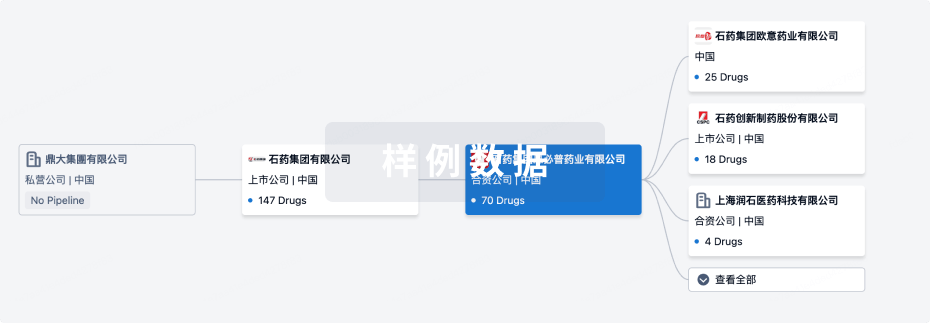
组织架构
使用我们的机构树数据加速您的研究。
登录
或
管线布局
2026年06月10日管线快照
管线布局中药物为当前组织机构及其子机构作为药物机构进行统计,早期临床1期并入临床1期,临床1/2期并入临床2期,临床2/3期并入临床3期
药物发现
4
2
临床前
登录后查看更多信息
当前项目
登录后查看更多信息
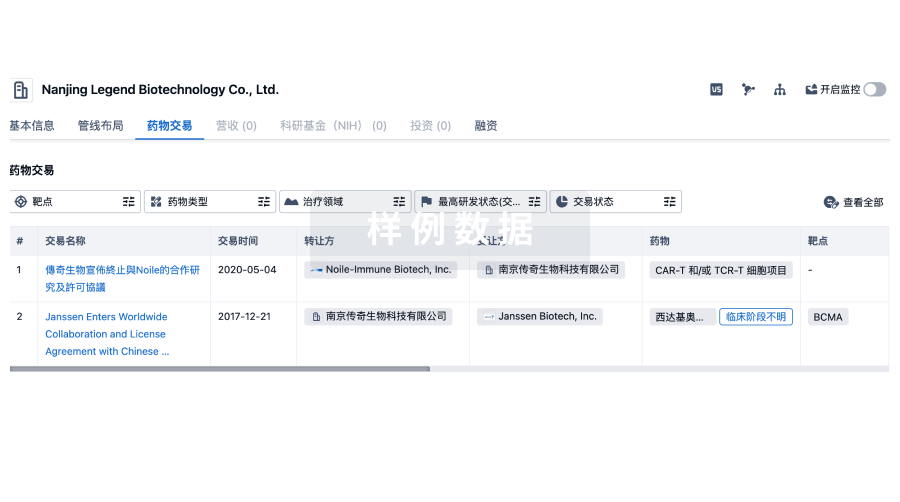
药物交易
使用我们的药物交易数据加速您的研究。
登录
或
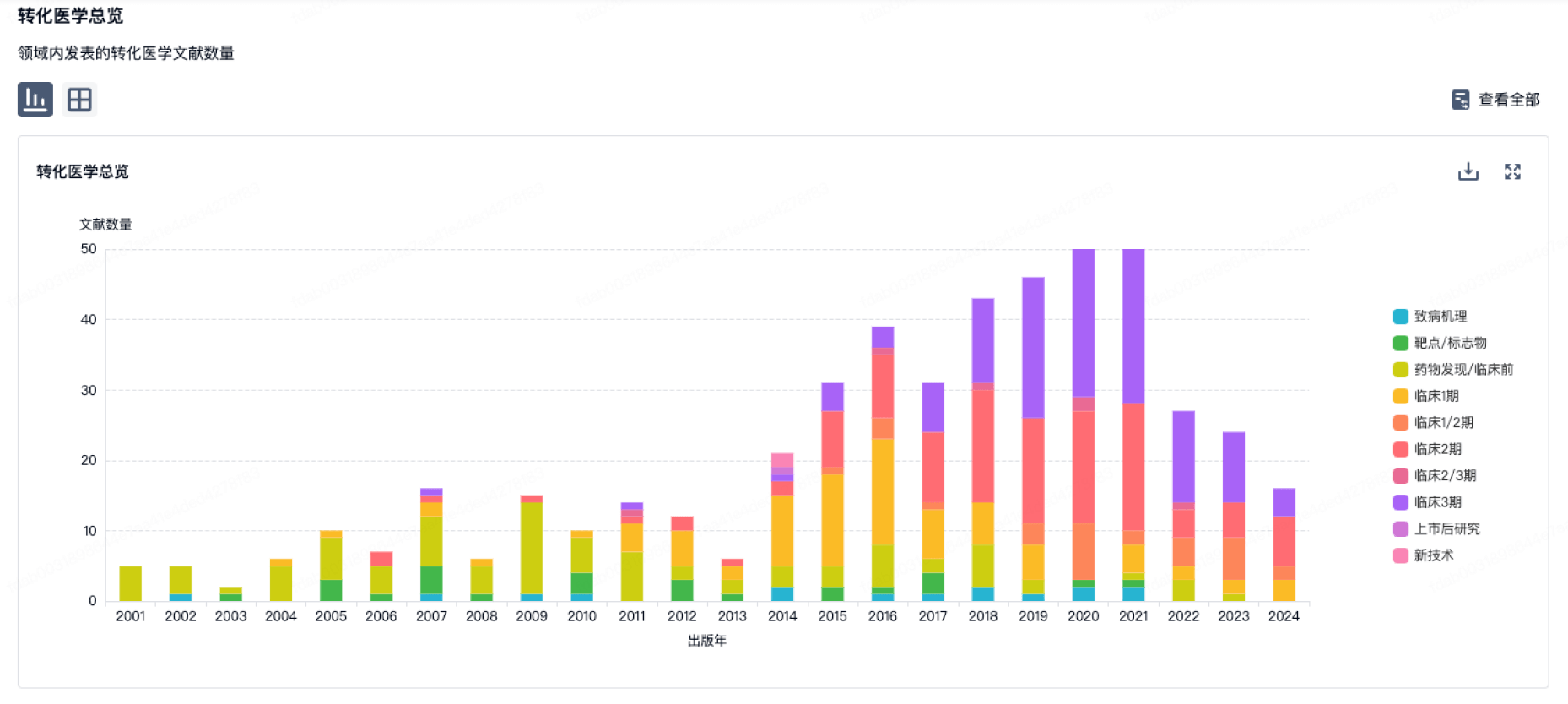
转化医学
使用我们的转化医学数据加速您的研究。
登录
或
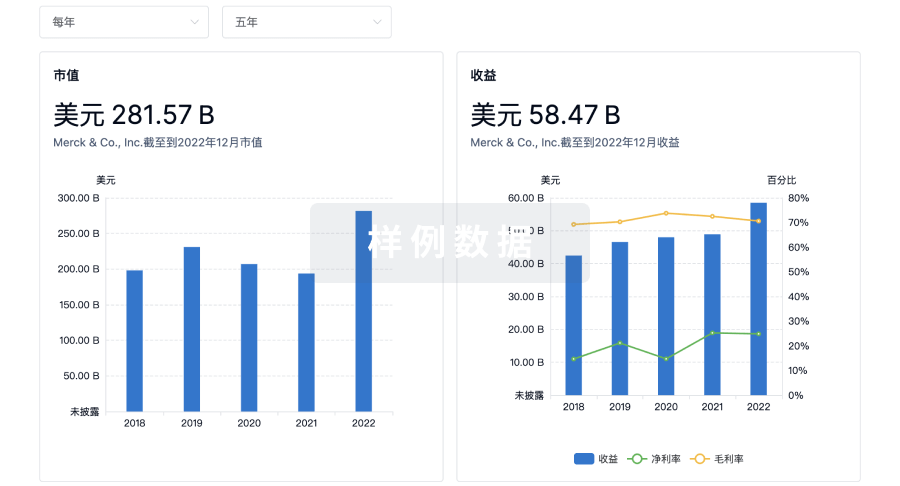
营收
使用 Synapse 探索超过 36 万个组织的财务状况。
登录
或
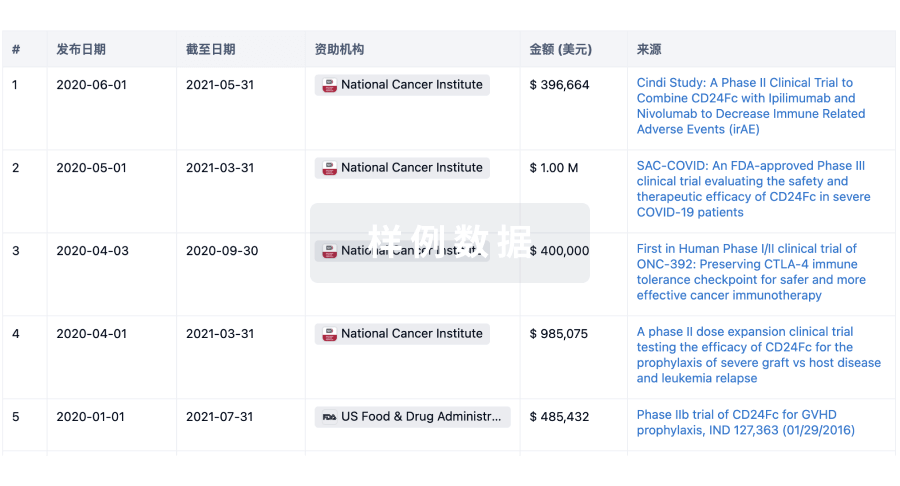
科研基金(NIH)
访问超过 200 万项资助和基金信息,以提升您的研究之旅。
登录
或
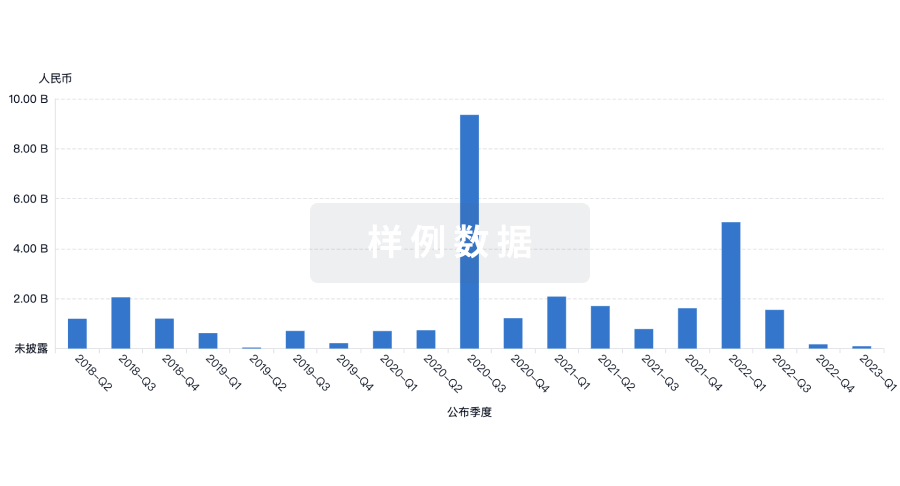
投资
深入了解从初创企业到成熟企业的最新公司投资动态。
登录
或
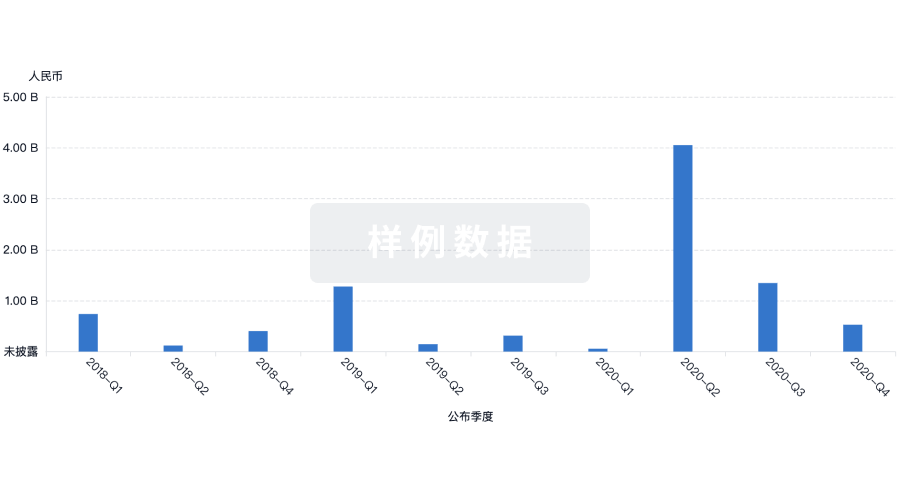
融资
发掘融资趋势以验证和推进您的投资机会。
登录
或
生物医药百科问答
全新生物医药AI Agent 覆盖科研全链路,让突破性发现快人一步
立即开始免费试用!
智慧芽新药情报库是智慧芽专为生命科学人士构建的基于AI的创新药情报平台,助您全方位提升您的研发与决策效率。
立即开始数据试用!
智慧芽新药库数据也通过智慧芽数据服务平台,以API或者数据包形式对外开放,助您更加充分利用智慧芽新药情报信息。
生物序列数据库
生物药研发创新
免费使用
化学结构数据库
小分子化药研发创新
免费使用