预约演示
更新于:2026-03-17

Dali University
更新于:2026-03-17
概览
标签
消化系统疾病
免疫系统疾病
肿瘤
小分子化药
中药
抗体
疾病领域得分
一眼洞穿机构专注的疾病领域

技术平台
公司药物应用最多的技术
靶点
公司最常开发的靶点
关联
靶点 |
作用机制 |
在研机构 |
原研机构 |
在研适应症 |
非在研适应症 |
最高研发阶段 |
首次获批国家/地区 |
首次获批日期 |
靶点 |
作用机制 |
在研机构 |
原研机构 |
在研适应症 |
非在研适应症 |
最高研发阶段 |
首次获批国家/地区 |
首次获批日期 |
靶点 |
作用机制 |
在研机构 |
原研机构 |
在研适应症 |
非在研适应症 |
最高研发阶段 |
首次获批国家/地区 |
首次获批日期 |
ChiCTR2500110132
Development and Evaluation of a Self-Management Promotion Program for Type 2 Diabetes Patients of the Bai Ethnicity in China
ChiCTR2200066436
Intervention of Mandatura painting therapy on self-esteem and rumination in adolescents with depression
ChiCTR2200057091
Application study of EMDR technology on the efficacy of social anxiety patients: a randomized controlled trial
100 项与 大理大学 相关的临床结果
登录后查看更多信息
登录后查看更多信息
2026-12-31ANNALS OF MEDICINE
Current research hotspots and difficulties of chronic prostatitis/chronic pelvic pain syndrome: neuroendocrine mechanism
Review
作者: Wan, Shui ; Shao, Bo ; Sun, Pingping ; Wu, Kaixiu ; Fan, Zhengkai ; Xiao, Li ; Pi, Jinbo ; Zuo, Yanggen ; Gao, Xingwu
BACKGROUND:
Chronic prostatitis/chronic pelvic pain syndrome (CP/CPPS) presents a significant clinical challenge in urology. Traditional pathophysiological models emphasize infection and local inflammation; however, the limited efficacy of conventional therapies suggests the involvement of deeper regulatory mechanisms.
METHODS:
This comprehensive review synthesizes evidence from the past five years regarding neuroendocrine pathways in CP/CPPS. We systematically analyzed literature from the PubMed, Web of Science, and CNKI databases, focusing on neuropeptide functions, hypothalamic-pituitary-adrenal (HPA) axis dysregulation, sympathetic nervous system (SNS) signaling, glial cell activation, and gut-prostate axis interactions.
RESULTS:
Neuroendocrine mechanisms significantly contribute to the pathophysiology of CP/CPPS through multiple pathways. Substance P and calcitonin gene-related peptide promote neurogenic inflammation, while B-type natriuretic peptide exhibits analgesic effects. Dysregulation of the HPA axis and sympathetic overactivation create stress-related imbalances. Central glial cell activation leads to central sensitization, and the emerging concept of the gut-prostate axis reveals bidirectional neuroendocrine-immune communication.
CONCLUSIONS:
CP/CPPS is a systemic condition involving complex neuro-endocrine-immune interactions. Therapeutic strategies targeting neuroendocrine mechanisms-including neuropeptide receptor antagonists, glial cell inhibitors, and neuromodulation techniques-offer promising directions for precision medicine. Future research should focus on multi-omics approaches and neuroendocrine-based patient classification for individualized treatment.
2026-12-31ANNALS OF MEDICINE
The retinoic acid-related orphan receptors (RORs) signaling axis in skeletal homeostasis: mechanistic insights and chronotherapeutic prospects
Review
作者: Lu, Mingyao ; Yang, Dayong ; Yue, Qiaoning ; Zhang, Zidan ; Zhang, Yi ; Liang, Xiaoyan ; Wei, Liangsheng ; Miao, Shaogang ; Zhang, Xiguang
BACKGROUND:
The global rise in aging populations has substantially increased the clinical and socioeconomic burden of osteoporosis (OP), a disorder characterized by impaired bone formation and excessive resorption. Disruption of circadian rhythmicity is increasingly recognized as a significant contributor to skeletal fragility and fracture risk. The retinoic acid-related orphan receptor (ROR) family-RORα, RORβ, and RORγ-integrates circadian regulation with immune and metabolic pathways essential to bone remodeling, presenting emerging therapeutic opportunities.
METHODS:
We systematically synthesized current evidence spanning four major dimensions of ROR biology relevant to skeletal physiology: (1) structural characteristics and ligand specificity, (2) subtype-dependent roles in bone homeostasis, (3) molecular and cellular regulatory mechanisms, and (4) translational progress and therapeutic potential, including chronopharmacological strategies.
RESULTS:
RORα/β/γ exhibit distinct ligand-binding architectures that confer subtype-specific transcriptional regulation, enabling coordinated control over osteoblast, osteoclast, and osteocyte activity. Functionally, RORα promotes osteogenesis and supports circadian transcriptional oscillation; RORβ acts as a transcriptional repressor limiting osteoblast differentiation; and RORγt mediates osteoimmune crosstalk via the IL-17 axis to modulate osteoclastogenesis. Preclinical studies demonstrate promising efficacy of ROR-directed agents-including agonists, inverse agonists, and isoform-selective inhibitors-and highlight the importance of circadian-aligned therapeutic administration.
CONCLUSIONS:
RORα, RORβ, and RORγ function as complementary regulators of bone homeostasis and represent compelling targets for precision therapeutics against OP and related skeletal disorders. Future research should prioritize defining spatiotemporal regulation within bone microenvironments, quantifying immune-mediated RORγt signaling, and optimizing chronopharmacological strategies to enable time-synchronized, subtype-selective interventions.
2026-06-01CURRENT DIABETES REVIEWS
Efficacy and Safety of IDegLira in Patients with Type 2 Diabetes Mellitus: A Systematic Review and Meta-analysis of Randomized Controlled Trials
Article
作者: Liu, Delong ; Yang, Zhiyong ; Zhang, Lina ; Bai, Lexie ; Su, Ning
Introduction::
Clinical trials indicate that IDegLira is effective in treating type 2 diabetes
mellitus (T2DM). This study aims to assess the efficacy and safety of IDegLira in type 2 diabetes
mellitus (T2DM) comprehensively.
Methods::
To identify relevant randomized controlled trials, we searched PubMed, Embase,
Cochrane Library, Web of Science, and ClinicalTrials.gov. Risk Ratios (RR) and 95% Confidence
Intervals (CI) were calculated using the Mantel-Haenszel approach for dichotomous outcomes.
Mean Difference (MD) and 95% CI calculated by the inverse variance approach were applied to
continuous outcomes.
Results::
Twelve randomized controlled trials involving 7628 participants were included in this
study. Compared with control groups, IDegLira has a significant hypoglycemic effect in reducing
hemoglobin A1c (MD = −0.66; 95% CI [−0.85, −0.47]; p < 0.00001), fasting plasma glucose (MD
= −0.90; 95% CI [−1.40, −0.41]; p = 0.0003), self-measured plasma glucose (MD = −0.82; 95%
CI [−1.22, −0.42]; p < 0.0001) and achieving the hemoglobin A1c level of < 7.0%(RR = 1.66;
95% CI [1.44, 1.92]; p < 0.00001) or < 6.5% (RR = 2.13; 95% CI [1.76, 2.57]; p < 0.00001).
IDegLira outperforms insulin in achieving the target of HbA1c < 7.0 or < 6.5% without hypoglycemia
and weight gain. Besides, IDegLira did not increase the incidence of adverse events and
serious adverse events.
Discussion::
In this section, IDegLira’s benefits on simultaneously achieving glycemic control,
weight loss, and reduced hypoglycemia risk were summarized. The statistical results were carefully
interpreted in conjunction with clinical concerns regarding T2DM complications, adverse effects,
and cost-effectiveness differences. An expanded discussion was conducted on integrating individualized
HbA1c goals as a dual endpoint, without increasing body weight or the risk of hypoglycemia.
Finally, the limitations of the present study are indicated.
Conclusions::
IDegLira exhibits a favorable glycemic control effect and acceptable adverse effects
in Type 2 Diabetes Mellitus (T2DM). Superior performance in the target glycemic control, particularly
suitable for T2DM patients who do not reach the target hemoglobin A1c and have comorbid
CVD or obesity.
2016-09-23
引进/卖出
2016-03-17
100 项与 大理大学 相关的药物交易
登录后查看更多信息
100 项与 大理大学 相关的转化医学
登录后查看更多信息
组织架构
使用我们的机构树数据加速您的研究。
登录
或
管线布局
2026年10月18日管线快照
管线布局中药物为当前组织机构及其子机构作为药物机构进行统计,早期临床1期并入临床1期,临床1/2期并入临床2期,临床2/3期并入临床3期
药物发现
4
5
临床前
登录后查看更多信息
当前项目
登录后查看更多信息
药物交易
使用我们的药物交易数据加速您的研究。
登录
或
转化医学
使用我们的转化医学数据加速您的研究。
登录
或
营收
使用 Synapse 探索超过 36 万个组织的财务状况。
登录
或
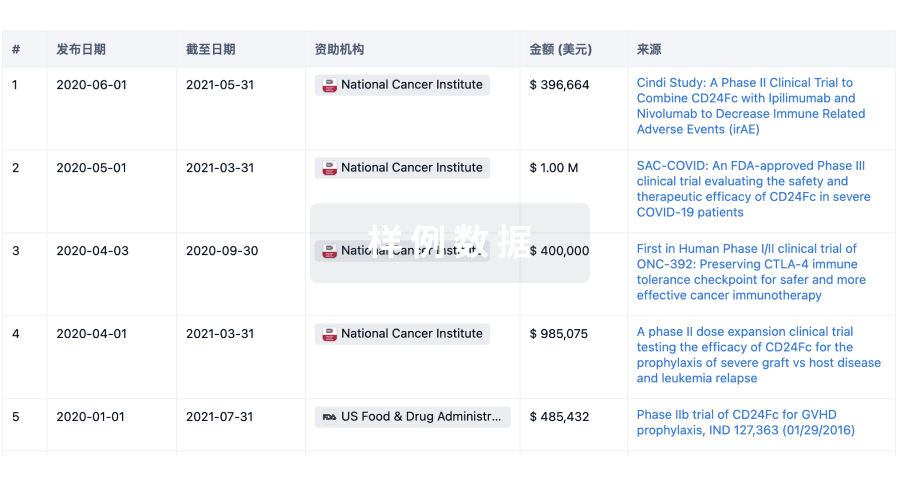
科研基金(NIH)
访问超过 200 万项资助和基金信息,以提升您的研究之旅。
登录
或
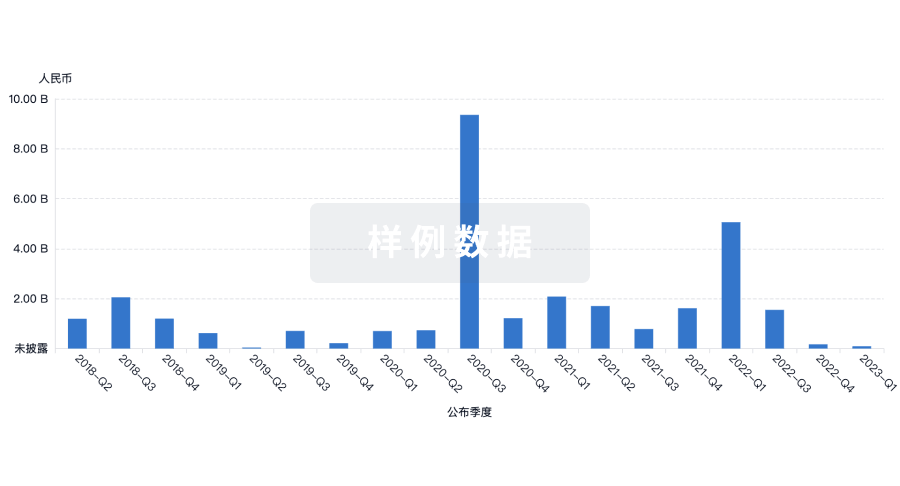
投资
深入了解从初创企业到成熟企业的最新公司投资动态。
登录
或
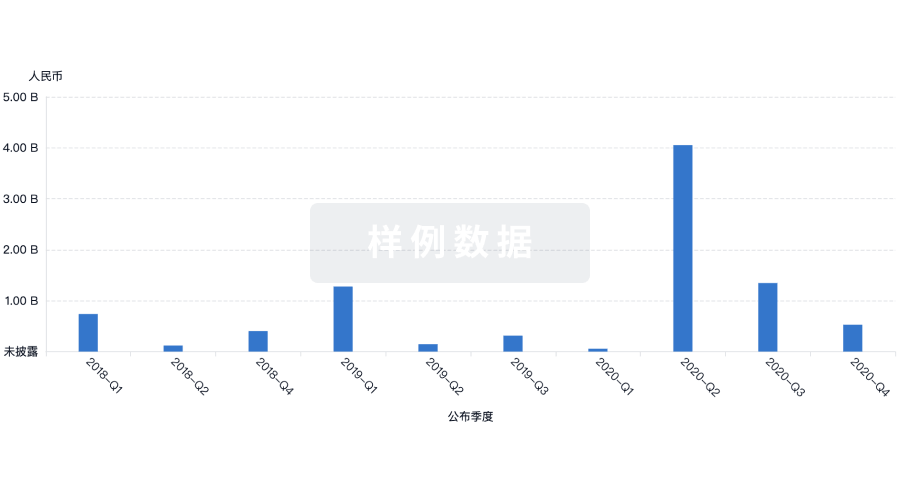
融资
发掘融资趋势以验证和推进您的投资机会。
登录
或
提出任何生物医药研究问题
让每一步生物医药决策都精准制胜
基于十亿级生物数据与全球情报的精准 AI,赋能早期药物发现
立即开始免费试用!
智慧芽新药情报库是智慧芽专为生命科学人士构建的基于AI的创新药情报平台,助您全方位提升您的研发与决策效率。
立即接入生物医药数据包
智慧芽新药库数据也通过智慧芽开放平台,以MCP或API服务形式对外开放。立即使用我们的MCP服务定制您的LLM智能体。
生物序列数据库
生物药研发创新
免费使用
化学结构数据库
小分子化药研发创新
免费使用