预约演示
更新于:2025-05-07

Shaukat Khanum Memorial Cancer Hospital & Research Centre
更新于:2025-05-07
概览
关联
NCT06672471
Post-Operative Antibiotic Efficacy in Clean Contaminated Head and Neck Surgery: A Randomized Controlled Trial
NCT05887856
Reduction of Pre-operative Anxiety Using a Specially Designed Educational Program for Breast Cancer Patients Undergoing Surgery: a Randomized Controlled Trial
NCT05627193
Comparison of Patient Satisfaction in Post-operative Breast Surgery Patients Having Physical Clinic and Tele Clinic Follow up: A Randomized Controlled Trial (PSPVT Trial)
100 项与 Shaukat Khanum Memorial Cancer Hospital & Research Centre 相关的临床结果
登录后查看更多信息
登录后查看更多信息
2025-06-01Cancer Epidemiology
Anticipation effect in Pakistani breast cancer families with or without BRCA1/2 pathogenic variants
Article
作者: Hamann, Ute ; Rashid, Muhammad Usman ; Naeemi, Humaira ; Arif, Shumaila ; Muhammad, Noor
2025-04-08Neurology
The Effect of Insurance Status on Ischemic Stroke Patient Outcomes: A Retrospective Analysis (P8-13.017)
作者: Zehra Naqvi, Syeda Zil e. ; Yasinzai, Abdul Qahar Khan ; Javaid, Syed Sarmad ; Arif, Noor-us-Sabah ; Hussain, Anum Touseef ; Ahmed, Fatima Kaleem ; Arshad, Faraz ; Kataria, Mahek ; Alam, Khadija ; Marriam, Tooba ; Ahmed, Amna Kaleem ; Imran, Rafia ; Mansoor, Fatima ; Bhatti, Muhammad Osama ; Hussain, Tooba
2025-04-01The Journal of Steroid Biochemistry and Molecular Biology
Unveiling 2-isopropyl-5-methylphenol’s immunomodulatory potential in breast cancer: A synergistic computational and laboratory investigation
Article
作者: Bashir, Mehr Un Nissa ; Rashid, Muhammad Usman ; Malkani, Naila
100 项与 Shaukat Khanum Memorial Cancer Hospital & Research Centre 相关的药物交易
登录后查看更多信息
100 项与 Shaukat Khanum Memorial Cancer Hospital & Research Centre 相关的转化医学
登录后查看更多信息
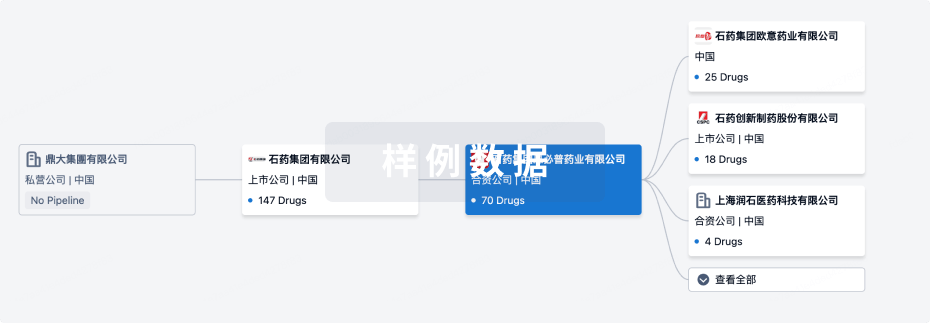
组织架构
使用我们的机构树数据加速您的研究。
登录
或
管线布局
2026年02月08日管线快照
无数据报导
登录后保持更新
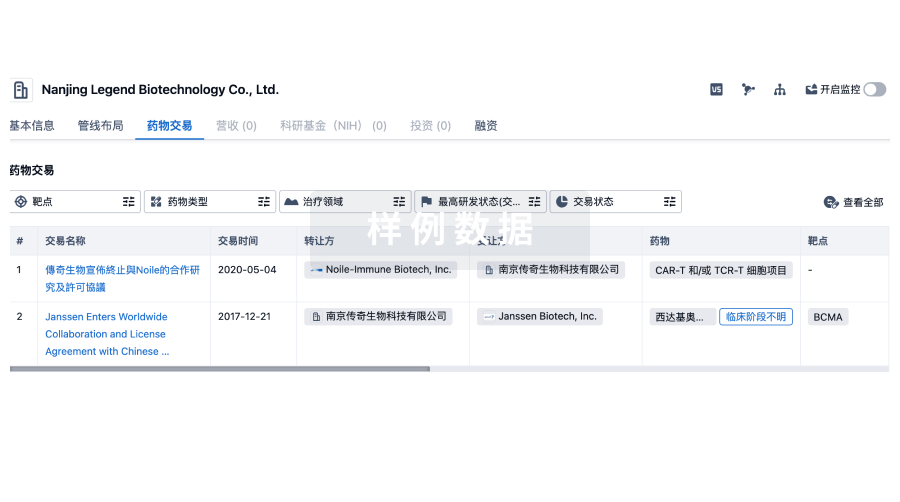
药物交易
使用我们的药物交易数据加速您的研究。
登录
或
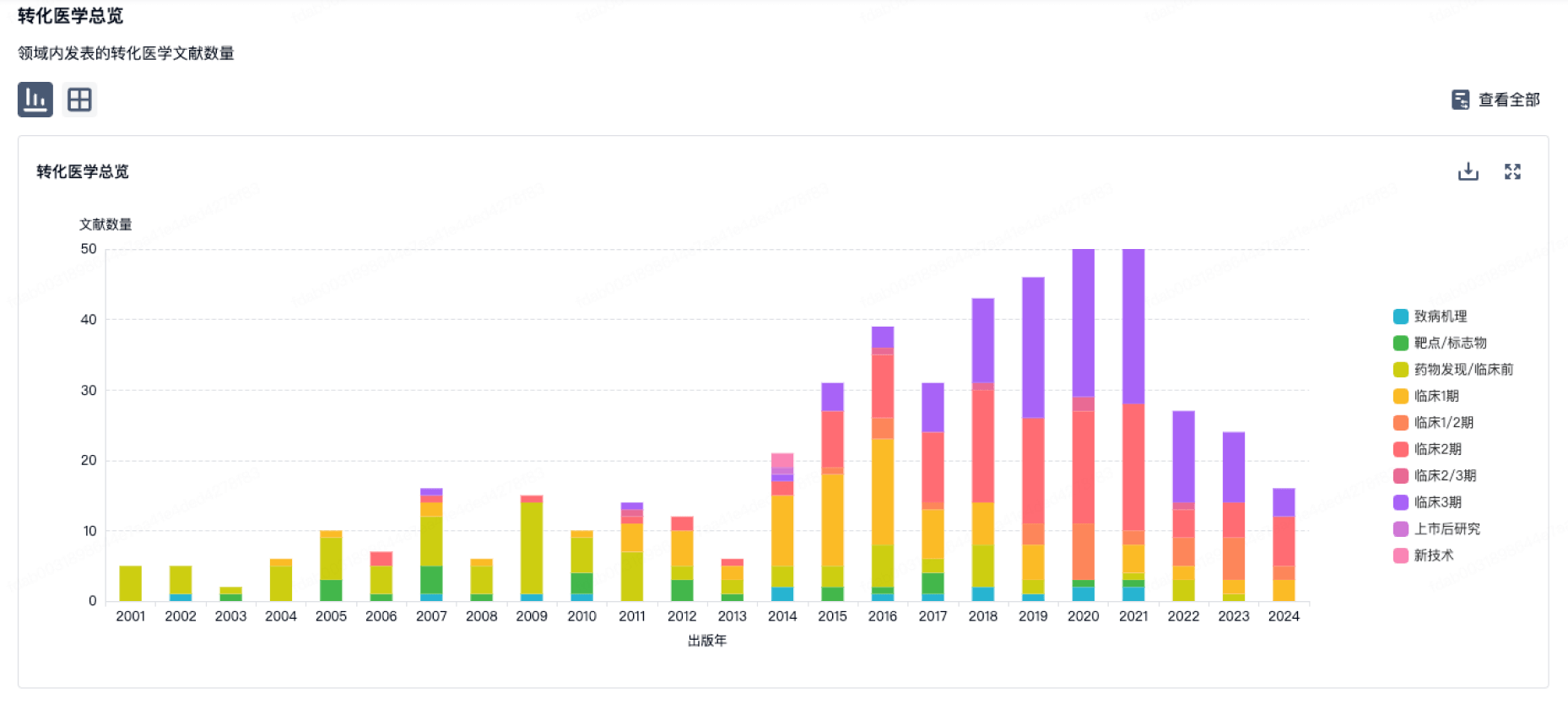
转化医学
使用我们的转化医学数据加速您的研究。
登录
或
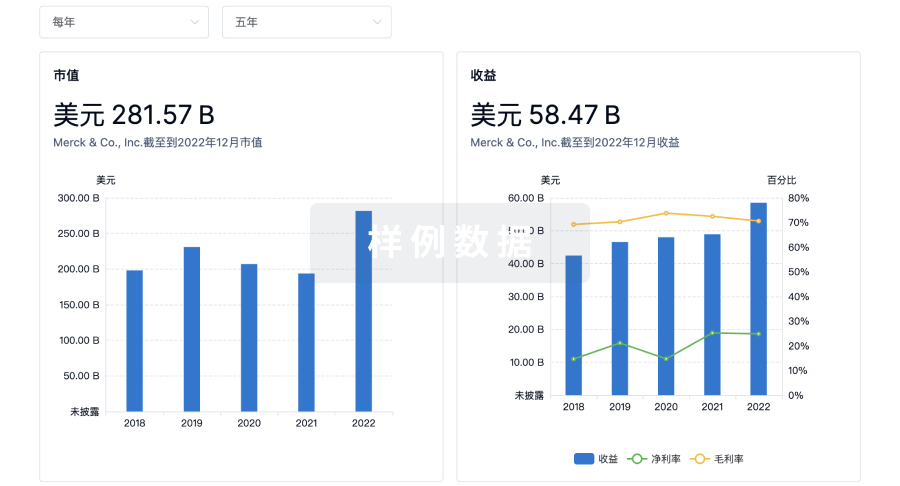
营收
使用 Synapse 探索超过 36 万个组织的财务状况。
登录
或
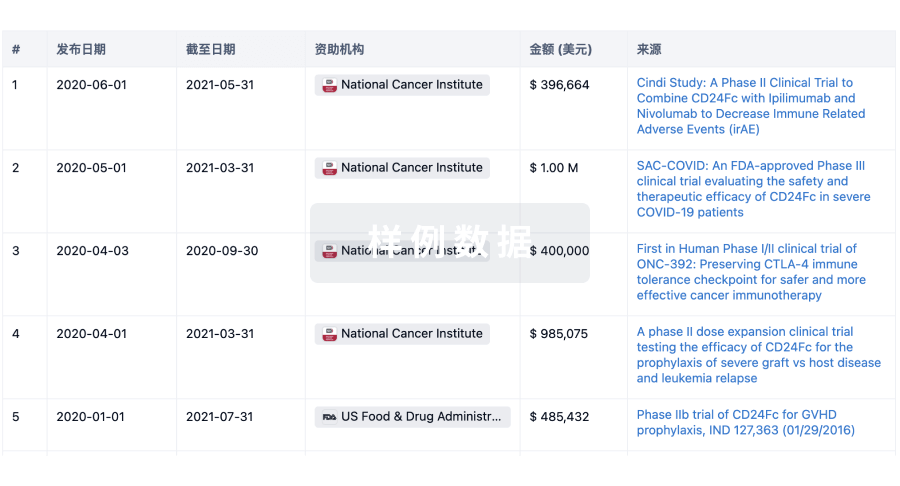
科研基金(NIH)
访问超过 200 万项资助和基金信息,以提升您的研究之旅。
登录
或
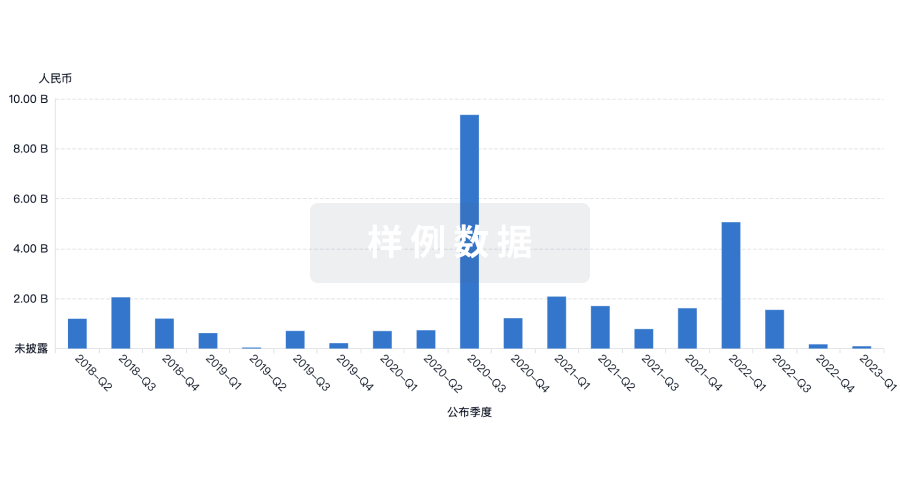
投资
深入了解从初创企业到成熟企业的最新公司投资动态。
登录
或
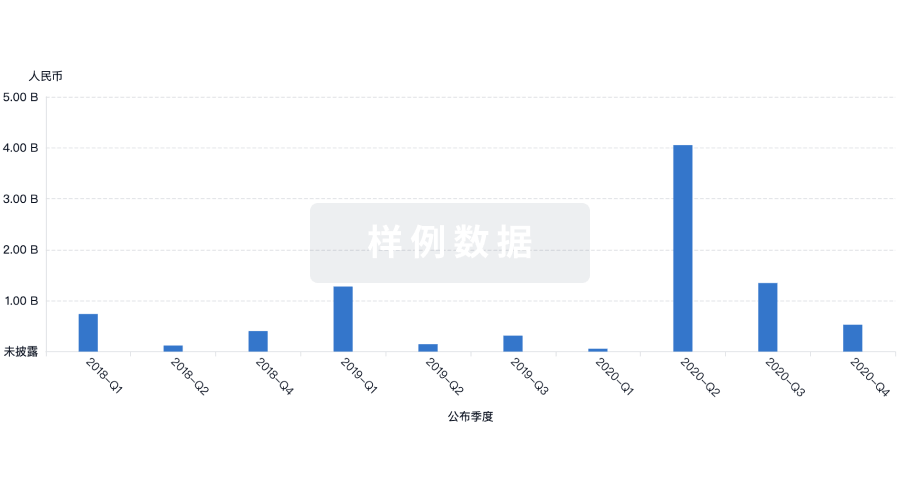
融资
发掘融资趋势以验证和推进您的投资机会。
登录
或
生物医药百科问答
全新生物医药AI Agent 覆盖科研全链路,让突破性发现快人一步
立即开始免费试用!
智慧芽新药情报库是智慧芽专为生命科学人士构建的基于AI的创新药情报平台,助您全方位提升您的研发与决策效率。
立即开始数据试用!
智慧芽新药库数据也通过智慧芽数据服务平台,以API或者数据包形式对外开放,助您更加充分利用智慧芽新药情报信息。
生物序列数据库
生物药研发创新
免费使用
化学结构数据库
小分子化药研发创新
免费使用