预约演示
更新于:2026-03-03

Shanghai University of Engineering Science
更新于:2026-03-03
概览
标签
其他疾病
心血管疾病
血液及淋巴系统疾病
小分子化药
腺相关病毒基因治疗
疾病领域得分
一眼洞穿机构专注的疾病领域

技术平台
公司药物应用最多的技术
靶点
公司最常开发的靶点
关联
靶点 |
作用机制 |
在研机构 |
原研机构 |
在研适应症 |
非在研适应症 |
最高研发阶段 |
首次获批国家/地区 |
首次获批日期 |
CN116555411
专利挖掘靶点 |
作用机制 |
在研机构 |
原研机构 |
在研适应症 |
非在研适应症 |
最高研发阶段 |
首次获批国家/地区 |
首次获批日期 |
CN120157603
专利挖掘靶点 |
作用机制 |
在研机构 |
原研机构 |
在研适应症 |
非在研适应症 |
最高研发阶段 |
首次获批国家/地区 |
首次获批日期 |
100 项与 上海工程技术大学 相关的临床结果
登录后查看更多信息
登录后查看更多信息
2026-12-01Nano-Micro Letters
Superelastic and Washable Micro/Nanofibrous Sponges Based on Biomimetic Helical Fibers for Efficient Thermal Insulation
Article
作者: Yu, Jianyong ; Zhang, Shichao ; Wang, Fei ; Ding, Bin ; Wang, Sai ; Zhang, Wei ; Liu, Yi-Tao ; Surmenev, Roman A ; Wang, Zhifei ; Yang, Fengjin
Abstract:
Extreme cold weather seriously harms human thermoregulatory system, necessitating high-performance insulating garments to maintain body temperature. However, as the core insulating layer, advanced fibrous materials always struggle to balance mechanical properties and thermal insulation, resulting in their inability to meet the demands for both washing resistance and personal protection. Herein, inspired by the natural spring-like structures of cucumber tendrils, a superelastic and washable micro/nanofibrous sponge (MNFS) based on biomimetic helical fibers is directly prepared utilizing multiple-jet electrospinning technology for high-performance thermal insulation. By regulating the conductivity of polyvinylidene fluoride solution, multiple-jet ejection and multiple-stage whipping of jets are achieved, and further control of phase separation rates enables the rapid solidification of jets to form spring-like helical fibers, which are directly entangled to assemble MNFS. The resulting MNFS exhibits superelasticity that can withstand large tensile strain (200%), 1000 cyclic tensile or compression deformations, and retain good resilience even in liquid nitrogen (− 196 °C). Furthermore, the MNFS shows efficient thermal insulation with low thermal conductivity (24.85 mW m−1 K−1), close to the value of dry air, and remains structural stability even after cyclic washing. This work offers new possibilities for advanced fibrous sponges in transportation, environmental, and energy applications.
2026-06-01NEURAL NETWORKS
CoT defender: Preemptive chain-of-thought occupation for jailbreak attack mitigation
Article
作者: Wang, Yihe ; Zhao, Long ; Huang, Bo ; Tang, Yongqiang ; Li, Xiaokang ; Yu, Xiao ; Liu, Jin ; Xie, Zhiwen
With the development of large language models (LLMs), numerous studies have demonstrated their vulnerability to carefully crafted jailbreak attacks. However, existing mitigation measures rarely balance model usability with significant protective effects, raising concerns about model abuse. To address this, we introduce CoT Defender. It preemptively occupies the model's first few generated tokens with a chain-of-thought analysis that hinders attackers from steering the output towards harmful content. We designed a two-stage training framework that strengthens security while preserving usability. Stage 1 fine-tunes the model to follow a structured chain-of-thought format before answering. Stage 2 employs reinforcement learning to refine this reasoning. An auxiliary attacker model continuously synthesizes new jailbreak prompts, and a lightweight evaluator-Probabilistic Structured Output Evaluation (PSOE)-supplies fine-grained rewards by scoring both sentence-level intent capture and token-level format fidelity. We conducted a series of experiments on four models and six attack methods. Across all models, we successfully reduced the average attack success rate to below 8.0 %, with no more than a 7.0 % impact on the response rate for benign requests. Code is available here. Warning: This paper contains red-team data that may be offensive!
2026-05-01JOURNAL OF COLLOID AND INTERFACE SCIENCE
Functionalized benzoxazine-based phenolic resins for in situ photosynthesis and utilization of hydrogen peroxide
Article
作者: Liu, Ying ; Wang, Anping ; Yu, Tianhua ; Wei, Xiaojie ; Chu, Chengcheng ; Mao, Shun
The development of facile and scalable methods to fabricate green photocatalysts with efficient charge separation remain pivotal for advancing photocatalytic H2O2 production toward practical applications. Herein, a sulfonic acid-functionalized benzoxazine-based phenolic resin (SAPFac) was reported for in situ H2O2 production and utilization. The electron-withdrawing sulfonic groups (-SO3H) induce a robust intramolecular built-in electric field and impart surface negative charges, thereby synergistically enhancing photogenerated carrier separation efficiency and optimizing proton/oxygen affinity. The sulfonic acid-linked benzene rings in SAPFac serve as electron-enrichment centers, lowering the energy barrier for *OOH intermediate formation to favor the 2e- oxygen reduction reaction (ORR) pathway to generate H2O2. Consequently, this molecular engineering strategy endows SAPFac resins with an exceptional H2O2 production rate of 4410.9 μmol g-1 h-1 under visible light without sacrificial agents or oxygen aeration, which is 2.1 times of pristine benzoxazine-based phenolic resin (APFac). Coupled with Fe3+, photo-self-Fenton system was constructed to achieve rapid degradation of antibiotics and complete inactivation of high-density antibiotic-resistant bacteria (∼107 CFU/mL) via in situ activation of H2O2 into hydroxyl radicals (•OH). This work establishes a green and sustainable paradigm for polymer photocatalyst design, promoting the development of real field implementation of solar-driven H2O2 synthesis technology.
100 项与 上海工程技术大学 相关的药物交易
登录后查看更多信息
100 项与 上海工程技术大学 相关的转化医学
登录后查看更多信息
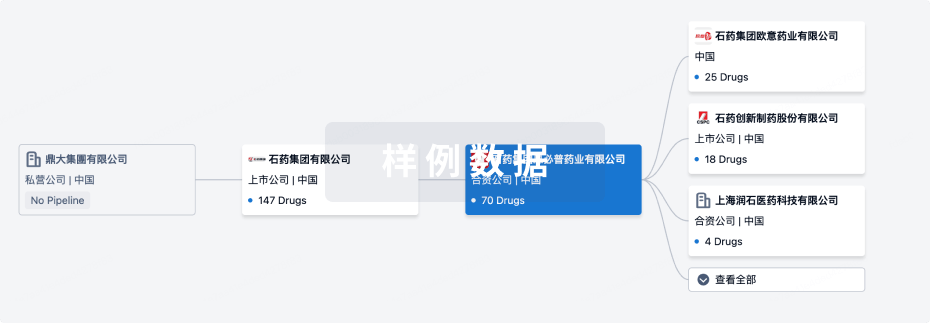
组织架构
使用我们的机构树数据加速您的研究。
登录
或
管线布局
2026年09月21日管线快照
管线布局中药物为当前组织机构及其子机构作为药物机构进行统计,早期临床1期并入临床1期,临床1/2期并入临床2期,临床2/3期并入临床3期
药物发现
2
1
临床前
登录后查看更多信息
当前项目
登录后查看更多信息
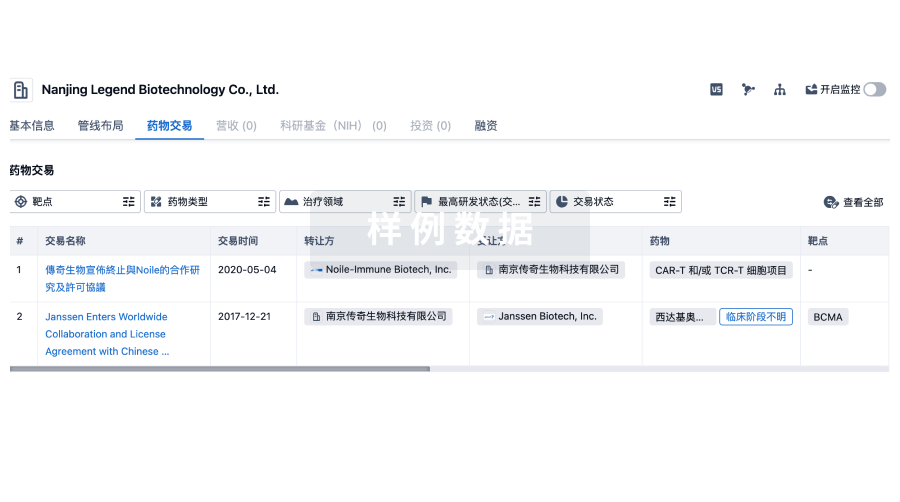
药物交易
使用我们的药物交易数据加速您的研究。
登录
或
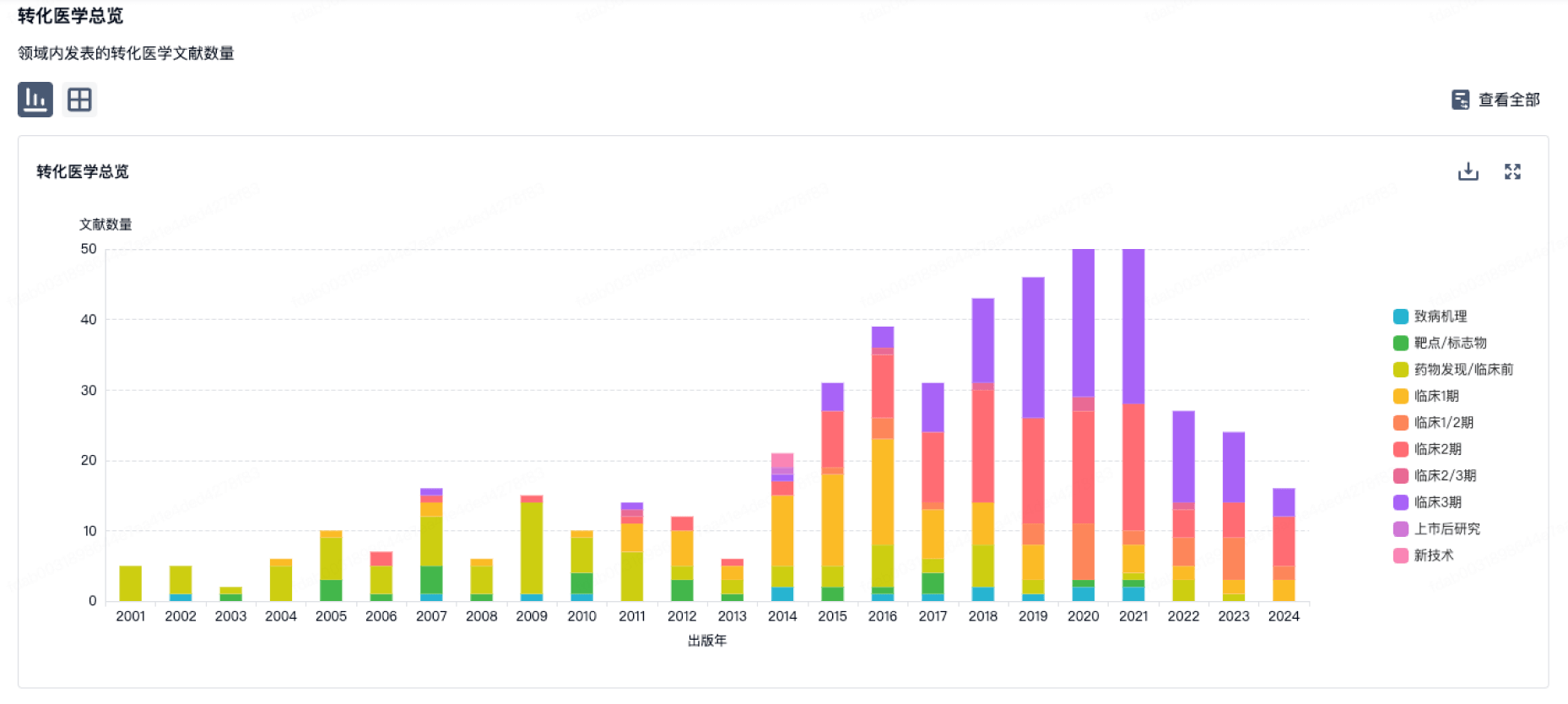
转化医学
使用我们的转化医学数据加速您的研究。
登录
或
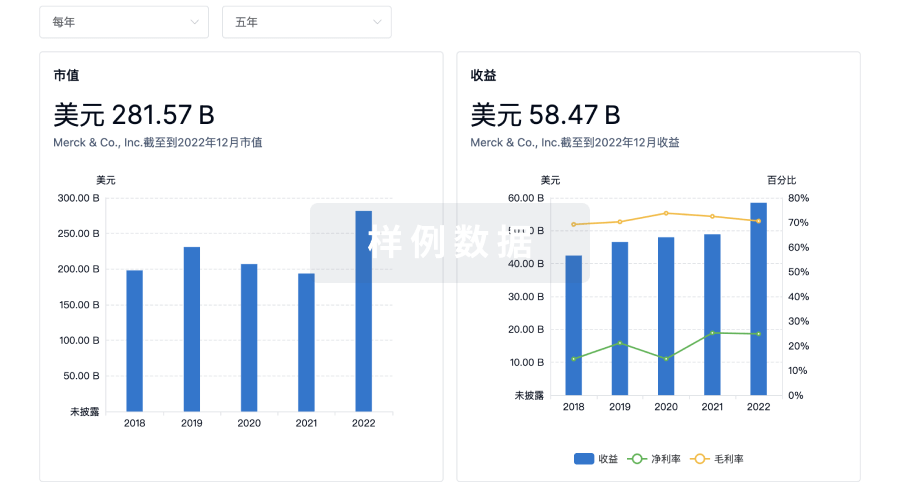
营收
使用 Synapse 探索超过 36 万个组织的财务状况。
登录
或
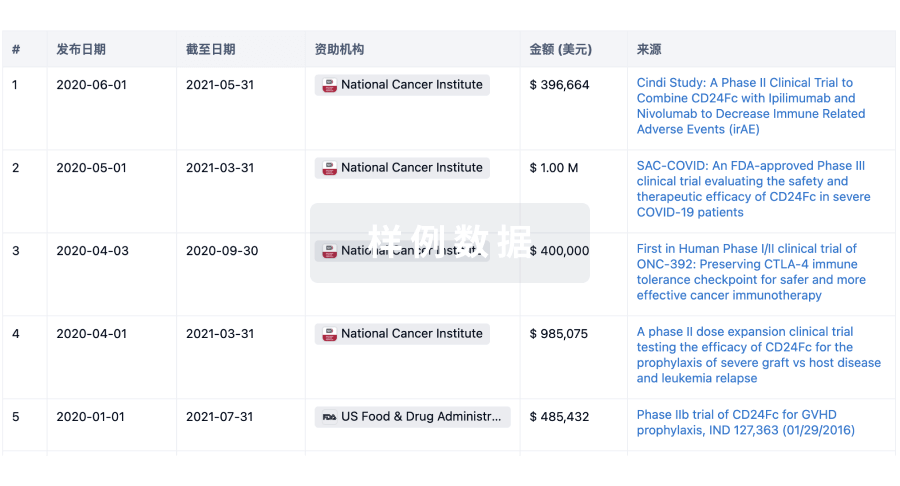
科研基金(NIH)
访问超过 200 万项资助和基金信息,以提升您的研究之旅。
登录
或
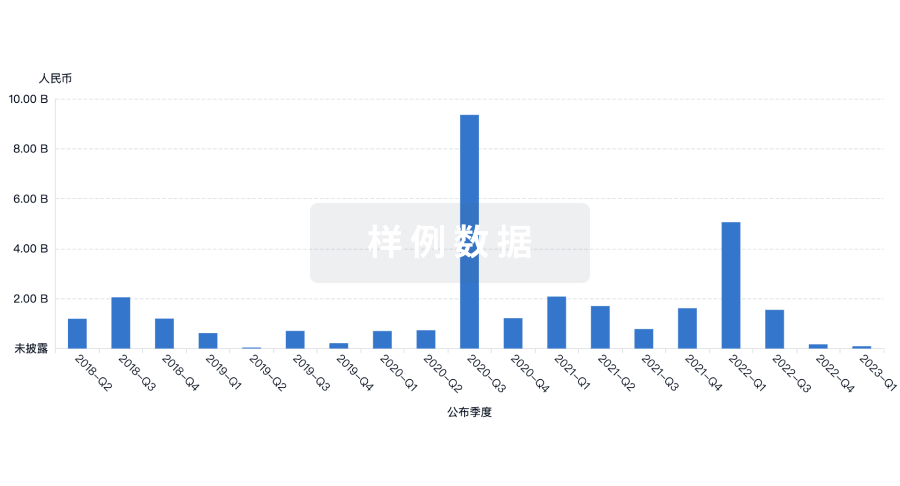
投资
深入了解从初创企业到成熟企业的最新公司投资动态。
登录
或
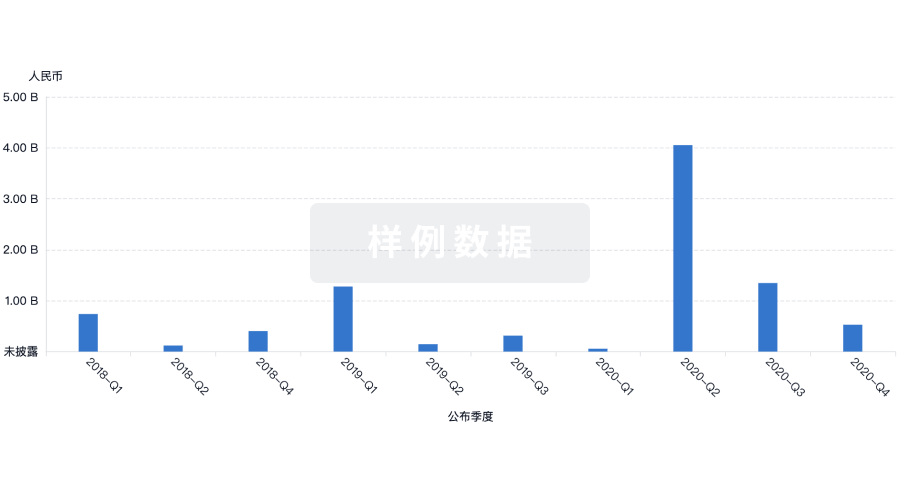
融资
发掘融资趋势以验证和推进您的投资机会。
登录
或
提出任何生物医药研究问题
让每一步生物医药决策都精准制胜
基于十亿级生物数据与全球情报的精准 AI,赋能早期药物发现
立即开始免费试用!
智慧芽新药情报库是智慧芽专为生命科学人士构建的基于AI的创新药情报平台,助您全方位提升您的研发与决策效率。
立即接入生物医药数据包
智慧芽新药库数据也通过智慧芽开放平台,以MCP或API服务形式对外开放。立即使用我们的MCP服务定制您的LLM智能体。
生物序列数据库
生物药研发创新
免费使用
化学结构数据库
小分子化药研发创新
免费使用