预约演示
更新于:2026-03-05

Technical University of Berlin
更新于:2026-03-05
概览
标签
感染
小分子化药
疾病领域得分
一眼洞穿机构专注的疾病领域
技术平台
公司药物应用最多的技术
靶点
公司最常开发的靶点

暂无数据
关联
靶点 |
作用机制 |
在研机构 |
原研机构 |
在研适应症 |
非在研适应症 |
最高研发阶段 |
首次获批国家/地区 |
首次获批日期 |
NCT07424872
Project VERANDA: Requirement Analysis Survey

NCT06445153
Digitalized Clinical Decision Support for the Prevention of Postoperative Delirium (POD)

NCT05949827
Evaluation of the Effect on Nursing Care Specialists of a Device With Specific Light Algorithms to Maintain and Restore Circadian Melatonin Rhythmicity in Critically Ill Patients
100 项与 Technical University of Berlin 相关的临床结果
登录后查看更多信息
登录后查看更多信息
2026-04-01HEALTH POLICY
Integrated care in the Baltic countries over a five-year period: an expert-informed cross-country analysis of progress, challenges and future directions
Article
作者: Kasekamp, Kaija ; Behmane, Daiga ; Shuftan, Nathan ; Scarpetti, Giada ; Murauskiene, Liubove ; Polin, Katherine ; Struckmann, Verena
BACKGROUND:
In Estonia, Latvia, and Lithuania, the push for care integration has gained momentum, being seen as an innovative approach to allocate resources more efficiently and improve patient outcomes.
OBJECTIVE:
This study investigates the progress of integrating care in the Baltic countries from 2019 to 2024 to detail key learnings.
METHODS:
We undertook a cross-country study to better understand the progress in care integration in the Baltics with a two-round, 21-item questionnaire on the adoption of integrated care reforms in 2019 and 2024. Responses were analyzed to capture countries' policy environments and their conduciveness to the uptake of integrated care. Country-specific experiences with implementation of care were further explored via case studies of pilot programmes.
RESULTS:
The pace of implementing integrating care varied. Existing barriers, workforce challenges and payment schemes have impeded integration across health and social care. Despite this, political commitment across successive governments to new and innovative service delivery and collaboration for chronic care management underscores an important prerequisite toward achieving more integrated and person-centred healthcare. The three case studies illustrate hurdles that come with shifting care settings and expanding roles for some workers.
CONCLUSIONS:
Integrating care across providers and the social and health sectors is an incremental process that needs long-term political support to address persistent barriers. The Baltic countries' experiences indicate challenges in bringing together stakeholders in areas such as data interoperability, new financing models and reorganization of workforce and skills mixing. Further work should advance evidence on patient-centred solutions for evolving needs.
2026-03-01THEORY OF COMPUTING SYSTEMS
Tight Approximation and Kernelization Bounds for Vertex-Disjoint Shortest Paths
Article
作者: Golovach, Petr A ; Bentert, Matthias ; Fomin, Fedor V
Abstract:
We examine the possibility of approximating
Maximum Vertex-Disjoint Shortest Paths
. In this problem, the input is an edge-weighted (directed or undirected)
n
-vertex graph
G
along with
k
terminal pairs
$$(s_1,t_1),(s_2,t_2),\ldots ,(s_k,t_k)$$( s 1 , t 1 ) , ( s 2 , t 2 ) , … , ( s k , t k ) c ≤ 1 k O ( 1 / c ) n f ( 1 / c ) f ( k ) poly ( n ) m 1 / 2 - ε = ℓ ℓ 2 O ( ℓ ) poly ( n ) ℓ 2 o ( ℓ ) poly ( n )
2026-03-01HEALTH POLICY
Small countries face specific challenges in health workforce sustainability, but policy responses are a testbed for resilience for all countries
Article
作者: Richardson, Erica ; Williams, Gemma A ; van Ginneken, Ewout ; Azzopardi-Muscat, Natasha ; Lorcy, Anne-Charlotte ; Kantaris, Marios ; Rechel, Bernd ; Shuftan, Nathan
While countries across Europe are facing challenges in building and sustaining a health workforce, small countries (official population of under 2 million people) face specific challenges that go beyond resource constraint. Limited population size constrains training capacity, specialist care provision, and career development opportunities, making these systems highly vulnerable to workforce shortages. Experiences in Cyprus, Luxembourg, North Macedonia, and the Caribbean Netherlands illustrate these dynamics. Cyprus and Luxembourg have expanded in-country medical education and postgraduate training to reduce the need for training abroad. In contrast, North Macedonia trains sufficient health professionals but struggles with outmigration. Island territories face additional logistical and geographic barriers. The Caribbean Netherlands rely on rotations and cross-border care for many healthcare services. Small countries are like a microscope that magnifies both the problems and the policy responses and may thus serve as a testbed for all health systems confronting workforce challenges. Small country experiences underscore the need for collaborative solutions to respond to the health workforce crisis, including enhanced training opportunities, mitigation of migration risks and improved retention. Ensuring resilience of the health workforce in the face of demographic and mobility pressures requires effective planning and integrated strategies addressing remuneration, working conditions, and professional development across all roles and sectors.
100 项与 Technical University of Berlin 相关的药物交易
登录后查看更多信息
100 项与 Technical University of Berlin 相关的转化医学
登录后查看更多信息
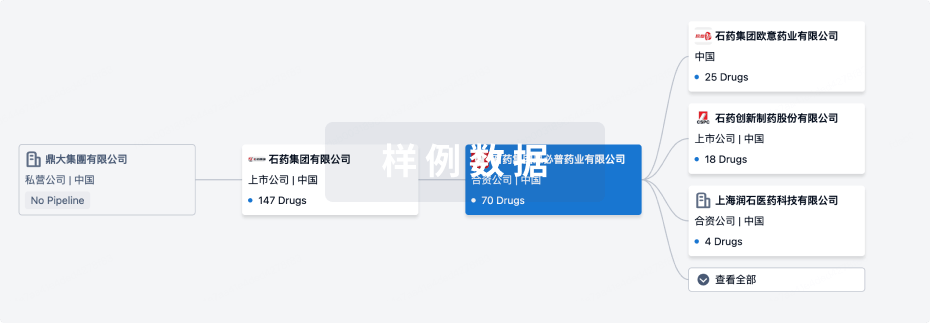
组织架构
使用我们的机构树数据加速您的研究。
登录
或
管线布局
2026年06月09日管线快照
管线布局中药物为当前组织机构及其子机构作为药物机构进行统计,早期临床1期并入临床1期,临床1/2期并入临床2期,临床2/3期并入临床3期
临床前
1
登录后查看更多信息
当前项目
登录后查看更多信息
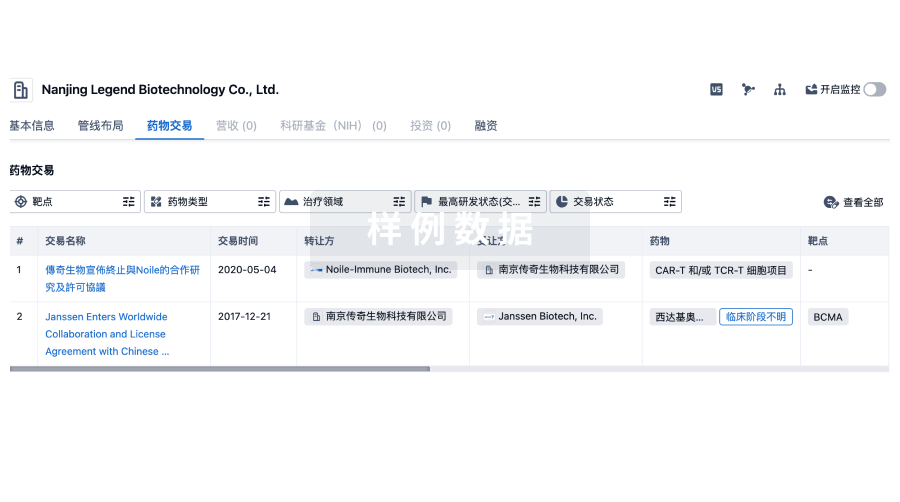
药物交易
使用我们的药物交易数据加速您的研究。
登录
或
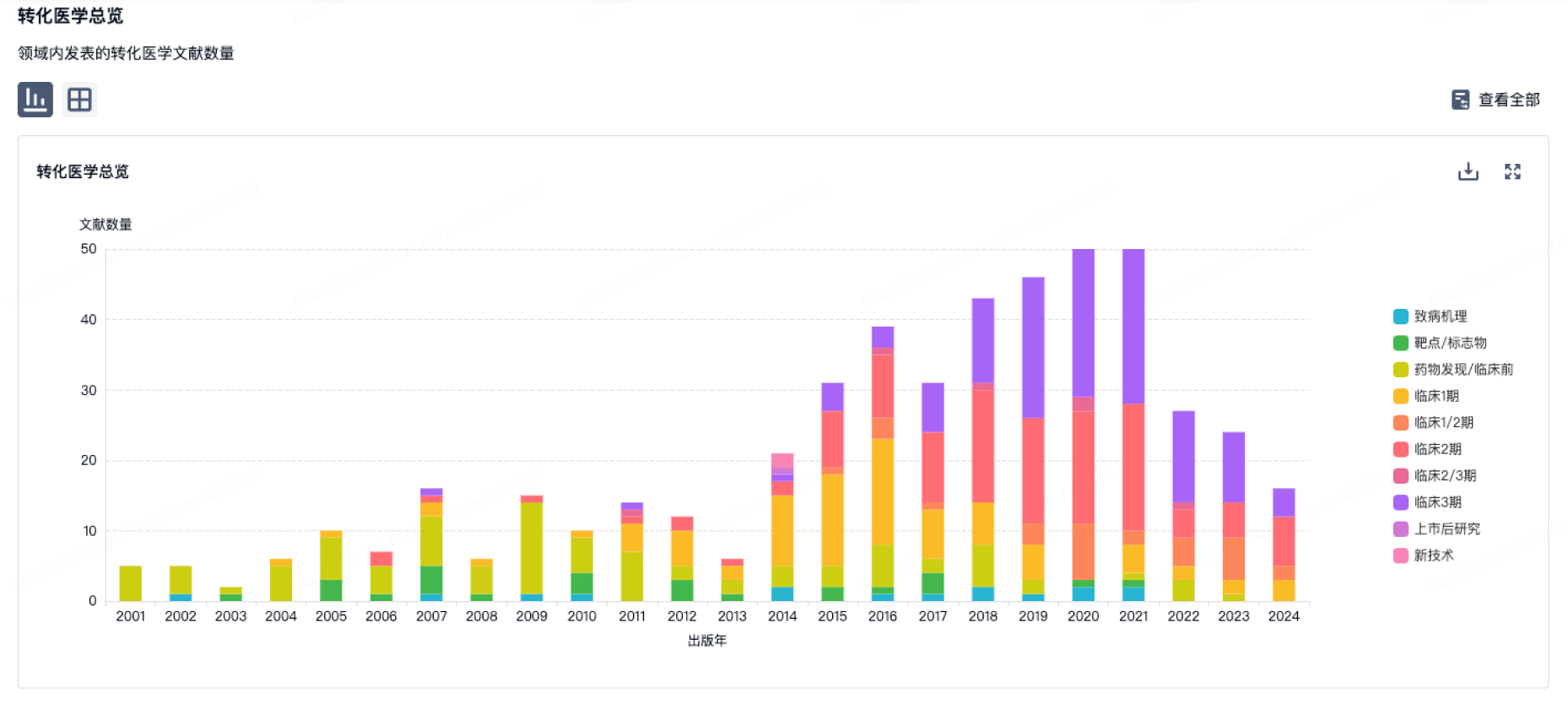
转化医学
使用我们的转化医学数据加速您的研究。
登录
或
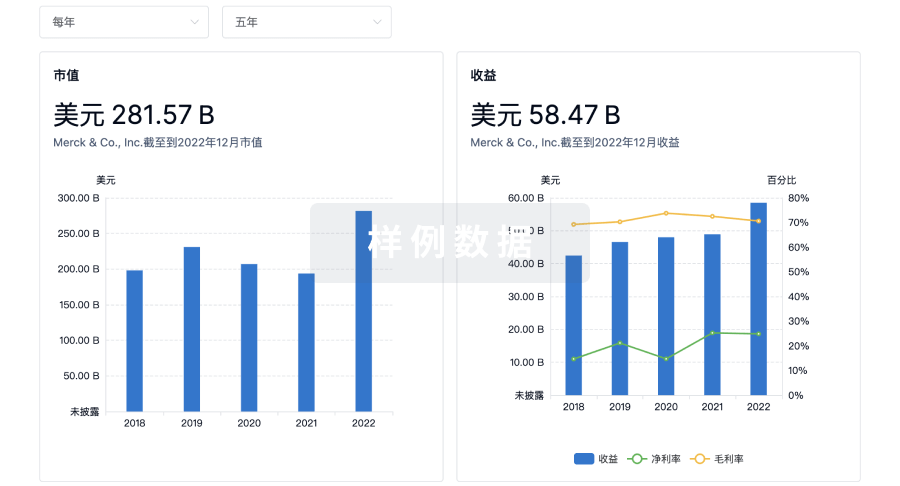
营收
使用 Synapse 探索超过 36 万个组织的财务状况。
登录
或
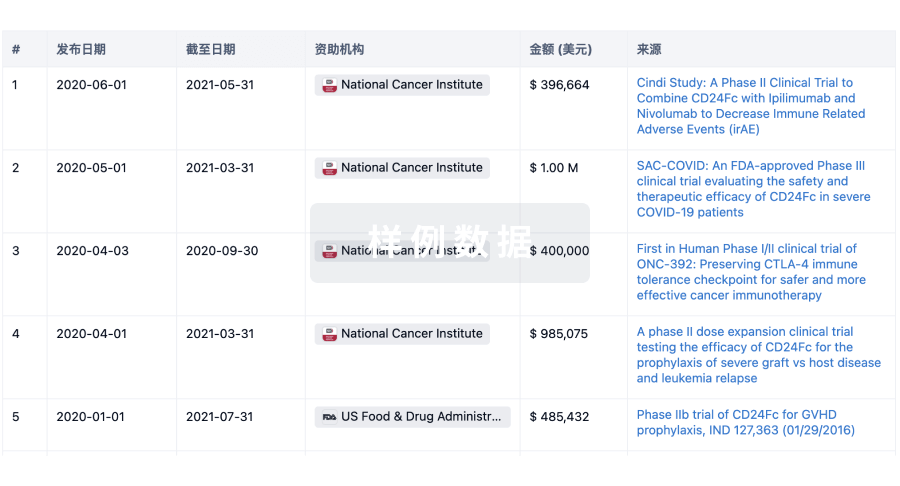
科研基金(NIH)
访问超过 200 万项资助和基金信息,以提升您的研究之旅。
登录
或
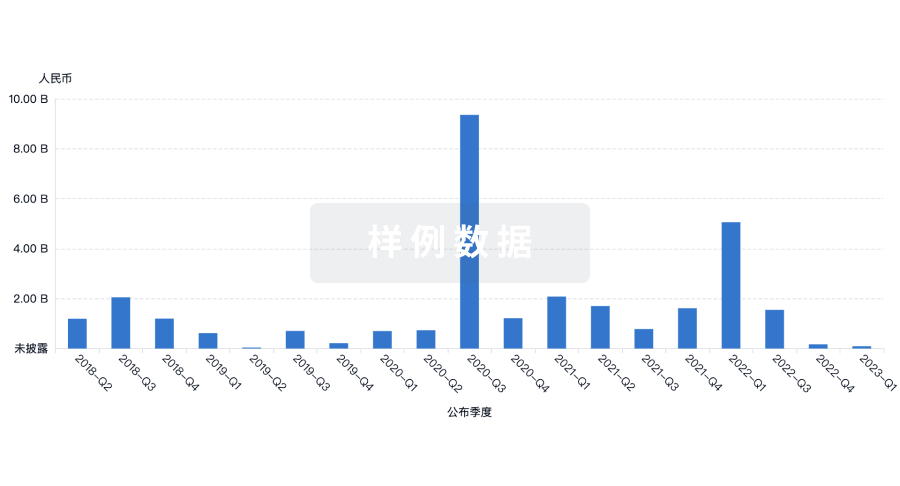
投资
深入了解从初创企业到成熟企业的最新公司投资动态。
登录
或
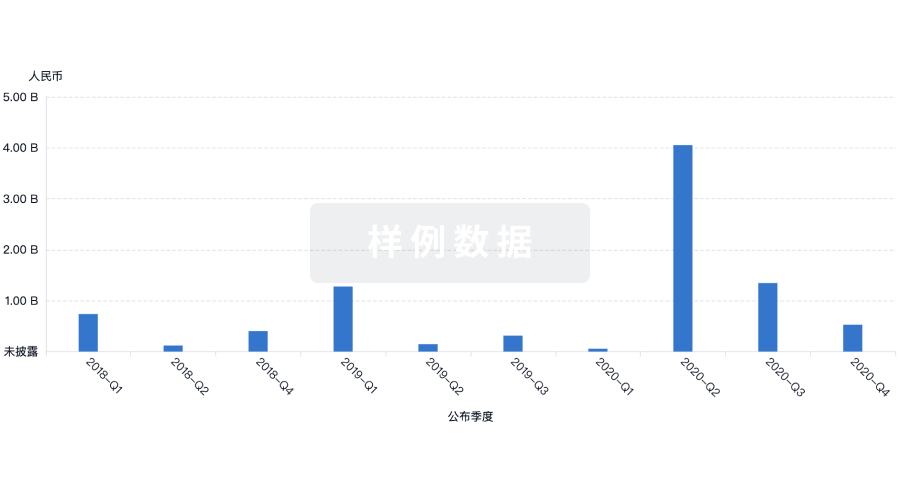
融资
发掘融资趋势以验证和推进您的投资机会。
登录
或
生物医药百科问答
全新生物医药AI Agent 覆盖科研全链路,让突破性发现快人一步
立即开始免费试用!
智慧芽新药情报库是智慧芽专为生命科学人士构建的基于AI的创新药情报平台,助您全方位提升您的研发与决策效率。
立即开始数据试用!
智慧芽新药库数据也通过智慧芽数据服务平台,以API或者数据包形式对外开放,助您更加充分利用智慧芽新药情报信息。
生物序列数据库
生物药研发创新
免费使用
化学结构数据库
小分子化药研发创新
免费使用