预约演示
更新于:2026-05-27

University of Warwick
更新于:2026-05-27
概览
标签
感染
神经系统疾病
其他疾病
小分子化药
疾病领域得分
一眼洞穿机构专注的疾病领域

技术平台
公司药物应用最多的技术
靶点
公司最常开发的靶点
关联
靶点 |
作用机制 |
在研机构 |
原研机构 |
在研适应症 |
非在研适应症 |
最高研发阶段 |
首次获批国家/地区 |
首次获批日期 |
靶点 |
作用机制 |
在研机构 |
原研机构 |
在研适应症 |
非在研适应症 |
最高研发阶段 |
首次获批国家/地区 |
首次获批日期 |
靶点 |
作用机制 |
在研机构 |
原研机构 |
在研适应症 |
非在研适应症 |
最高研发阶段 |
首次获批国家/地区 |
首次获批日期 |
ISRCTN81384017
Early Detection using Information Technology in Health (EDITH)
NCT07106632
Optimal Personalized Treatment of Early Breast Cancer Using Multi-parameter Analysis: Focus on YOUNGer Women

NCT07136922
First in Human Safety and Ease of Use Assessment of 400mg Progesterone Callavid in Women With Luteal Phase Insufficiency
100 项与 University of Warwick 相关的临床结果
登录后查看更多信息
登录后查看更多信息
2026-12-31Health Psychology and Behavioral Medicine
Exploring the relationships among weight stigma, weight bias internalisation, feeling fat, and self-esteem across preconception, pregnancy, and postpartum
Article
作者: C. Incollingo Rodriguez, Angela ; Skouteris, Helen ; Dever, Michelle ; Hill, Briony
Introduction:
Weight stigma permeates women's reproductive experiences with significant psychological consequences, yet remains understudied across different reproductive stages and country contexts. This study addresses this gap by investigating weight stigma experiences and their associations with weight bias internalisation (WBI), feeling fat, and self-esteem across preconception, pregnancy, and postpartum (PPP) stages in Western and non-Western contexts.
Methods:
In this cross-sectional study, a convenience sample of women aged 18-45 years from five countries completed an anonymous online survey assessing weight stigma experiences, WBI, feeling fat, and self-esteem. For exploratory comparison, countries were grouped into Western (Australia, United Kingdom, United States) and non-Western (Singapore, Philippines) contexts. Hierarchical regressions and mediation analyses examined relationships between variables.
Results:
In total, 511 women completed the survey (preconception n = 216, pregnant n = 125, postpartum n = 170). Overall, 62.6% of women reported experiencing weight stigma, with sources varying by PPP stage. Weight stigma from the media was most prevalent during preconception, workplace during pregnancy, and family in postpartum. Women residing in Western countries reported more healthcare-related stigma (p = .01), while non-Western women reported more stigma from friends (p < .001) and workplace (p = .001). Weight bias internalisation, feeling fat, and self-esteem levels were similar across countries. Weight bias internalisation consistently mediated the relationship between weight stigma experiences and both feeling fat and self-esteem across all PPP stages; weight stigma promoted greater WBI, which in turn promoted higher scores on feeling fat and lower scores on self-esteem.
Conclusion:
While sources of weight stigma differed by reproductive stage and between Western and non-Western contexts, WBI consistently mediated how these experiences related to both feeling fat and self-esteem. Interventions should target stage-specific stigma sources while addressing WBI as a key mediating mechanism to improve health and wellbeing outcomes for PPP women.
2026-12-15SCANDINAVIAN JOURNAL OF PRIMARY HEALTH CARE
Not for children’s ears? Parents’ insights into early childhood overweight and obesity treatment
Article
作者: Nordin, Karin ; Nowicka, Paulina ; Eli, Karin ; Sjunnestrand, My ; Neuman, Nicklas ; Ek, Anna ; Järvholm, Kajsa ; Ramos Salas, Ximena
This study offers novel insights into parents' experiences of healthcare interactions during weight-related visits. Data were collected through the More and Less Europe study, a randomized controlled trial evaluating a parent support program for children (aged 2-6 years) with overweight or obesity in Sweden, Romania, and Spain to capture parents' experiences of healthcare interactions. Semi-structured interviews were conducted with 45 Swedish parents (71% mothers, 60% with university degree, 51% of migrant background) of 45 children (mean age 7.1 years, SD 1.3, 76% girls) who received standard treatment for overweight or obesity. The interviews were analyzed thematically, identifying two themes: (1) Support or blame, with subthemes Validating family-centeredness, Overly generic advice, and Stigma and the sense of failing; (2) The place and role of the child, with subthemes Neutral, honest, and direct communication, Not for children's ears, and Framing the message with care. While some parents described supportive interactions, others expressed disappointment with generic advice and inadequate support. Some recalled stigmatization, sometimes in the child's presence, raising concerns about the child's well-being. Approaches to preparing children for visits ranged from neutral to direct explanations. Parents expressed contrasting views on children's presence during weight-related discussions: while some felt such discussions would harm their child, others supported children's presence in open and age-appropriate discussion. This study fills a critical gap in obesity management communication by highlighting parental concerns about children's exposure to weight-related discussions. Addressing these concerns is essential to reducing weight stigma in healthcare and protecting children from harmful experiences.
2026-12-01GLYCOCONJUGATE JOURNAL
Total plasma N-glycomic patterns of COVID-19 disease
Article
作者: Spencer, Daniel I R ; Fernandes, Daryl L ; McCarthy, Cormac ; Urbanowicz, Paulina A ; Mayboroda, Oleg A ; Gardner, Richard A ; Mallon, Patrick W G ; Cheeseman, Jack ; Elgood-Hunt, Georgia ; Monopoli, Marco P ; Thompson, Craig P ; Leon, Alejandro A Garcia ; Sénard, Thomas
Abstract:
Total plasma
N
-glycans alter in disease states, with few studies focused on COVID-19. A discovery cohort of 310 COVID-19 patients, replicated with 97 COVID-19 patients and tested with 100 COVID-19 patients, was used to unearth the
N
-glycans capable of distinguishing infection, as well as prognosis of intensive care unit (ICU) admission and mortality. All significant bisected glycans were decreased in patients compared to controls, whilst fucosylated tri-antennary glycans and sialylated tetra-antennary glycans were increased in patients. For both those admitted to the ICU and those who died, Peak 61 (A4G4S4F) was elevated in the more severe disease course, while Peak 29 (FA2G2S2) was lowered. Pinpointing specific glycosylation changes has alluded to a potential story of glycoprotein pathways in response to SARS-CoV-2 infection. This study could be further explored through deriving the glycoproteins associated with the glycans of interest and the glycosylation changes experienced on these proteins.
Graphical Abstract
100 项与 University of Warwick 相关的药物交易
登录后查看更多信息
100 项与 University of Warwick 相关的转化医学
登录后查看更多信息
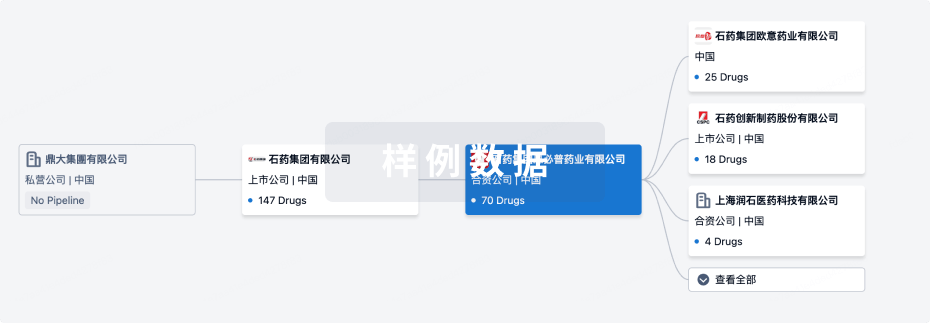
组织架构
使用我们的机构树数据加速您的研究。
登录
或
管线布局
2026年10月10日管线快照
管线布局中药物为当前组织机构及其子机构作为药物机构进行统计,早期临床1期并入临床1期,临床1/2期并入临床2期,临床2/3期并入临床3期
药物发现
1
5
临床前
其他
4
登录后查看更多信息
当前项目
登录后查看更多信息
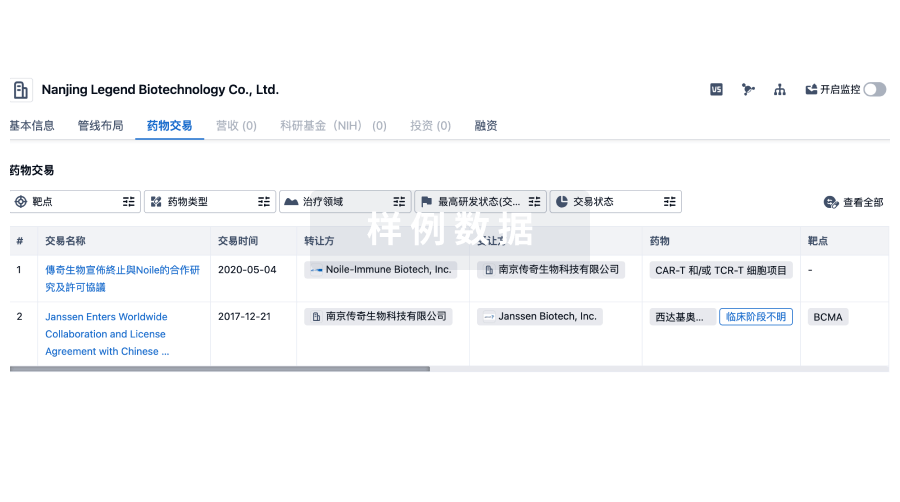
药物交易
使用我们的药物交易数据加速您的研究。
登录
或
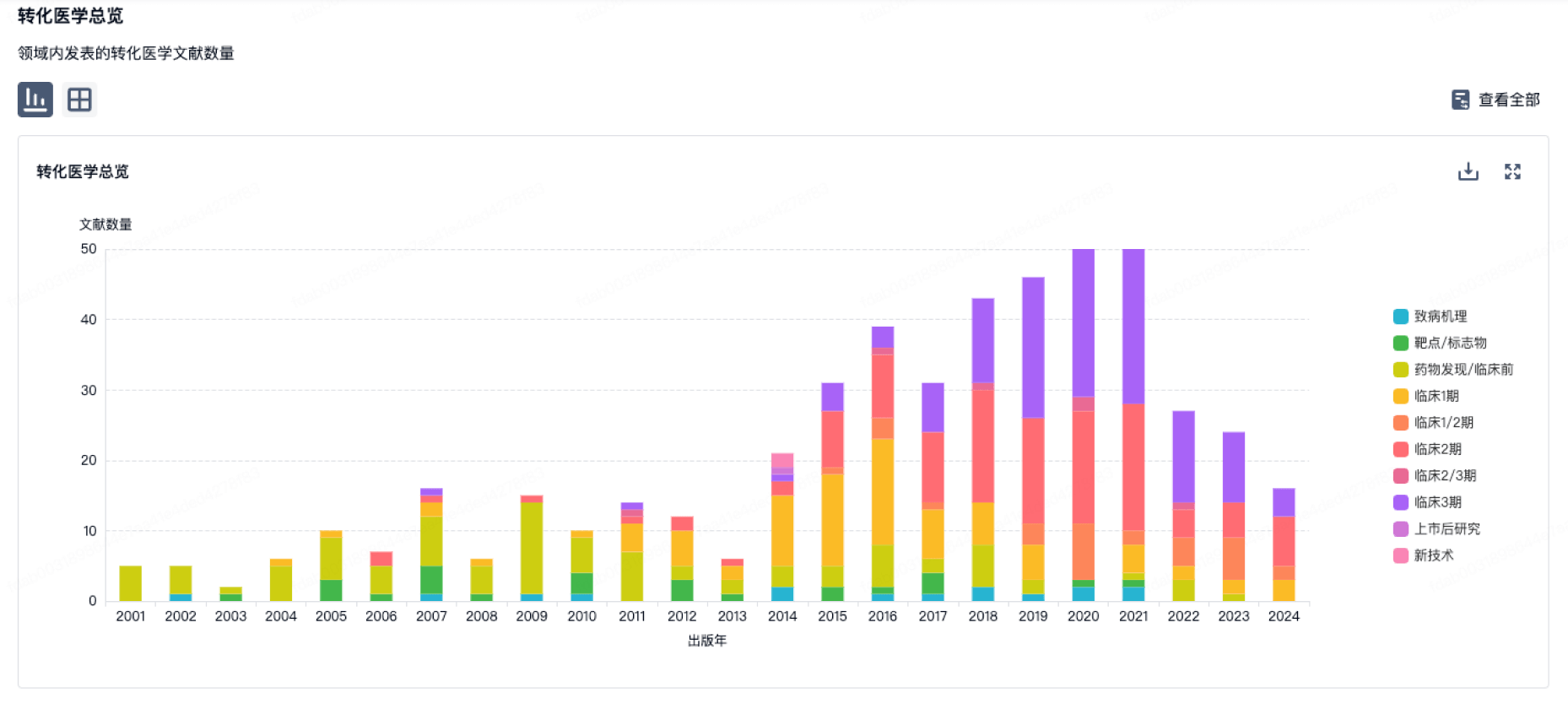
转化医学
使用我们的转化医学数据加速您的研究。
登录
或
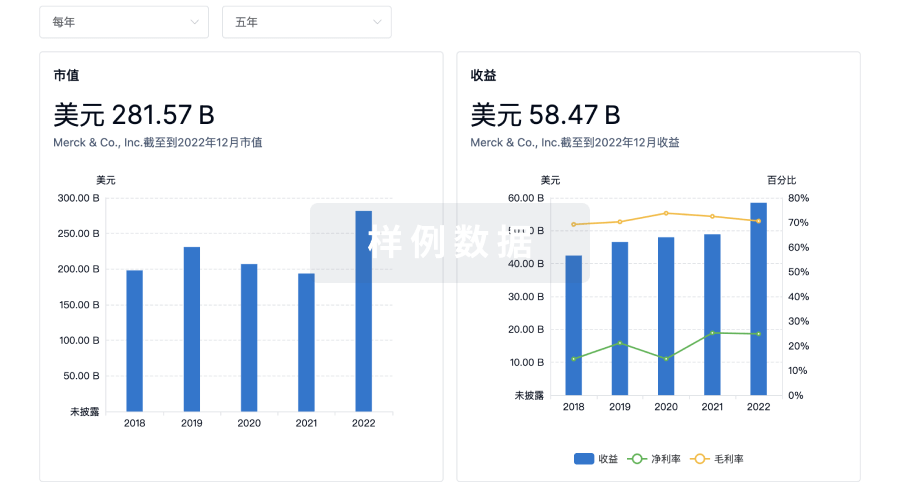
营收
使用 Synapse 探索超过 36 万个组织的财务状况。
登录
或
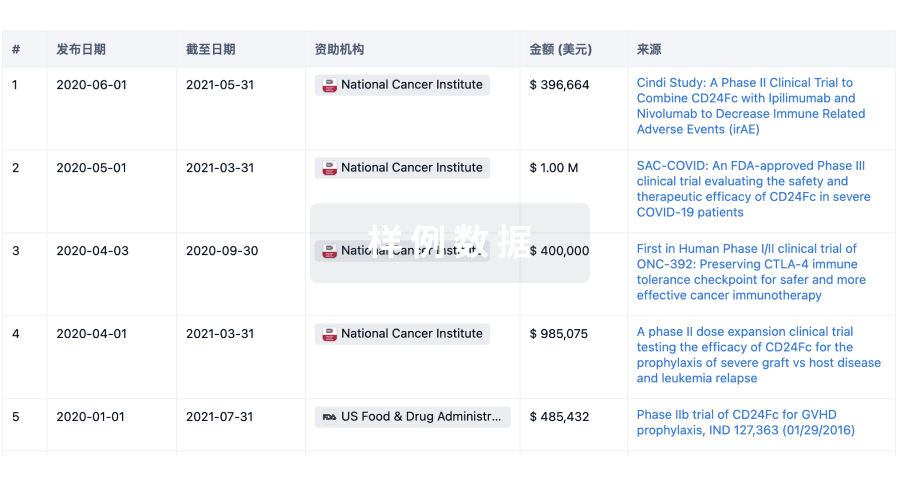
科研基金(NIH)
访问超过 200 万项资助和基金信息,以提升您的研究之旅。
登录
或
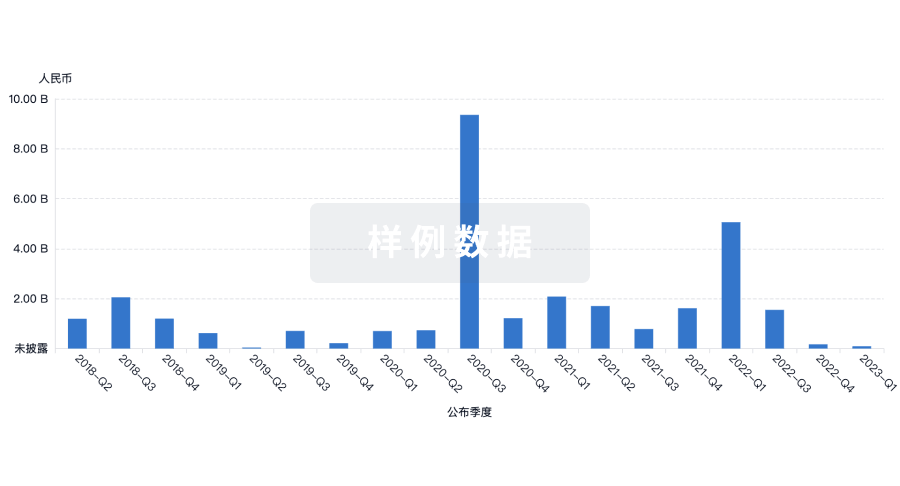
投资
深入了解从初创企业到成熟企业的最新公司投资动态。
登录
或
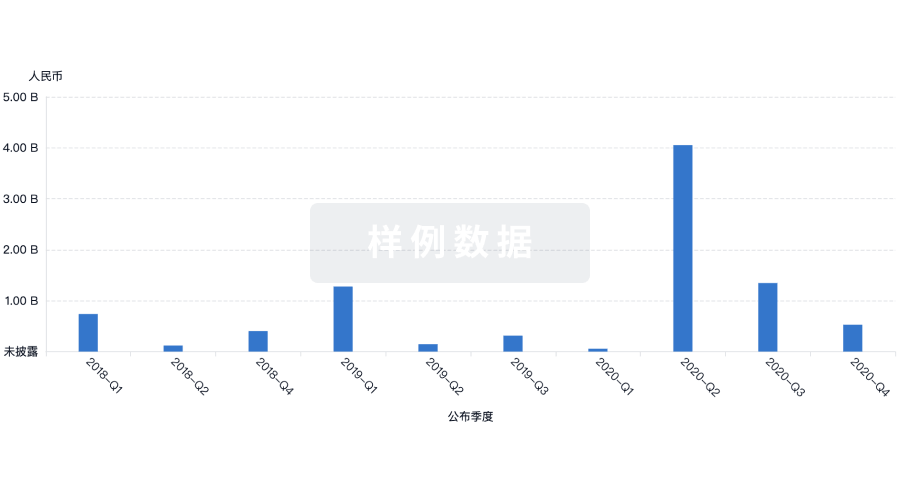
融资
发掘融资趋势以验证和推进您的投资机会。
登录
或
提出任何生物医药研究问题
让每一步生物医药决策都精准制胜
基于十亿级生物数据与全球情报的精准 AI,赋能早期药物发现
立即开始免费试用!
智慧芽新药情报库是智慧芽专为生命科学人士构建的基于AI的创新药情报平台,助您全方位提升您的研发与决策效率。
立即接入生物医药数据包
智慧芽新药库数据也通过智慧芽开放平台,以MCP或API服务形式对外开放。立即使用我们的MCP服务定制您的LLM智能体。
生物序列数据库
生物药研发创新
免费使用
化学结构数据库
小分子化药研发创新
免费使用