预约演示
更新于:2025-12-09

Bharati Vidya Peeth College of Engineering
更新于:2025-12-09
概览
关联
CTRI/2024/06/068345
Comparative Evaluation of Diode LASER and Microneedling in the assessment of Gingival Melanin Hyperpigmentation-A clinical study - NIL
100 项与 Bharati Vidya Peeth College of Engineering 相关的临床结果
登录后查看更多信息
登录后查看更多信息
2025-10-01NEUROCHEMICAL RESEARCH
Stigmasterol Alleviates Levodopa-Induced Dyskinesia in 6-OHDA-Induced Parkinsonian Rats
Article
作者: Rathod, Ketan ; Aswar, Manoj ; Wankhede, Mayuri ; Aswar, Urmila
Chronic treatment with levodopa often leads to levodopa-induced dyskinesia (LID), around 40% of individuals are affected. Stigmasterol exhibits antioxidant, anti-inflammatory, and glutamate-antagonist properties, acting through AKT-1, VEGFR, and IL-6 to prevent neuronal death. This study investigates the STI potential to mitigate LID. Male Sprague Dawley rats were assigned to five groups (SHAM, 6-OHDA, LID, STI 10, STI 20), with n = 10. PD was induced by stereotaxic infusion of 6-OHDA (3 µg/µL × 2.5 µL) into the right medial forebrain bundle. After a 21-day recovery period, development of PD was confirmed through behavioral assessment, including APO-induced rotation, footprint analyses, and a stepping test assessment conducted over 7 days. Subsequently, the rats were treated with levodopa + carbidopa and stigmasterol (10/20 mg/Kg) orally for 28 days. Abnormal involuntary movements (AIMs) were assessed at intervals of 1, 14, 21, and 28th days to evaluate the effect of stigmasterol on LID. On day 28, rats were euthanized, and brain samples were analyzed for biochemical, and histopathological changes in the striatum and substantia nigra using nissl staining. STI treatment (10/20 mg/Kg) significantly decreased AIMS, MDA level, TNF-α, IL-1β, NF- kB, and NLRP3 and significantly increased GSH, SOD, catalase and dopamine levels. The histopathology assessment restored neurons in the striatum and substantia nigra of the brain. The result concludes that co-administration of stigmasterol (10/20 mg/Kg) with L-DOPA + carbidopa restores DA level, showing anti-inflammatory, anti-oxidant properties, and neuroprotective activity. Stigmasterol can therefore be administered as an adjuvant treatment to delay LID.
2025-09-01VideoGIE : an official video journal of the American Society for Gastrointestinal Endoscopy
Minimizing bleeding risks during gastric neuroendocrine tumor endoscopic submucosal dissection by pre-emptive EUS-guided epinephrine injection
Article
作者: Nabi, Zaheer ; Rajput, Sanjay ; Maindad, Dadasaheb ; Dongre, Harshwardhan ; Chavan, Radhika ; Seth, Vishal ; Nagpal, Akhil
Background and Aims:
Gastric neuroendocrine tumors (NETs), although rare, are highly vascular subepithelial lesions that can pose significant bleeding risks during endoscopic submucosal dissection (ESD). Traditionally, bleeding is managed intraoperatively with mechanical or thermal hemostasis, but pre-emptive strategies remain underexplored. Here, we report the use of EUS-guided pre-emptive epinephrine injection to minimize the bleeding risk during gastric NET ESD.
Methods:
To minimize the risk of bleeding during ESD of large gastric NETs, a pre-emptive EUS-guided epinephrine injection was administered at the base of the lesion near the feeder vessel.
Results:
A 38-year-old female was diagnosed with a large gastric subepithelial lesion during evaluation for upper gastrointestinal bleeding. EUS revealed a large hypoechoic tumor confined to the submucosa with a prominent feeding vessel. Given the predominantly submucosal location, ESD was planned. However, significant bleeding was anticipated due to the large feeder vessel. Therefore, a pre-emptive EUS-guided adrenaline injection (5 mL of 1:10,000 diluted epinephrine) was administered at the base of the lesion after confirming absence of blood return on fine-needle aspiration. Instantaneous pallor of the lesion was observed. ESD was subsequently completed successfully without any bleeding.
Conclusions:
This case highlights a novel, effective, and safe use of EUS-guided pre-emptive epinephrine injection to minimize bleeding during ESD of vascular gastric NETs. This approach could enhance procedural safety and warrants further prospective evaluation.
2025-04-03JOURNAL OF LIPOSOME RESEARCH
Surface-modified liposomal
in-situ
nasal gel enhances brain targeting of berberine hydrochloride for Alzheimer’s therapy: optimization and
in vivo
studies
Article
作者: Bahndare, Sejal ; Salunke, Malati ; Awasthi, Rajendra ; Mathure, Dyandevi ; Ranpise, Hemantkumar
This work aimed to formulate surface-modified berberine hydrochloride (BER)-loaded liposomes containing in-situ nasal gel for bran targeting. The liposomes were prepared by ethanol-injection method and optimized following a 32 full-factorial design. Size, morphology, zeta potential, ex-vivo permeation, and in-vitro release were estimated. The surface of optimized liposome was modified with ascorbic acid. The size of surface-modified liposomes was bigger (191.4 nm) than the unmodified liposomes (171 nm). Surface-modified liposomes were embedded in in-situ gel using poloxamer and Carbopol 934P. Liposomal in-situ gel showed higher permeation (71.94%) in contrast to the plain gel (46.64%). In-vivo pharmacokinetic examination of payload from liposomal in-situ gel displayed higher concentration in brain (Cmax of 93.50 ng/mL). The liposomal in-situ nasal gel had a higher drug targeting efficiency (138.43%) and a higher drug targeting potential (27.77%) confirming improved brain targeting. In male Wistar rats, the pharmacodynamic parameters (path length and escape latency) were evaluated with trimethyl tin-induced neurodegeneration. Animals treated with BER-loaded in-situ gel significantly decreased escape latency and path length in comparison to the control group. Histopathological assessment showed that the formulated gel was safe for intranasal administration. The developed formulation has the potential to effectively enhance the efficacy of BER in Alzheimer's disease management.
100 项与 Bharati Vidya Peeth College of Engineering 相关的药物交易
登录后查看更多信息
100 项与 Bharati Vidya Peeth College of Engineering 相关的转化医学
登录后查看更多信息
组织架构
使用我们的机构树数据加速您的研究。
登录
或
管线布局
2026年03月06日管线快照
无数据报导
登录后保持更新
药物交易
使用我们的药物交易数据加速您的研究。
登录
或
转化医学
使用我们的转化医学数据加速您的研究。
登录
或
营收
使用 Synapse 探索超过 36 万个组织的财务状况。
登录
或
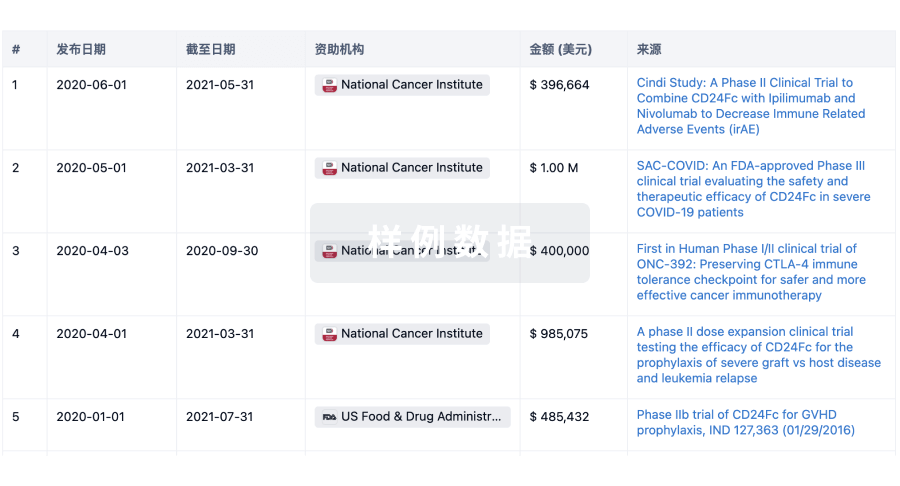
科研基金(NIH)
访问超过 200 万项资助和基金信息,以提升您的研究之旅。
登录
或
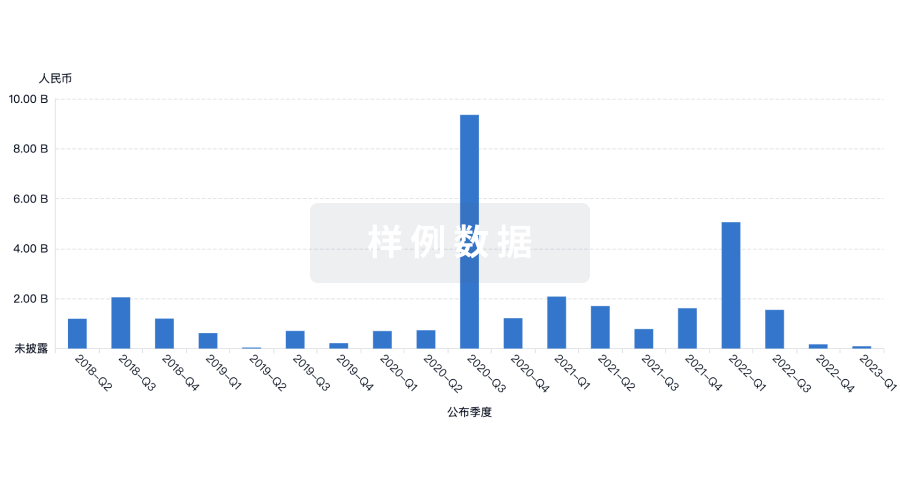
投资
深入了解从初创企业到成熟企业的最新公司投资动态。
登录
或
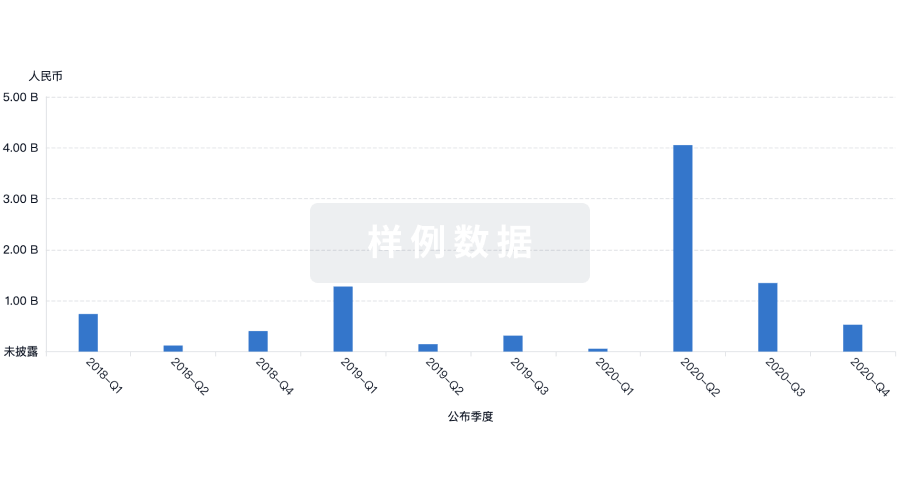
融资
发掘融资趋势以验证和推进您的投资机会。
登录
或
生物医药百科问答
全新生物医药AI Agent 覆盖科研全链路,让突破性发现快人一步
立即开始免费试用!
智慧芽新药情报库是智慧芽专为生命科学人士构建的基于AI的创新药情报平台,助您全方位提升您的研发与决策效率。
立即开始数据试用!
智慧芽新药库数据也通过智慧芽数据服务平台,以API或者数据包形式对外开放,助您更加充分利用智慧芽新药情报信息。
生物序列数据库
生物药研发创新
免费使用
化学结构数据库
小分子化药研发创新
免费使用