预约演示
更新于:2026-03-08

Asahi University
更新于:2026-03-08
概览
关联
JPRN-UMIN000060201
Elicitation of the Swallowing Reflex by Esophageal Water Stimulation: An Evaluation Using High-Resolution Manometry - EWSR-HRM Study
JPRN-UMIN000045898
Effectiveness of radical stereotactic body radiotherapy for vertebral bone metastasis - SBRT for vertebral bone metastasis
JPRN-UMIN000043471
Adrenal Stereotactic Body Radiation Therapy: The Effects of a Full and Empty Stomach on Radiation Dose to Organs at Risk - Shape of stomach impacts dose for OAR in Adrenal SBRT
100 项与 Asahi University 相关的临床结果
登录后查看更多信息
登录后查看更多信息
2026-01-01Journal of Dental Sciences
Multi-institutional observational study on the relationship between oral infection focus and surgical site infection in artificial arthroplasty and the clinical significance of tooth extraction: An analysis using propensity score matching
Article
作者: Matsusue, Yumiko ; Funahara, Madoka ; Kato, Shinichiro ; Takano, Hideyuki ; Nakahara, Hirokazu ; Hasegawa, Takumi ; Hirahara, Narihiro ; Shimanishi, Makoto ; Niimi, Kanae ; Otsuru, Mitsunobu ; Wada, Naohisa ; Hokita, Yuki ; Imura, Hideto ; Ueda, Nobuhiro ; Kitamura, Ryoji ; Rokutanda, Satoshi ; Tachibana, Akira ; Tsurumaki, Hiroshi ; Natsume, Nagato ; Sakai, Hironori ; Yamamura, Yoshiko ; Sakamoto, Yuki ; Umeda, Masahiro ; Kojima, Yuka ; Yamamoto, Toshiro ; Matsumoto, Kousuke ; Uchida, Fumihiko ; Soutome, Sakiko ; Akita, Daisuke ; Ohashi, Yu ; Kusafuka, Yuji ; Ueki, Koichiro ; Imai, Yuichiro
Background/purpose:
Surgical site infection (SSI) is a serious complication of artificial arthroplasty. Its relationship with dental infections and the necessity of preoperative dental screening remains debated. This study examined the relationship between oral condition and risk of SSI, along with preoperative tooth extraction effect, in patients undergoing artificial arthroplasty.
Materials and methods:
Patients undergoing artificial hip or knee arthroplasty between April 2018 and September 2021 were retrospectively examined for age, sex, surgical site, surgical procedure, surgical time, preoperative hemoglobin level, white blood cell count, albumin level, creatinine level, remaining teeth, apical lesions ≥3 mm, periodontal pockets ≥4 mm, root fractures, residual roots, local infection symptoms in the oral cavity, preoperative or postoperative tooth extraction, and SSI occurrence. Tooth extraction effects on SSI incidence were analyzed using propensity score matching.
Results:
The study included 3950 patients from 30 facilities. SSI occurred in 79 patients (2.0 %). Multivariate analysis identified surgery time and oral infection symptoms as significant risk factors. SSI occurred in 75 of 3793 patients without preoperative tooth extraction (2.0 %) and in 4 of 157 patients with tooth extraction (2.6 %), with no significant difference. However, in 292 propensity-matched patients, SSI incidences were 2.7 % and 6.2 % with and without preoperative extraction, respectively, indicating that preoperative infectious tooth removal may reduce SSI risk. Conversely, SSI occurred in three of seven patients (42.9 %) with tooth extraction within 60 days post-surgery, highlighting its risks.
Conclusion:
Oral infections increase SSI risk after artificial arthroplasty. Preoperative tooth extraction is recommended to reduce this risk.
2025-11-01Nagoya Journal of Medical Science
Relationship between support and job satisfaction among nurses working in residential long-term care facilities: a cross-sectional study.
Article
作者: Hoshino, Junko ; Furukawa, Naomi ; Tamakoshi, Koji ; Hotta, Masashi ; Muto, Suguri
The quality of care in care facilities for older adults varies according to the employees' satisfaction level. This study aimed to clarify the relationship between the level of support from supervisors and colleagues and job satisfaction among nurses working in care facilities for older persons. Using a cross-sectional design, we analyzed the responses of 295 nurses in long-term care facilities in Japan to a questionnaire survey. The surveyed items included the nurses' satisfaction with their current job (the dependent variable), and the degree of support from supervisors and colleagues. Of the 295 nurses, 166 (56.3%) were satisfied with their nursing jobs. Additionally, 125 (42.4%) nurses had low support from both supervisors and colleagues, 110 (37.3%) had high support from either supervisors or colleagues, and 60 (20.3%) had high support from both. There was a positive association between support from supervisors and nurses' satisfaction. Furthermore, based on the criterion of low support from supervisors and colleagues, high support from either or both was significantly associated with nurses' satisfaction (an odds ratio of 2.04 in the case of support from either and 4.02 in the case of support from both). These results suggest that there should be strategic hiring and training of managers who can support staff, as well as the strengthening of teamwork.
2025-09-01Radiological Physics and Technology
Detection and dual-label classification of tooth number and condition in dental panoramic radiographs including deciduous teeth
Article
作者: Zhou, Xiangrong ; Takahashi, Ryo ; Hara, Takeshi ; Katsumata, Akitoshi ; Sakai, Koki ; Seino, Yuta ; Muramatsu, Chisako ; Nishiyama, Wataru ; Fujita, Hiroshi ; Hayashi, Tatsuro
OBJECTIVES:
The purpose of this study is to automatically extract the information necessary for chart recording from panoramic radiographs, to reduce the workload for dentists.
STUDY DESIGN:
Using 1,085 dental panoramic radiographs (994 of permanent dentition and 91 of mixed dentition) taken at 10 facilities, we conducted tooth detection, numbering, and condition classification. Tooth condition was defined into five classes: natural, partial restoration, prosthetic crown, implant, and pontic. First, the YOLOv7 model was used to simultaneously detect 10 classes of deciduous teeth, 16 classes of permanent teeth, and four classes of tooth condition (excluding natural). We applied rule-based post-processing to the detected objects. Precision, Recall, and F1-score were used to evaluate our method, with an IoU (Intersection over Union) threshold set at 0.5.
RESULTS:
We achieved Precision, Recall, and F1-score of 98.51%, 98.38%, and 98.45%, respectively, in tooth numbering. In tooth condition classification, the average F1-score across the 5 classes was 95.47%.
CONCLUSIONS:
Our method, which detects and classifies the tooth numbers of permanent and deciduous teeth and their tooth condition simultaneously, is expected to contribute to reducing the workload of dentists and improving accuracy.
100 项与 Asahi University 相关的药物交易
登录后查看更多信息
100 项与 Asahi University 相关的转化医学
登录后查看更多信息
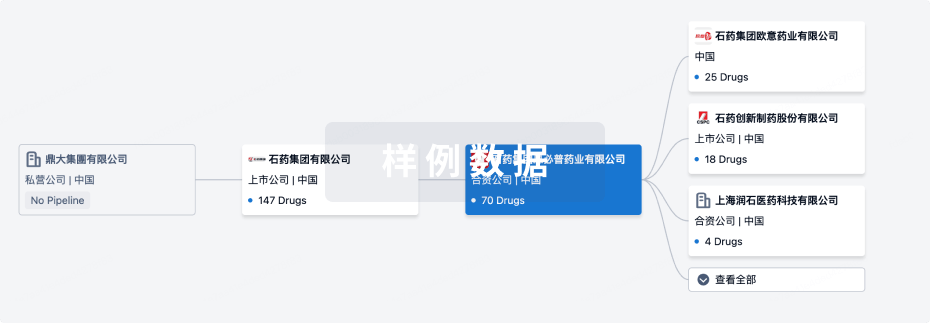
组织架构
使用我们的机构树数据加速您的研究。
登录
或
管线布局
2026年10月07日管线快照
无数据报导
登录后保持更新
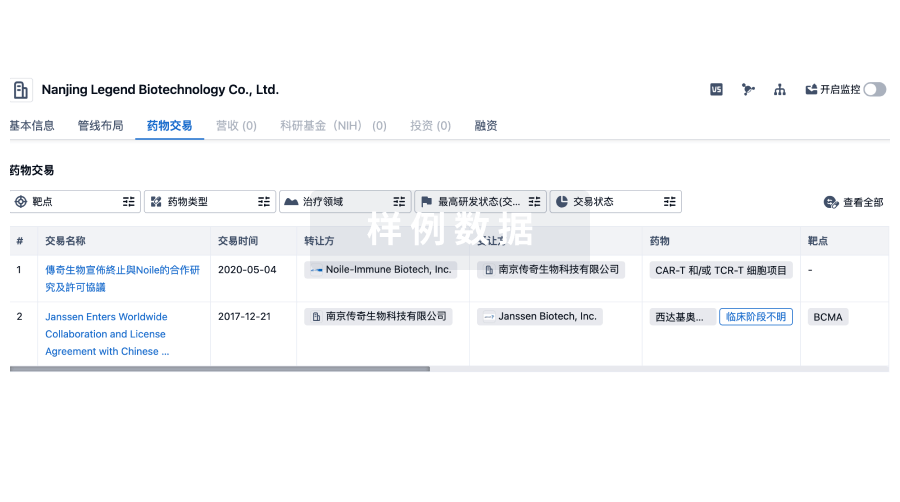
药物交易
使用我们的药物交易数据加速您的研究。
登录
或
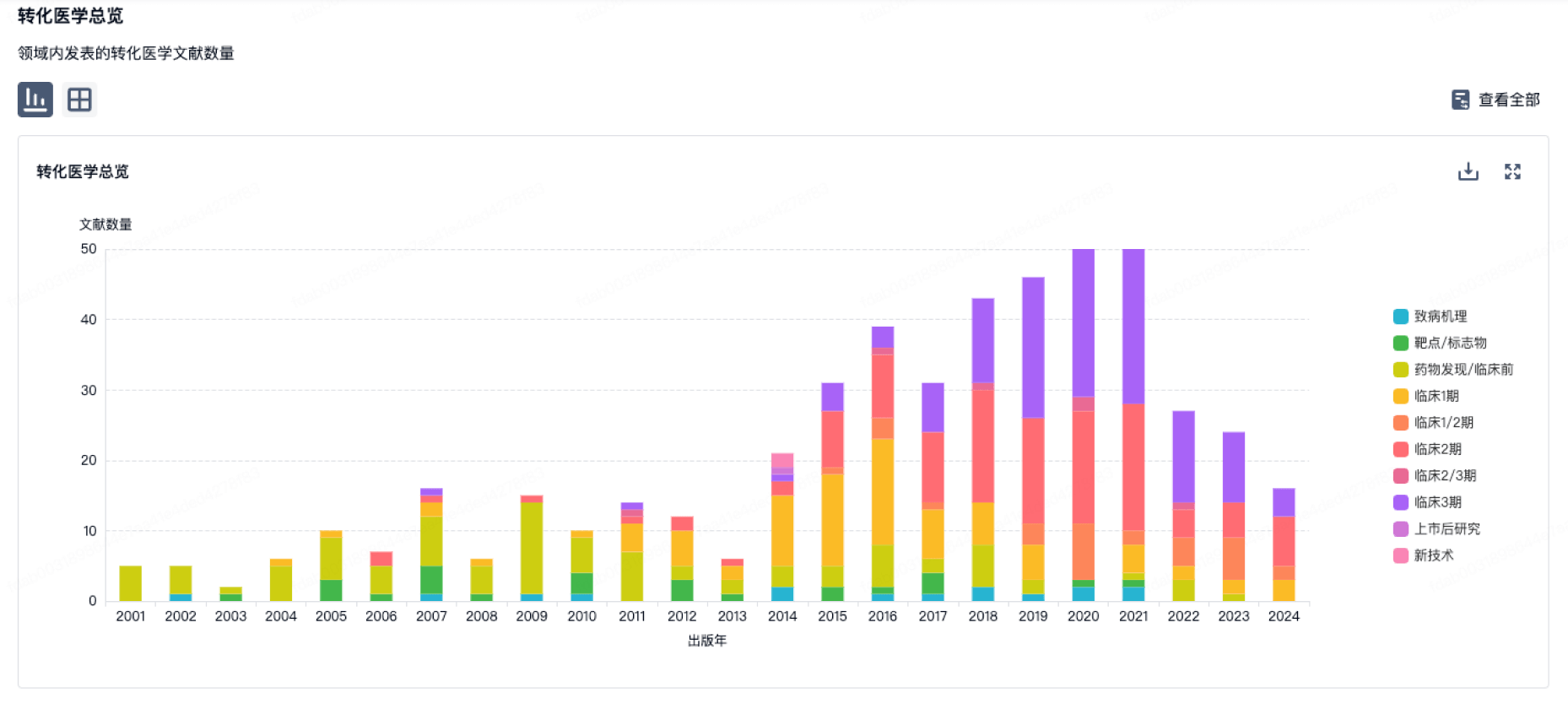
转化医学
使用我们的转化医学数据加速您的研究。
登录
或
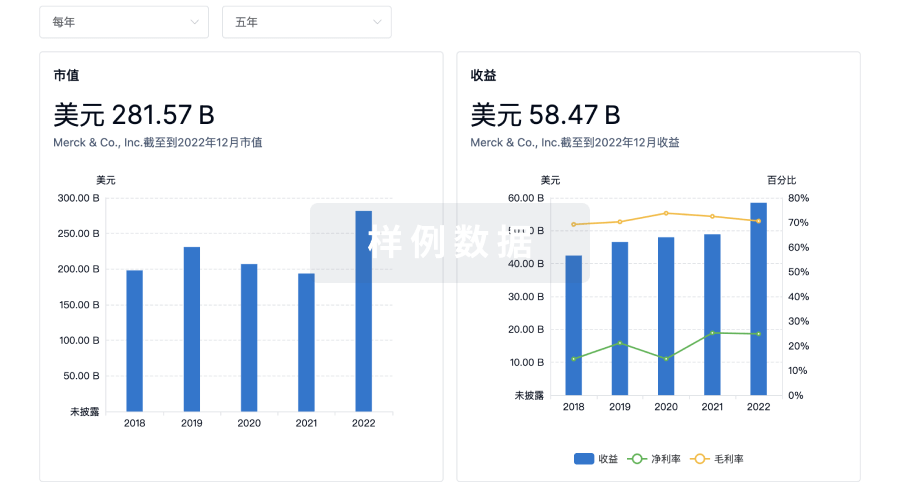
营收
使用 Synapse 探索超过 36 万个组织的财务状况。
登录
或
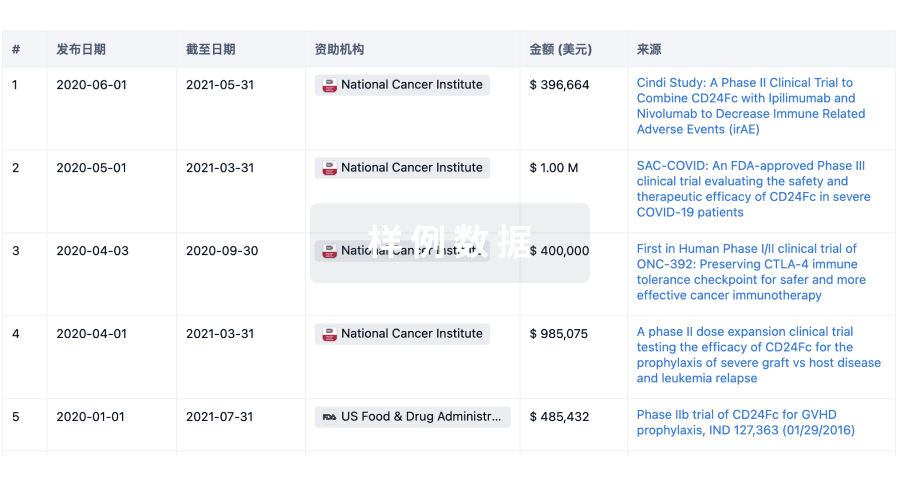
科研基金(NIH)
访问超过 200 万项资助和基金信息,以提升您的研究之旅。
登录
或
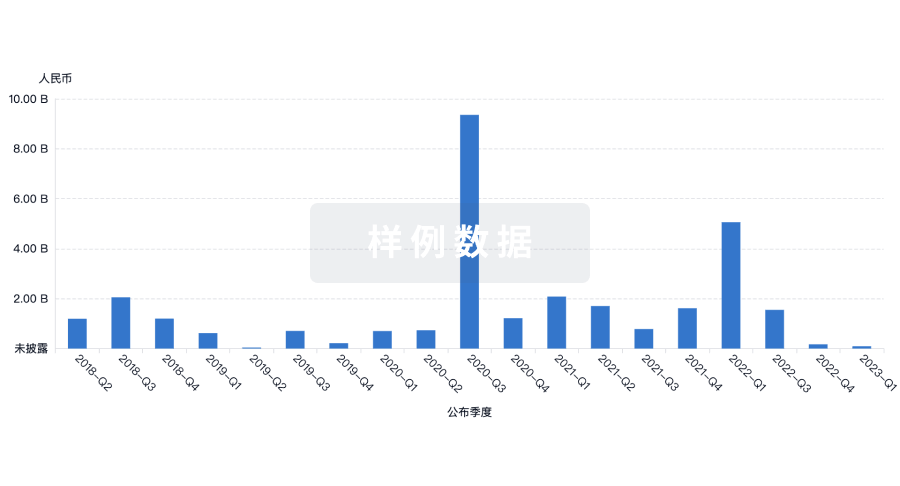
投资
深入了解从初创企业到成熟企业的最新公司投资动态。
登录
或
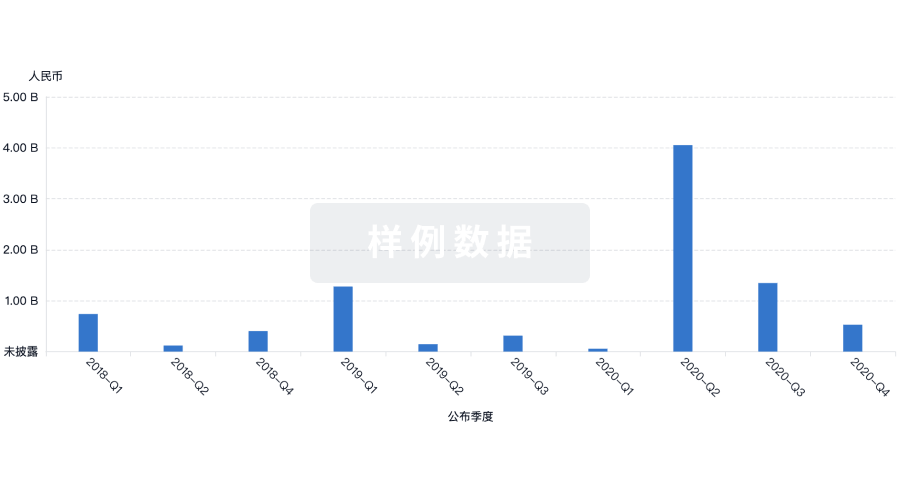
融资
发掘融资趋势以验证和推进您的投资机会。
登录
或
提出任何生物医药研究问题
让每一步生物医药决策都精准制胜
基于十亿级生物数据与全球情报的精准 AI,赋能早期药物发现
立即开始免费试用!
智慧芽新药情报库是智慧芽专为生命科学人士构建的基于AI的创新药情报平台,助您全方位提升您的研发与决策效率。
立即接入生物医药数据包
智慧芽新药库数据也通过智慧芽开放平台,以MCP或API服务形式对外开放。立即使用我们的MCP服务定制您的LLM智能体。
生物序列数据库
生物药研发创新
免费使用
化学结构数据库
小分子化药研发创新
免费使用