预约演示
更新于:2025-12-06

Cardiff Metropolitan University
更新于:2025-12-06
概览
关联
NCT03215849
The Effect of Biventricular Pacing in Heart Failure With Preserved Left Ventricular Ejection Fraction: A Pilot Mechanistic Analysis

NCT05474079
The Effects of Supervised Exercise Training in the Primary Prevention of Cardiovascular Disease in Stain-Users and Non Statin-Users
NCT05154838
Development of Volatile Organic Compounds (VOC) Analysis as a Potential Diagnostic for Infected and Non-Healing Wounds
100 项与 Cardiff Metropolitan University 相关的临床结果
登录后查看更多信息
登录后查看更多信息
2026-01-01Brazilian Journal of Otorhinolaryngology
Effects of inner ear abnormalities on middle ear mechanics: Findings from adults with MD and LVAS
Article
作者: Zhao, Fei ; Liu, Wen ; Mu, Yi ; Shen, Chanfeng ; Jiang, Wen ; Li, Xuanyi ; Zhang, Huiying ; Lin, Huan ; Qiao, Yuehua
OBJECTIVE:
To evaluate the clinical significance of WAI as a predictive marker for MD and LVAS among adults.
METHODS:
Participants included 110 ears with MD, 18 ears with LVAS, and 92 normal ears (control group) recruited from clinical audiology settings. The outcome measures included Wideband Energy Absorbance (WBA), Resonance Frequency (RF), admittance Magnitude (YM), and phase Angle (YA). Propensity Score Matching (PSM) was conducted to treat the group imbalance.
RESULTS:
Compared with the control group, The MD group exhibited significantly lower WBA between 1587 and 4000 Hz (p < 0.05), while the LVAS group showed lower WBA between 1000 and 2520 Hz (p < 0.05). The MD and LVAS groups had lower RF (p < 0.05), while they had higher YM at low frequencies (226 and 678 Hz for MD, and 1000 Hz for LVAS, p < 0.05).
CONCLUSIONS:
This study showed that LVAS has a lower WBA at middle frequencies, whereas MD has a lower WBA at middle and high frequencies. These findings suggest that WAI may serve as a predictive marker for MD and LVAS. However, further studies are needed to explore its diagnostic utility in Third Mobile Window Abnormalities (TMWA).
LEVEL OF EVIDENCE:
IV: Retrospective cohort study.
2026-01-01JOURNAL OF BIOMECHANICS
Assessing agreement and usability of kinematic measures between markerless and marker-based motion capture systems during jumping activities
Article
作者: Buria, Katie N ; Kwak, Samuel T ; Myer, Gregory D ; DiCesare, Christopher A ; Hulburt, Tessa C ; Riehm, Christopher D ; Hybart, Rachel L ; Trotter, Natalie ; Zendler, Jessica M ; Raphael, Naveen ; Schille, Andrew ; Anand, Manish
Markerless motion capture technology can improve efficiency and accessibility in human biomechanics research, yet its accuracy and precision are not fully vetted. As markerless technology relies on the field-of-view from 2D video-based images from cameras, the effect of camera positioning on reliability of resulting kinematics and usability of such technology are not well understood. Various jumping tasks were concurrently recorded from 11 participants using three independent camera systems: two identical markerless camera systems positioned 1.4 and 3 m high, respectively, to assess precision between camera setups, and a marker-based system to assess accuracy relative to an industry standard. Usability of the markerless system was assessed using two novice and two experienced motion capture users. When assessing precision of kinematics, the markerless systems demonstrated a mean intraclass correlation coefficient of 0.95 ± 0.01 and mean root mean square error of 1.91 ± 0.98°. Relative to a marker-based system, the markerless system had a mean Lin's concordance correlation coefficient of 0.51 ± 0.19 and mean root mean square error of 3.29 ± 2.36°, after making bias-adjusting shifts in joint angles with the largest errors observed in hip flexion. Users rated the markerless system highly for ease and confidence of use. While differing definitions for the pelvis may systematically affect comparisons between marker-based and markerless systems, our data indicates that the evaluated markerless motion capture technology demonstrated good precision between identical systems using different camera perspectives, was accurate relative to a standard marker-based system, and was easy for novices and experienced users to acquire and process data.
2025-12-01PERCEPTUAL AND MOTOR SKILLS
Relative Age Effects in Women’s and Girls’ Cricket
Article
作者: Brustio, Paolo Riccardo ; de la Rubia, Alfonso ; McAuley, Alexander B. T. ; Radnor, John M. ; Jiménez-Sáiz, Sergio L. ; Reed, Rob ; Kelly, Adam L.
Background:
Relative age effects (RAEs) refer to the overrepresentation of athletes born earlier in a selection year and may influence talent identification in sport. While RAEs are well-documented in male cricket, limited research exists in the female game.
Purpose:
To examine the prevalence of RAEs across the England and Wales Cricket Board (ECB) women’s and girls’ national talent pathway, from youth to senior levels.
Research Design:
A cross-sectional design comparing observed and expected birthdate distributions.
Study Sample:
Data were collected for 289 players from six cohorts: Regional Festivals (n = 108), School Games (n = 48), England U19 World Cup Squad (n = 15), and senior national squads—T20 (n = 47), ODI (n = 41), and Test (n = 30).
Data Collection and/or Analysis:
Players’ birthdates were categorised into quartiles based on the UK academic year. Chi-square tests and odds ratios (95% CIs) were used to assess RAEs by cohort and skill set (batters, bowlers). Transitions from youth to senior levels were also examined.
Results:
Significant RAEs were identified in all youth cohorts, with relatively older players overrepresented. In contrast, senior cohorts showed a reversal effect, with relatively younger players more prevalent, particularly among those who played more matches. These patterns were evident across both batters and bowlers.
Conclusions:
RAEs are present in the ECB women’s and girls’ talent pathway, suggesting selection biases that may hinder long-term development. Stakeholders should implement strategies to create a more equitable pathway and support all players in realising their potential.
100 项与 Cardiff Metropolitan University 相关的药物交易
登录后查看更多信息
100 项与 Cardiff Metropolitan University 相关的转化医学
登录后查看更多信息
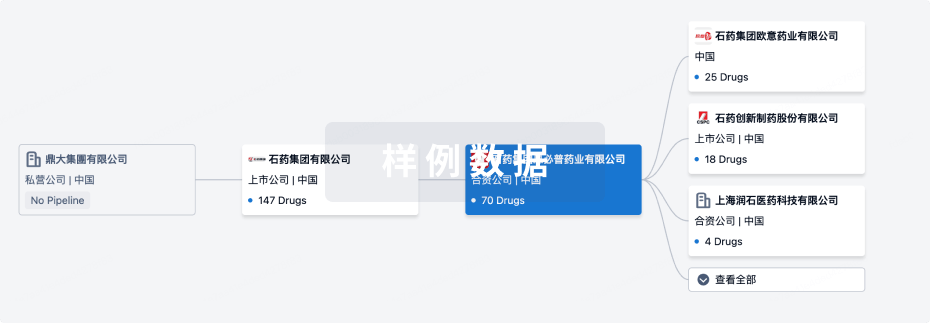
组织架构
使用我们的机构树数据加速您的研究。
登录
或
管线布局
2026年02月09日管线快照
无数据报导
登录后保持更新
药物交易
使用我们的药物交易数据加速您的研究。
登录
或

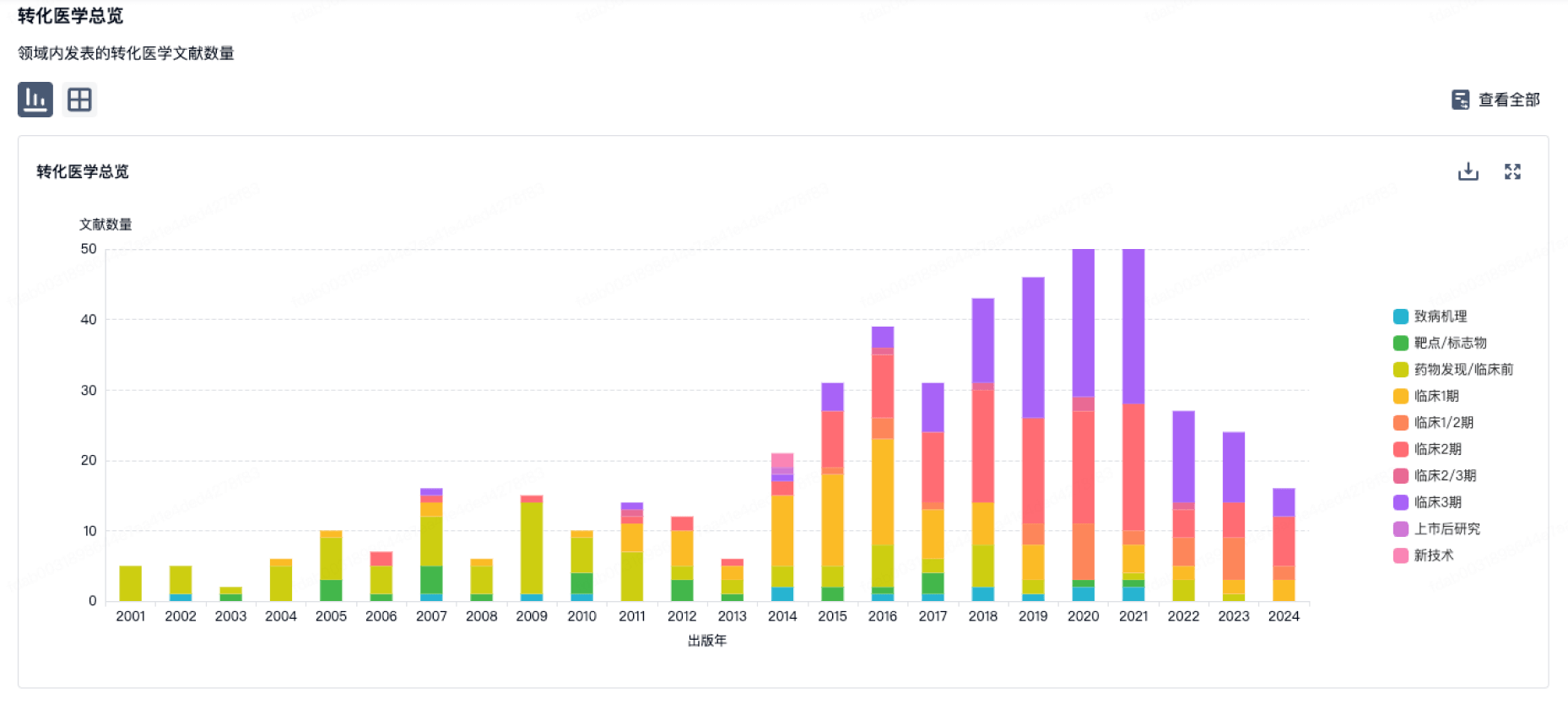
转化医学
使用我们的转化医学数据加速您的研究。
登录
或
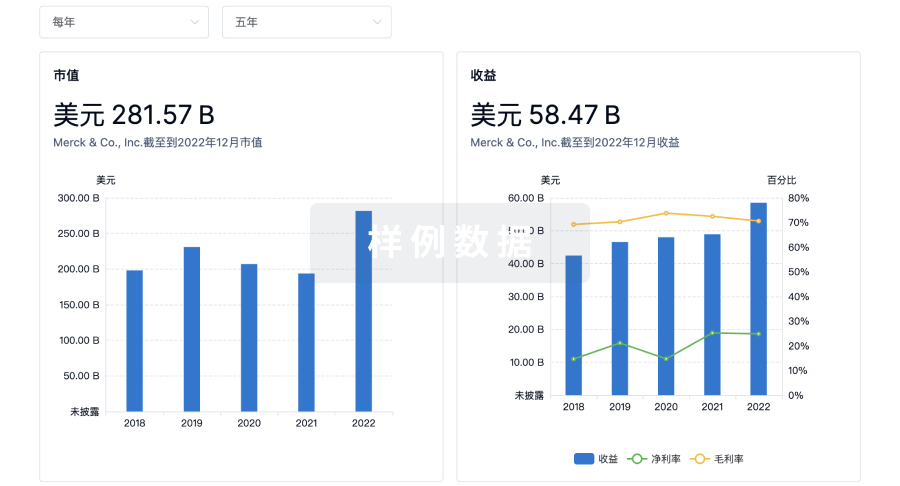
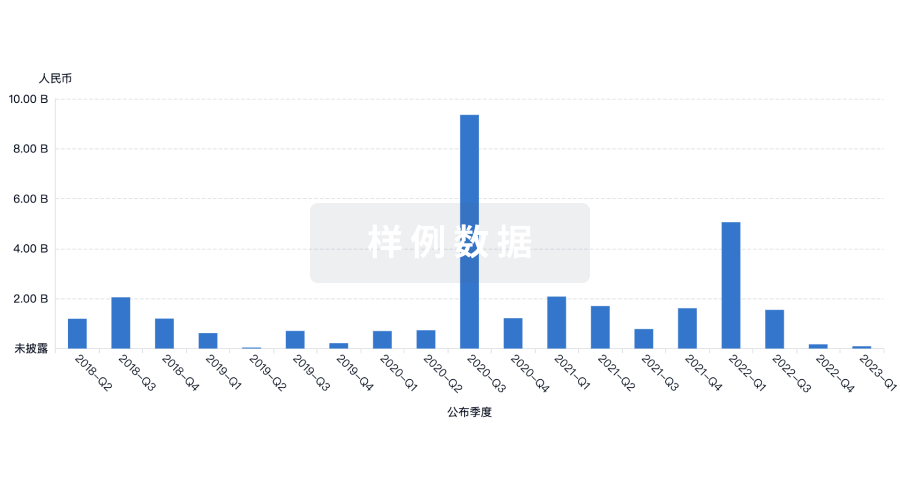
营收
使用 Synapse 探索超过 36 万个组织的财务状况。
登录
或
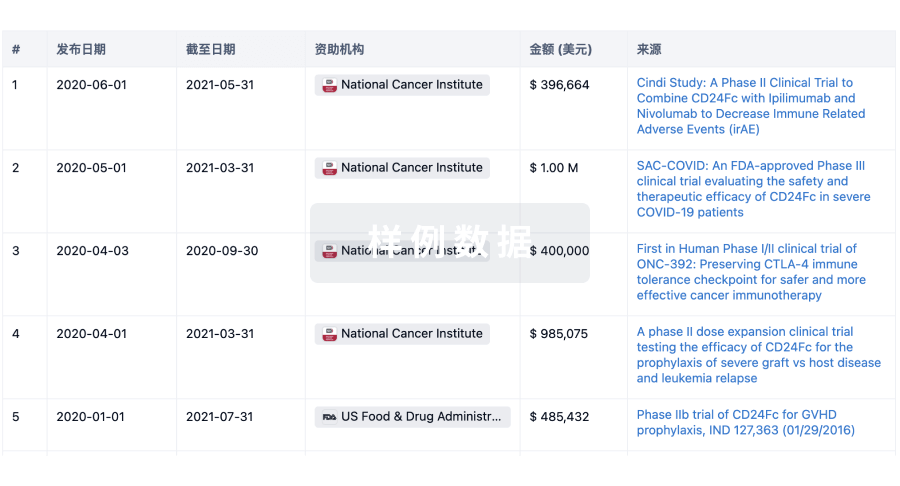
科研基金(NIH)
访问超过 200 万项资助和基金信息,以提升您的研究之旅。
登录
或
投资
深入了解从初创企业到成熟企业的最新公司投资动态。
登录
或
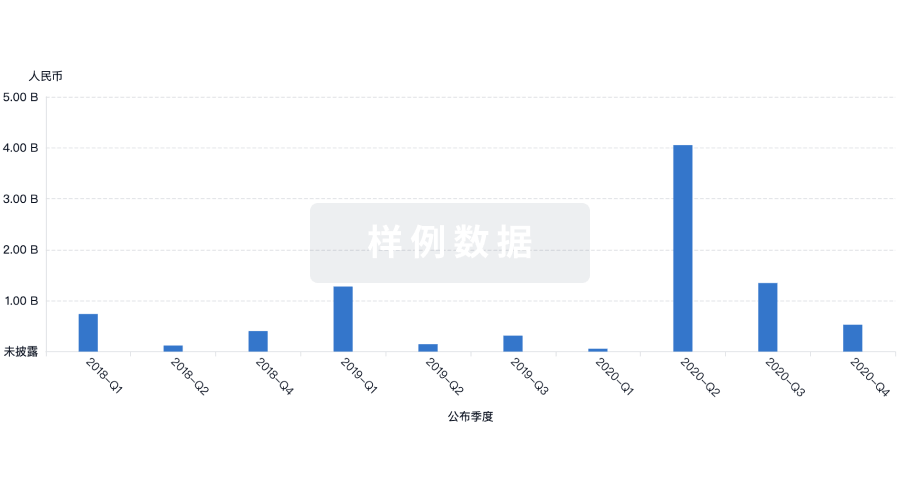
融资
发掘融资趋势以验证和推进您的投资机会。
登录
或
生物医药百科问答
全新生物医药AI Agent 覆盖科研全链路,让突破性发现快人一步
立即开始免费试用!
智慧芽新药情报库是智慧芽专为生命科学人士构建的基于AI的创新药情报平台,助您全方位提升您的研发与决策效率。
立即开始数据试用!
智慧芽新药库数据也通过智慧芽数据服务平台,以API或者数据包形式对外开放,助您更加充分利用智慧芽新药情报信息。
生物序列数据库
生物药研发创新
免费使用
化学结构数据库
小分子化药研发创新
免费使用