预约演示
更新于:2025-09-09

Asian University For Women
更新于:2025-09-09
概览
关联
NCT06632275
Family Caregiver Participation in Hospital Care in a Tertiary Hospital in Bangladesh: a Mixed Methods Study
100 项与 Asian University For Women 相关的临床结果
登录后查看更多信息
登录后查看更多信息
2025-09-01ENDEAVOUR
Vesalius and Pulicat: Skeletal imagery in seventeenth-century south India
Article
作者: Mathew, John ; Margócsy, Dániel
This article identifies the first known instance of visual engagement with the iconic anatomical imagery of Andreas Vesalius' De humani corporis fabrica (1543) east of Istanbul. Two skeleton men from the Fabrica provide the design for skeletal sculptures decorating the Dutch cemetery in the colonial port town of Pulicat, in Tamil Nadu, India. We ask what it meant to engage with these iconic images of European anatomy in a seventeenth-century trading port on the Bay of Bengal, both for those who were responsible for their production and for those who passed by the cemetery. This article argues that the visual solutions of the Pulicat sculptures bring into conversation not only medical anatomy and funerary architecture, but also the artistic traditions of Europe and the Deccan, and, most importantly, the somewhat differing early modern European and Indian approaches to visualizing the skeletal structures of human bodies. The Pulicat sculptures can be productively understood as a potential meeting point for the contemplation of the fragile human body from the perspectives of European and Islamicate anatomy, Christian traditions of natural theology and memento mori, as well as South Indian and especially mystic Sufi asceticism.
2025-09-01Journal, genetic engineering & biotechnology
Gender-specific insights into TTN mutation: potential biomarker for female risk in kidney renal clear cell carcinoma
Article
作者: Biswas, Paromita ; Tabassum, Sadia ; Saha, Ayan ; Ferdoush, Jannatul ; Kar, Pallab ; Sharmin, Senzuti ; Roy, Ayan ; Ahmed, Tazin
Kidney Renal Clear Cell Carcinoma (KIRC) is a leading cause of cancer death worldwide, but its early detection remains hindered by a lack of genetic markers. Our study aims to find prospective biomarkers that could serve as prognostic indicators and help in the identification of efficient drug candidates for KIRC treatment. Importantly, this study identifies the hub genes that play a crucial role in KIRC and their impact on male and female patients. The cBioPortal was used to identify frequently mutated genes across seven KIRC studies. Additionally, GSE168845 was employed to identify the differentially expressed genes. The analysis revealed that the titin (TTN) gene was mutated and upregulated in KIRC. Subsequently, differential genes of wild-type TTN versus mutant TTN were identified using TNMplot. The NetworkAnalyst tool was used to conduct KEGG analysis and PPI analysis on these genes. Furthermore, the Kaplan-Meier Plotter was utilized to perform overall survival analysis. Our findings indicated that the TTN gene leads to poorer prognosis in women than in men. We also discovered that the female-specific prolactin signaling pathway plays a significant role in the progression of KIRC. Moreover, our study suggested that the GDF15 gene, involved in the prolactin signaling pathway, has a worse prognosis for KIRC in women than in men. Additionally, mRNA expression analysis showed a negative correlation between GDF15 and MAPK14 in KIRC. Collectively, our research indicates that TTN, GDF15, and MAPK14 can serve as prognostic biomarkers in female KIRC patients, offering prospects for enhanced treatment and patient outcomes in these cancers.
2025-04-02AMERICAN JOURNAL OF TROPICAL MEDICINE AND HYGIENE
Epidemiological and Geographical Factors Associated with Dengue in Bangladesh: A Multicenter Study of the 2023 Dengue Epidemic
Article
作者: Tanzina, Afsana Yeasmin ; Mehedi, H. M. Hamidullah ; Chowdhury, Abul Faisal Md. Nuruddin ; Pulock, Orindom Shing ; Rumi, Meheadi Hasan ; Alam, Nazmul ; Prachi, Masruma Meherine ; Mohammed, Noor ; Mannan, Adnan ; Sattar, Md Abdus ; Kaiser, Emrul ; Sultana, Nishat ; Biswangree, Arpita
ABSTRACT.:
Bangladesh is a well-known epidemic zone for dengue fever. Several epidemiological and geographical factors influence the transmission and severity of dengue infection. This study aimed to determine the epidemiological and geographical factors that contributed to the severity of the dengue outbreak in Bangladesh in 2023. This hospital-based cross-sectional study investigated 1,313 dengue patients admitted to public hospitals in Dhaka, Chattogram and Kishoreganj, Bangladesh, between July and December 2023. Multiple logistic regression analyses were conducted to identify the independent risk factors for severe dengue infection. The average age of respondents was 29.5 years, with individuals aged 20–40 accounting for 59.5%. Of the 1,313 dengue patients, 19.3% (254) were diagnosed with severe dengue infection. Patients with low monthly income and those lacking awareness of dengue’s spread from clogged rooftop water were respectively 2.35 (adjusted odds ratio [aOR] 2.35; P <0.05; 95% CI: 1.08–5.07) and 2.23 (aOR 2.23; P <0.05; 95% CI: 1.20–4.14) times more likely to develop severe dengue. The dengue outbreak has become a serious public health issue in Bangladesh, with factors such as low family income and lack of awareness contributing to the development of severe cases. These findings provide valuable evidence for policymakers to guide and implement preventive measures and raise awareness.
100 项与 Asian University For Women 相关的药物交易
登录后查看更多信息
100 项与 Asian University For Women 相关的转化医学
登录后查看更多信息
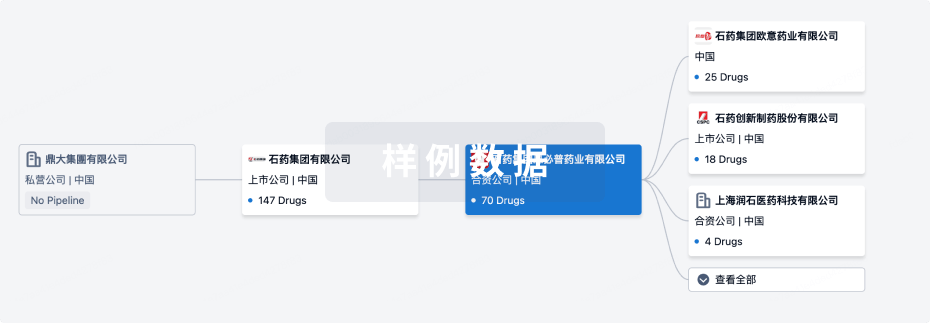
组织架构
使用我们的机构树数据加速您的研究。
登录
或
管线布局
2026年02月08日管线快照
无数据报导
登录后保持更新
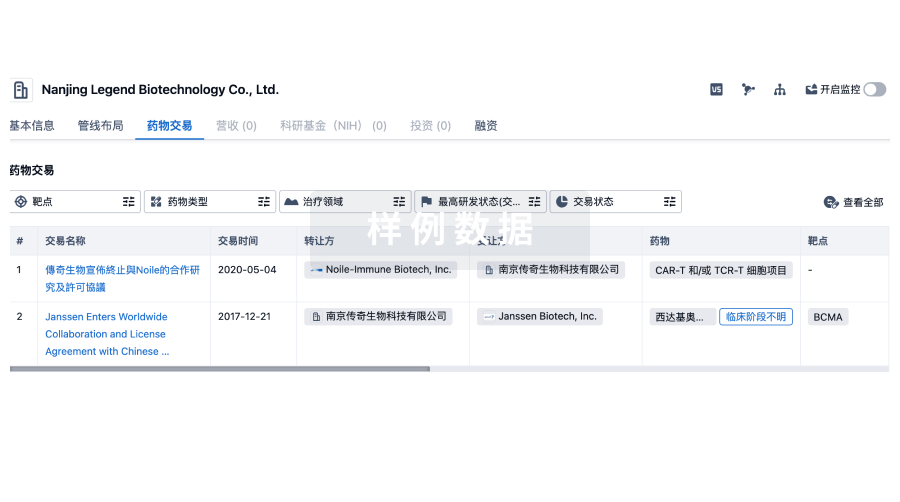
药物交易
使用我们的药物交易数据加速您的研究。
登录
或
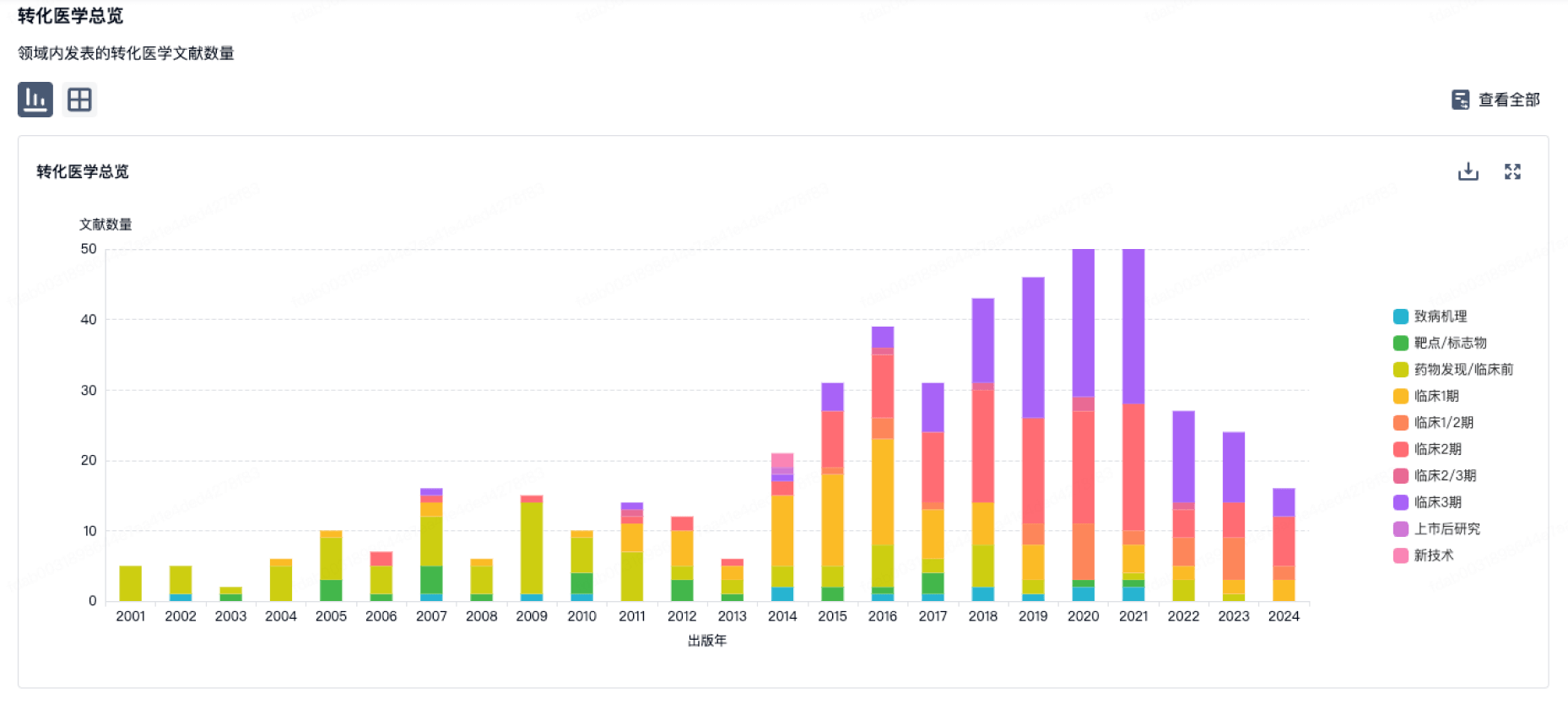
转化医学
使用我们的转化医学数据加速您的研究。
登录
或
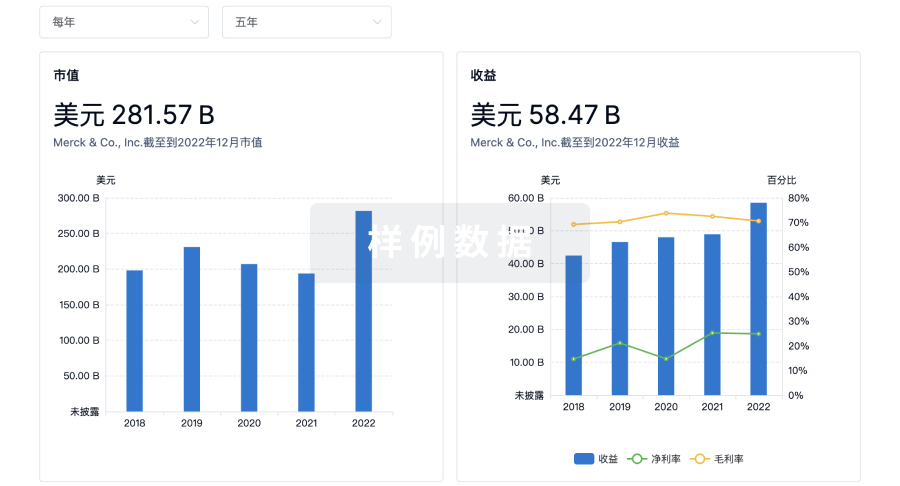
营收
使用 Synapse 探索超过 36 万个组织的财务状况。
登录
或
科研基金(NIH)
访问超过 200 万项资助和基金信息,以提升您的研究之旅。
登录
或
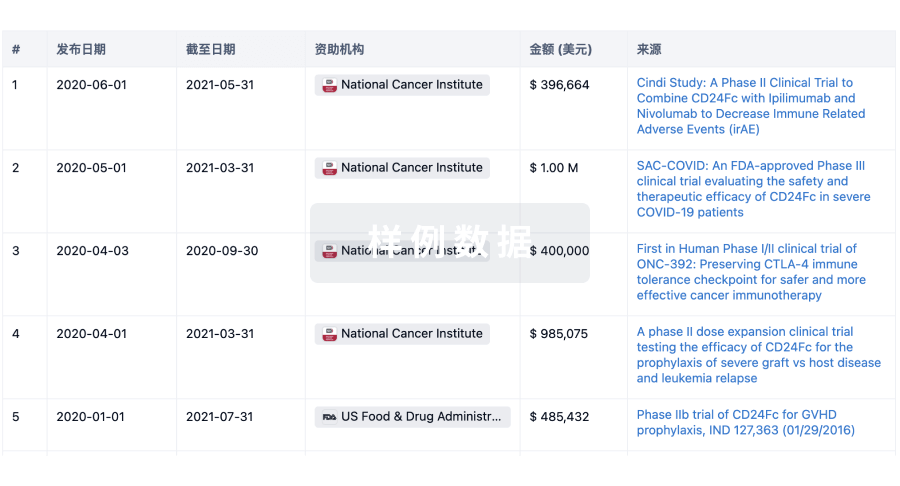
投资
深入了解从初创企业到成熟企业的最新公司投资动态。
登录
或
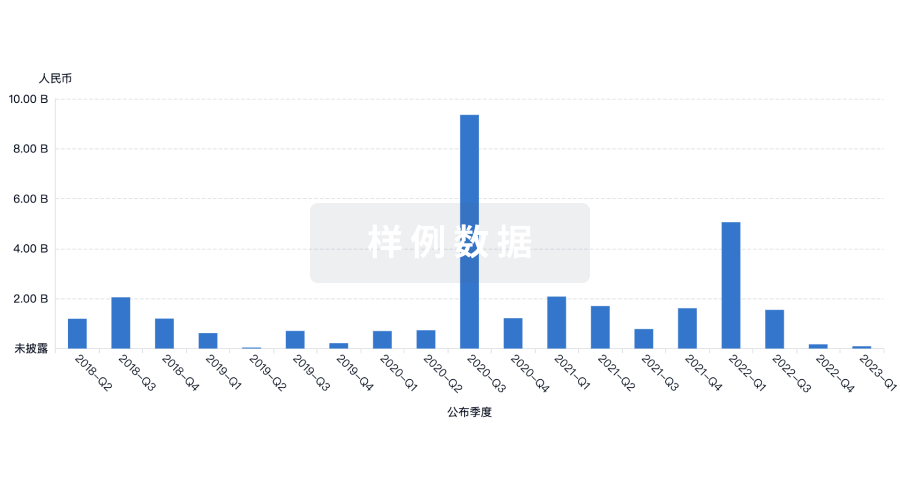
融资
发掘融资趋势以验证和推进您的投资机会。
登录
或
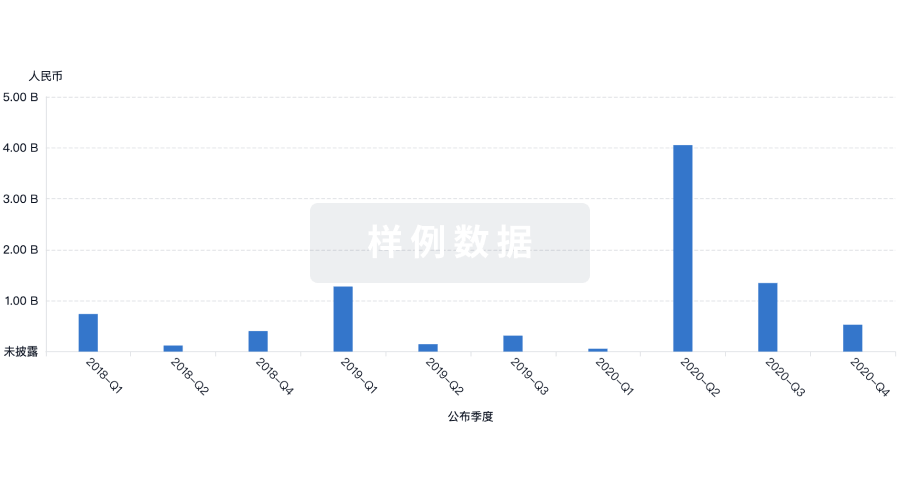
生物医药百科问答
全新生物医药AI Agent 覆盖科研全链路,让突破性发现快人一步
立即开始免费试用!
智慧芽新药情报库是智慧芽专为生命科学人士构建的基于AI的创新药情报平台,助您全方位提升您的研发与决策效率。
立即开始数据试用!
智慧芽新药库数据也通过智慧芽数据服务平台,以API或者数据包形式对外开放,助您更加充分利用智慧芽新药情报信息。
生物序列数据库
生物药研发创新
免费使用
化学结构数据库
小分子化药研发创新
免费使用