预约演示
更新于:2026-08-04

Qingdao Municipal Hospital
更新于:2026-08-04
概览
关联
NCT07726615
A Multicenter Randomized Controlled Trial of Time-Restricted Eating, Staple Food Reduction, and App-Supported Exercise for Weight Loss and Glycemic Improvement in Adults With Obesity and Abnormal Glucose Metabolism

ChiCTR2600128095
The impact of a nurse navigator-led enhanced recovery optimized protocol on postoperative recovery quality in colorectal cancer patients: A prospective randomized controlled trial
ChiCTR2600123888
A Study on the Efficacy and Safety of Ciprofol in Painless Oocyte Retrieval
100 项与 青岛市市立医院 相关的临床结果
登录后查看更多信息
登录后查看更多信息
2026-10-01JOURNAL OF PSYCHIATRIC RESEARCH
Top-down rather than bottom-up attention processing mediates the pathway from childhood trauma exposure to depression in adolescents
Article
作者: Li, Zhe ; Han, Mengfan ; Qin, Junfeng ; Wang, Yinglin ; Becker, Benjamin ; Xu, Xiaolei ; Shen, Donghui
BACKGROUND:
Childhood trauma (CT) is a critical risk for major depressive disorder (MDD), yet the cognitive mechanisms linking CT to adolescent depression remain poorly understood. While alterations in attentional processing are core features of MDD, it remains unclear whether attentional dysfunctions, particularly in the domain of social cognition, mediate the link between CT and adolescent depression.
OBJECTIVE:
This study employed a dual-method approach: (1) categorical determination of attentional alterations in adolescent with MDD, and (2) dimensional examination of the mediating effect of attentional alterations in CT-depression pathways.
PARTICIPANTS AND SETTING:
122 adolescents including 72 first-episode treatment-naïve MDD and 50 healthy controls were recruited in this study.
METHODS:
Attentional processing was assessed using an anti-saccade paradigm with pro-saccade (bottom-up allocation) and anti-saccade (top-down control) conditions across non-social shapes and social-emotional faces. CT exposure and depressive symptoms were measured via Childhood Trauma Questionnaire (CTQ) and Self-rating Depression Scale (SDS), respectively.
RESULTS:
Compared to healthy controls, adolescents with MDD exhibited lower accuracy, longer response latency, and a novel trial sequential analysis revealed more errors in switch trials and slower post-error responses during the anti-saccade task. Only top-down attentional control, not bottom-up allocation, specifically mediated the association between CT and depression.
CONCLUSIONS:
Adolescents with MDD showed reduced cognitive flexibility and impaired post-error adjustment, particularly in tasks requiring top-down attentional control in dynamic or emotionally changing context. Top-down attentional dysfunction constitutes a specific mechanistic pathway linking CT to depression in adolescence, highlighting executive attention as a critical early intervention target for trauma-related depression.
2026-10-01INTERNATIONAL JOURNAL OF MEDICAL INFORMATICS
Functional near-infrared spectroscopy-based machine learning techniques for autism spectrum disorder diagnosis: a systematic review and meta-analysis
Review
作者: Wu, Yinghua ; He, Luna ; Gao, Jing ; Li, Xiawei ; Yan, Fuli ; Zhou, Yu
BACKGROUND:
Diagnosis of autism spectrum disorder (ASD) primarily relies on subjective behavioral assessments, posing risks of delayed and missed diagnoses. The combination of functional near-infrared spectroscopy (fNIRS) technology and machine learning (ML) offers a novel approach for objective ASD identification; however, its overall diagnostic efficacy and key influencing factors require systematic evaluation.
METHODS:
Following the PRISMA guidelines, we systematically searched PubMed, EMBASE, Web of Science, The Cochrane Library, and Wiley Online Library databases to comprehensively collect English-language literature on fNIRS-based machine learning techniques for ASD diagnosis published from the inception of our database to December 2025. Data were extracted to calculate pooled sensitivity (sen), specificity (spe), positive likelihood ratio (LR + ), negative likelihood ratio (LR-), diagnostic odds ratio (DOR), and their 95% confidence intervals (CI). Pooled receiver operating characteristic (ROC) curves were plotted, and area under the curve (AUC) was calculated to assess diagnostic value. The I2 test assessed study heterogeneity, which was explored through meta-regression and subgroup analyses. Publication bias was evaluated using Deeks funnel plot asymmetry tests. The review protocol was registered in PROSPERO (CRD420251250866).
RESULTS:
A total of 17 studies were included in the systematic review, with 15 studies included in the meta-analysis. The pooled analysis showed that the sensitivity of fNIRS-based ML techniques for diagnosing ASD was 0.92 (95% CI 0.87-0.95),with a specificity of 0.94 (95% CI 0.90-0.97) and a composite area under the receiver operating characteristic curve (AUC) of 0.98 (95% CI 0.96-0.99). Based on these findings, fNIRS-based ML techniques demonstrate good diagnostic value for ASD.
CONCLUSION:
fNIRS-based ML techniques demonstrate excellent diagnostic accuracy for ASD, presenting a highly promising objective diagnostic tool. Future research should focus on establishing standardized, multicenter datasets and analytical workflows, while exploring multimodal data fusion and model interpretability to advance this technology toward stable, reliable clinical diagnostic support.
2026-08-01JOURNAL OF MOLECULAR HISTOLOGY
miR-524-5p suppresses cervical cancer progression through targeting the LRP6/Wnt/β-catenin axis
Article
作者: Li, Jialin ; Yuan, Min ; Liang, Yufei ; Huang, Yingying
As a leading gynecological malignancy worldwide, cervical cancer represents a major threat to female health. Further research is essential to elucidate its pathogenic mechanisms and develop effective therapeutic interventions. The objective is to examine the correlation between miR-524-5p and both the diagnostic and prognostic aspects of cervical cancer, while also elucidating its underlying mechanisms. Quantitative detection of miR-524-5p and LRP6 levels were performed via RT-qPCR, ELISA and Western blot. The diagnostic and prognostic potential of serum miR-524-5p in cervical cancer was assessed using ROC, Kaplan-Meier curves, and multivariate Cox regression. Bioinformatic analysis coupled with dual-luciferase reporter assays validated the direct targeting of LRP6 by miR-524-5p. The CCK-8 and Transwell assays were employed to assess the biological behavior of cervical cancer cells. Serum miR-524-5p was downregulated in cervical cancer compared to normal controls, and it had higher diagnostic value and worse survival outcome. LRP6 was identified as a direct target of miR-524-5p and demonstrated negative regulation by it. The upregulation of miR-524-5p was found to exert a marked inhibitory effect on the proliferative capacity of CaSki and HeLa cells, as well as their migratory and invasive potential. Additionally, the Wnt/β-catenin pathway was inhibited. However, co-transfection of miR-524-5p and LRP6 overexpression partially reversed the repressive effect of miR-524-5p mimic on cell biological functions. miR-524-5p demonstrates predictive potential for early detection and prognosis in cervical cancer. Functionally, it affects the Wnt/β-catenin pathway by directly targeting LRP6, thereby inhibiting malignant cell behavior.
100 项与 青岛市市立医院 相关的药物交易
登录后查看更多信息
100 项与 青岛市市立医院 相关的转化医学
登录后查看更多信息
组织架构
使用我们的机构树数据加速您的研究。
登录
或
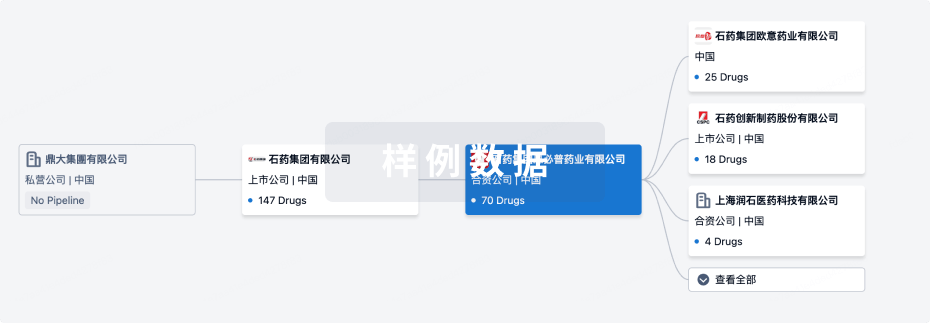
管线布局
2026年10月25日管线快照
无数据报导
登录后保持更新
药物交易
使用我们的药物交易数据加速您的研究。
登录
或
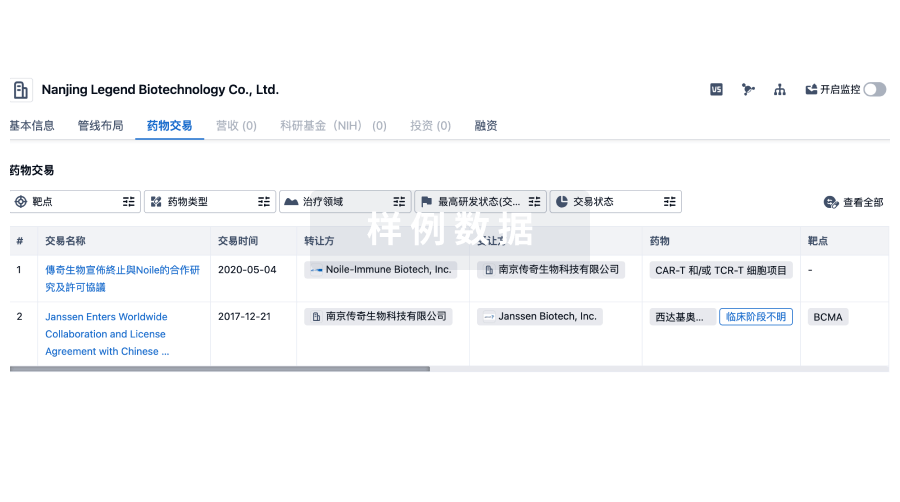
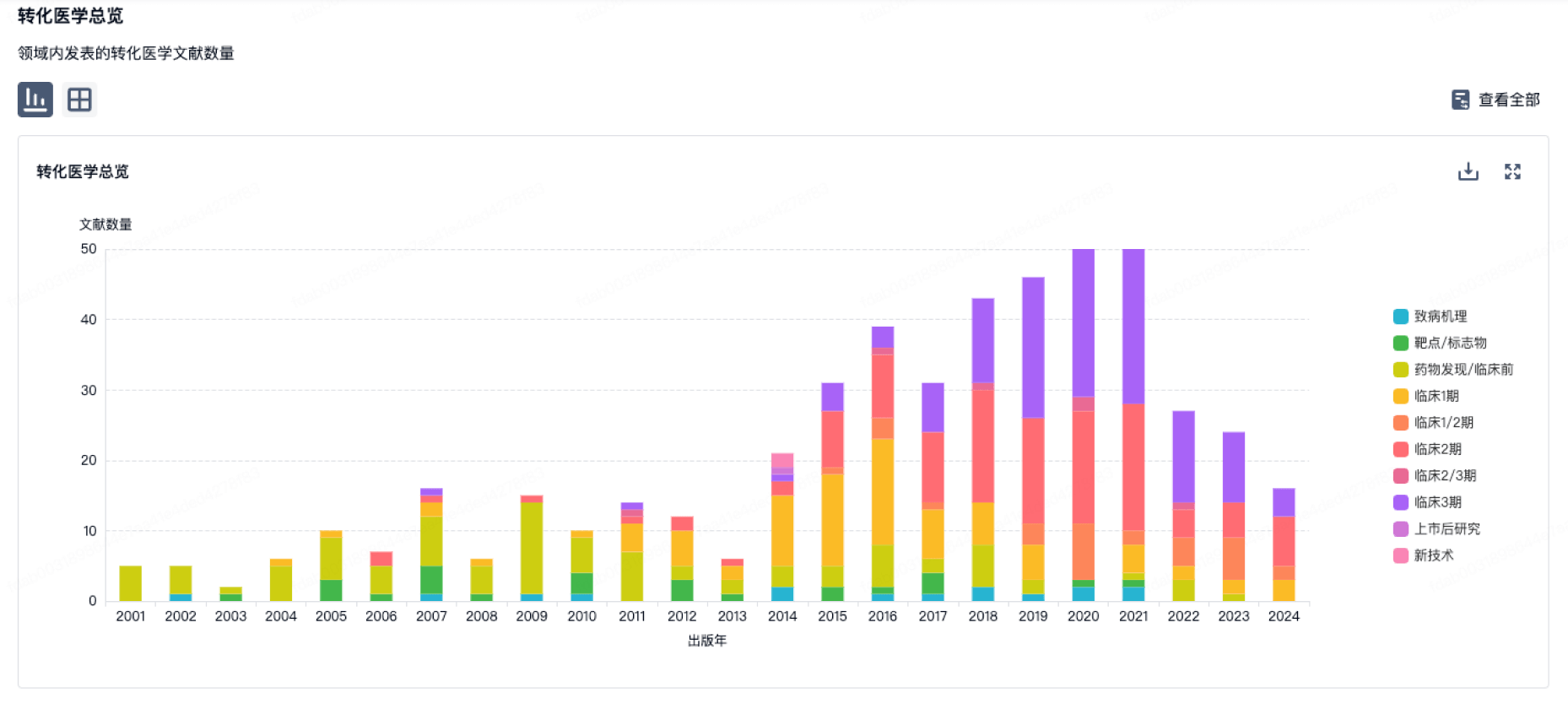
转化医学
使用我们的转化医学数据加速您的研究。
登录
或
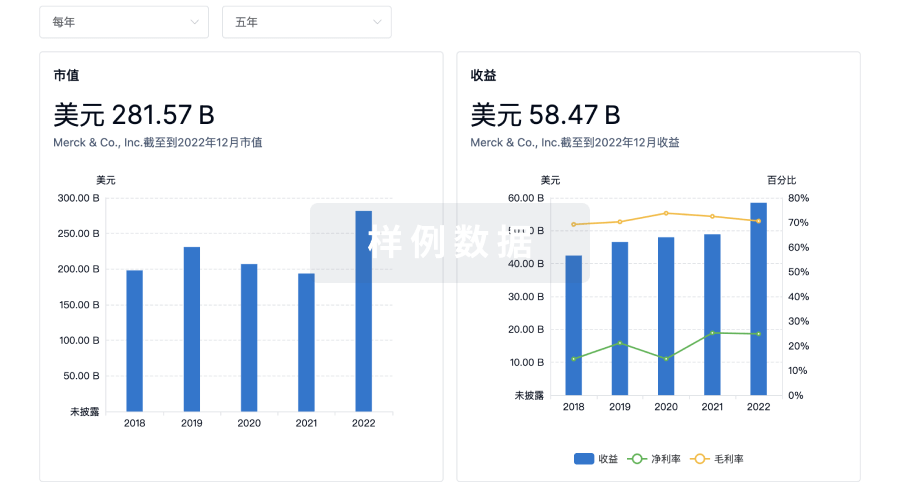
营收
使用 Synapse 探索超过 36 万个组织的财务状况。
登录
或
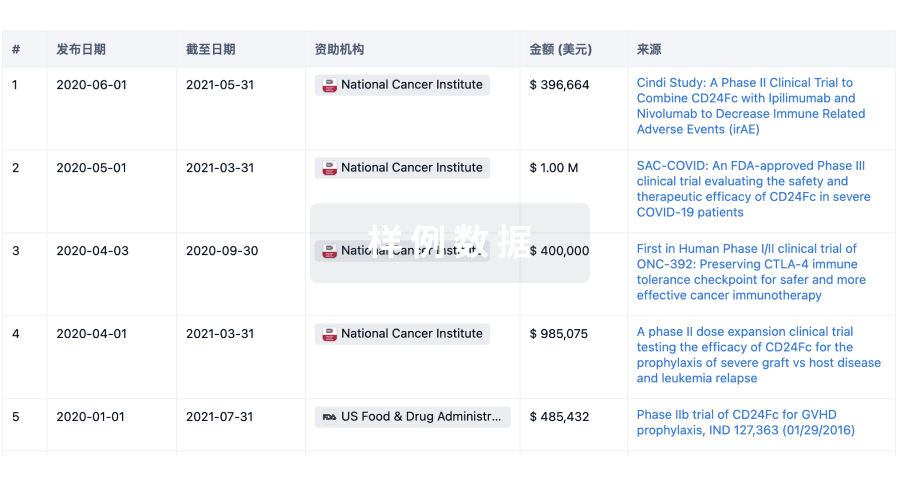
科研基金(NIH)
访问超过 200 万项资助和基金信息,以提升您的研究之旅。
登录
或
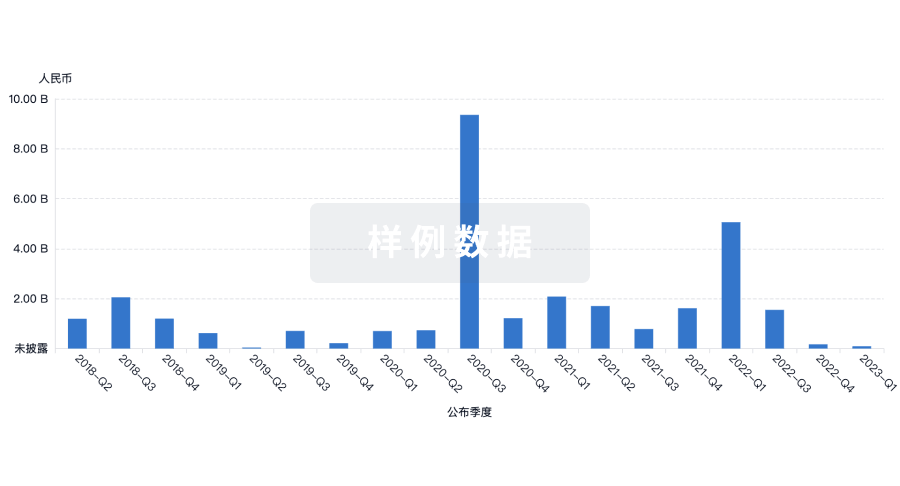
投资
深入了解从初创企业到成熟企业的最新公司投资动态。
登录
或
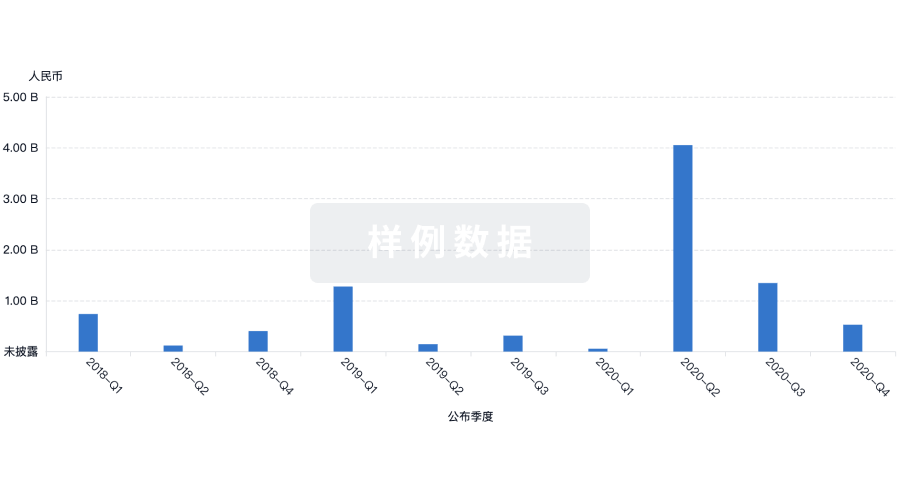
融资
发掘融资趋势以验证和推进您的投资机会。
登录
或
提出任何生物医药研究问题
让每一步生物医药决策都精准制胜
基于十亿级生物数据与全球情报的精准 AI,赋能早期药物发现
立即开始免费试用!
智慧芽新药情报库是智慧芽专为生命科学人士构建的基于AI的创新药情报平台,助您全方位提升您的研发与决策效率。
立即接入生物医药数据包
智慧芽新药库数据也通过智慧芽开放平台,以MCP或API服务形式对外开放。立即使用我们的MCP服务定制您的LLM智能体。
生物序列数据库
生物药研发创新
免费使用
化学结构数据库
小分子化药研发创新
免费使用