预约演示
更新于:2026-03-04
Onze Lieve Vrouwe Gasthuis
更新于:2026-03-04
概览
关联
NCT07275437
A Randomized, Controlled Trial Investigating the Effectiveness and Safety of Uptitration of Guideline Directed MEdical Therapy in Heart Failure With a Reduced Ejection Fraction With Limited Standardized Kidney Function Assessments (RESUME-HF-Kidney)
NL-OMON58071
Feasibility of Same-Day Discharge After Robot Assisted Liver Surgery - DAY-HEP
NL-OMON58072
Feasibility of Same-Day Discharge After Robot Assisted Colon Surgery - DAY-COL
100 项与 Onze Lieve Vrouwe Gasthuis 相关的临床结果
登录后查看更多信息
登录后查看更多信息
2026-12-01Journal of Sport and Health Science
Injury risk and prevention research in sports: Are titles delivering on their promises or are they just a sales pitch to capitalize on a hot topic?
Article
作者: Pizzari, Tania ; Thapa, Rohit Kumar ; Silva, Ana Filipa ; Akyildiz, Zeki ; Chen, Rongzhi ; Reurink, Guus ; Andrade, Renato ; Rocha-Rodrigues, Sílvia ; Silva, João Renato ; Pizarro, Andreia ; Ramirez-Campillo, Rodrigo ; Sarmento, Hugo ; Afonso, José ; Clemente, Filipe Manuel
2026-04-01RADIOTHERAPY AND ONCOLOGY
Clinical outcomes of stereotactic MRI-guided adaptive radiotherapy for renal tumors in patients with a solitary kidney
Article
作者: van der Wel, Antoinet ; van den Eertwegh, Fons J M ; Zondervan, Patricia J ; Bruynzeel, Anna M E ; Verheijen, Sonja ; Lagerveld, Brunolf W ; Tetar, Shyama U ; Graafland, Niels M ; van Vliet, Claire ; Slotman, Ben J ; Weitkamp, Nienke W ; van Moorselaar, Jeroen R A ; Caro, Joyce ; Damhoff, Daphne ; Bex, Axel ; Palacios, Miguel A ; Bohoudi, Omar
BACKGROUND AND PURPOSE:
Patients with renal cell carcinoma (RCC) in a solitary kidney have limited treatment options. Stereotactic MRI-guided adaptive radiotherapy (SMART) offers a non-invasive alternative that preserves healthy kidney tissue. This study evaluated the clinical outcomes of SMART in patients with renal tumors in a solitary kidney. Oncological outcomes, renal function preservation, and treatment-related toxicity were assessed.
MATERIALS AND METHODS:
All consecutive patients with RCC in a solitary kidney treated with SMART between 2018 and 2024 in a single center were analyzed. Local control was defined as any response or stable disease using RECIST criteria. Kaplan-Meier analysis was used for survival outcomes and paired t-tests assessed renal function changes.
RESULTS:
Thirty-two patients with a median age of 70 years were included. Most patients had WHO status 0-1 (93.8%) and had prior nephrectomy for RCC (78.1%). Median tumor size was 4.2 cm, and median pre-treatment eGFR was 45.8 ml/min. Seven patients were treated for multiple lesions, in simultaneous or separate sessions. Most patients were treated in a single (22.8%) or five (74.3%) fractions. After a median follow-up of 21.3 months, the local control rates at 1 and 2 years were 96.2% and 90.1%, respectively. Mean eGFR change was -6.6 ml/min, none required dialysis. No grade ≥ 3 toxicity was observed. The overall survival rate at 2 years was 80.9%.
CONCLUSION:
SMART provides high local control with minimal impact on renal function, offering a non-invasive, kidney-sparing treatment option that also enables repeated treatments within the solitary kidney.
2026-03-01Netherlands Heart Journal
Left ventricular assist device utilization across the different regions of the Netherlands
Article
作者: Drost, Valérie C E ; Tops, Laurens F ; Palmen, Meindert ; Wösten, Maaike ; Gianoli, Monica ; Van Laake, Linda W ; Otterspoor, Luuk C ; Yazdanbakhsh, Aria P ; Damman, Kevin ; Caliskan, Kadir ; Sjatskig, Jelena ; Kuijpers, Michiel
Abstract:
Introduction:
The accessibility of left ventricular assist device (LVAD) therapy is a crucial factor in the survival and quality of life of patients suffering from advanced heart failure. However, there is a lack of clarity regarding the utilization of this therapy across regions in the Netherlands as well as whether any disparities exist based on socioeconomic status (SES). This study aimed to determine the utilization of LVAD therapy at a regional level using administrative data and to identify potential disparities based on SES by comparing postal code data to demographic governmental data.
Methods:
All patients aged 16 or older who underwent a primary LVAD implantation between 2015 and 2024 were included. The data was visualized with a heatmap using Python.
Results:
A total of 710 patients received an LVAD during the study period. LVAD utilization was lower in the southernmost regions compared to the northernmost regions and varied in the central regions. An ANOVA test between SES groups did not show significant differences in LVAD utilization (
p
= 0.20).
Conclusion:
The findings of this study indicate that there are notable variations in the utilization of LVAD therapy across different geographical regions in the Netherlands. Nevertheless, no differences in LVAD use were found between areas with different SES categories. Future research should focus on identifying the underlying factors associated with referral for advanced heart failure therapies to ensure equitable access to LVAD therapy.
100 项与 Onze Lieve Vrouwe Gasthuis 相关的药物交易
登录后查看更多信息
100 项与 Onze Lieve Vrouwe Gasthuis 相关的转化医学
登录后查看更多信息
组织架构
使用我们的机构树数据加速您的研究。
登录
或
管线布局
2026年10月11日管线快照
无数据报导
登录后保持更新
药物交易
使用我们的药物交易数据加速您的研究。
登录
或
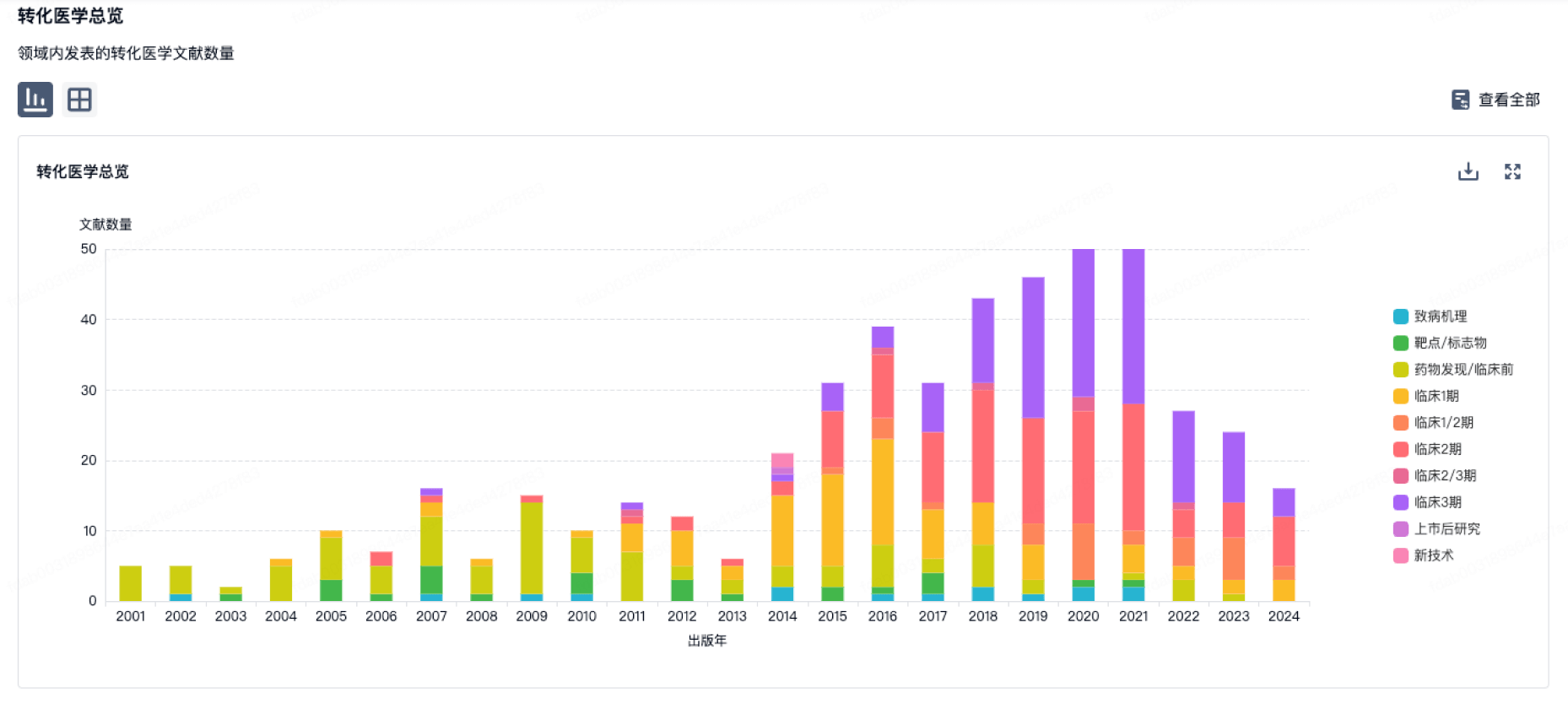
转化医学
使用我们的转化医学数据加速您的研究。
登录
或
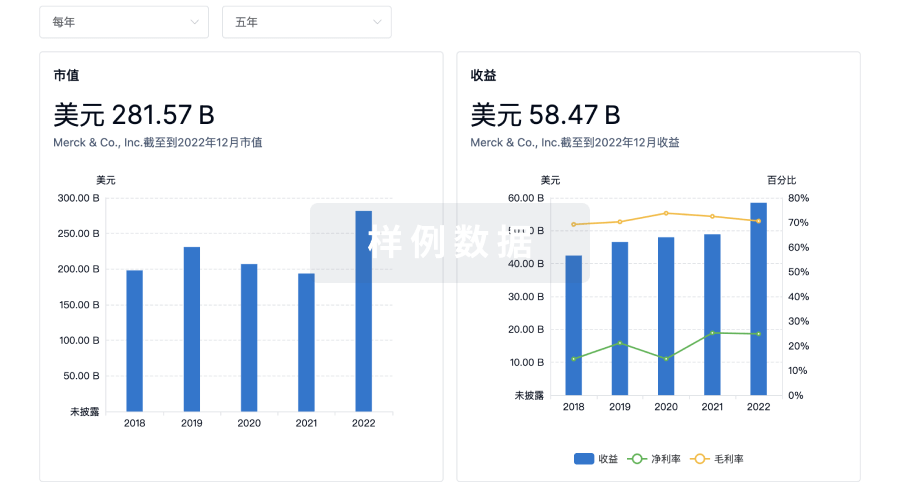
营收
使用 Synapse 探索超过 36 万个组织的财务状况。
登录
或
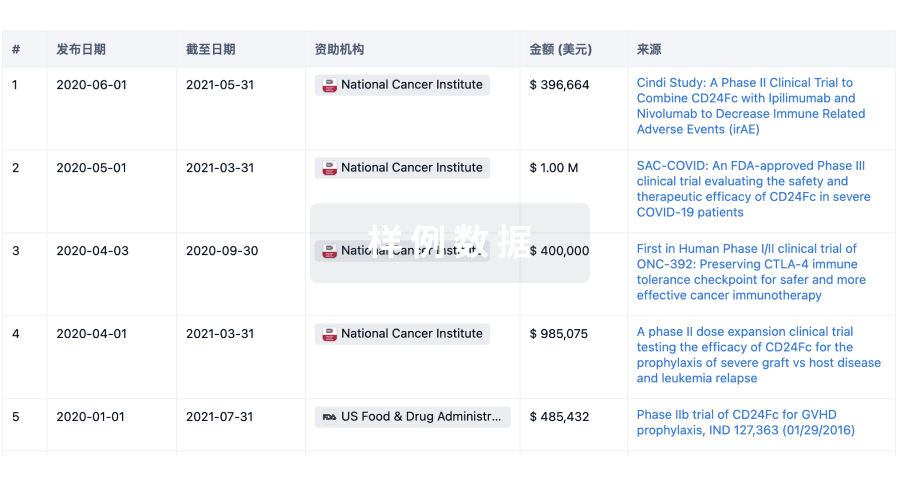
科研基金(NIH)
访问超过 200 万项资助和基金信息,以提升您的研究之旅。
登录
或
投资
深入了解从初创企业到成熟企业的最新公司投资动态。
登录
或
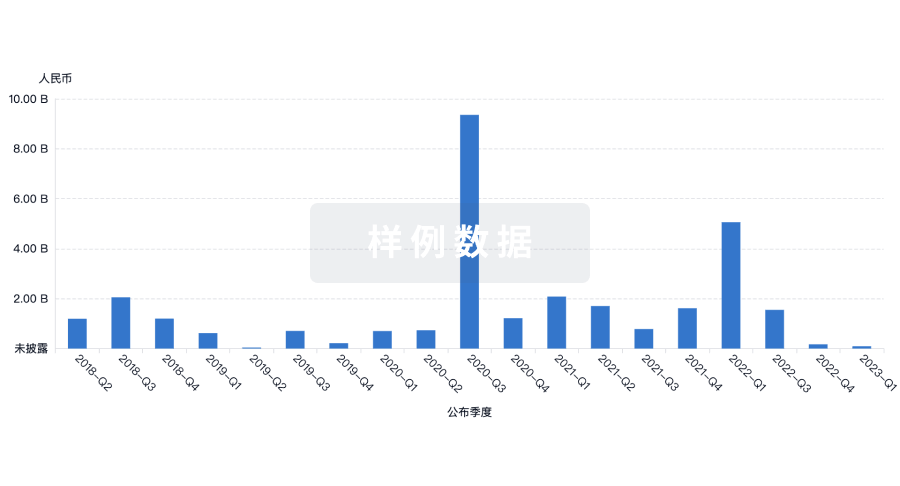
融资
发掘融资趋势以验证和推进您的投资机会。
登录
或
提出任何生物医药研究问题
让每一步生物医药决策都精准制胜
基于十亿级生物数据与全球情报的精准 AI,赋能早期药物发现
立即开始免费试用!
智慧芽新药情报库是智慧芽专为生命科学人士构建的基于AI的创新药情报平台,助您全方位提升您的研发与决策效率。
立即接入生物医药数据包
智慧芽新药库数据也通过智慧芽开放平台,以MCP或API服务形式对外开放。立即使用我们的MCP服务定制您的LLM智能体。
生物序列数据库
生物药研发创新
免费使用
化学结构数据库
小分子化药研发创新
免费使用