预约演示
更新于:2026-03-08

Siemens Healthineers AG
上市公司 | 子公司|1847|Pennsylvania, United States|
50,000-100,000
| ETR: SHL| 上市公司 | 子公司|1847|Pennsylvania, United States|
50,000-100,000
| ETR: SHL| 更新于:2026-03-08
概览
关联
NCT07242690
Advancing PET-CT Imaging With Photon Counting Detector CT

NCT07336563
Development of a Database of Metabolic Cases and Prevalence of Metabolic Liver Dysfunction (MAFLD/MASLD) in Individuals With Metabolic Syndrome Characteristics - Screening Study (ENDOCARE - SCREEN)

NCT07276360
Phase II Randomized Non-Inferiority Trial of Hypofractionated Radiotherapy for Locally Advanced Cervical Cancer in Uganda

100 项与 Siemens Healthineers AG 相关的临床结果
登录后查看更多信息
登录后查看更多信息
2026-03-01Journal of Stomatology Oral and Maxillofacial Surgery
Comparative evaluation of photon-counting detector CT and cone-beam CT in the assessment of simulated mandibular trauma
Article
作者: Sandhu, Sameena ; Mergen, Victor ; Flohr, Thomas ; Burian, Egon ; Essig, Harald ; Kessler, Peter ; Alkadhi, Hatem ; Demmert, Tristan T ; Stadlinger, Bernd ; Al-Haj Husain, Adib ; Wagner, Maximilian Eberhard Hermann
INTRODUCTION:
This ex vivo study aimed to compare photon-counting detector computed tomography (PCD-CT) and cone-beam computed tomography (CBCT) at matched standard- and low-dose radiation levels for evaluating perioperative imaging parameters relevant to mandibular fracture stabilization with osteosynthesis plates.
MATERIAL AND METHODS:
Thirty-three osteosynthesis fixations were performed on six porcine mandibles with simulated fractures in the angle, body, and parasymphysis regions. Three types of plate systems (titanium microplates, titanium reconstruction plates, and bioresorbable copolymers) were used, each with varying plate thicknesses. Three blinded observers independently evaluated overall image quality, artifact severity, fracture line visibility, and visualization of peri‑osteosynthesis structures using 5-point visual analog scales. Descriptive statistics and inter-reader agreement (Krippendorff's alpha) were calculated.
RESULTS:
PCD-CT consistently demonstrated superior overall image quality, reduced artifact severity, and better visualization of fracture lines and peri‑osteosynthetic structures compared to CBCT, particularly using low-dose settings. Bioresorbable plates caused no artifacts in either modality. Inter-observer agreement was good to excellent across all parameters (Krippendorff's α = 0.72-1.0).
CONCLUSION:
PCD-CT outperformed CBCT in visualizing mandibular fracture stabilization with various osteosynthesis materials, particularly under low-dose conditions, demonstrating high reliability among observers. These findings indicate that PCD-CT may offer diagnostic advantages in the perioperative setting; however, further clinical studies are needed to confirm its role in imaging oral and maxillofacial trauma.
2026-03-01INTERNATIONAL JOURNAL OF ORAL AND MAXILLOFACIAL SURGERY
Photon-counting detector computed tomography meets orthopantomography: a cinematic rendering solution for superior structural visualization
Article
作者: Engel, K ; Alkadhi, H ; Stadlinger, B ; Al-Haj Husain, A
This technical note introduces an innovative technique for overlaying photorealistic three-dimensional (3D) visualization cinematic renderings of ultra-high-resolution photon-counting detector computed tomography (PCD-CT) scans onto conventional orthopantomography (OPG) images, enhancing visualization and aiding in the detection of subsurface structures and incidental findings. OPG is commonly used to assess dentomaxillofacial conditions, generating a summation image on a two-dimensional (2D) plane through a circular tomographic path. While useful for the initial evaluation, OPG has limitations, such as overlapping structures and restricted soft tissue visualization. More detailed analysis often requires 3D imaging modalities like cone beam computed tomography or conventional computed tomography. Recently introduced PCD-CT provides high-resolution images with lower noise, enhanced soft tissue contrast, and reduced artefacts. A novel technique of overlaying a photorealistic 3D cinematic rendering of a PCD-CT scan onto a conventional 2D OPG image of the same patient is introduced that enhances OPG by revealing subsurface structures such as blood vessels and improves understanding of the 3D anatomy. By associating the 3D anatomy with this 2D image, the technique enhances the clinician's understanding of three-dimensionality and may potentially aid in the detection of incidental findings in OPGs, such as calcifications in the angle of the jaw.
2026-03-01Diagnostic and Interventional Imaging
Stress myocardial perfusion imaging with photon-counting CT: Initial validation against reference modalities
Article
作者: Rodriguez Musso, Aimée ; Longère, Benjamin ; Pontana, François ; Tregubova, Mariia ; Caseneuve, Hippolyte ; Haidar, Mehdi ; Croisille, Cédric ; Gkizas, Christos V
PURPOSE:
The purpose of this study was to evaluate the feasibility and diagnostic performance of stress myocardial perfusion imaging (MPI) using a first-generation dual-source photon-counting CT (PCCT) scanner by comparison with reference standards.
MATERIALS AND METHODS:
Consecutive patients referred for coronary CT angiography (CCTA) with concomitant stress MPI using PCCT scanner and at least one functional reference test within one month were included. Static PCCT-MPI with regadenoson (Rapiscan, GE Healthcare) was acquired 12 s after the intravenous administration of 40 mL of iodinated contrast material and paired with myocardial delayed enhancement imaging. Reference tests for ischemia included stress cardiac magnetic resonance imaging, stress echocardiography, single-photon emission computed tomography, or invasive coronary angiography. Diagnostic performance was evaluated using sensitivity, specificity, accuracy, areas under receiver operating characteristic curve analysis (AUC) as well as Youden index-derived thresholds.
RESULTS:
Forty-one patients were included. There were 28 men and 13 women with a median age of 62 years (Q1, 57; Q3, 70; range: 18-85 years). Of these, 35 patients (85 %) had obstructive coronary artery disease (CAD) on CCTA. PCCT-MPI identified myocardial hypoperfusion in 18 patients (44 %) with a median dose-length product of 97 mGy.cm (Q1, 76.8; Q3, 155.8). Visual assessment yielded 100 % sensitivity (95 % confidence interval [CI]: 81-100 %) and 96 % specificity (95 % CI: 78-100 %), with an AUC of 0.98 (95 % CI: 0.93-1.00) for the diagnosis of ischemic and infarcted myocardium. An optimal defect-to-remote iodine ratio cutoff of 0.79 showed 98 % accuracy (95 % CI: 87-100 %) and an AUC of 0.99 (95 % CI: 0.98-1.00 %). Integration of PCCT-MPI with CCTA could have obviated additional functional testing or invasive angiography in up to 50 % of patients with obstructive CAD.
CONCLUSION:
Stress static PCCT-MPI is feasible and demonstrates excellent diagnostic accuracy for detecting myocardial ischemia. Defect-to-remote iodine ratio from spectral imaging further enhances performance, establishing PCCT as a comprehensive imaging modality that unifies anatomic and functional coronary assessment at a reasonable radiation dose, within a single examination.
100 项与 Siemens Healthineers AG 相关的药物交易
登录后查看更多信息
100 项与 Siemens Healthineers AG 相关的转化医学
登录后查看更多信息
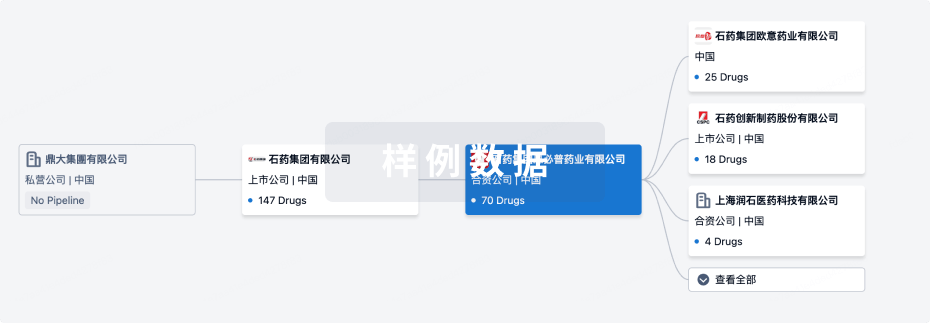
组织架构
使用我们的机构树数据加速您的研究。
登录
或
管线布局
2026年10月09日管线快照
管线布局中药物为当前组织机构及其子机构作为药物机构进行统计,早期临床1期并入临床1期,临床1/2期并入临床2期,临床2/3期并入临床3期
其他
11
登录后查看更多信息
当前项目
登录后查看更多信息
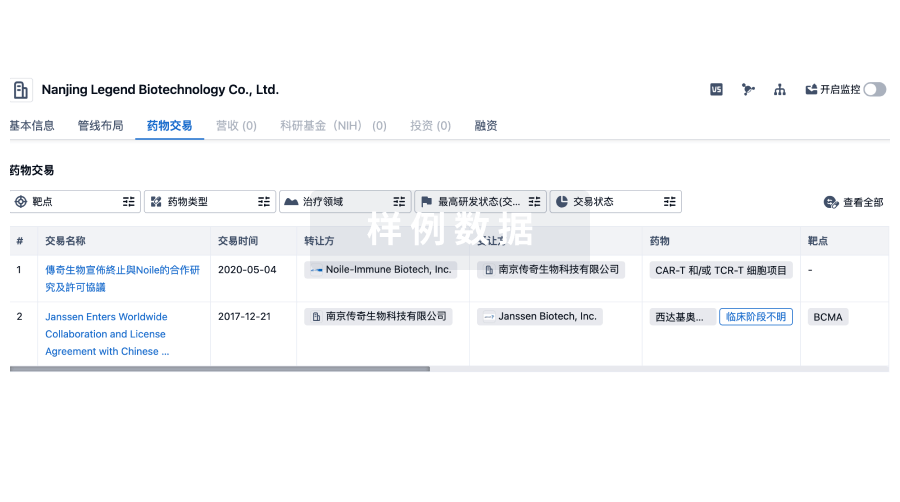
药物交易
使用我们的药物交易数据加速您的研究。
登录
或
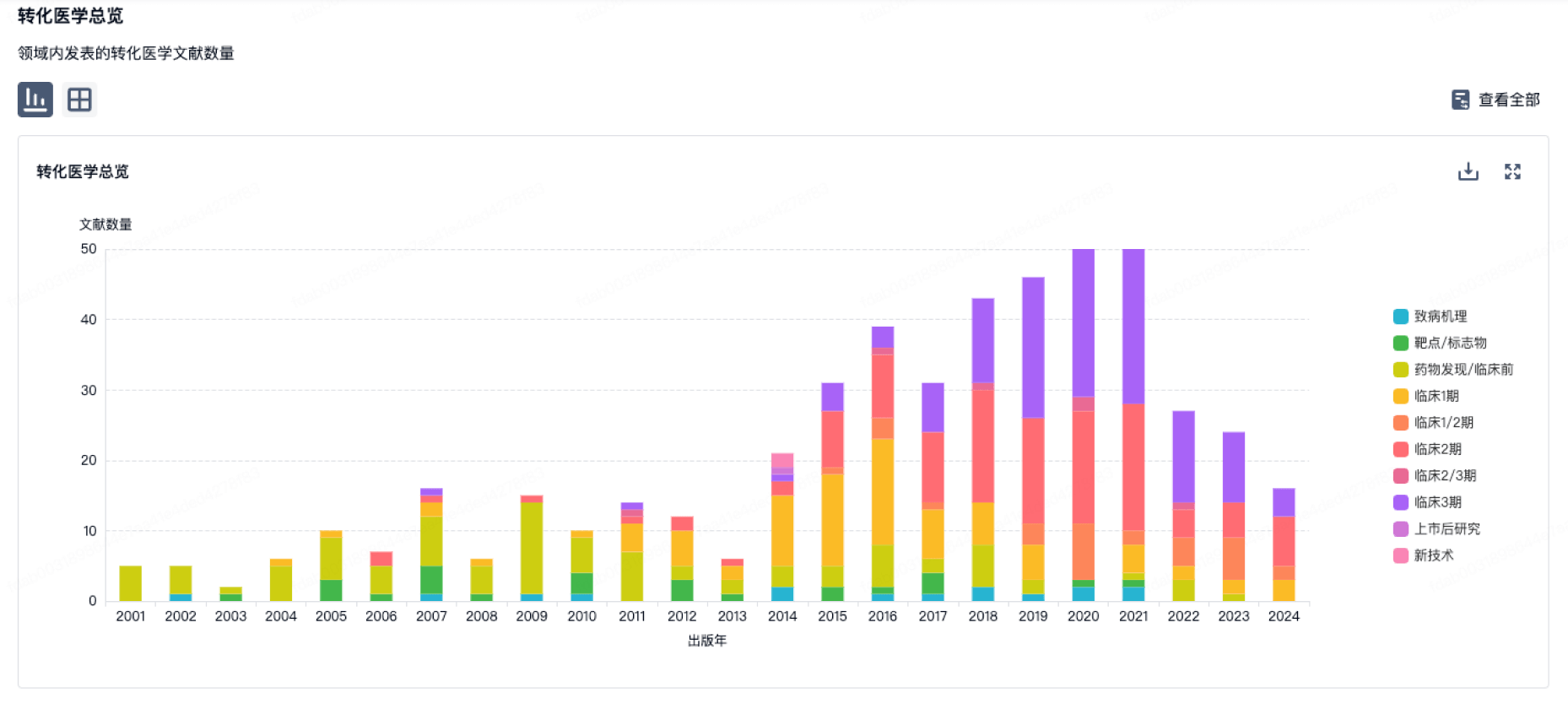
转化医学
使用我们的转化医学数据加速您的研究。
登录
或
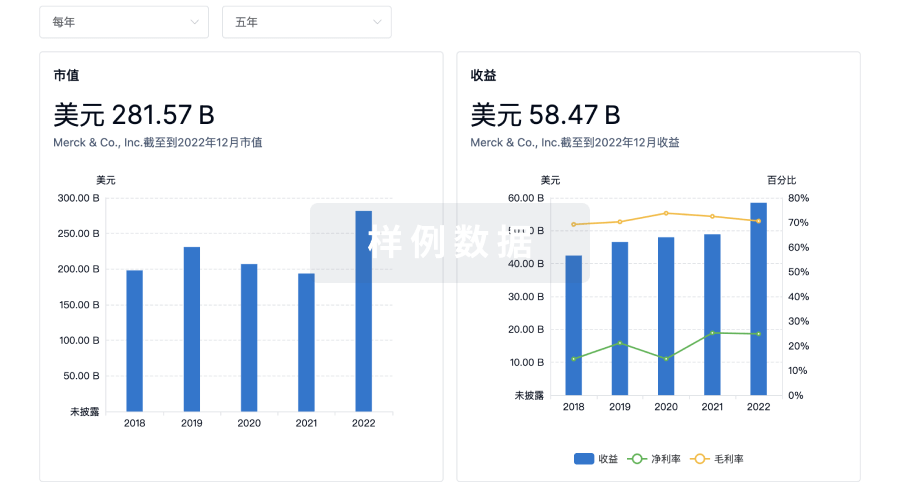
营收
使用 Synapse 探索超过 36 万个组织的财务状况。
登录
或
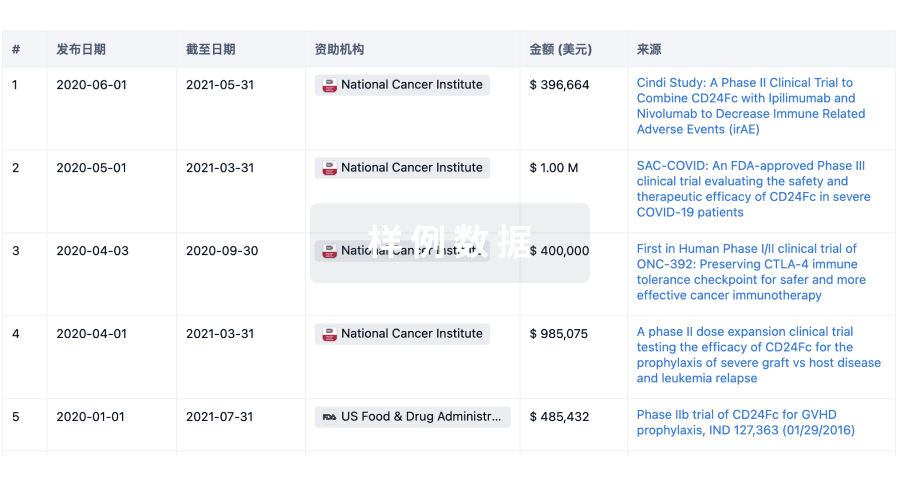
科研基金(NIH)
访问超过 200 万项资助和基金信息,以提升您的研究之旅。
登录
或
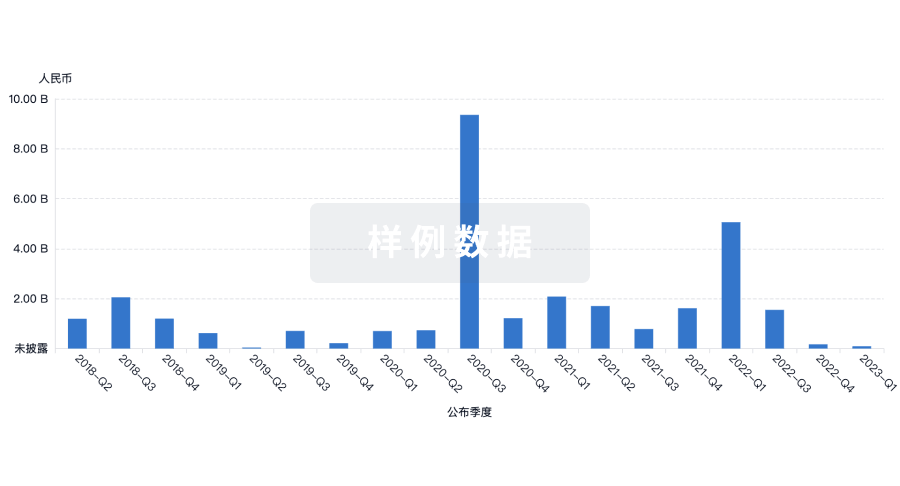
投资
深入了解从初创企业到成熟企业的最新公司投资动态。
登录
或
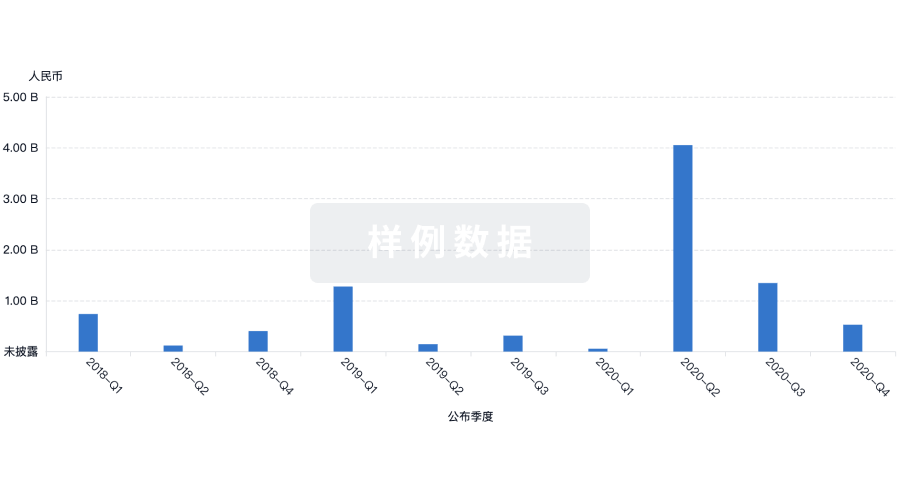
融资
发掘融资趋势以验证和推进您的投资机会。
登录
或
提出任何生物医药研究问题
让每一步生物医药决策都精准制胜
基于十亿级生物数据与全球情报的精准 AI,赋能早期药物发现
立即开始免费试用!
智慧芽新药情报库是智慧芽专为生命科学人士构建的基于AI的创新药情报平台,助您全方位提升您的研发与决策效率。
立即接入生物医药数据包
智慧芽新药库数据也通过智慧芽开放平台,以MCP或API服务形式对外开放。立即使用我们的MCP服务定制您的LLM智能体。
生物序列数据库
生物药研发创新
免费使用
化学结构数据库
小分子化药研发创新
免费使用