预约演示
更新于:2026-08-20

Elixir Medical Corp.
更新于:2026-08-20
概览
关联
NCT06074549
DynamX Bioadaptor Global Post-Market Registry: Clinical Trial of the Elixir Medical DynamX Coronary Bioadaptor System (Bio-RESTORE)
NCT05828173
PINNACLE I Clinical Study: a Clinical Trial to Assess the Elixir Medical LithiX Coronary Hertzian Contact Intravascular Lithotripsy Catheter for Treatment of Moderately to Severely Calcified, Stenotic De Novo Coronary Artery Lesions
NCT05033964
The DESyne BDS Plus RCT: A Randomized Clinical Trial to Assess the Elixir DESyne BDS Plus Drug Eluting Coronary Stent System for the Treatment of de Novo Native Coronary Artery Lesions
100 项与 Elixir Medical Corp. 相关的临床结果
登录后查看更多信息
登录后查看更多信息
2024-11-01LANCET
Bioadaptor implant versus contemporary drug-eluting stent in percutaneous coronary interventions in Sweden (INFINITY-SWEDEHEART): a single-blind, non-inferiority, registry-based, randomised controlled trial
Article
作者: Ulvenstam, Anders ; Wagner, Henrik ; Oldgren, Jonas ; Renlund, Henrik ; Fröbert, Ole ; Adielsson, Martin ; Böhm, Felix ; Millgård, Jonas ; James, Stefan ; Kellerth, Thomas ; Held, Claes ; Hamid, Mehmet ; Abizaid, Andrea ; Andersson, Jonas ; Winnberg, Oscar ; Masoe, Elli ; Zwackman, Sammy ; Törnerud, Mattias ; Elek, Candace ; Jurga, Juliane ; Grimfjärd, Per ; Erlinge, David ; Smits, Pieter C ; Alström, Patrik
BACKGROUND:
Persistent non-plateauing adverse event rates in patients who underwent percutaneous coronary intervention (PCI) remain a challenge. A bioadaptor is a novel implant that addresses this issue by restoring the haemodynamic modulation of the artery, allowing cyclic pulsatility, vasomotion, and adaptative remodelling, by unlocking and providing dynamic support to the artery. We aimed to assess outcomes with the device versus a contemporary drug-eluting stent (DES) in a representative PCI population.
METHODS:
INFINITY-SWEDEHEART is a single-blind, non-inferiority, registry-based, randomised controlled study conducted in 20 hospitals in Sweden. Patients aged 18-85 years, with chronic or acute coronary syndrome ischaemic heart disease, with an indication for PCI, with up to three de novo lesions suitable for implantation with one single device per lesion, and successful pre-dilatation were identified via the Swedish Coronary Angiography and Angioplasty Registry and eligible for enrolment. Participants were randomly assigned (1:1), using block randomisation with random variation in block size and stratified by site, to either the DynamX bioadaptor (Elixir Medical, Milpitas, CA, USA) or a zotarolimus-eluting DES (Resolute Onyx and Onyx Trustar, Medtronic, Minneapolis, MN, USA). The primary endpoint was the device-oriented clinical endpoint of target lesion failure at 12 months (a composite of cardiovascular death, target vessel myocardial infarction, and ischaemia-driven target lesion revascularisation), assessed in the intention-to-treat (ITT) population (ie, all patients randomly assigned to treatment, regardless of treatment received) who had either experienced an event up to 12 months or completed the trial up to 12 months. Non-inferiority was established if the upper limit of the two-sided 95% CI for the absolute risk difference was less than 4·2%. Powered secondary endpoints were landmark analyses from 6 months onwards for target lesion failure, target vessel failure (composite of cardiovascular death, target vessel myocardial infarction, and ischaemia-driven target vessel revascularisation), and target lesion failure for patients with acute coronary syndrome assessed in the ITT population). This study is registered with ClinicalTrials.gov, NCT04562805, and follow-up to 5 years is ongoing.
FINDINGS:
Between Sept 30, 2020, and July 11, 2023, 2399 patients were randomly assigned to receive the bioadaptor (n=1201) or DES (n=1198; ITT population). Median age was 69·5 years (IQR 61·2-75·6), 575 (24·0%) of 2399 patients were female, and 1824 (76·0%) were male (data on race and ethnicity were not collected), and 1838 (76·6%) patients presented with acute coronary syndrome. The primary endpoint of 12-month target lesion failure occurred in 28 (2·4%) of 1189 assessable patients in the bioadaptor group versus 33 (2·8%) of 1192 assessable patients in the DES group, with a risk difference of -0·41% (95% CI -1·94 to 1·11; pnon-inferiority<0·0001). In the prespecified landmark analysis from 6 months to 12 months, the Kaplan-Meier estimates of target lesion failure were 0·3% (with events in three of 1170 patients) in the bioadaptor group versus 1·7% (with events in 16 of 1176 patients) in the DES group (hazard ratio 0·19 [95% CI 0·06 to 0·65]; p=0·0079), of target vessel failure were 0·8% (events in eight of 1167) versus 2·5% (events in 23 of 1174; 0·35 [0·16 to 0·79]; p=0·011), and of target lesion failure in patients with acute coronary syndrome were 0·3% (events in two of 906) versus 1·8% (events in 12 of 895; 0·17 [0·04 to 0·74]; p=0·018). The rate of definite or probable device thrombosis, which was recorded as a safety outcome, was low and did not differ between groups (eight [0·7%] of 1201 in the bioadaptor group vs six [0·5%] of 1198 in the DES group; difference in event rates of 0·16% [95% CI -0·50 to 0·83]).
INTERPRETATION:
Among patients with coronary artery disease, including those with acute coronary syndrome, treatment with the bioadaptor was non-inferior to contemporary DES, showing potential to mitigate non-plateauing device-related events and improving outcomes in patients undergoing PCI. The additional planned follow-up will help to reinforce the clinical significance of the 1-year findings.
FUNDING:
Elixir Medical.
2009-12-01EuroIntervention : journal of EuroPCR in collaboration with the Working Group on Interventional Cardiology of the European Society of Cardiology2区 · 医学
Elixir Medical’s bioresorbable drug eluting stent (BDES) programme: an overview
2区 · 医学
Review
作者: Yan, John ; Bhat, Vinayak D
2026-04-27
100 项与 Elixir Medical Corp. 相关的药物交易
登录后查看更多信息
100 项与 Elixir Medical Corp. 相关的转化医学
登录后查看更多信息
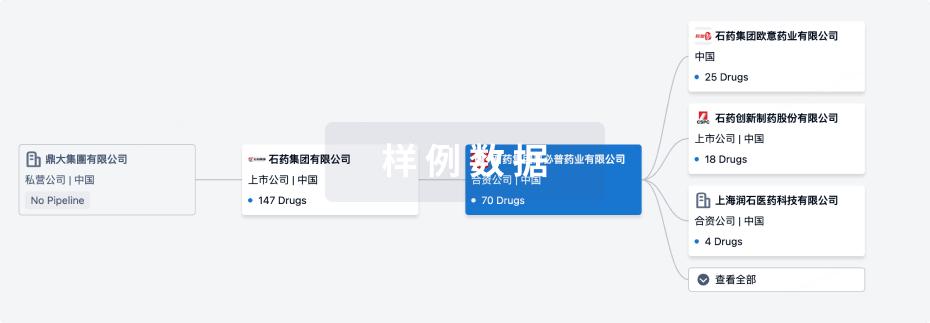
组织架构
使用我们的机构树数据加速您的研究。
登录
或
管线布局
2026年09月03日管线快照
管线布局中药物为当前组织机构及其子机构作为药物机构进行统计,早期临床1期并入临床1期,临床1/2期并入临床2期,临床2/3期并入临床3期
其他
1
登录后查看更多信息
当前项目
登录后查看更多信息
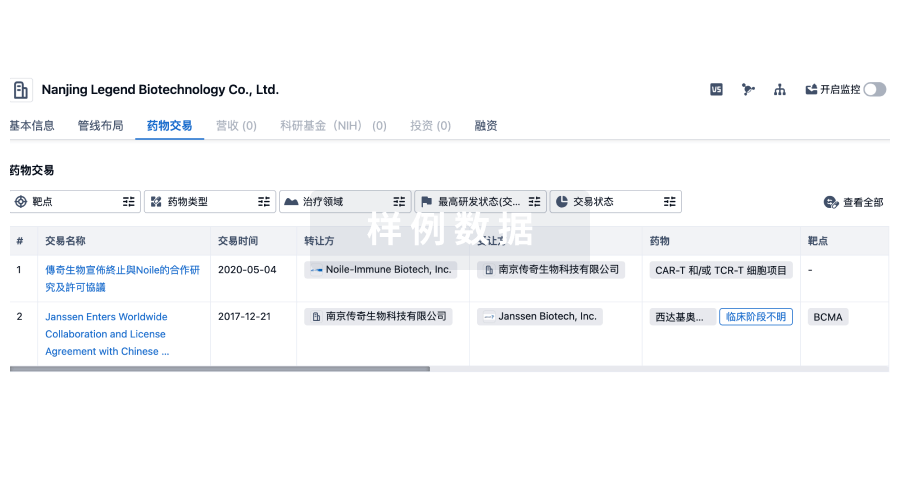
药物交易
使用我们的药物交易数据加速您的研究。
登录
或
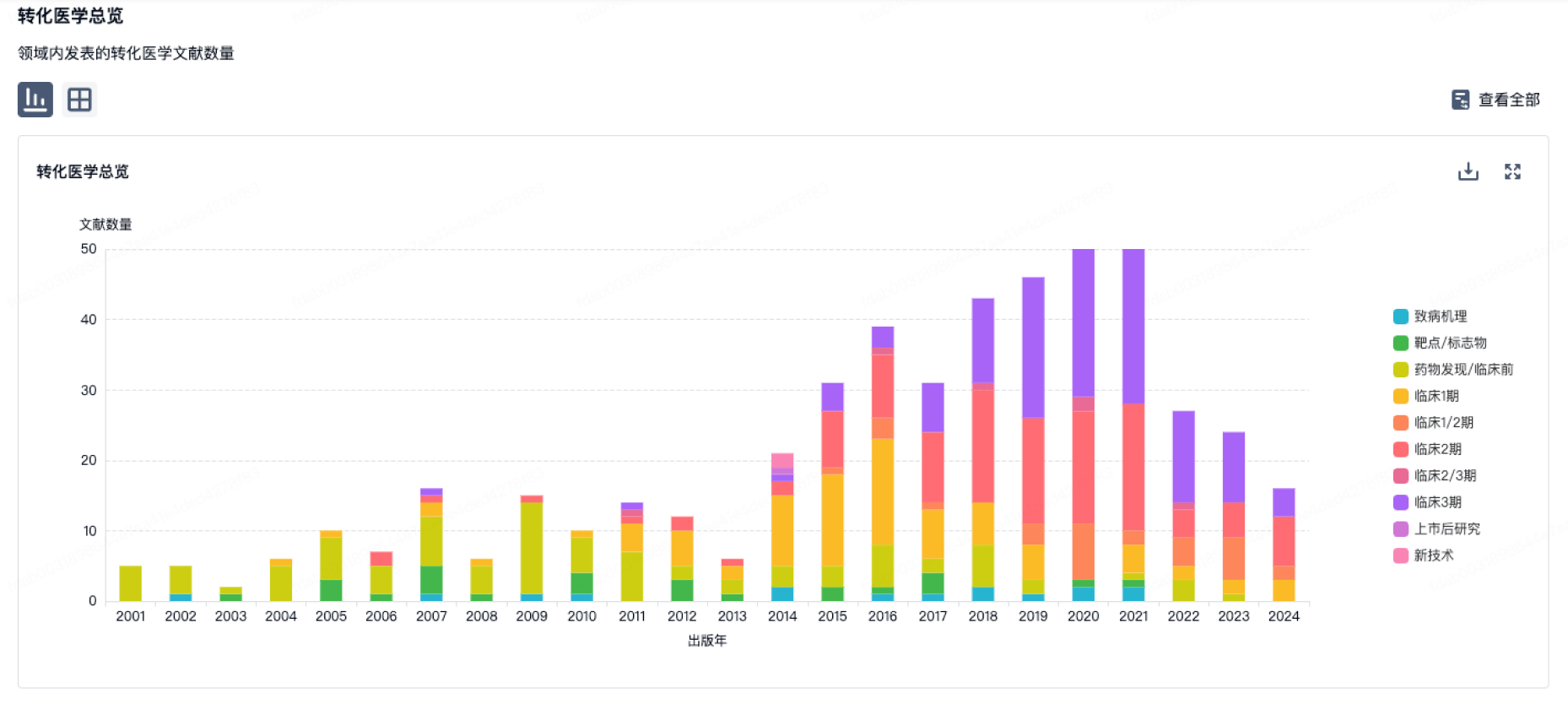
转化医学
使用我们的转化医学数据加速您的研究。
登录
或
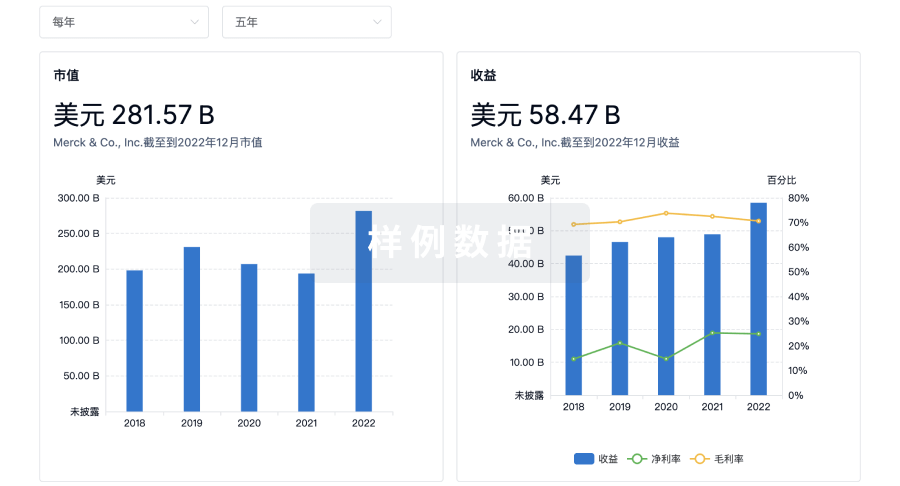
营收
使用 Synapse 探索超过 36 万个组织的财务状况。
登录
或
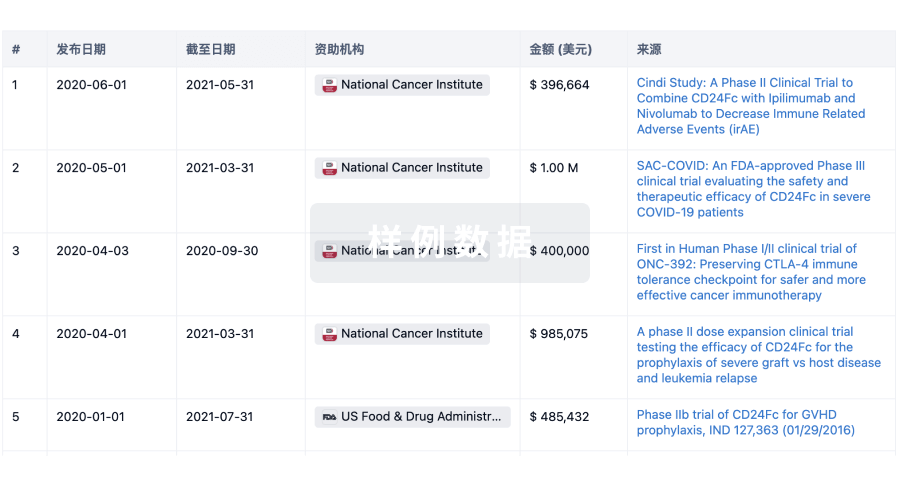
科研基金(NIH)
访问超过 200 万项资助和基金信息,以提升您的研究之旅。
登录
或
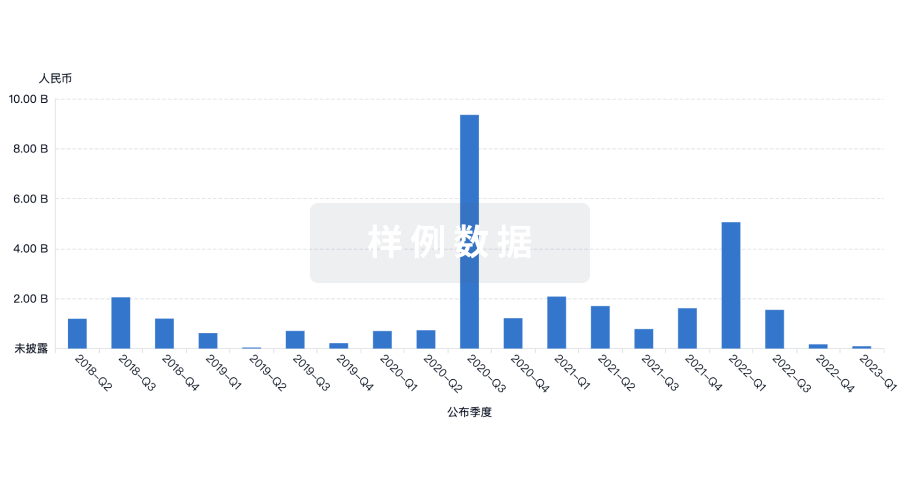
投资
深入了解从初创企业到成熟企业的最新公司投资动态。
登录
或
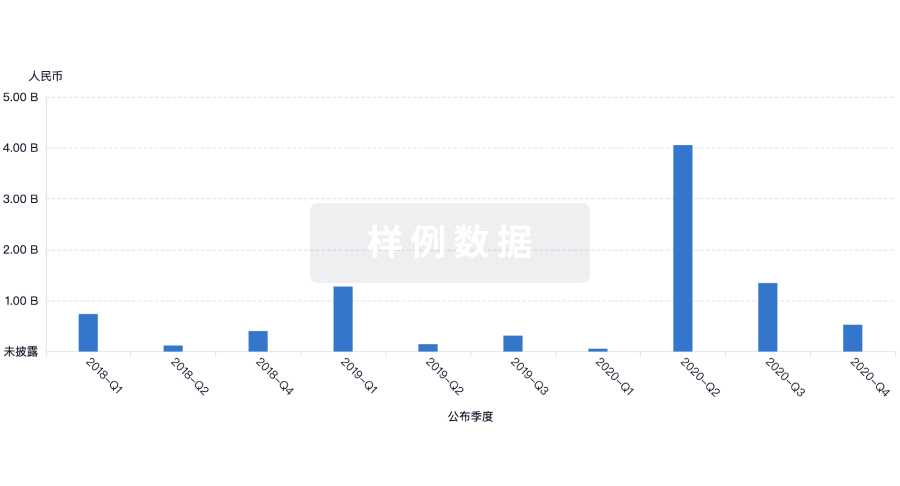
融资
发掘融资趋势以验证和推进您的投资机会。
登录
或
提出任何生物医药研究问题
让每一步生物医药决策都精准制胜
基于十亿级生物数据与全球情报的精准 AI,赋能早期药物发现
立即开始免费试用!
智慧芽新药情报库是智慧芽专为生命科学人士构建的基于AI的创新药情报平台,助您全方位提升您的研发与决策效率。
立即接入生物医药数据包
智慧芽新药库数据也通过智慧芽开放平台,以MCP或API服务形式对外开放。立即使用我们的MCP服务定制您的LLM智能体。
生物序列数据库
生物药研发创新
免费使用
化学结构数据库
小分子化药研发创新
免费使用