预约演示
更新于:2026-09-10
Fresenius Medical Care AG
更新于:2026-09-10
概览
疾病领域得分
一眼洞穿机构专注的疾病领域

技术平台
公司药物应用最多的技术
靶点
公司最常开发的靶点
关联
靶点 |
作用机制 |
在研机构 |
原研机构 |
在研适应症 |
非在研适应症 |
最高研发阶段 |
首次获批国家/地区 |
首次获批日期 |
靶点 |
作用机制 |
在研机构 |
原研机构 |
在研适应症 |
非在研适应症 |
最高研发阶段 |
首次获批国家/地区 |
首次获批日期 |
靶点 |
作用机制 |
在研机构 |
原研机构 |
在研适应症 |
非在研适应症 |
最高研发阶段 |
首次获批国家/地区 |
首次获批日期 |

NCT06390592
Clinical Performance of the Therapy Option FlexPoint (Flexible Volume and Dwell Time Management) of the PD Cycler Sleep•Safe Harmony

NCT07679568
Analysis of CKRT Treatments With multiFlux Hemofilters Using RCA or Systemic Heparin Anticoagulation
NCT07156123
Analysis of Safety and Efficacy of Long-term Treatment With PD Catheters
100 项与 Fresenius Medical Care AG 相关的临床结果
登录后查看更多信息
登录后查看更多信息
2026-06-01Clinical Journal of the American Society of Nephrology
Harnessing Physical Principles for Precision KRT
Article
作者: Maddux, Franklin W ; Jimenez, Ryan A
2026-04-01Kidney Medicine
Transient Primary Renal Tubular Acidosis During Pregnancy: A Case Report
Article
作者: Zuniga, Bryan ; Campana, Otto ; Pozo, Leonardo
Distal renal tubular acidosis (dRTA) can result from mutations in the SLC4A1 gene, which encodes the anion exchanger 1, a protein essential for bicarbonate-chloride exchange in the distal nephron. Anion exchanger 1 dysfunction disrupts acid-base homeostasis, leading to the development of non-anion gap metabolic acidosis. Transient, pregnancy-related presentations of dRTA are rare and remain poorly characterized. We report the case of a 35-year-old woman who, at 25 weeks of gestation, was found to have severe hypokalemia, normal anion gap metabolic acidosis, and a positive urinary anion gap, consistent with dRTA. After the delivery of a healthy, full-term newborn, her electrolyte abnormalities resolved spontaneously. Genetic testing revealed a pathogenic SLC4A1 mutation, confirming autosomal dominant dRTA. This case highlights a rare, transient form of genetically confirmed dRTA unmasked during pregnancy. It emphasizes the importance of evaluating persistent hypokalemia during pregnancy and considering genetic testing, even in asymptomatic individuals. Early recognition can guide appropriate management and genetic counseling for both patients and their offspring.
2026-03-01AMERICAN JOURNAL OF KIDNEY DISEASES
Optimizing Comprehensive Medication Management in CKD: An Opportunity to Integrate Pharmacists in the Kidney Care Team
Review
作者: Condon Martinez, Amanda J ; St Peter, Wendy L ; Maxson, Rebecca ; Meaney, Calvin J ; Hudson, Joanna Q ; Chang, Alex R
Comprehensive medication management (CMM) is the standard of care that ensures that medications are individually assessed to determine that each medication is appropriate, effective for the medical condition, safe given the patient's comorbidities and other medications, and able to be taken by the patient as intended. CMM helps improve all aspects of health care quality and is essential for individuals with chronic kidney disease. It specifically addresses the complexity of medication regimens in patients with multiple comorbid conditions that often lead to medication therapy problems. The provision of CMM is best optimized with a multidisciplinary team that includes a pharmacist. The importance of interprofessional and multidisciplinary practice in the care of individuals with kidney disease has been emphasized by nephrology organizations and within chronic kidney disease-related guidelines. The shift toward pay for performance and value-based care models within nephrology has created more opportunities for pharmacist integration into care teams. Other health care providers should view the inclusion of pharmacists in the kidney care team as a valuable opportunity to enhance patient support, reduce work-related stress, and improve outcomes through collaborative teamwork. The Advancing Kidney Health through Optimal Medication Management initiative supports the involvement of pharmacists across practices and health care systems to ensure the successful implementation of CMM for individuals with kidney disease.
100 项与 Fresenius Medical Care AG 相关的药物交易
登录后查看更多信息
100 项与 Fresenius Medical Care AG 相关的转化医学
登录后查看更多信息
组织架构
使用我们的机构树数据加速您的研究。
登录
或
管线布局
2026年09月29日管线快照
管线布局中药物为当前组织机构及其子机构作为药物机构进行统计,早期临床1期并入临床1期,临床1/2期并入临床2期,临床2/3期并入临床3期
临床2期
1
2
批准上市
其他
3
登录后查看更多信息
当前项目
登录后查看更多信息
药物交易
使用我们的药物交易数据加速您的研究。
登录
或
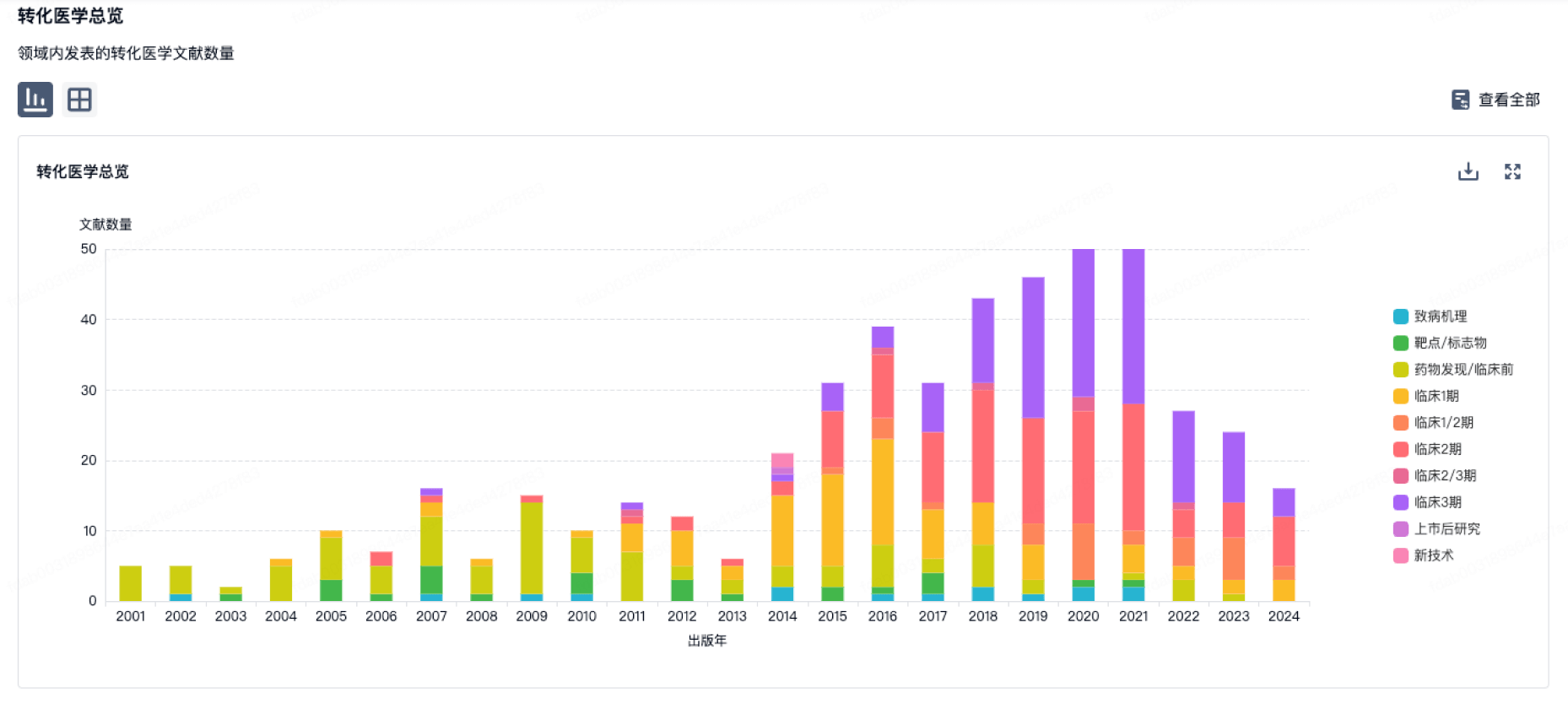
转化医学
使用我们的转化医学数据加速您的研究。
登录
或
营收
使用 Synapse 探索超过 36 万个组织的财务状况。
登录
或
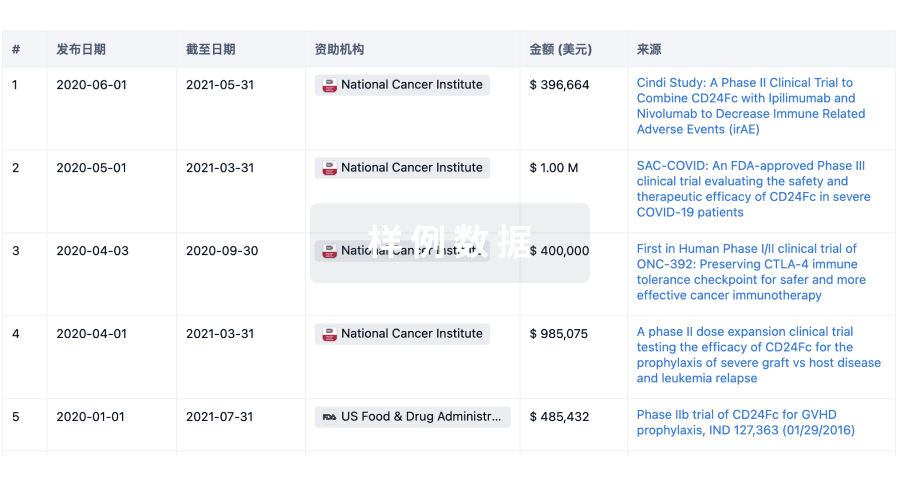
科研基金(NIH)
访问超过 200 万项资助和基金信息,以提升您的研究之旅。
登录
或
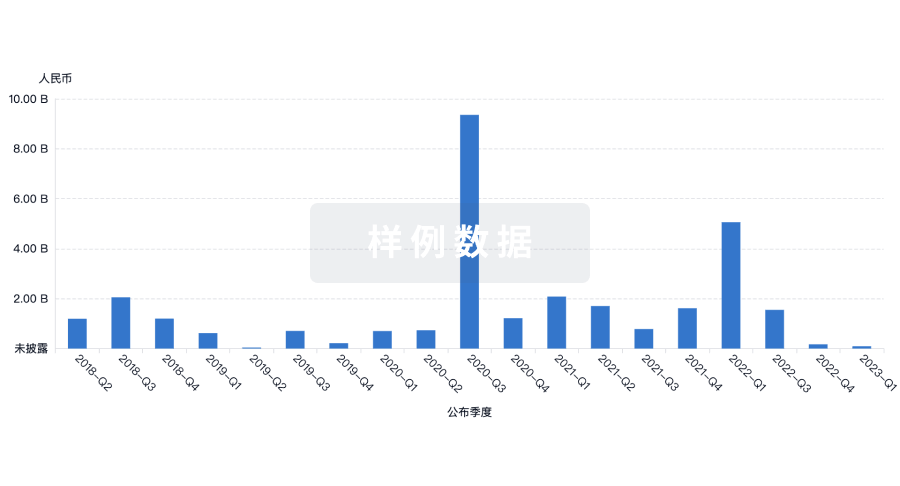
投资
深入了解从初创企业到成熟企业的最新公司投资动态。
登录
或
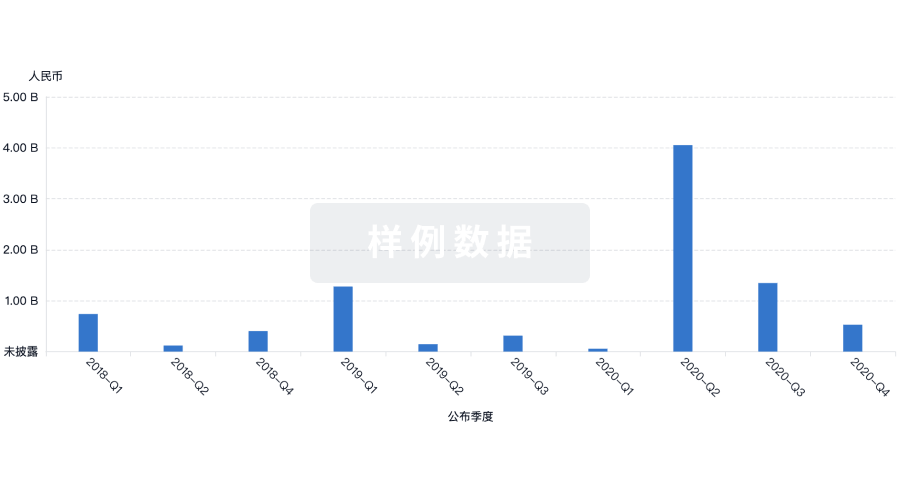
融资
发掘融资趋势以验证和推进您的投资机会。
登录
或
提出任何生物医药研究问题
让每一步生物医药决策都精准制胜
基于十亿级生物数据与全球情报的精准 AI,赋能早期药物发现
立即开始免费试用!
智慧芽新药情报库是智慧芽专为生命科学人士构建的基于AI的创新药情报平台,助您全方位提升您的研发与决策效率。
立即接入生物医药数据包
智慧芽新药库数据也通过智慧芽开放平台,以MCP或API服务形式对外开放。立即使用我们的MCP服务定制您的LLM智能体。
生物序列数据库
生物药研发创新
免费使用
化学结构数据库
小分子化药研发创新
免费使用