预约演示
更新于:2025-12-09

Sriwijaya University
更新于:2025-12-09
概览
关联
NCT07089329
Efficacy of Striatin on Weight Gain, Improvement of Acute Phase Inflammatory Marker, and the Change of Firmicutes Bacteroidetes (F/B), SCFA, BDNF Proteins in Malnourished Children: A Preliminary Study
NCT07071220
The Efficacy of Vitamin C Supplementation on Serum IL-6 Levels and Disease Activity in Systemic Lupus Erythematosus Patients
NCT07071233
Efficacy of Vitamin C Supplementation on Serum TNF-? Levels and Disease Activity in Systemic Lupus Erythematosus Patients
100 项与 Sriwijaya University 相关的临床结果
登录后查看更多信息
登录后查看更多信息
2025-12-31Advanced Manufacturing-Polymer & Composites Science
Optimization of PLA/Mg/PEG biocomposite filaments for 3D-printed bone scaffolds using response surface methodology (RSM)
作者: Basri, Hasan ; Yanis, Muhammad ; Ammarullah, Muhammad Imam ; Akbar, Imam
This study optimizes biocomposite filaments composed of polylactic acid (PLA), magnesium (Mg), and polyethylene glycol (PEG) for bone scaffold applications via 3D printing.Using Response Surface Methodol., extrusion parameters including temperature, screw speed, and Mg and PEG proportions were optimized to achieve a consistent filament diameter of 1.75 mm, meeting 3D printing standardsExtrusion temperature significantly influenced filament diameter by reducing PLA viscosity at higher temperaturesScrew speed impacted diameter uniformity and d., while Mg enhanced filament strength but posed challenges in uniform distribution.PEG improved flexibility, mitigating Mg-induced stiffness.SEM revealed voids and uneven Mg inclusions, indicating areas for process enhancement.These findings advance the development of optimized biocomposite filaments, providing a foundation for improved fabrication techniques in bone tissue engineering.
2025-12-01Materials Today Bio
Structurally reprogrammed modified citrus pectin (MCP) enables potentiated galectin-3 sequestration and injectable carboxymethyl chitosan/berberine hydrogel construction for osteoarthritis immunotherapy
Article
作者: Lin, Chi ; Hsu, Fang-Yu ; Mi, Fwu-Long ; Tsai, Min-Lang ; Lu, Hsien-Tsung ; Ulfadillah, Siti Ayu ; Cha, Chia-Yun
Osteoarthritis (OA) remains a major clinical challenge due to the lack of effective treatments capable of halting disease progression. Chronic synovial inflammation and cartilage degradation are hallmark features, wherein galectin-3 (Gal-3), a β-galactoside-binding lectin, plays a pivotal upstream role by driving M1 macrophage activation and chondrocyte apoptosis. Modified citrus pectin (MCP), a natural Gal-3 binder, possesses therapeutic potential but is hindered by rapid clearance and limited joint retention. Herein, we present oxidized MCP (oxMCP), structurally reprogrammed MCP, that functions as a Gal-3-sequestering and crosslinkable matrix. This transformation was achieved via periodate oxidation, which introduced dialdehyde groups for Schiff base crosslinking with N, O-carboxymethyl chitosan (NOCC), while simultaneously enhancing Gal-3 affinity by reducing the molecular weight, increasing the chain flexibility, and exposing β-(1 → 4)-galactan motifs. These changes markedly amplified Gal-3-associated bioactivities, including M1 macrophage suppression and chondroprotection. The resulting oxMCP/NOCC hydrogel was further integrated with berberine (BBR), a cationic alkaloid with M2-polarizing activity, which reinforced the hydrogel network via non-covalent interactions and empowered the M2-polarizing capacity. The oxMCP/NOCC/BBR hydrogel exhibited excellent self-healing, low swelling, slow degradation, and sustained drug release, key features for intra-articular delivery. In vitro, it suppressed oxidative stress, matrix degradation, and chondrocyte apoptosis while promoting macrophage polarization toward the M2 phenotype. In vivo, intra-articular administration alleviated synovial inflammation and preserved cartilage in a rat OA model. This work transformed MCP from a short-acting Gal-3 blocker into a durable, bioactivity-enhanced therapeutic platform with immunomodulatory and cartilage-protective capabilities, offering a transformative strategy for a localized pathology-adaptive OA intervention.
2025-11-01INTERNATIONAL JOURNAL OF BIOLOGICAL MACROMOLECULES
Pickering emulsion system of cellulose nanocrystals (CNCs)-stabilized essential oils (EOs) and their effect on food packaging characteristics: A review
Review
作者: Sartika, Dewi ; Fahma, Farah ; Arnata, I Wayan ; Robbani, Syifa ; Rahmi, Ira Desri ; Firmanda, Afrinal ; Hari, Purnama Dini ; Syukri, Daimon
Essential oils (EOs) contain diverse volatile constituents but are poorly soluble in water, limiting their direct use in food-active packaging. Pickering emulsions of essential oils stabilized by cellulose nanocrystals (CNCs) (hereafter EO/CNC-PEs) offer robust, surfactant-free carriers for bioactive molecules. This article reviews interfacial mechanisms and formulation variables that govern the EO/CNC-PEs stability and their effects on food packaging performance. Stability arises from CNCs' adsorption at the EOs-water interface, forming a rigid particle shell. Combined steric and electrostatic barriers (quantified by zeta potential, ζ) suppress droplet coalescence, while pH and ionic strength modulate ζ value via deprotonation and electrostatic screening. The droplet size is controlled by the CNCs and EOs concentration, the EOs type, and storage, and increasing CNCs typically reduces size until interfacial coverage saturates, whereas excess EOs increases size due to incomplete coverage. Electrostatic repulsion from anionic CNCs reduces droplet aggregation, improving PEs stability and dispersion. When loaded into packaging materials, EO/CNC-PEs modify mechanical behavior and enhance ultraviolet (UV) blocking, antimicrobial, and antioxidant performance, while increasing opacity. They often reduce water vapor transmission rates and enable controlled (sustained) release of EOs' bioactive compounds. Critical factors influencing the properties of active packaging are also discussed. Overall, leveraging EO/CNC-PEs enhances EOs bioactivity and helps maintain the quality and extend the shelf life of fruits, vegetables, and meat products.
100 项与 Sriwijaya University 相关的药物交易
登录后查看更多信息
100 项与 Sriwijaya University 相关的转化医学
登录后查看更多信息
组织架构
使用我们的机构树数据加速您的研究。
登录
或
管线布局
2026年10月11日管线快照
无数据报导
登录后保持更新
药物交易
使用我们的药物交易数据加速您的研究。
登录
或
转化医学
使用我们的转化医学数据加速您的研究。
登录
或
营收
使用 Synapse 探索超过 36 万个组织的财务状况。
登录
或
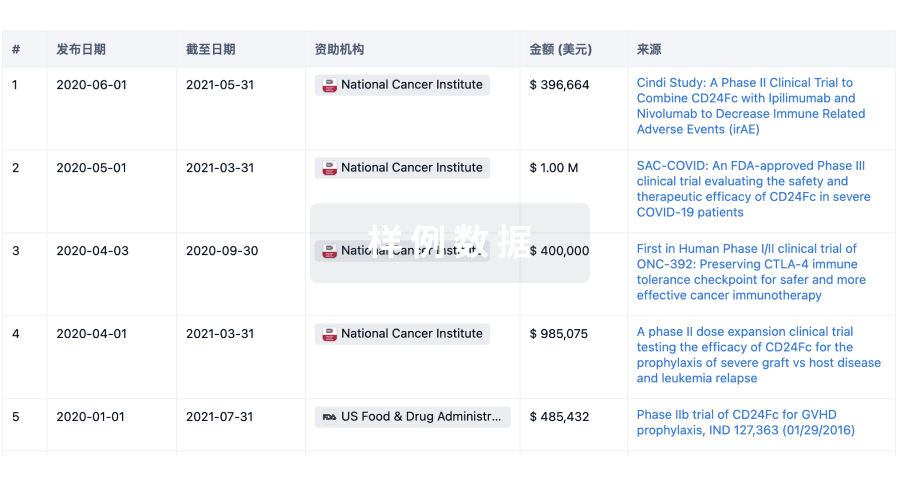
科研基金(NIH)
访问超过 200 万项资助和基金信息,以提升您的研究之旅。
登录
或
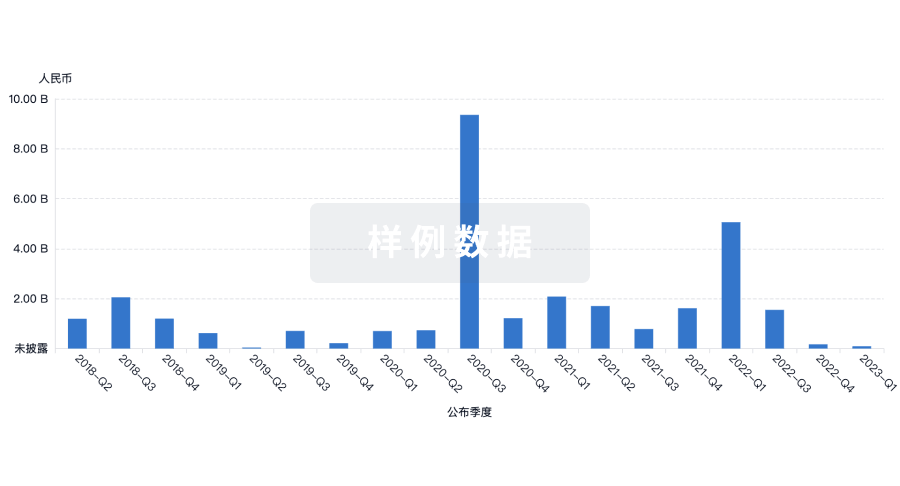
投资
深入了解从初创企业到成熟企业的最新公司投资动态。
登录
或
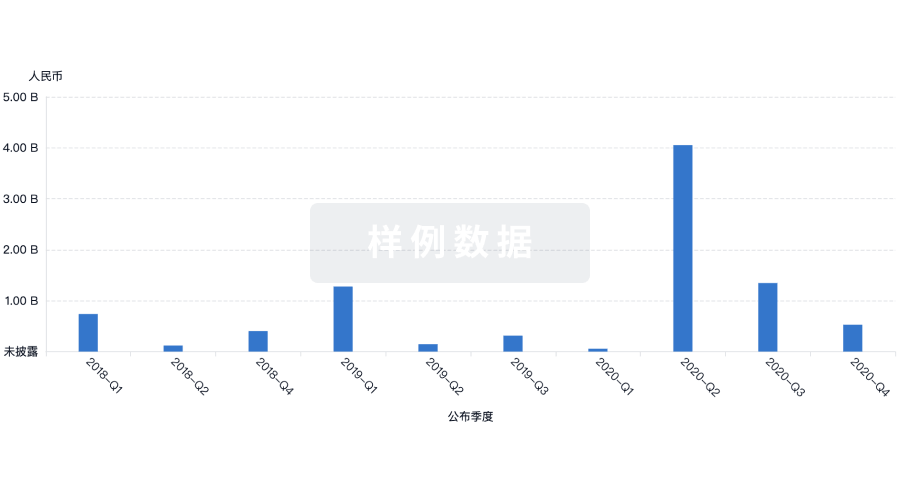
融资
发掘融资趋势以验证和推进您的投资机会。
登录
或
提出任何生物医药研究问题
让每一步生物医药决策都精准制胜
基于十亿级生物数据与全球情报的精准 AI,赋能早期药物发现
立即开始免费试用!
智慧芽新药情报库是智慧芽专为生命科学人士构建的基于AI的创新药情报平台,助您全方位提升您的研发与决策效率。
立即接入生物医药数据包
智慧芽新药库数据也通过智慧芽开放平台,以MCP或API服务形式对外开放。立即使用我们的MCP服务定制您的LLM智能体。
生物序列数据库
生物药研发创新
免费使用
化学结构数据库
小分子化药研发创新
免费使用