预约演示
更新于:2026-01-31
Philips Medical Systems DMC GmbH
更新于:2026-01-31
概览
关联
1
项与 Philips Medical Systems DMC GmbH 相关的临床试验DRKS00034693
Volunteer Study to collect data for development of multiple features to support workflow of X-ray exams
开始日期2024-11-07 |
100 项与 Philips Medical Systems DMC GmbH 相关的临床结果
登录后查看更多信息
0 项与 Philips Medical Systems DMC GmbH 相关的专利(医药)
登录后查看更多信息
11
项与 Philips Medical Systems DMC GmbH 相关的文献(医药)2025-07-01·Physica Medica-European Journal of Medical Physics
Exposure control at the first dark-field chest radiography demonstrator system
Article
作者: Willer, K ; Kaster, L ; Zimmermann, G S ; Urban, T ; Pfeiffer, D ; Schick, R ; Pfeiffer, F ; Frank, M ; Renger, B ; Maack, I ; De Marco, F ; Koehler, T ; Lochschmidt, M E ; Noichl, W ; Bast, H
PURPOSE:
A first demonstrator system for clinical dark-field chest radiography was recently constructed. Due to its scanning acquisition, conventional exposure regulation systems are not possible. This study presents the adaptation of exposure to each patient individually, using a conventional radiograph as a reference. Additionally, an alternative approach for individual exposure planning based on the patient's body mass index (BMI) is proposed.
METHODS:
Using exposure settings from a conventional radiography system with automatic exposure control (AEC), a patient-specific equivalent attenuator thickness was calculated with polyoxymethylene (POM) as a surrogate material. The tube current at the dark-field system was adapted to reach the target detector dose based on this thickness. This approach was verified with both phantom measurements and patient examinations. The correlation between patient body parameters (weight, BMI, upper bust girth, and under-bust girth) and desired tube current was also evaluated.
RESULTS:
A calibration curve was found to transfer individual exposure settings from a conventional device to the dark-field system. Achieved detector doses for both phantom and patient examinations were within permitted ranges. A strong correlation was found between each body parameter and the desired tube current, with BMI showing the strongest correlation (r=0.87,p<10-29).
CONCLUSIONS:
An exposure planning approach was successfully implemented at the first clinical dark-field chest radiography system, delivering a detector dose within the required range for different patient sizes. A conventional radiograph with AEC is necessary for this implementation. The strong correlation between BMI and tube current offers an alternative approach for patient-specific exposure control.
2024-04-01·IEEE transactions on medical imaging
X-Ray Dark-Field Signal Reduction Due to Hardening of the Visibility Spectrum
Article
作者: Herzen, Julia ; Gromann, Lukas ; Willer, Konstantin ; Urban, Theresa ; Maack, Hanns-Ingo ; Koehler, Thomas ; Andrejewski, Jana ; De Marco, Fabio ; Pfeiffer, Franz
X-ray dark-field imaging enables a spatially-resolved visualization of ultra-small-angle X-ray scattering. Using phantom measurements, we demonstrate that a material's effective dark-field signal may be reduced by modification of the visibility spectrum by other dark-field-active objects in the beam. This is the dark-field equivalent of conventional beam-hardening, and is distinct from related, known effects, where the dark-field signal is modified by attenuation or phase shifts. We present a theoretical model for this group of effects and verify it by comparison to the measurements. These findings have significant implications for the interpretation of dark-field signal strength in polychromatic measurements.
2024-01-01·IEEE transactions on medical imaging
Correction for Mechanical Inaccuracies in a Scanning Talbot-Lau Interferometer
Article
作者: Noichl, Wolfgang ; Schick, Rafael ; Rummeny, Ernst ; Fingerle, Alexander ; Renger, Bernhard ; Urban, Theresa ; Pfeiffer, Daniela ; Gleich, Bernhard ; Meyer, Pascal ; Gustschin, Alex ; Frank, Manuela ; Pfeiffer, Franz ; Hehn, Lorenz ; Koehler, Thomas ; Engel, Klaus-Jürgen ; Maack, Ingo ; De Marco, Fabio ; Lundt, Bernd ; Willer, Konstantin ; Herzen, Julia
Grating-based X-ray phase-contrast and in particular dark-field radiography are promising new imaging modalities for medical applications. Currently, the potential advantage of dark-field imaging in early-stage diagnosis of pulmonary diseases in humans is being investigated. These studies make use of a comparatively large scanning interferometer at short acquisition times, which comes at the expense of a significantly reduced mechanical stability as compared to tabletop laboratory setups. Vibrations create random fluctuations of the grating alignment, causing artifacts in the resulting images. Here, we describe a novel maximum likelihood method for estimating this motion, thereby preventing these artifacts. It is tailored to scanning setups and does not require any sample-free areas. Unlike any previously described method, it accounts for motion in between as well as during exposures.
100 项与 Philips Medical Systems DMC GmbH 相关的药物交易
登录后查看更多信息
100 项与 Philips Medical Systems DMC GmbH 相关的转化医学
登录后查看更多信息
组织架构
使用我们的机构树数据加速您的研究。
登录
或
管线布局
2026年02月08日管线快照
无数据报导
登录后保持更新
药物交易
使用我们的药物交易数据加速您的研究。
登录
或
转化医学
使用我们的转化医学数据加速您的研究。
登录
或
营收
使用 Synapse 探索超过 36 万个组织的财务状况。
登录
或
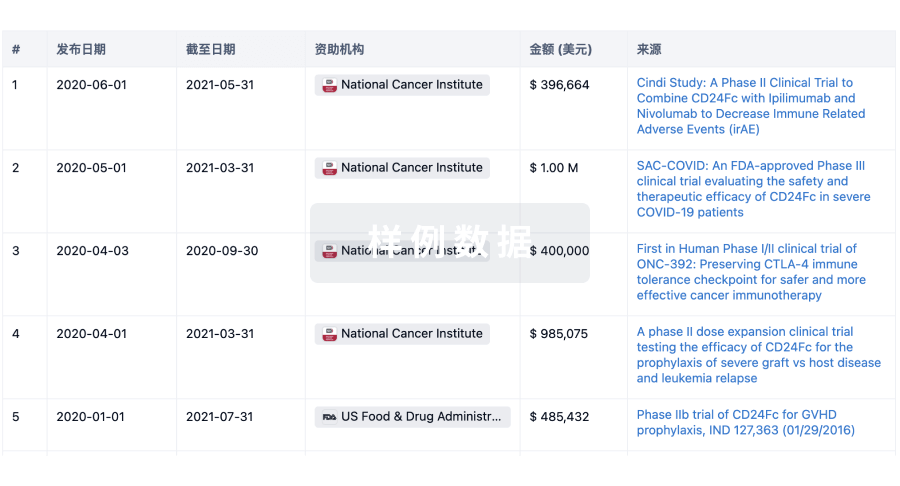
科研基金(NIH)
访问超过 200 万项资助和基金信息,以提升您的研究之旅。
登录
或
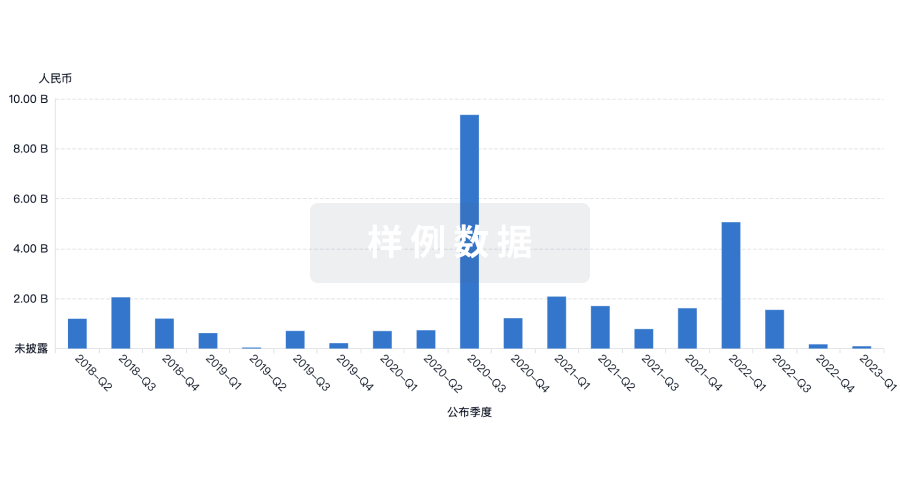
投资
深入了解从初创企业到成熟企业的最新公司投资动态。
登录
或
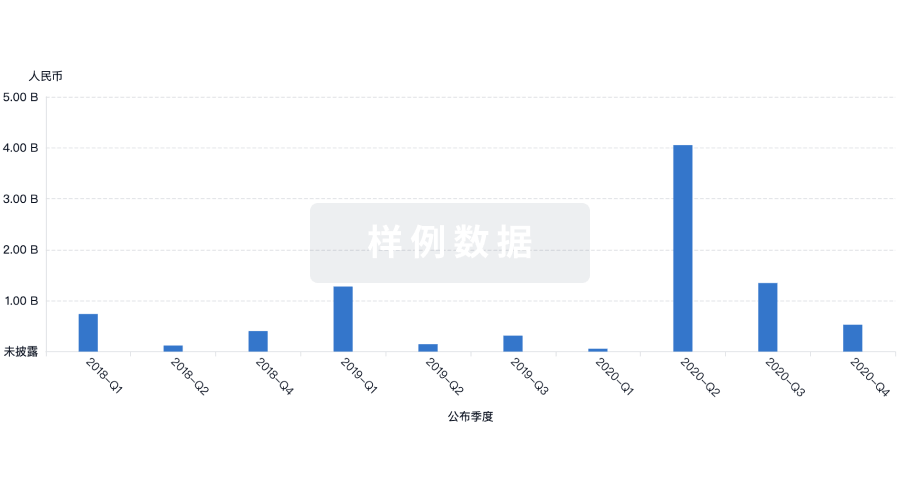
融资
发掘融资趋势以验证和推进您的投资机会。
登录
或
生物医药百科问答
全新生物医药AI Agent 覆盖科研全链路,让突破性发现快人一步
立即开始免费试用!
智慧芽新药情报库是智慧芽专为生命科学人士构建的基于AI的创新药情报平台,助您全方位提升您的研发与决策效率。
立即开始数据试用!
智慧芽新药库数据也通过智慧芽数据服务平台,以API或者数据包形式对外开放,助您更加充分利用智慧芽新药情报信息。
生物序列数据库
生物药研发创新
免费使用
化学结构数据库
小分子化药研发创新
免费使用