预约演示
更新于:2026-01-06

Bozhou University
亳州学院|教育|2021|中国安徽省
亳州学院|教育|2021|中国安徽省
更新于:2026-01-06
概览
标签
肿瘤
其他疾病
免疫系统疾病
小分子化药
疾病领域得分
一眼洞穿机构专注的疾病领域

技术平台
公司药物应用最多的技术
靶点
公司最常开发的靶点
关联
CN120842292
专利挖掘靶点 |
作用机制 |
在研机构 |
原研机构 |
在研适应症 |
非在研适应症 |
最高研发阶段 |
首次获批国家/地区 |
首次获批日期 |
CN120040322
专利挖掘靶点 |
作用机制 |
在研机构 |
原研机构 |
在研适应症 |
非在研适应症 |
最高研发阶段 |
首次获批国家/地区 |
首次获批日期 |
CN119285687
专利挖掘靶点 |
作用机制 |
在研机构 |
原研机构 |
在研适应症 |
非在研适应症 |
最高研发阶段 |
首次获批国家/地区 |
首次获批日期 |
100 项与 亳州学院 相关的临床结果
登录后查看更多信息
登录后查看更多信息
2026-03-01SPECTROCHIMICA ACTA PART A-MOLECULAR AND BIOMOLECULAR SPECTROSCOPY
Intelligent species identification of Fritillaria spp. based on multispectral feature fusion
Article
作者: Tang, Yuchen ; Yue, Xianzhe ; Li, Wenlong ; Liu, Meiqi ; Hu, Yunfei ; Ma, Didi ; Guo, Xuting ; Zhao, Jianqiang
Fritillaria spp. refers to the dried bulbs of multiple Fritillaria species (Liliaceae family), a well-known medicinal and edible homologous plant widely used in traditional herbal medicine and dietary supplements. Different Fritillaria spp. exhibit differences in chemical compositions, flavors, properties, and medicinal values, leading to a growing demand for quick authentication. This study was to explore the feasibility of rapid identification Fritillaria spp. using portable near-infrared (NIR), mid-infrared (MIR) and Raman spectroscopy coupled with machine learning methods. Classification models using K-nearest neighbors (KNN), random forest (RF), and support vector machine (SVM) were developed based on spectral data collected from four series of Fritillaria spp. The data was preprocessed by multiple data pretreatment and feature variable selection algorithms to improve its quality. Low-level, mid-level, and high-level data fusion strategies were applied to combine the spectral data from portable NIR, MIR, and Raman techniques. The results showed that data fusion significantly improved the classification of Fritillaria spp. Notably, high-level fusion based on the stacking strategy yielded the highest prediction accuracy at 90.41 %, with an F1 score of 0.906, a Kappa value of 0.861, and an AUC of 0.989. This study provides a rapid, accurate, and non-destructive method for identifying Fritillaria spp. samples, thereby enhancing analytical capabilities for future research related to this species.
2026-01-01PHYTOMEDICINE
Spatial metabolomics analysis of Bozhou Paeoniae Radix Alba during different harvest periods based on MALDI-MSI
Article
作者: Chen, Kaiwen ; Wang, Mengting ; Deng, Chenyang ; Rong, Yu ; Liu, Junling ; Wang, Xiaoli ; Wu, Deling ; Zhang, Yuting ; Zhou, Qiumei ; Jin, Chuanshan ; Li, Suliang
BACKGROUND:
Paeoniae Radix Alba is derived from the dried roots of Paeonia lactiflora Pall. (Ranunculaceae). Bozhou Paeoniae Radix Alba (BBS), primarily cultivated in Bozhou City of Anhui province, accounts for over 75 % of China's total Paeoniae Radix Alba yield. It traditionally harvested in summer and autumn. However, the spatial metabolomic variations across harvesting periods remain underexplored.
METHODS:
This study employed MALDI-MSI to analyze BBS harvested in March, June, September, and December. Differential metabolites were screened via multivariate statistical analysis, followed by KEGG pathway enrichment and activity trend analysis. Characteristic differential metabolites' spatial distributions and biosynthetic pathways were mapped. TOPSIS evaluated metabolite variations across harvesting periods.
RESULTS:
MALDI-MSI analysis detected 1801 metabolites across 15 classes. Screening identified 608 differential metabolites primarily comprising terpenoid glycosides, phenolic acids, and tannins. K-means clustering delineated five metabolic trends. The results shown that BBS harvested in September demonstrate significantly enhanced enrichment and accelerated accumulation rates. KEGG pathway analysis revealed metabolite distribution among 68 pathways, showing highest enrichment in secondary metabolite biosynthesis. Key metabolic shifts included: September enrichment peaks for gallic acid, mudanpioside H, and sucrose; accelerated September accumulation for paeoniflorin, benzoylpaeoniflorin, and anthraquinone (maintaining high abundance through December); while 1,2,3,4,6-penta-O-galloyl-β-D-glucopyranose, quercetin, and N-acetyl-D-tryptophan showed high March-June abundance. Biosynthetic pathways were spatially resolved. Entropy-weighted Technique for Order Preference by Similarity to Ideal Solution (TOPSIS) evaluation confirmed September as the optimal harvesting period.
CONCLUSIONS:
MALDI-MSI effectively elucidated spatiotemporal metabolite distribution patterns in BBS. Temporal accumulation patterns were revealed across growth cycles. Spatial analysis clarified pathway-specific metabolite distributions in different tissues. This study provides scientific evidence for optimizing harvesting strategies. It enhances comprehensive utilization of medicinal resources. The findings support further development of season-specific BBS resources.
2025-12-01BIOORGANIC & MEDICINAL CHEMISTRY LETTERS
Design, molecular docking and suppression on NF-κB activity of sinomenine hybrid derivatives
Article
作者: Jiang, Chunbao ; Wen, Chongwei ; Tang, Jian ; Zhu, Yuling ; Xia, Haiping ; Xu, Xiuquan
Sinomenine possesses potent suppression on the nuclear factor kappa-B (NF-κB) pathway. The phenylpropanoid moiety was introduced into sinomenine for building dual-structure sinomenine hybrid derivatives. The software AutoDock Vina was used to dock the sinomenine hybrid derivatives with 3 key proteins (1VKX, 4KIK and 6YMN) of NF-κB activation, and the virtually screened derivatives were tested via molecular dynamics simulation. Three series of derivatives were synthesized by Heck cross-coupling reaction, and evaluated for their suppressive effects on NF-κB in HEK 293 cells transfected with plasmid pNF-κB-luc. Some 1-acrylate sinomenine derivatives showed more active suppressive effects than the parent sinomenine. Derivatives 1-3 of sinomenine series were more active on NF-κB than other three series. Derivative 3 with 1-phenethyl acrylate was the most active one.
100 项与 亳州学院 相关的药物交易
登录后查看更多信息
100 项与 亳州学院 相关的转化医学
登录后查看更多信息
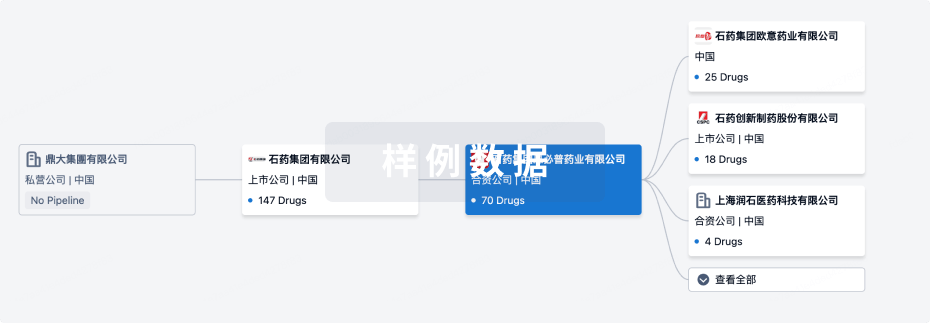
组织架构
使用我们的机构树数据加速您的研究。
登录
或
管线布局
2026年03月14日管线快照
管线布局中药物为当前组织机构及其子机构作为药物机构进行统计,早期临床1期并入临床1期,临床1/2期并入临床2期,临床2/3期并入临床3期
药物发现
7
登录后查看更多信息
当前项目
登录后查看更多信息
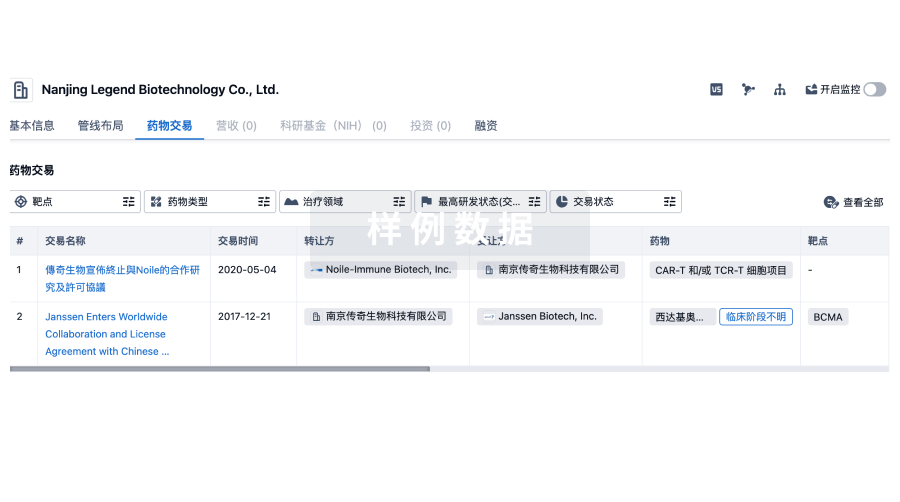
药物交易
使用我们的药物交易数据加速您的研究。
登录
或
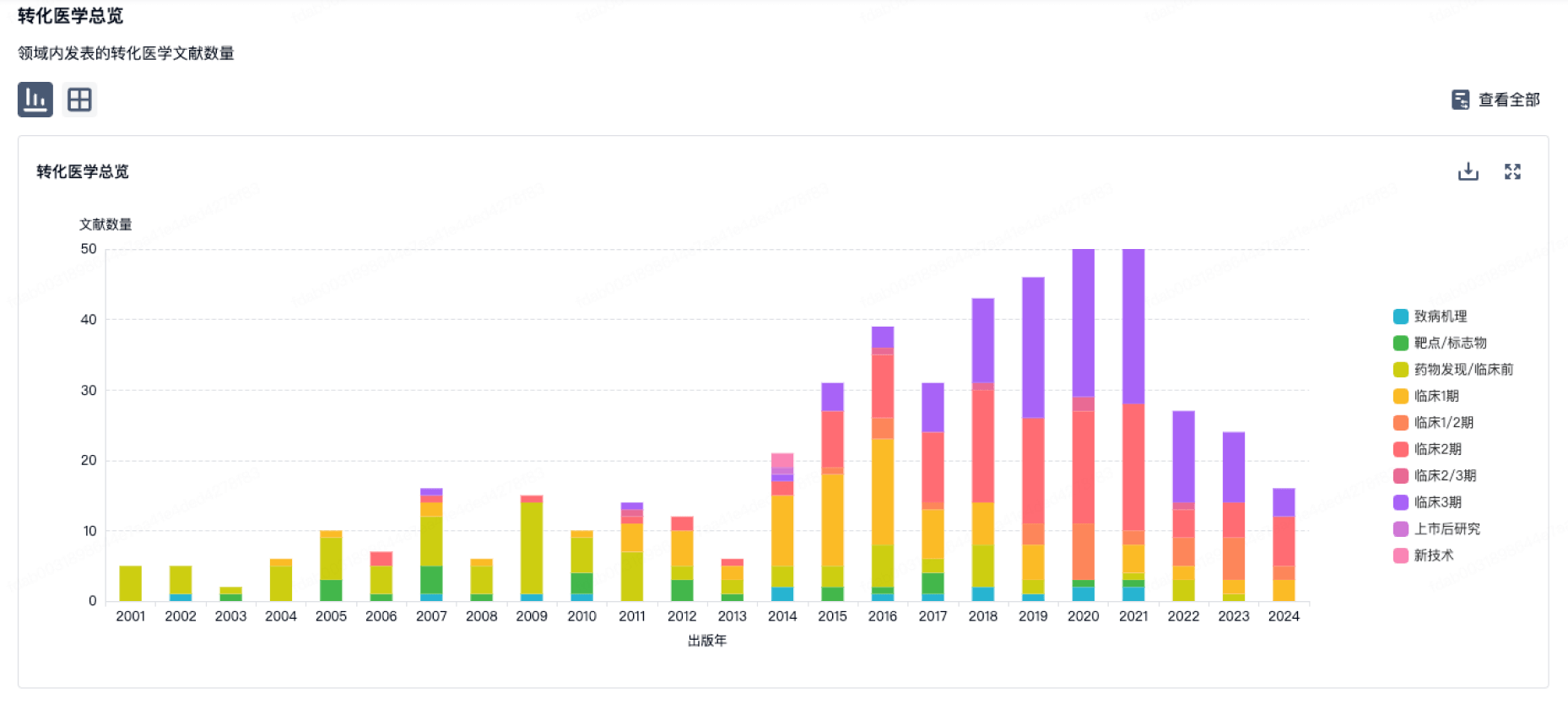
转化医学
使用我们的转化医学数据加速您的研究。
登录
或
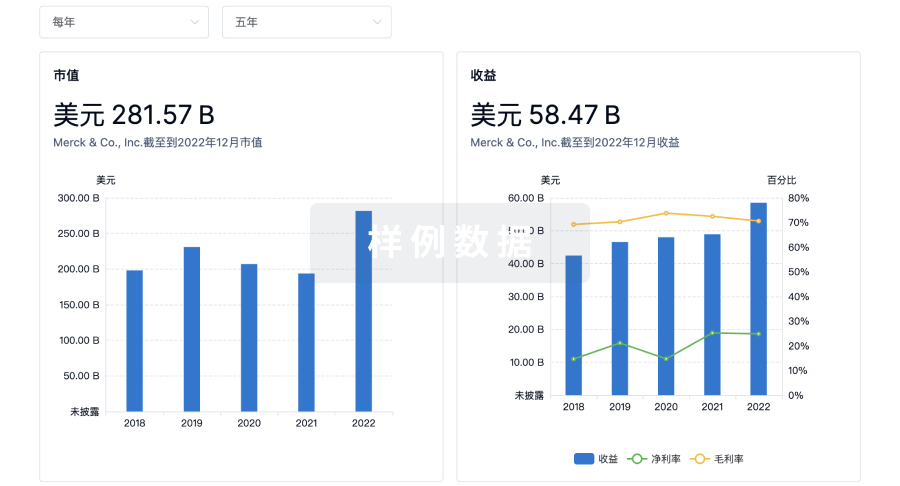
营收
使用 Synapse 探索超过 36 万个组织的财务状况。
登录
或
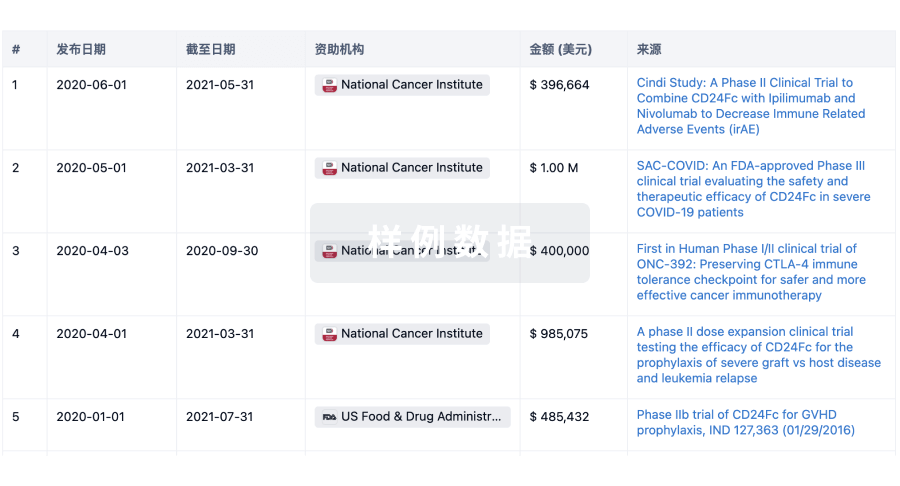
科研基金(NIH)
访问超过 200 万项资助和基金信息,以提升您的研究之旅。
登录
或
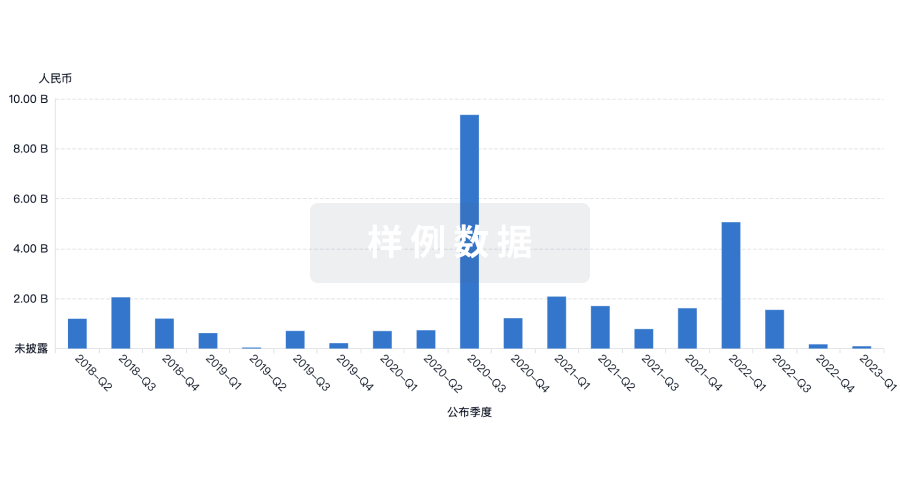
投资
深入了解从初创企业到成熟企业的最新公司投资动态。
登录
或
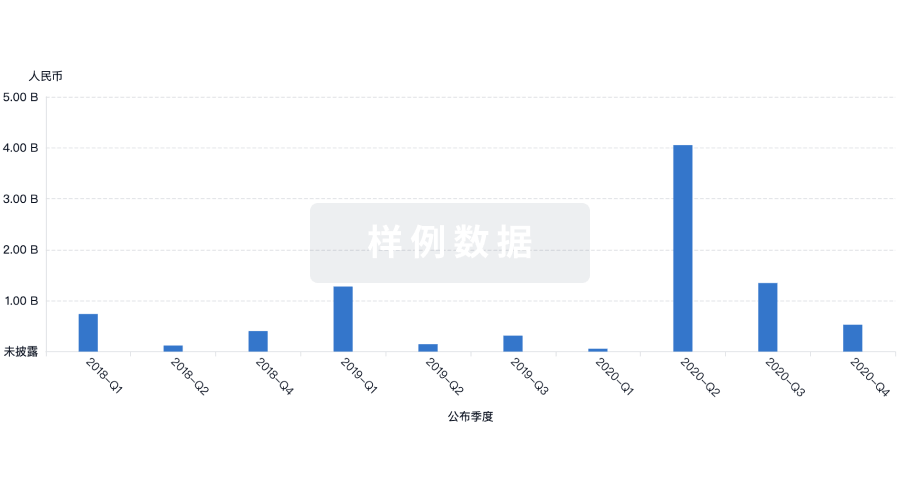
融资
发掘融资趋势以验证和推进您的投资机会。
登录
或
生物医药百科问答
全新生物医药AI Agent 覆盖科研全链路,让突破性发现快人一步
立即开始免费试用!
智慧芽新药情报库是智慧芽专为生命科学人士构建的基于AI的创新药情报平台,助您全方位提升您的研发与决策效率。
立即开始数据试用!
智慧芽新药库数据也通过智慧芽数据服务平台,以API或者数据包形式对外开放,助您更加充分利用智慧芽新药情报信息。
生物序列数据库
生物药研发创新
免费使用
化学结构数据库
小分子化药研发创新
免费使用