预约演示
更新于:2026-11-21
Fondazione San Raffaele del Monte Tabor-Milano
更新于:2026-11-21
概览
标签
消化系统疾病
肿瘤
内分泌与代谢疾病
TCR-T细胞疗法
疾病领域得分
一眼洞穿机构专注的疾病领域

技术平台
公司药物应用最多的技术
靶点
公司最常开发的靶点
关联
靶点 |
作用机制 |
在研机构 |
原研机构 |
在研适应症 |
非在研适应症 |
最高研发阶段 |
首次获批国家/地区 |
首次获批日期 |
靶点 |
作用机制 |
在研机构 |
原研机构 |
在研适应症 |
非在研适应症 |
最高研发阶段 |
首次获批国家/地区 |
首次获批日期 |
靶点 |
作用机制 |
在研机构 |
原研机构 |
在研适应症 |
非在研适应症 |
最高研发阶段 |
首次获批国家/地区 |
首次获批日期 |

NCT06889662
GEAM: Yield of GEnetic Testing in Arrhythmic Myocarditis
NCT06737107
Anatomical Segmentectomies for Early Stage Lung Cancer. A Multicenter Analysis of RATS, VATS and Open Approach
NCT06626178
ARtificial Intelligence for heAlth and Prevention of Smoking-related Diseases
100 项与 Fondazione San Raffaele del Monte Tabor-Milano 相关的临床结果
登录后查看更多信息
登录后查看更多信息
2026-11-01JOURNAL OF NEURO-ONCOLOGY
MRI-defined necrosis morphology, circulating immune profiles and survival in glioblastoma
Article
作者: Snider, Silvia ; Roncelli, Francesca ; Gagliardi, Filippo ; Saviano, Emanuele ; Mortini, Pietro ; Di Terlizzi, Simona ; Liscia, Nicole ; Marchetti, Francesca ; Villa, Chiara ; Boselli, Daniela ; Calcagnile, Riccardo ; De Domenico, Pierfrancesco ; Reni, Michele
PURPOSE:
Necrosis is a defining feature and an active hypoxic niche implicated in immune escape and treatment resistance in glioblastoma (GBM). We asked whether MRI-defined necrosis morphology is associated with circulating immune profiles and overall survival (OS).
METHODS:
We retrospectively studied 111 patients with newly diagnosed IDH-wildtype GBM resected in 2018-2024. Preoperative necrosis was classified visually as classic confluent or multiloculated. Two blinded readers reclassified all cases independently. Immune subsets were assessed by flow cytometry (n = 59, 48/11 classic/multiloculated) and plasma cytokines by multiplex immunoassay (n = 54, 45/9). All 28 immune analytes were exploratory, corrected across the panel. OS from surgery was analyzed with Kaplan-Meier and Cox models, including treatment and small-sample sensitivity analyses.
RESULTS:
Inter-reader agreement was kappa = 0.883. Multiloculated morphology was associated with longer OS (median, 17.4 vs. 14.4 months; HR, 0.55, 95% CI, 0.31-0.98, p = 0.041), including after multivariable adjustment (n = 94; HR, 0.42, 0.22-0.81, p = 0.010; Firth-penalized, 0.44, p = 0.007), exclusion of untreated patients and early deaths, and restriction to completed chemoradiation (HR, 0.37, 0.16-0.84, p = 0.018). Classic morphology was associated with fewer conventional dendritic cells (cDCs) (0.15% vs. 0.41%, p = 0.006), more mature natural killer cells (p = 0.022), and lower granzyme B, IL-2, IL-4, IL-6, and IL-10, but no difference survived correction (lowest q = 0.088). Multiloculated patients were younger (57.2 vs. 64.3 years, p = 0.032). The cDC association did not persist after adjustment for deep-seated location (p = 0.124).
CONCLUSIONS:
Multiloculated necrosis was associated with longer OS after adjustment for established prognostic factors, which requires external validation. Circulating immune differences were exploratory and could not be separated from tumor location.
CLINICAL TRIAL NUMBER:
Not applicable.
2026-11-01NATURE IMMUNOLOGY
Microbial adhesion promotes Piezo1 activation to initiate innate immunity
Article
作者: Colnaghi, Francesca ; Cozzi, Stefano ; Orlandi, Ivan ; Ostuni, Renato ; Chelazzi, Maria Rita ; Galli, Marco ; Pietrocola, Giampiero ; Innocenti, Metello ; Lombardo, Angelo ; Celant, Anna ; Rocca, Giuseppe ; Vai, Marina ; Granucci, Francesca ; Stucchi, Giulia ; Polissi, Alessandra ; Martorana, Alessandra Maria ; Barresi, Simona ; Marongiu, Laura
Abstract:
How mammals mount an effective immune response against infectious agents remains unresolved. Here we identify microbial adhesion to myeloid cells as a critical initiating event that precedes pattern recognition receptor (PRR) engagement. Using a skin infection model with pathogenic bacteria and fungi, we demonstrate that neutrophil recruitment occurs in two sequential phases. The early phase is PRR-independent and instead driven by microbial adhesion, which engages the mechanosensitive ion channel Piezo1 to promote leukotriene (LT)B
4
production. Together with interleukin-1α, LTB
4
induces CXCL1 release, triggering neutrophil infiltration via the same circuit at play during sterile inflammation. By contrast, the late phase is toll-like receptor (TLR)- and CXCL2-dependent, marking a transition to the canonical, pathogen-driven response. Our findings uncover microbial adhesion as a previously unrecognized danger signal that activates innate immunity via mechanotransduction, revealing a paradigm of how immune responses to infection are initiated.
2026-10-27PROCEEDINGS OF THE NATIONAL ACADEMY OF SCIENCES OF THE UNITED STATES OF AMERICA
Transient ATM inhibition enhances knock-in efficiency in hematopoietic stem cells by attenuating the DNA damage response
Article
作者: Nakahara, Fumio ; Canarutto, Daniele ; Baatartsogt, Nemekhbayar ; Natsagdorj, Munkh-Erdene ; Kashiwakura, Yuji ; Pinho, Sandra ; Ganzorig, Enkhzaya ; Hanazono, Yutaka ; Hara, Hiromasa ; Iida, Kohei ; Ohmori, Tsukasa ; Naldini, Luigi
Precise genome editing in hematopoietic stem cells (HSCs) holds great potential for treating inherited blood disorders; however, low knock-in (KI) efficiency and loss of functional HSCs after genome editing remain major obstacles. Here, we demonstrate that transient inhibition of Ataxia-Telangiectasia Mutated (ATM) kinase markedly enhanced KI efficiency in mouse HSCs genome-edited with Cas9/ribonucleoprotein (RNP) and AAV donor DNA. Phosphoproteomic and capillary western blot analyses revealed that ATM inhibition suppressed aberrant Cas9-AAV-induced ATM activation and the subsequent DNA damage response, reduced p53-dependent apoptosis, and enhanced survival of KI HSCs. In serial transplantation assays, ATM inhibition preserved long-term engrafting KI HSCs, increasing their frequency from ~0.3 to 40% in secondary recipients, an over 100-fold improvement. Furthermore, in an X-linked severe combined immunodeficient mouse model, ATM inhibition increased KI efficiency and restored T- and B cell differentiation. Comprehensive safety analyses, including long-read nanopore sequencing, amplicon deep sequencing, whole genome sequencing and clonal tracking, did not detect increased genomic alterations, chromosomal abnormalities, or clonal expansion following transient ATM inhibition. Taken together, these findings establish transient ATM inhibition as an effective strategy to enhance KI-mediated genome editing while maintaining the long-term repopulating capacity of HSCs.
100 项与 Fondazione San Raffaele del Monte Tabor-Milano 相关的药物交易
登录后查看更多信息
100 项与 Fondazione San Raffaele del Monte Tabor-Milano 相关的转化医学
登录后查看更多信息
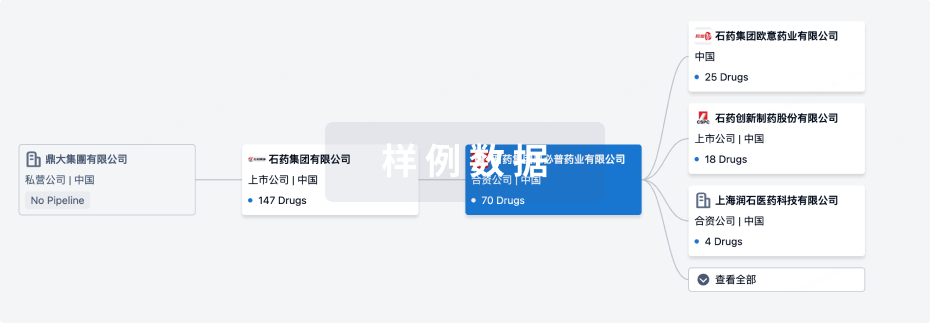
组织架构
使用我们的机构树数据加速您的研究。
登录
或
管线布局
2026年11月24日管线快照
管线布局中药物为当前组织机构及其子机构作为药物机构进行统计,早期临床1期并入临床1期,临床1/2期并入临床2期,临床2/3期并入临床3期
临床前
5
4
其他
登录后查看更多信息
当前项目
登录后查看更多信息
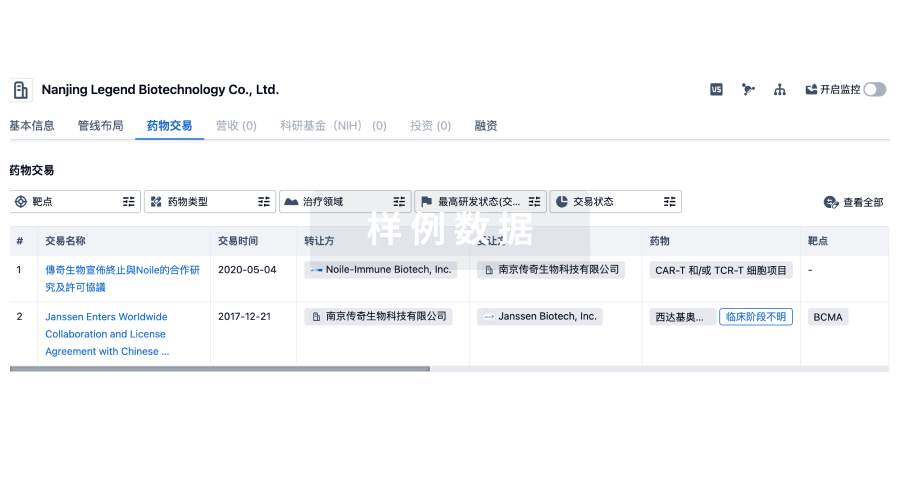
药物交易
使用我们的药物交易数据加速您的研究。
登录
或
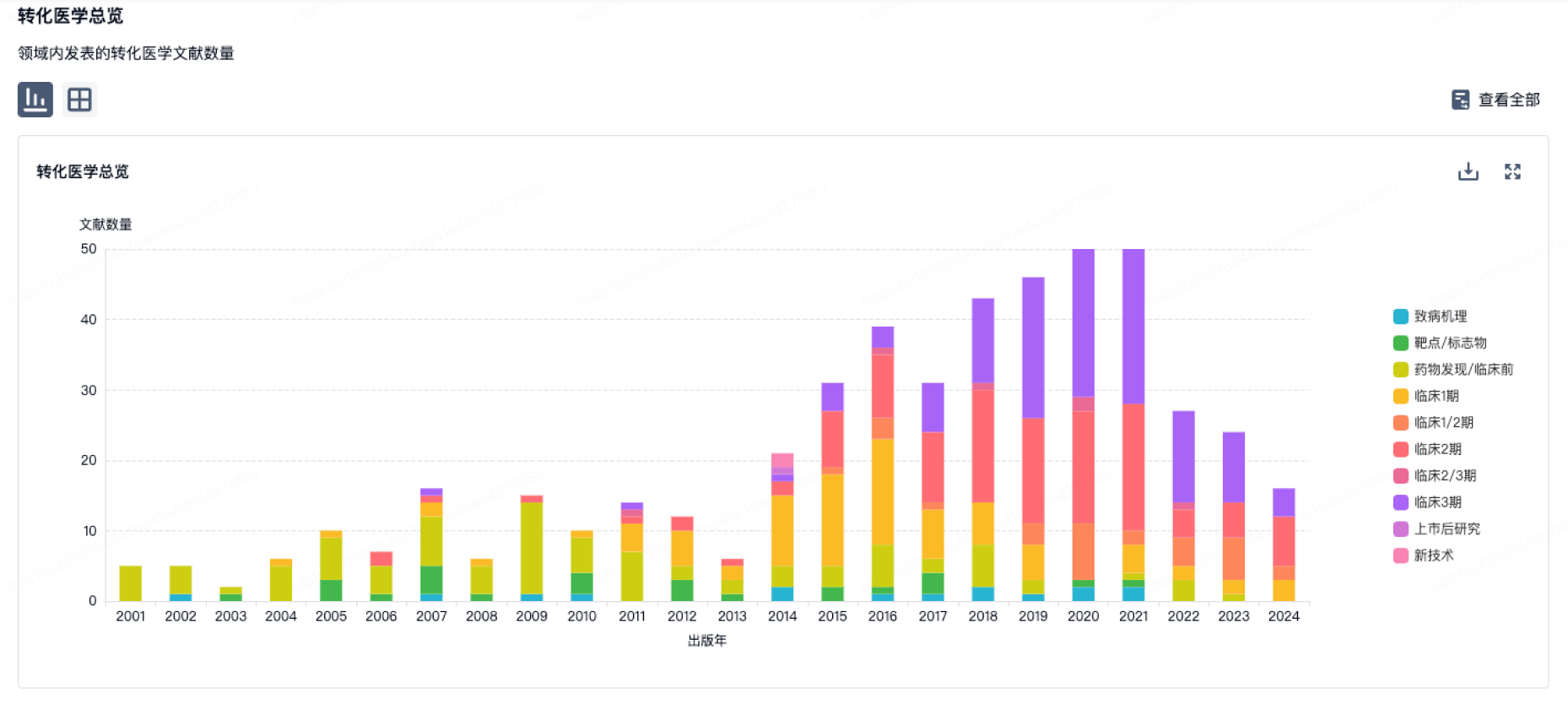
转化医学
使用我们的转化医学数据加速您的研究。
登录
或
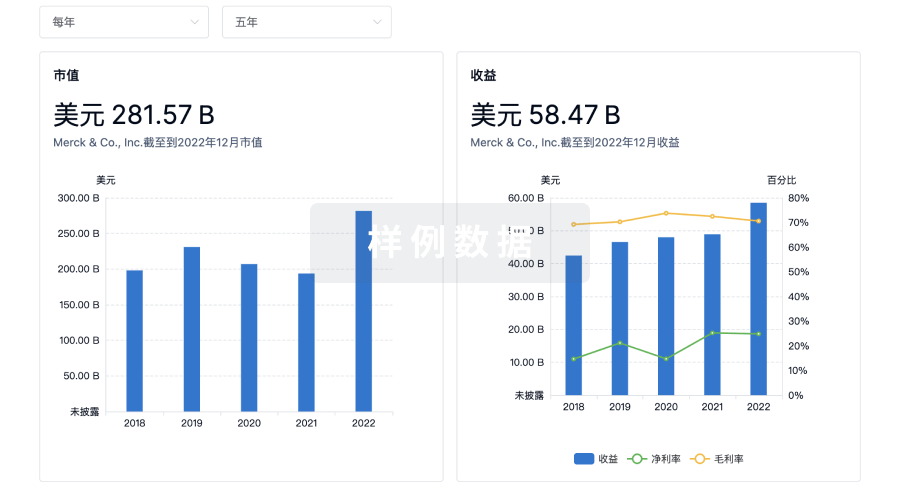
营收
使用 Synapse 探索超过 36 万个组织的财务状况。
登录
或
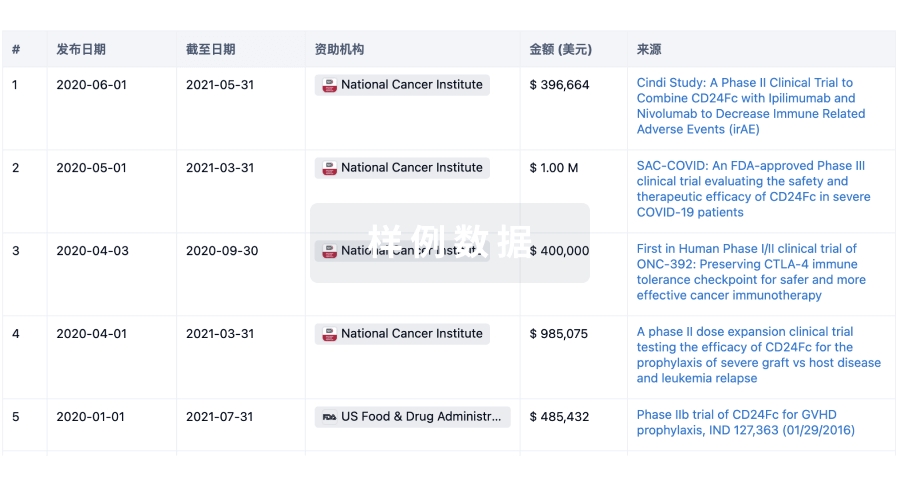
科研基金(NIH)
访问超过 200 万项资助和基金信息,以提升您的研究之旅。
登录
或
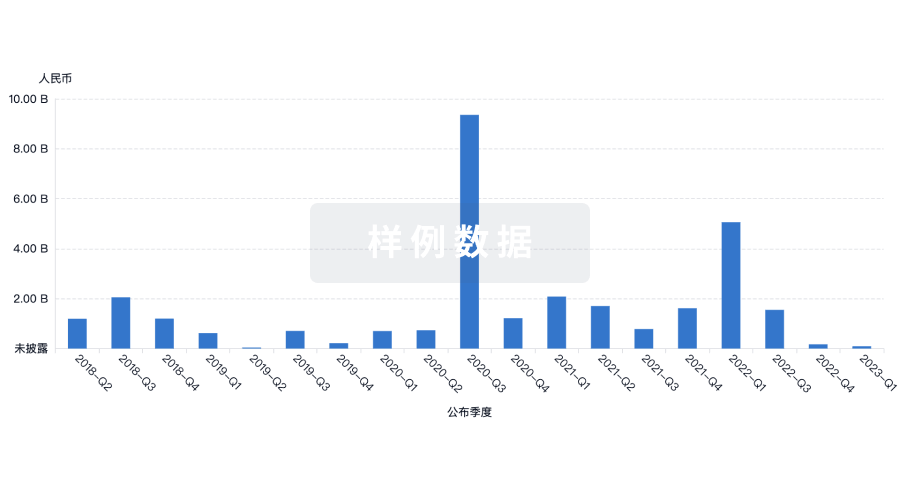
投资
深入了解从初创企业到成熟企业的最新公司投资动态。
登录
或
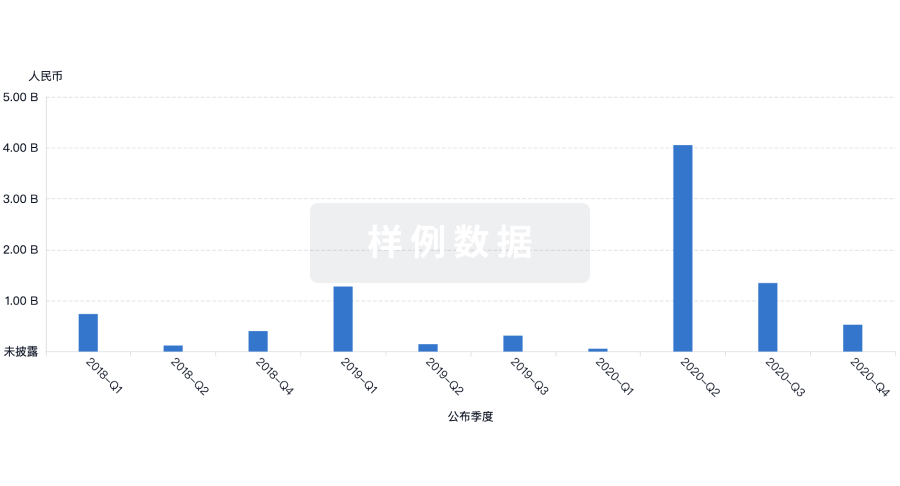
融资
发掘融资趋势以验证和推进您的投资机会。
登录
或
提出任何生物医药研究问题
让每一步生物医药决策都精准制胜
基于十亿级生物数据与全球情报的精准 AI,赋能早期药物发现
立即开始免费试用!
智慧芽新药情报库是智慧芽专为生命科学人士构建的基于AI的创新药情报平台,助您全方位提升您的研发与决策效率。
立即接入生物医药数据包
智慧芽新药库数据也通过智慧芽开放平台,以MCP或API服务形式对外开放。立即使用我们的MCP服务定制您的LLM智能体。
生物序列数据库
生物药研发创新
免费使用
化学结构数据库
小分子化药研发创新
免费使用