预约演示
更新于:2026-02-02

Sonoma Pharmaceuticals, Inc.
更新于:2026-02-02
概览
关联
4
项与 Sonoma Pharmaceuticals, Inc. 相关的临床试验NCT02001558
A Six Month Randomized Open-Label Trial of Pressure Ulcer Healing With Microcyn® Skin and Wound Care With Preservatives Versus Sterile Saline in Adult Spinal Cord Injury Subjects
The purpose of this study is to test how well Microcyn™ works on Stage 3 and Stage 4 pressure ulcers compared to sterile saline among persons with spinal cord injury.
开始日期2013-03-01 |
申办/合作机构 |

NCT01736969
Microcyn Scar Management HydroGel, K103163 vs. Kelo-cote® Scar Gel for the Management of Hypertrophic or Keloid Scars
The purpose of this study is to determine whether a developmental formulation is substantially equivalent to the predicate device in the treatment of hypertrophic and keloid scars.
开始日期2012-08-01 |
申办/合作机构 |
NCT01232985
An Open-Label Pilot Study to Determine the Efficacy and Tolerability of a Device, RD047-26 for the Treatment of Mild to Moderate Atopic Dermatitis With Associated Pruritus in Adults
The purpose of this study is to find out if investigational device, RD047-26, is safe and useful for the treatment of mild to moderate atopic dermatitis.
开始日期2010-10-01 |
申办/合作机构 |
100 项与 Sonoma Pharmaceuticals, Inc. 相关的临床结果
登录后查看更多信息
0 项与 Sonoma Pharmaceuticals, Inc. 相关的专利(医药)
登录后查看更多信息
79
项与 Sonoma Pharmaceuticals, Inc. 相关的新闻(医药)2026-01-27
Bay Area startup TRexBio has bolstered its 2024 Series B with an additional $50 million to fund the biotech’s clinical development in the burgeoning Treg space.
The biotech, founded in 2018 by SV Health Investors, will use the Series B extension to “allow for optionality going forward,” CEO Johnston Erwin said in an interview with
Endpoints News
. TRexBio could pursue an IPO, an M&A exit to a larger pharmaceutical maker, or stay independent, he said.
The funding TRexBio revealed Tuesday builds on an
$84 million Series B
disclosed in November 2024 and will support the advancement of TRB-061, which is in a
Phase 1a/b
trial. The investigational medicine is an agonist of TNFR2, a co-stimulatory receptor that is found on suppressive regulatory T cells in the skin and gut.
The regulatory T cells field got a major boost last year, when researchers were awarded the
Nobel Prize
in Physiology or Medicine for their work in this area, which has recently attracted investor interest at startups like
Zag Bio
and
RegCell
. But it hasn’t been entirely smooth sailing for startups:
Abata Therapeutics
shuttered shortly before the major scientific award was doled out, and
Sonoma Biotherapeutics
reduced its workforce this month.
The Nobel and clinical advancements helped drum up additional interest in TRex, Erwin said. His company, along with
Sonoma
,
GentiBio
and
Quell Therapeutics
, all have clinical programs with varying approaches to the Treg space.
Eli Lilly had also brought a TRex-derived asset called TRB-051 into the
clinic
in 2024 as part of a
$1.1 billion
biobucks-loaded pact.
Lilly, where Erwin was VP of corporate business development until 2021, is one of the investors in TRex. Also supporting TRex’s clinical-stage pipeline are Janus Henderson, Balyasny Asset Management, Affinity Asset Advisors, Alexandria Venture Investments, Polaris Partners and Avego BioScience Capital, among others. The venture arms of Johnson & Johnson and Pfizer are also backers of TRex.
TRex currently has about 60 employees and will grow closer to 75 as it gears up for additional clinical trials, Erwin said.
Other companies in the TNFR2 arena include
Odyssey Therapeutics
, which is in the preclinical stages of exploring a protein therapeutic for systemic lupus erythematosus, vitiligo and type 1 diabetes. Belgian Treg startup
Dualyx
also had plans in this field, but appears to have gone quiet.
TRex is homing in on atopic dermatitis for TRB-061’s first foray in the clinic. Atopic dermatitis has become one of the leading diseases addressed by the surge in investor and pharma interest in inflammation and immunology in recent years. The National Eczema Foundation said about 10% to 20% of children and 2% to 10% of adults globally have the condition.
With the new capital, TRex can also further develop TRB-071 and TRB-081 for undisclosed inflammatory and autoimmune diseases. Both will start Phase 1 testing in 2027, the startup said.
蛋白降解靶向嵌合体IPO
2026-01-27
免疫细胞治疗历史回顾
免疫细胞治疗,又称过继性细胞治疗(ACT),是指将来源于自体或供体的T细胞、B细胞、自然杀伤细胞(NK)、树突状细胞(DC)等免疫细胞经分离、基因修饰、激活与扩增等处理,再回输至患者体内的一种新型治疗策略。其核心在于通过增强免疫细胞功能,治疗肿瘤、自身免疫性疾病及感染性疾病等多种疾病。
根据免疫细胞识别抗原的特异性,该疗法可分为非抗原特异性和抗原特异性两大类。非抗原特异性免疫细胞治疗包括淋巴因子激活的杀伤细胞(LAK)、细胞因子诱导的杀伤细胞(CIK)、NK细胞、DC细胞及细胞毒性T细胞(CTL)等,主要用于肿瘤治疗。抗原特异性治疗则涵盖肿瘤浸润淋巴细胞(TIL)、嵌合抗原受体T细胞(CAR-T)、T细胞受体嵌合T细胞(TCR-T)、嵌合抗原受体自然杀伤细胞(CAR-NK)、嵌合抗原受体巨噬细胞(CAR-M)、嵌合抗原受体γδT细胞(CAR-γδT)、嵌合抗原受体调节性T细胞(CAR-Treg)等,其中CAR-T、TCR-T、CAR-NK与TIL发展最为迅速、应用最为广泛(表1)。
免疫细胞治疗的理论基础可追溯至1960年以前提出的肿瘤免疫监视假说,该假说认为肿瘤细胞表达不同于正常细胞的抗原,免疫系统可识别此类肿瘤相关抗原(TAA)或肿瘤特异性抗原(TSA),进而激活免疫应答以清除肿瘤。基于该理论,1985年ROSEN-BERG团队在小鼠模型中首次尝试LAK治疗,将正常小鼠脾细胞与高剂量白介素-2(IL-2)共孵育诱导LAK细胞,回输后可显著减少肉瘤或腺癌肝转移灶的肿瘤负荷并延长小鼠生存期。1986年,该团队进一步发现经IL-2扩增的TIL抗肿瘤效果显著优于LAK细胞,并提出全身放疗或环磷酰胺预处理可增强过继细胞疗效,为后续临床应用奠定基础。然而,后续临床研究表明,LAK疗法主要依赖NK细胞介导的非特异性杀伤,由于缺乏抗原特异性,其抗肿瘤效应短暂且易引发严重毒性反应,因此已逐渐退出主流临床使用。
与LAK类似的CIK疗法,通过添加干扰素-γ(IFN-γ)和抗CD3抗体模拟TCR-CD3信号通路,诱导CD3⁺CD56⁺表型细胞扩增,并降低IL-2用量以减轻炎症反应。CIK细胞本质是一群具备T细胞和NK细胞样表型的异质性细胞,通过NKG2D等天然受体识别应激态癌细胞,发挥主要组织相容性复合体(MHC)非限制性细胞毒作用,兼具广谱抗肿瘤活性和良好安全性,在血液肿瘤和部分实体瘤中显示一定缓解率。
TIL疗法是从肿瘤组织中分离浸润的淋巴细胞,经体外扩增后回输,依靠其中靶向TSA的T细胞发挥作用。TIL群体异质性强,可识别多种抗原并具有较强的浸润能力,但其应用受限于取材难度、手术时机与适应证。此外,TIL易受肿瘤微环境抑制而发生T细胞耗竭或免疫逃逸,且个体差异大、难以规模化生产。尽管存在上述挑战,但持续的技术创新和临床探索仍在不断推动TIL疗法向前发展。
抗原特异性免疫治疗因精准识别靶抗原的特性展现出巨大潜力。CAR-T技术历经三十年发展,在血液肿瘤中取得突破性进展,成为目前最成功的临床转化领域(图1)。1989年,ESHHAR团队首次提出嵌合T细胞受体概念,将T细胞受体(TCR)恒定区与免疫球蛋白可变区融合,实现非MHC限制性抗原识别,并激活T细胞的免疫活性。随后该团队构建了首代CAR-T模型,将抗体的单链可变片段(scFv)与TCR的信号转导亚基CD3ζ链进行融合,激活T细胞并介导靶细胞裂解。随着共刺激信号机制的阐明,研究发现第二代CAR引入CD28或4-1BB等共刺激域,显著促进T细胞活化、增殖与增强其持久性。慢病毒载体技术的成熟进一步推动CAR-T的规模化制备与临床应用。
2011年,JUNE团队与SADELAIN团队分别独立报道了靶向CD19的第二代CAR-T治疗复发/难治性B淋巴细胞白血病的里程碑式临床研究结果,患者均获得深度持续的缓解,同时展现出良好的耐受性。2017年,首款CAR-T产品Kymriah获FDA批准用于B细胞白血病和淋巴瘤,同年Yescarta获批用于淋巴瘤治疗。我国首个CAR-T产品阿基仑赛注射液于2021年获批,用于治疗大B细胞淋巴瘤。同时CAR-T技术仍在不断更新。第三代CAR-T整合多个共刺激域(如CD28ζ与4-1BBζ),虽然表现出更强的扩增能力,但临床疗效方面并未显示显著优势。第四代CAR-T通过将特定细胞因子的编码序列与CAR序列整合并用2A肽或G4S序列连接,使得工程化T细胞被激活时能够分别表达完整的CAR结构和细胞因子,实现诱导表达IL-12、IL-22等细胞因子从而增强疗效。以上各代CAR-T以结构创新为主(图2),而第五代CAR-T致力于提升精准性与安全性,例如设计双靶点CAR、逻辑门控系统或整合自杀基因/小分子开关以控制毒性。
在CAR-T的推动下,TCR-T、CAR-NK等技术也取得进展。早在1986年,STEINMETZ团队成功在小鼠T细胞中转导外源TCR基因,初步验证了外源性TCR基因转移的可行性。1999年,CLAY团队将黑色素瘤特异性TCR导入人T细胞,证实其体外杀伤能力。
随着测序技术的发展,肿瘤新抗原的发现推动TCR-T转向更安全的TSA靶点。CAR-T技术的成熟推进了病毒/非病毒载体递送系统的不断改进以及细胞体外培养扩增的规范化流程,为TCR和CAR基因的导入与细胞生产提供了较为完善的平台,尤其是在2010年之后,TCR-T参考CAR-T广泛采用慢病毒转导,多项临床试验也相继得以开展。CAR-T迭代优化过程中遇见的各种副作用和脱靶毒性也推动了各种可控性安全开关和托珠单抗等抗炎药物的开发,并进一步促进了细胞治疗领域对靶点选择、抗原亲和力和免疫抑制微环境等深层免疫机制的研究。
TCR-T可识别MHC呈递的胞内与胞外抗原,与CAR-T相比在实体瘤中应用潜力更大。然而,TCR-T仍面临较高技术壁垒。首先对于靶抗原筛选,需筛选肿瘤特异性高、正常组织表达低的抗原,以最大程度降低脱靶率和脱瘤毒性。其次,制备TCR-T时需要兼顾TCR的亲和力与减少T细胞耗竭,从而尽可能维持TCR-T细胞的抗肿瘤疗效。最后,其作用需依赖MHC分子的抗原呈递,这一限制不仅导致患者人群适用性受人类白细胞抗原(HLA)分型限制,也为大规模标准化生产和临床应用带来严峻挑战。
在TCR-T等获得性免疫细胞疗法发展的同时,NK细胞等固有免疫细胞,也因其无需预先致敏即可广泛杀伤肿瘤细胞的特性而受到关注。NK细胞的活性由激活性与抑制性受体信号的动态平衡调控。CAR-T技术的成功和产业化,为CAR-NK疗法的发展提供了工程化思路与技术平台,使其逐渐成为免疫治疗领域的一个新兴方向。
免疫细胞治疗研究成果
2.1 CAR-T细胞治疗2.1.1血液肿瘤
2014年,靶向CD19的第二代CAR-T细胞在复发/难治急性淋巴细胞白血病(ALL)患者中实现90%的完全缓解率,显著推动了该领域的发展,后续多项临床试验进一步证实了CD19CAR-T在多种血液系统恶性肿瘤中具有持续的高缓解率,大大改善了恶性血液肿瘤患者的生存。2017年美国FDA批准全球两个首发CAR-T产品:靶向CD19的Kymriah(采用4-1BB共刺激域)和Yescarta(采用CD28共刺激域)。截至2025年7月30日,全球已有14款CAR-T产品获批上市,均针对B细胞或浆细胞恶性肿瘤,靶点集中于CD19和B细胞成熟抗原(BCMA),其中中国获批7款,大部分为我国自主研发产品(表2)。
除CD19和BCMA外,其他靶点如CD38也在探索中。但由于CD38在正常免疫细胞表面也有广泛表达,其CAR-T治疗可能引发显著脱靶毒性。初步研究显示CD38CAR-T在急性髓系白血病(AML)患者中具有一定抗肿瘤疗效,但其安全性仍需更大规模临床研究进行验证。
CD7因在T淋巴细胞白血病及淋巴瘤中高表达,且不影响T细胞核心功能,成为T系血液肿瘤的治疗靶点。研究人员利用供体来源的T细胞制备出自身不表达CD7的CD7CAR-T细胞,其在I期试验中显示出初步安全性和疗效,在两年的长期随访中也被证实存在持续临床获益。另有研究表明,序贯使用CD7CAR-T与造血干细胞移植(HSCT)可改善CD7阳性白血病/淋巴瘤患者的预后,并可能降低移植物抗宿主病(GvHD)风险。
靶抗原表达水平降低、丢失或结合障碍是导致CAR-T治疗失败的重要原因。以多发性骨髓瘤(MM)为例,血清高BCMA水平与较短无进展生存期及总生存期相关,并可干扰抗BCMA抗体与肿瘤细胞结合。此外,CAR-T细胞治疗后也可能有小部分患者出现BCMA表达水平降低,可能与靶点阴性的肿瘤细胞扩增有关,从而导致抗原表位的丢失。
为提升疗效并减少抗原丢失,多靶点策略成为研究重点。研究人员尝试同时或序贯使用多种不同的CAR-T产品,一项Ⅱ期试验对62例MM患者联合输注BCMACAR-T与CD19CAR-T,中位随访21.3个月时,77%患者维持微小残留病(MRD)阴性,总缓解率(ORR)达92%,中位无进展生存期(PFS)为18.3个月;细胞因子释放综合征(CRS)发生率为95%,神经毒性发生率11%,晚期不良反应罕见。而另一项研究对21例移植后复发的B-ALL患者序贯输注CD19CAR-T和CD22CAR-T(中位间隔2.7个月),30天后全部达到完全缓解,12个月和18个月的总生存率(OS)分别为84%和65.2%,不良反应主要为轻度CRS(52%),无其他严重事件。
另一种可行方法是开发多靶点CAR-T细胞,该设计包括共同表达多个CAR分子或单CAR串联多特异性结构域。一项Ⅰ期研究采用CRISPR/Cas9构建的CD19/CD22CAR-T治疗复发/难治B-ALL,28天CR率达83.3%,且无CRS发生,中位随访时间4.3个月时60%的CR患者维持MRD阴性。临床前研究提示,同时表达两个独立CAR的BCMA/CD24CAR-T比串联结构CAR-T抗肿瘤效果更显著,这也为下一代双靶点CAR-T的构建提供了思路。此外,共转导CD19与BCMA CAR的慢病毒载体构建的双靶点CAR-T已进入Ⅰ期临床试验,用于非霍奇金淋巴瘤的治疗。我国还开发了针对CD19、CD22和BCMA的三靶点CAR-T(BZE2204),在临床前模型及3例复发/难治性非霍奇金淋巴瘤患者中均具有显著疗效。2.1.2实体瘤
CAR-T治疗实体瘤面临多重挑战,包括物理基质屏障、免疫抑制微环境、肿瘤异质性及免疫逃逸机制。尽管转化难度较大,但近年针对肝细胞癌靶点磷脂酰肌醇蛋白聚糖3(GPC3)、间皮瘤靶点间皮素(MSLN)、胃癌靶点紧密连接蛋白18.2(CLDN18.2)、神经母细胞瘤靶点双唾液酸神经节苷脂GD2(disialogangliosideGD2)、乳腺癌靶点人表皮生长因子受体2(HER2)、胶质瘤靶点白细胞介素13受体亚基α2(IL-13Rα2)、结直肠癌靶点表皮生长因子受体(EGFR)和前列腺癌靶点前列腺特异性膜抗原(PSMA)等的早期临床试验仍显示出初步抗肿瘤活性。
神经母细胞瘤和胶质瘤均属于恶性程度高、难治且预后差的神经系统肿瘤,CAR-T的应用提供了传统放化疗以外的治疗手段。一项研究对27例儿童复发/难治高危神经母细胞瘤患者输注靶向GD2并携带Caspase9基因的第三代CAR-T,客观缓解率达63%,且96%的患者可持续3个月在外周血中能检测到CAR-T细胞,高剂量组3年OS率和无事件生存率(EFS)分别为60%和36%。另一项针对GD2阳性胶质瘤的研究采用脑室内输注CAR-T,患者肿瘤体积均缩小,脑桥和脊髓胶质瘤患者的总生存期分别为17.6个月和31.96个月。虽然在该项研究中并未发生免疫效应细胞相关神经毒性综合征(ICANS),但是脑脊液中细胞因子和趋化因子水平升高,其潜在中枢神经炎症风险仍需进一步评估。
MUC1是一种常表达于上皮细胞的跨膜糖蛋白,在超过90%的三阴性乳腺癌中过表达。一项靶向低糖基化转化MUC1的CAR-T疗法已注册临床试验(NCT04020575),用于转移性乳腺癌治疗。临床前研究发现,分泌IL-22的CAR-MUC1-IL-22-T细胞可增强T细胞抗肿瘤功能及促进MUC1表达,为CAR-T联合细胞因子策略提供新思路。
2025年美国临床肿瘤学会(ASCO)年会公布了科济药业靶向Claudin18.2蛋白的自体CAR-T产品的Ⅱ期研究结果,该研究在传统氟达拉滨与环磷酰胺方案清淋化疗的基础上加入低剂量的白蛋白紫杉醇,用于Claudin18.2阳性、至少二线治疗失败的晚期胃/食管胃结合部腺癌和胰腺癌患者,结果显示与标准治疗方案(阿帕替尼、紫杉醇、多西他赛、伊立替康或纳武利尤单抗)相比,患者有显著生存获益。基于其疗效与可控安全性,该产品有望成为全球首个获批上市用于实体瘤的CAR-T细胞疗法。
此外,CAR-T细胞联合免疫检查点抑制剂也具有发展前景。18例恶性胸膜间皮瘤患者接受胸腔内注射靶向间皮素的CAR-T细胞后,序贯使用帕博利珠单抗,OS达23.9个月,且在改善临床结局的同时展现出良好的耐受性,这有力支持了免疫联合治疗实体瘤的研究。2.1.3 自身免疫疾病
基于CAR-T细胞在B细胞来源的恶性肿瘤患者中的显著疗效,研究人员开始尝试将此疗法拓展到非恶性B细胞介导的自身免疫疾病领域。CAR-T细胞在自身免疫疾病患者体内持续时间较短(通常数周)。但B细胞重建后疾病仍然可以表现为缓解状态。而对重建后的B细胞的分析发现其重链类型发生转换,不表现自身反应特性。这表明CAR-T细胞治疗有助于恢复免疫稳态以及无药状态下的长期缓解。
目前多采用靶向CD19和/或BCMA的CAR-T,该类产品以耗竭产生自身抗体的自身反应性B细胞与浆细胞等B细胞谱系为目的。一项研究报道两例AChR-IgG和MuSk-IgG阳性重症肌无力患者接受BCMACAR-T治疗后B细胞重建延迟至18个月,且以幼稚B细胞为主,记忆B细胞和浆细胞的比例均下降,提示体液免疫长期抑制可能是CAR-T治疗自身免疫性疾病的根本机制。而并非由B细胞介导的没有明确致病抗体的慢性炎症性疾病,比如炎症性肠病、银屑病等,其根本致病机制是T细胞的异常活化和炎症性细胞因子水平升高,对于这类疾病CAR-Treg可能更具潜力。
2021年,SCHETT团队在新英格兰杂志发表一项病例报道,首次将CD19CAR-T细胞疗法应用于难治性系统性红斑狼疮(SLE)的治疗,后续队列研究证实该疗法可实现长期无药缓解。2024年一项更大规模的临床研究涵盖了SLE、特发性炎症性肌炎和系统性硬化症,所有患者均达临床缓解并停用免疫抑制剂,不良反应以轻度CRS为主,无严重神经毒性或感染事件。在接受CD19CAR-T治疗的青少年SLE患者中也报道了类似的良好疗效和安全性,尤其是一例狼疮性肾炎的儿科患者在未接受透析的情况下实现了疾病缓解。2.1.4 新型CAR-T技术
为克服自体CAR-T制备时间长、成本高及部分患者自身细胞质量不佳的限制,供体来源的通用型CAR-T(UCAR-T)成为研究热点。通过CRISPR/Cas9等基因编辑技术敲除异体T细胞表面的TCR和HLA分子,可避免GvHD和免疫排斥。2016年起美国Allogene等公司和研究机构便开展了多中心临床试验,首次证明了同种异体CAR-T在成人和儿童B-ALL中的抗肿瘤疗效。2025年,ALPHA2/ALPHAI期临床试验报道了现货型CD19CAR-T产品(cema-cel/ALLO-501)在初治复发/难治性大B细胞淋巴瘤中具有持久疗效。法国Cellectis公司开发的通用型双靶点CAR-T产品UCART20x22已获批进入临床在复发/难治性B-NHL中开展试验。国内研究团队也开发出BCMA/CD47双靶点的UCAR-T细胞,其在骨髓瘤的临床前模型中显示出抗肿瘤活性。在2025年欧洲血液学协会(EHA)年会上,南京北恒生物科技有限公司报道了靶向CD7的UCAR-T产品(CTD402)在复发/难治性急性T淋巴细胞白血病/淋巴细胞淋巴瘤患者中的显著疗效,该产品即将进入下一步临床研究。
2022年宾夕法尼亚大学EPSTEIN教授团队在Science发表开创性研究,首次通过注射靶向T细胞的脂质纳米颗粒(LNP)递送信使RNA(mRNA),在心力衰竭小鼠体内原位生成抗纤维化CAR-T细胞,有效减轻心脏纤维化。2025年,基于该团队成立的Capstan公司在人源化小鼠和食蟹猴模型中验证了体内CAR-T(invivoCAR-T)的抗肿瘤疗效和B细胞清除能力。同年美国细胞与基因治疗学会(ASGCT)年会多项研究展示了通过注射病毒载体(如慢病毒、腺相关病毒)或非病毒载体(如LNP、DNA纳米颗粒)递送mRNA,直接在体内改造T细胞使其表达CAR的技术。这一创新大大简化了CAR-T的制备流程,并且避免了体外培养时间过长导致的T细胞耗竭等问题。日前,Capstan公司已启动首个invivoCAR-T候选药物CPTX2309的Ⅰ期临床试验(NCT06917742),而我国于2025年7月首次报道了采用invivoBCMACAR-T治疗4例复发/难治性多发性骨髓瘤患者的成果,全部患者均达到客观缓解,其中两例实现完全缓解,且CRS总体可控,标志着该技术正式进入临床应用。2.2 TCR-T细胞治疗
2020年至2024年间,全球新注册的TCR-T临床试验达到136项,其中超过60%处于I期阶段。与CAR-T细胞不同,TCR-T细胞能够识别由MHC分子呈递的细胞内抗原,靶点选择范围更广,因此在实体瘤治疗中展现出显著潜力。目前,大多数TCR-T试验集中于黑色素瘤、宫颈癌、胰腺导管腺癌及胃癌等实体肿瘤,少数研究也在探索其在血液系统恶性肿瘤及人类免疫缺陷病毒(HIV)、乙型病毒性肝炎(HBV)、Epstein-Barr病毒(EBV)等病毒感染相关肿瘤中的应用。
肿瘤抗原可分为TAA和TSA两大类。TAA在正常细胞和肿瘤细胞中均表达,可进一步分为过表达抗原、组织分化抗原和癌症种系抗原。早期TCR-T临床试验多针对黑色素瘤分化抗原如MART-1和gp100,但由于存在靶向非肿瘤组织引起的毒性问题,相关研究已逐渐减少。目前,研究热点集中于黑色素瘤相关抗原(MAGE)蛋白家族、黑色素瘤优先表达抗原(PRAME)等过表达抗原,其中靶向MAGE-A1的TCR-T细胞治疗在晚期实体瘤患者中显示出可控的安全性。2024年,基于SPEARHEAD-1研究结果,美国FDA批准了首款用于实体瘤的TCR-T细胞疗法Tecelra(也称Afami-cel),用于治疗表达HLA-A*02及MAGE-A4的晚期滑膜肉瘤或粘黏液样圆细胞脂肪肉瘤。这项Ⅱ期研究的中位随访时间为32.6个月,Tecelra在52例患者中ORR达到37%,且表现出良好的安全性与耐受性,CRS发生率为71%,其中仅1例为3级CRS。此前I期试验也显示,Afami-cel在滑膜肉瘤、卵巢癌和头颈癌中具有良好的安全性和显著疗效疗效。
TSA仅特异性表达于肿瘤细胞,可最大程度降低对正常组织的靶外毒性,因而是更理想的TCR-T靶点。一项多中心研究利用慢病毒载体,使自体T细胞表达乙型肝炎表面抗原特异性TCR,用于治疗HBV相关肝细胞癌,结果显示该疗法兼具抗病毒和抗肿瘤活性,但对患者生存期的改善仍需长期随访评估。美国普罗维登斯癌症研究所等机构应用靶向KRAS的TCR-T细胞治疗一例胰腺癌患者,使其获得长达6个月的缓解且6个月后缓解仍在持续。此外,多项针对非小细胞肺癌相关抗原(如NY-ESO-1、KK-LC-1)的TCR-T临床研究也正在推进中。
在血液肿瘤领域,TCR-T疗法的应用相对有限。WT1基因在AML和骨髓增生异常综合征(MDS)等髓系恶性肿瘤中过表达,靶向WT1的TCR-T细胞已在临床研究中显示抗肿瘤活性,并显示出良好的安全性和持久性。荷兰一研究团队成功分离出EBV-LMP2特异性的T细胞群并重构其TCR序列,该成果在未来有望应用于EBV相关淋巴瘤、鼻咽癌等疾病。
联合免疫检查点阻断策略为增强TCR-T疗效提供了新方向。研究表明,长期抗原暴露会导致T细胞耗竭,表现为PD-1、LAG-3等抑制性受体上调。在此基础上,一项研究构建了靶向MC2的PD-1敲除型TCR-T细胞,并通过外源过表达PD-L1以激活肿瘤细胞PD-1信号,该工程化细胞在体内外均显示出更强的肿瘤抑制能力。这些结果提示,TCR-T细胞与PD-1/PD-L1信号通路联合干预可能具有协同抗肿瘤效果。
鉴于靶点选择及个人HLA异质性对TCR-T细胞疗效具有重要影响,个体化治疗已成为该领域的发展趋势。国内已有团队开发出了一种基于单细胞测序数据集的高效肿瘤特异性TCR筛选系统,并成功鉴定了宫颈癌相关的HPV16特异性TCR,显著推进了TCR-T细胞治疗的应用。另一项研究则建立了基于诊断性活检组织的高通量测序平台,用于筛选抗原特异性TCR。此外,通用型TCR-T细胞疗法也取得初步进展,国内研究团队已在小鼠模型中采用人工抗原表达技术,借助脂质体将NY-ESO-1递送至肿瘤部位,诱导肿瘤细胞表面表达特定的MHC-肽复合物,从而成功引导NY-ESO-1TCR-T细胞识别并杀伤肿瘤。该策略为提高TCR-T治疗的安全性和可及性提供了重要技术支撑。2.3 TIL细胞治疗
TIL疗法已在多项临床试验中展现出良好的安全性和明确的治疗效果。2018年,一项研究采用靶向四种突变蛋白的TIL治疗难治性转移性乳腺癌,首次实现了持续超过22个月的完全缓解。从2020至2024年底,在全球范围内共登记了155项TIL疗法的临床试验,覆盖多种实体瘤类型,包括黑色素瘤、胰腺癌、非小细胞肺癌、宫颈癌、卵巢癌和乳腺癌等,其中大多数研究仍处于临床Ⅰ期阶段。美国Iovance Biotherapeutics公司开发的Lifileucel获得FDA批准用于晚期黑色素瘤的治疗,成为全球首款正式上市的TIL细胞疗法产品。TIL疗法还在转移性非小细胞肺癌患者中显示出临床缓解效果,初步证明了TIL在免疫治疗耐药人群中的潜在应用价值。
除单药治疗外,TIL与免疫检查点抑制剂治疗的联合应用也表现出广阔前景。一项研究显示,复发性宫颈癌患者在接受抗PD-1抗体联合TIL输注治疗后生存期显著延长,同时研究指出输注后CD8+/CD4+T细胞比例升高与良好预后相关。目前一项Ⅲ期临床试验(NCT05727904)正在进行中,旨在比较帕博利珠单抗单药与联合Lifileucel在未经治疗的晚期黑色素瘤患者中的疗效差异。
为优化TIL产品性能,当前的研究策略主要集中于提高细胞耐受性和增强细胞功能,例如采用共刺激分子促进TIL的离体扩增、通过功能性或表型筛选富集肿瘤反应性T细胞群体,以及开发经基因编辑的下一代TIL疗法。研究表明,使用CD40L刺激的B细胞可有效提升从非小细胞肺癌组织中分离的TIL扩增与富集效率。在此基础上,有研究进一步提出构建一种嵌合共刺激抗原受体,该受体携带CD28/CD40共刺激结构域,用于修饰TIL以增强其增殖能力和细胞毒性。
随着TIL疗法的逐步推广,国际多学科专家联合成立了TIL工作组,并于2024年发布了关于TIL治疗管理及临床实践的专家共识指南。该指南建议未来应重点围绕制造工艺优化、合并症处理以及基因编辑等新技术的应用展开研究,以推动TIL治疗的标准化和持续创新。2.4 CAR-NK/NKT细胞治疗
NK细胞作为先天免疫效应细胞,兼具固有免疫和适应性免疫的特性,可靶向因HLAⅠ类分子下调而逃避免疫监视的肿瘤细胞,具有天然抗肿瘤活性,是除T细胞外用于CAR修饰的重要效应细胞类型。在实体瘤治疗方面,一项针对12例儿童神经母细胞瘤患者的首次人体Ⅰ期试验对GD2CAR-NKT细胞进行了安全性与剂量评估,结果显示5例患者达到客观缓解,仅1例出现2级CRS伴细胞因子升高,经托珠单抗治疗后好转。在血液肿瘤领域,一项Ⅰ/Ⅱ期临床试验也证实,CD19CAR-NK细胞治疗复发/难治性CD19阳性非霍奇金淋巴瘤(NHL)和慢性淋巴细胞白血病(CLL)具有良好疗效与安全性,可诱导快速抗肿瘤反应并持久扩增。在AML等髓系恶性肿瘤中,由于缺乏肿瘤特异性靶点,CAR-T疗法易引发长期骨髓抑制等脱靶毒性,限制了其临床应用。一项Ⅰ期研究显示,靶向CD33的CAR-NK细胞在10例复发/难治性AML患者中展现出与CD33CAR-T相当的抗肿瘤活性,且安全性更优。与CAR-T相似,CAR-NKT也可通过协同表达细胞因子增强抗肿瘤活性。研究显示,表达IL-12的CAR-NK能够在白血病和神经母细胞瘤模型中表现出增强的抗肿瘤活性。
此外,异体来源的NK细胞本身不易引起GvHD,因此更适用于开发通用型CAR-NK细胞产品,其来源也不局限于单一外周血。一方面,脐带血可作为重要来源,提供更幼稚、增殖能力更强的NK细胞。有研究通过逆转录病毒载体转导脐带血来源的NK细胞,使其共表达CD19CAR、IL-15及Caspase9,在临床前模型中显示出显著抗白血病活性。另一方面,诱导多能干细胞(iPSC)定向分化为获取来源稳定、质量均一的NK细胞提供了新途径,不仅可实现NK细胞的大规模、标准化生产,还能显著降低制备成本。美国Fate Therapeutics公司基于该技术开发出了CD19CAR-NK产品(FT596),并在2025年报道了首次Ⅰ期临床试验的结果,表明了该产品在惰性和侵袭性淋巴瘤患者中均可诱导深度且持久的临床缓解。2.5 CIK细胞治疗CIK细胞群是一类兼具T细胞与NK细胞免疫特性的异质性细胞群体,主要由CD3+CD56−(T细胞)、CD3+CD56+(NKT细胞)和CD3−CD56+(NK细胞)等多个亚群组成,表现出天然抗肿瘤活性。近年多项研究显示,CIK与免疫检查点抑制剂、表观遗传调节药物及传统化疗等多种治疗手段联用,可显著增强抗肿瘤疗效。2020年,我国报道了首个CIK细胞联合化疗治疗晚期肺鳞癌的多中心、随机临床对照研究,结果显示该联合疗法不仅显著改善了患者的生存,还有效减轻了化疗引起的毒副作用,提高了患者的生存质量。2024年,一项III期临床试验进一步证实,在卡培他滨、奥沙利铂联合贝伐珠单抗的一线治疗方案基础上,加用经PD-1阻断剂激活的DC-CIK(PD1-T)细胞免疫治疗,可显著延长转移性结直肠癌患者的无进展生存期和总生存期,且整体耐受性良好。
既往研究认为,CAR-T细胞对骨髓中白血病干细胞的靶向效率较低,这可能是其在AML中疗效受限的原因之一。针对这一挑战,意大利研究团队开发了一种靶向CD33的CAR-CIK细胞,并通过基因工程手段使其过表达CXCR4,以增强该细胞向骨髓组织的归巢能力。该方法在临床前研究中显示出了持久的抗白血病效应,并显著延长了小鼠模型的生存期。
除抗肿瘤应用外,CIK细胞还显示出在调节免疫稳态及缓解慢性炎症方面的潜力。研究表明,CIK细胞在高糖环境中可调控巨噬细胞极化、缓解局部炎症反应并促进血管再生,从而加速糖尿病相关伤口的愈合过程。
然而,CIK细胞治疗长期以来面临扩增方案与生产流程缺乏统一标准的问题。为推进该领域的规范化和进一步发展,国际CIK细胞学会于2023年8月正式成立,并发布了CIK细胞生产的标准化方案。该学会还致力于整合临床前与临床研究数据,以推动CIK治疗向更高效、更安全的方向发展。2.6 其他免疫细胞治疗2.6.1 巨噬细胞治疗
巨噬细胞是先天免疫的重要组成成分,尤其是肿瘤相关巨噬细胞,作为肿瘤微环境中最大的免疫细胞群体,具有强大的吞噬能力、抗原呈递能力以及细胞因子与趋化因子分泌能力。通过CAR基因工程改造巨噬细胞,可增强其靶向吞噬与抗原处理能力,为实体瘤治疗提供新策略。临床前研究表明,靶向HER2的CAR-M联合抗PD-1抗体治疗可显著减轻肿瘤负荷并重塑免疫微环境。美国CarismaTherapeutics公司开展的首个Ⅰ期临床试验初步验证了HER2CAR-M在乳腺癌和胃食管癌患者中的安全性与耐受性。此外,研究人员利用iPSC来源的巨噬细胞,构建了具有CD3ζ-TIR双信号转导功能的CAR-M,不仅显著增强了其靶向吞噬能力,还促进了抗原依赖性的M1型极化。除直接杀伤肿瘤外,CAR-M还可以作为辅助治疗手段。我国研究团队开发了靶向成纤维细胞激活蛋白(FAP)的体内CAR-M,研究人员采用甘露糖修饰的mRNA-LNP递送系统,将M2型巨噬细胞重编程为FAPCAR-M,从而使该产品能够特异性清除癌症相关成纤维细胞及其形成的纤维化屏障,显著增强化疗药物与免疫细胞浸润,在胰腺导管腺癌临床前模型中有效提升肿瘤治疗效果并延长生存期。2.6.2 γδT细胞治疗
γδT细胞兼具固有免疫与适应性免疫特性,具有MHC非限制性杀伤能力,且能够提呈抗原。然而,该细胞群体构成复杂、异质性强,限制了其治疗应用的进展。2023年,我国研发了一种新型CD19特异性γδTCR-T细胞(ET019003)并完成了首项Ⅰ期临床试验,首次输注后87.5%的复发/难治性弥漫大B细胞淋巴瘤患者获得临床缓解,3年OS率达75%,且安全性良好。美国开发出一款靶向CD70的同种异体γδCAR-T细胞产品,其在细胞及小鼠模型中显示出显著抗肿瘤活性,目前正在复发/难治性透明细胞肾细胞癌中进行初步临床评估。2.6.3 Treg细胞治疗
Treg细胞治疗旨在抑制过度免疫反应,调控免疫稳态,重塑免疫耐受,可应用于自身免疫性疾病、移植排斥、GvHD等疾病领域。该疗法整体仍处于早期研发阶段,尚未进入临床应用,当前研究重点集中在优化Treg的体外扩增与改造策略。由于循环Treg比例较低,需在采集后进行大量扩增,并通过基因工程等手段提升其特异性、稳定性与体内持久性。Treg的总产量还与患者疾病状态及外周血中Treg的数量密切相关。目前常用的富集方法包括基于CD4、CD25、CD127等表面标志物的磁珠或流式分选,并利用雷帕霉素抑制效应T细胞增殖以维持Treg表型与功能。此外也可通过CRISPR/Cas9等基因编辑技术或细胞因子诱导,将CD4+T细胞转化为Treg细胞。美国Sonoma公司开发出一种基于慢病毒载体的CAR-Treg生产技术,使CAR-Treg细胞在14天扩增期内显示出良好的增长趋势。法国研究团队则构建了髓鞘少突胶质细胞糖蛋白特异性CAR-Treg细胞,其在多发性硬化小鼠模型中展示出疗效。2.6.4 CAR-中性粒细胞治疗
中性粒细胞作为天然免疫系统的重要组成部分,具有强大的趋化能力和肿瘤浸润能力。近年来,研究人员开始探索通过CAR工程化改造中性粒细胞用于抗肿瘤治疗。目前已在小鼠模型中成功实现由诱导多能干细胞分化生成靶向胶质母细胞瘤的CAR-中性粒细胞,并以此作为药物递送载体,将替拉帕胺等抗肿瘤药物纳米颗粒递送至难以手术的深部脑肿瘤部位,显著抑制肿瘤生长并延长生存期,未来该治疗手段与手术及放疗联合应用有望进一步提高疗效。
免疫细胞治疗的展望
作为肿瘤治疗领域的重要突破,尤其在血液肿瘤中展现出显著疗效,免疫细胞治疗是当前细胞治疗领域的热点和前沿方向,但其发展仍面临诸多挑战。未来通过多学科交叉创新与全产业链优化,不断提升免疫细胞治疗的安全性和有效性,免疫细胞治疗有望在基础机制探索、产品开发与临床转化等方面实现进一步发展。
免疫细胞治疗的基础研究首先需要面临靶点识别的挑战。目前针对血液肿瘤的胞外靶点明确但种类较少,而针对实体瘤的肿瘤特异性抗原更是亟待挖掘。得益于多组学技术和人工智能的深度融合,未来有望发现更多具有高特异性的新抗原,并借助逻辑门控等智能设计,推动双/多靶点CAR-T、TCR-T及CAR-NK等疗法显著提升肿瘤识别准确性,最大限度降低脱靶毒性。其次在细胞浸润方面,工程化改造各类免疫细胞(包括T细胞、NK细胞和巨噬细胞),使其表达趋化因子受体或响应内源信号,将有望促进其对肿瘤组织的定向迁移;局部递送技术及新型载体系统的开发,也将为促进细胞在病灶部位的富集提供关键支持。另有一种新兴概念认为,CAR结构与T细胞原本表面存在的TCR结构存在功能串扰,利用好这种天然性串扰可以设计更为精确的免疫细胞疗法。值得注意的是,这些机制创新不仅限于肿瘤领域,也有望为自身免疫病治疗提供新范式,例如通过精确调控免疫细胞活性和靶向路径,重建自身免疫耐受。
此外,除增强工程化T细胞自身的免疫效应之外,重塑免疫微环境、激活固有免疫细胞等其他可以协同增强免疫的层面同样具备可观的发展前景。目前所用的CAR-T已通过整合4-1BB等共刺激信号和细胞因子,显著增强了T细胞本身的活化、增殖与持久性。研究表明,相较于CD8+CAR-T细胞,CD4+CAR-T细胞耗竭速度较慢,且其分化表型偏向Th1亚型,在对获得长达十年持续缓解的白血病患者的分析中发现,其体内CD4+CAR-T细胞仍保持持续增殖能力和稳定的免疫功能。基于此,有研究提出将T细胞诱导分化为辅助性T细胞后再进行工程化改造的策略,旨在利用Th1细胞分泌的IFN-γ等细胞因子促进免疫细胞活化并诱导肿瘤细胞凋亡。针对免疫抑制性微环境,未来值得关注的方向包括设计能够分泌细胞因子的“装甲型”免疫细胞,通过重复刺激防止功能衰竭,以及联合使用免疫调节药物、表达可降解物理屏障的酶等策略,共同促进免疫细胞功能恢复和增强持久抗肿瘤效应。
在临床转化方面,尽管CAR-T细胞等在ALL、MM和B细胞淋巴瘤中表现出突破性疗效,但其在AML和CLL等疾病中仍存在响应率低、扩增不足、疗效不持久及复发率高等问题。未来应着力于改善T细胞功能状态,延缓终末分化和耗竭,以进一步突破免疫细胞的疗效限制。近期研究表明,调控工程化T细胞的代谢途径可显著影响其抗肿瘤活性。此外,联合表观遗传学调控或信号通路抑制剂,也有助于恢复T细胞功能,提高治疗响应率与持续时间。
在改善可及性、降低成本、扩大应用方面,目前UCAR-T等新产品仍处于临床探索阶段,其应用受到免疫排斥、存活时间短以及基因编辑安全性等问题的限制。未来应着眼于优化CRISPR/Cas系统、碱基编辑技术等基因编辑工具,降低GvHD风险,并提高异体细胞持久性。iPSC技术为获取稳定细胞来源提供了新路径,有望实现标准化、规模化的“现货型”细胞治疗产品,大幅降低生产成本和治疗等待时间。除了异体细胞治疗外,自体细胞的制备流程也亟需优化。体内制备的invivoCAR-T尚未实现临床转化,而当前传统的免疫细胞产品面临周期长、质控复杂、个体间差异大等问题。开发自动化封闭式生产系统、优化病毒载体转导效率、探索非病毒载体技术可显著提高制备成功率和批次稳定性。
免疫细胞治疗的发展不仅依赖于技术创新,还需产业链与制度体系的协同支持,共同构建稳健的供应链与质控体系;还应探索多元支付与准入模式,建立医保、商保与企业共付机制,减轻患者经济负担,提升治疗可及性;最后,要推动临床研究与真实世界数据整合,建立统一登记平台,系统收集疗效与安全性数据,为治疗策略优化与政策制定提供依据,从而共同推动免疫细胞治疗迈向更广泛、更高效的新阶段。
识别微信二维码,添加生物制品圈小编,符合条件者即可加入
生物制品微信群!
请注明:姓名+研究方向!
版
权
声
明
本公众号所有转载文章系出于传递更多信息之目的,且明确注明来源和作者,不希望被转载的媒体或个人可与我们联系(cbplib@163.com),我们将立即进行删除处理。所有文章仅代表作者观不本站。
细胞疗法免疫疗法临床研究
2025-12-26
作者:Asher Mullard(采访整理)
受访专家:Jeff Bluestone(Sonoma Biotherapeutics CEO)
DOI: 10.1038/d41573-025-00186-9
这篇发表于Nature review drug discovery2025年12月第24卷的述评聚焦于Tregs细胞从基础发现迈向临床转化的历史性飞跃。
随着2025年诺贝尔奖授予Tregs的发现者,免疫治疗领域迎来了属于“免疫警察”的时刻。JeffBluestone作为该领域的开拓者,通过本综述深刻剖析了从Treg身份确立到工程化CAR-Treg药物开发的范式转移。
文章的核心逻辑在于“精准抑制与环境重塑”。早期的失败经验证明,非特异性的细胞扩增无法提供足够的临床获益。而Sonoma公司推出的SBT-77-7101疗法,通过靶向疾病特有的瓜氨酸化蛋白,实现了在炎症部位的“按需激活”。更具深度的是其提出的“组合拳”策略:利用SBT-11-5301选择性清除效应T细胞,为随后植入的Tregs清理出能够重建长期免疫耐受的微环境。
尽管面临成本控制及体内基因重编程等挑战,但这篇访谈明确传递了一个信号:凭借工程化细胞作为“全功能药物(Polypharmaceuticals)”的优势,Treg疗法正从实验室的科学假说转变为治愈自身免疫性疾病的切实希望。
下面,我们就为读者朋友解读这篇论文:
背景简介
2025年10月,诺贝尔生理学或医学奖授予了 Fred Ramsdell、Mary Brunkow 和 Shimon Sakaguchi,以表彰他们对监管性T细胞(Regulatory T cells, Tregs)的发现。这一荣誉不仅是对基础免疫学的肯定,更是对正在蓬勃发展的Tregs细胞治疗领域的巨大鼓舞。
Tregs是一类具有免疫抑制功能的T细胞,能够阻止其他免疫细胞攻击自身组织。从1995年到2003年,随着核心标志物CD25和转录因子Foxp3的发现,Tregs的身份得以确立。如今,以Sonoma Biotherapeutics为代表的生物技术公司,正致力于通过合成生物学手段,将这些“免疫警察”转化为攻克自身免疫性疾病、器官移植排斥甚至癌症的革命性药物。
从“抑制细胞”的科学争论到 Foxp3 的定海神针
在20世纪80年代,免疫学界曾深陷CD8+抑制细胞的泥潭,因其实验可重复性差而导致整个方向一度被视为“冷门”甚至“伪科学”。Bluestone坦言,当Sakaguchi最初提出CD4+CD25+细胞具有抑制功能时,学界最初充满了怀疑。真正的转折点出现在2001年至2003年:关键标记物的确立:Ramsdell和Brunkow发现了Foxp3这一转录因子是Treg发育的核心开关。身份锚定:2003年,Sakaguchi、Ramsdell和Rudensky独立发表的三篇论文,确切地将Foxp3与Treg表型挂钩。这一系列的发现证明了Treg是一类功能明确、遗传特征稳定的细胞群,而非实验误差产生的随机表型。
CAR-Treg的工程化逻辑——为什么“普适性”不如“精确打击”?
Bluestone指出,早期的Treg疗法大多使用未经修饰的、多克隆的Treg,虽然安全性良好,但临床疗效往往差强人意。这促使领域转向了CAR-Treg的开发。
特异性驱动效率:借用肿瘤CAR-T的逻辑,通过慢病毒载体让Treg表达特定的受体,使其能精准归巢至炎症部位。
抗原选择的艺术:以Sonoma的SBT-77-7101为例,它靶向的是瓜氨酸化蛋白。这与传统的组织恒定表达抗原不同,瓜氨酸化是疾病状态导致的翻译后修饰产物。这意味着Treg只有在疾病活跃期才会被强烈激活,实现“按需给药”。
初步临床反馈:在REGULATE-RA研究中,针对平均尝试过14种药物均失败的难治性患者,回输SBT-77-7101四周后,6名患者中有4名出现了显著的临床缓解。
免疫平衡的“天平”策略——先除旧,后布新
Bluestone 提出了一个极其重要的转化医学观点:单纯增加Treg可能不足以逆转严重的自身免疫状态。在炎症极度活跃的环境下,效应T细胞和NK细胞占据统治地位。为此,Sonoma开发了配套的生物制剂SBT-11-5301,旨在短期内选择性清除效应T细胞。
其核心逻辑如下:
清空战场:使用药物“去负载”,降低促炎细胞的密度。
重塑环境:在回输CAR-Treg,使其在相对“安静”的环境中定植并发挥长效的免疫抑制和组织修复功能。
重建耐受:通过这种双重手段,将免疫系统的失衡状态强行拉回平衡点,以期实现“一劳永逸”的免疫耐受。
总结与展望:
Treg领域正处于从“发现”向“药物”跨越的关键期。诺贝尔奖的认可不仅是荣誉,更是对这一领域投入更多资源和资金的信号。
未来趋势:
从离体到原位:目前的CAR-Treg多为离体工程化,未来10-20年,体内原位重编程Treg将成为终极目标。
全能型与异体化:为了降低成本并提高可及性,通用型(Allogeneic)Treg细胞疗法正在紧锣密鼓的研发中。
跨学科融合:Treg将与低剂量IL-2突变体、激动剂抗体等手段结合,形成多维度的治疗矩阵。
正如Jeff Bluestone所言,“It's about time.” 属于Treg的时代已经到来。
欢迎各位咨询——科途官方客服:
关于科途医学
科途医学是一家专注于类器官培养全流程产品、类器官建模服务、类器官疾病模型库建设、临床前药物发现、转化医学CRO服务的高科技公司,可提供类器官一站式解决方案。基于分泌蛋白质组学筛选技术,公司已经建立了40多种组织的类器官培养方法。产品包括EHSgel 基质胶、多种类器官培养基、类器官相关细胞因子、组织消化酶解液、类器官分离回收液、类器官冻存液等。我们致力于提供高质量、更可靠的类器官产品,助力客户科学研究的进展,欢迎您来电咨询。
使用科途医学类器官产品或模型发表的科研文献列表(部分)
订购及业务咨询:info@K2Oncology.com
技术服务咨询:TechSupport@k2oncology.com
联系电话:010-67889128,13371633638(微信同步),17778038351
网址:www.K2Oncology.com
地址:
●北京市北京经济技术开发区经海六路5号院东尚·E园10号楼1层109
●浙江省湖州市红丰路1366号6幢10楼1001室
●河北省廊坊市固安县新兴园肽谷生物医药加速器产业园1号楼A1-1-4室
免疫疗法细胞疗法
100 项与 Sonoma Pharmaceuticals, Inc. 相关的药物交易
登录后查看更多信息
100 项与 Sonoma Pharmaceuticals, Inc. 相关的转化医学
登录后查看更多信息
组织架构
使用我们的机构树数据加速您的研究。
登录
或
管线布局
2026年02月08日管线快照
无数据报导
登录后保持更新
药物交易
使用我们的药物交易数据加速您的研究。
登录
或
转化医学
使用我们的转化医学数据加速您的研究。
登录
或
营收
使用 Synapse 探索超过 36 万个组织的财务状况。
登录
或
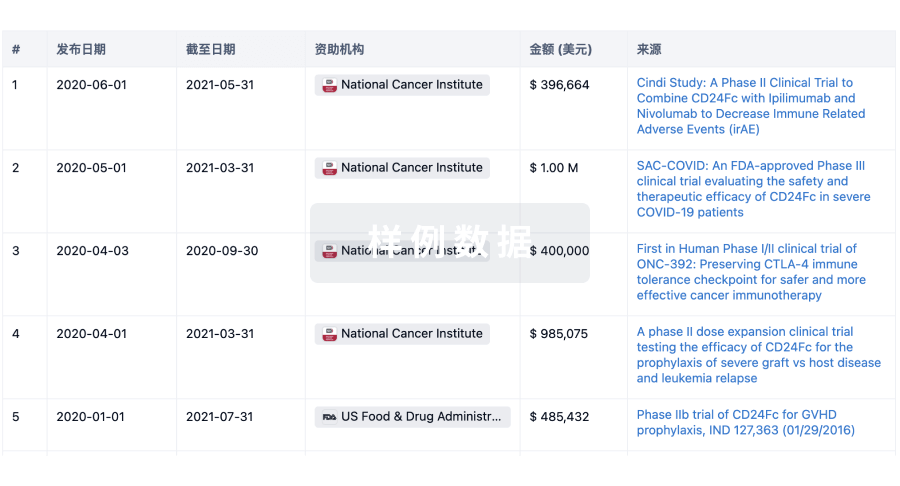
科研基金(NIH)
访问超过 200 万项资助和基金信息,以提升您的研究之旅。
登录
或
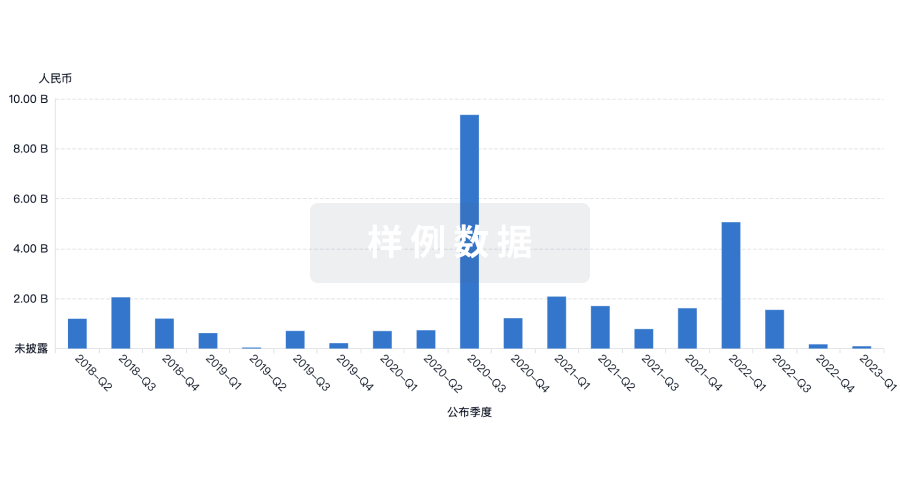
投资
深入了解从初创企业到成熟企业的最新公司投资动态。
登录
或
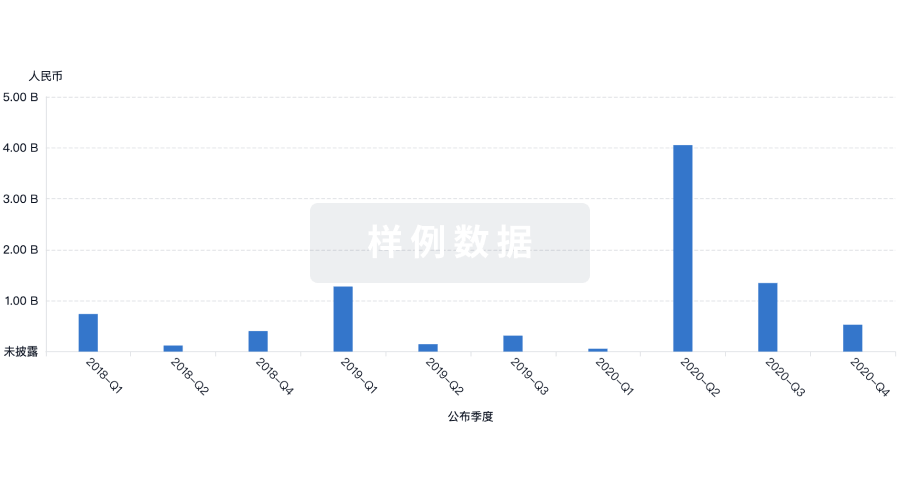
融资
发掘融资趋势以验证和推进您的投资机会。
登录
或
生物医药百科问答
全新生物医药AI Agent 覆盖科研全链路,让突破性发现快人一步
立即开始免费试用!
智慧芽新药情报库是智慧芽专为生命科学人士构建的基于AI的创新药情报平台,助您全方位提升您的研发与决策效率。
立即开始数据试用!
智慧芽新药库数据也通过智慧芽数据服务平台,以API或者数据包形式对外开放,助您更加充分利用智慧芽新药情报信息。
生物序列数据库
生物药研发创新
免费使用
化学结构数据库
小分子化药研发创新
免费使用