预约演示
更新于:2025-08-29
Osmaniye Korkut Ata University
更新于:2025-08-29
概览
关联
40
项与 Osmaniye Korkut Ata University 相关的临床试验NCT07104071
Effect of Light Brightness on Well-being, Breastfeeding Motivation, and Psychological Well-being of Postpartum Mothers: A Randomized Placebo-controlled Trial
This study aims to determine the effects of light brightness on postpartum mothers' well-being, breastfeeding motivation, and psychological well-being.
This study is a randomized, placebo-controlled study.
This study is a randomized, placebo-controlled study.
开始日期2025-08-15 |
NCT07104045
Effect of Reduced Light Color Temperature on Postpartum Mothers' Well-being, Breastfeeding Motivation, and Psychological Well-being After Cesarean Section: A Randomized Placebo-controlled Trial
The aim of this study is to determine the effects of reduced light color temperature on postpartum mothers' well-being, breastfeeding motivation, and psychological well-being after cesarean section. Method: This study is a randomized controlled experimental study conducted with 80 postpartum mothers. Data are collected using a Personal Information Form, the Well-being Scale (HS), the Psychological Well-being Scale (PWB), and the Breastfeeding Motivation Scale (BMS).
开始日期2025-08-08 |
NCT06736873
Effect of Light Color on Stress, Anxiety, and Psychological Well-being During Nonstress Test in Pregnant Women at Risk: A Randomized Placebo-controlled Study
Purpose of the research:
To determine the effect of light color on stress, anxiety, and psychological well-being during the Nonstress Test in at-risk pregnant women. This research was planned as a single-blind randomized controlled experimental type study by comparing separate groups in the form of experiment-placebo control. Data will be collected with the Introductory Information Form, Psychological Well-being Scale, Perceived Stress Scale (PSS/PSS-14), State Trait Anxiety Inventory (STAI). The NST device is used to follow up pregnant women in the last 3 months of pregnancy, first monthly, then every two weeks and once a week. In other words, the procedure is routinely performed on every pregnant woman who comes for control. It is a device that shows the well-being of the baby and whether the mother has contractions. It is attached to the pregnant woman's abdominal area and does not cause any harm. It is not an invasive procedure. Pregnant women in the last 3 months of pregnancy who come to have NST for follow-up will be randomly selected and divided into 2 groups. A lamp with adjustable light level with Unit Unit Ut-383 Mini Luxmeter (Light Meter) will be placed in the intervention and control groups and the light level of the lamp will be adjusted to 100 lux. NST will be taken under cold (bluish white) light for the control group and under medium warm white (daylight white) light for the intervention group. Pre-test before the application and post-test after the application will be applied. The application is an invasive application that will not disturb the pregnant woman.
To determine the effect of light color on stress, anxiety, and psychological well-being during the Nonstress Test in at-risk pregnant women. This research was planned as a single-blind randomized controlled experimental type study by comparing separate groups in the form of experiment-placebo control. Data will be collected with the Introductory Information Form, Psychological Well-being Scale, Perceived Stress Scale (PSS/PSS-14), State Trait Anxiety Inventory (STAI). The NST device is used to follow up pregnant women in the last 3 months of pregnancy, first monthly, then every two weeks and once a week. In other words, the procedure is routinely performed on every pregnant woman who comes for control. It is a device that shows the well-being of the baby and whether the mother has contractions. It is attached to the pregnant woman's abdominal area and does not cause any harm. It is not an invasive procedure. Pregnant women in the last 3 months of pregnancy who come to have NST for follow-up will be randomly selected and divided into 2 groups. A lamp with adjustable light level with Unit Unit Ut-383 Mini Luxmeter (Light Meter) will be placed in the intervention and control groups and the light level of the lamp will be adjusted to 100 lux. NST will be taken under cold (bluish white) light for the control group and under medium warm white (daylight white) light for the intervention group. Pre-test before the application and post-test after the application will be applied. The application is an invasive application that will not disturb the pregnant woman.
开始日期2024-12-25 |
100 项与 Osmaniye Korkut Ata University 相关的临床结果
登录后查看更多信息
0 项与 Osmaniye Korkut Ata University 相关的专利(医药)
登录后查看更多信息
722
项与 Osmaniye Korkut Ata University 相关的文献(医药)2025-09-01·EUROPEAN JOURNAL OF PHARMACOLOGY
JAK1/JAK2 inhibitor baricitinib ameliorates sepsis-induced acute kidney injury in rats
Article
作者: Şekerci, Güldeniz ; Bircan, Burak ; Çakır, Murat ; Tarakçı, Betül ; Fırat, Semanur ; Aydın, Ali
BACKGROUND:
Baricitinib (Bar), used in the management of rheumatoid arthritis, is a selective inhibitor of JAK1/JAK2. Studies have shown that it inhibits the intracellular signaling of many proinflammatory cytokines by suppressing STAT3 activation. Increased expression and activity of JAK1/JAK2 and STAT3 are associated with kidney damage. Here, we examined the effects of the JAK1/JAK2 inhibitor baricitinib (Bar) on kidney damage in a sepsis model created with cecal ligation and puncture (CLP) in rats.
METHODS:
Rats were divided into four groups: control, CLP, CLP + Bar 3 mg kg-1, and CLP + Bar 10 mg kg-1. The cecum of animals to which CLP was applied was first ligated distally, then punctured with a needle to allow the fecal content to spread into the abdominal cavity. Two different doses of Bar (3 mg kg-1, 10 mg kg-1) were applied to the treatment groups. Biochemical examinations were performed on the sera of animals sacrificed 24 h after CLP, while histopathological and immunohistochemical examinations were performed on kidney tissue.
RESULTS:
Bar administration reduced the increased levels of BUN, Cr, TNF-α, IL-1β, KIM-1, NGAL and IL-18 in CLP-induced animal serum, and the levels of kidney tissue TLR-4, p-NF-κB, p-IκBα, IL-6, IL-1β, TNF-α, caspase-8, and caspase-3. At the same time, Bar application was observed to improve the damage in kidney tissue in histopathological examinations. These effects were more pronounced in the group administered 10 mg kg-1 Bar.
CONCLUSION:
In this study, we found that Bar administration in the experimental sepsis model induced by CLP showed protective properties on the kidney by reducing inflammation and apoptosis dose-dependently.
2025-08-01·BIOPROCESS AND BIOSYSTEMS ENGINEERING
Effectiveness of polyethylene glycol and glutaraldehyde as enhancers for lipase-immobilized hybrid organic–inorganic nanoflowers
Article
作者: Anboo, Shamini ; Lau, Sie Yon ; Yılmaz, Murat ; Ling, Jessica Siew Kiong
Abstract:
The present study investigates the influence of polyethylene glycol (PEG) and glutaraldehyde (GA) on the synthesis and enzymatic activity of lipase hybrid nanoflowers. The effect of lipase concentration on hybrid nanoflower formation was first assessed, revealing that the optimum lipase concentration was 0.2 mg/mL. At this concentration, the encapsulation of lipase within the hybrid nanoflowers reached its maximum efficiency. Further, the effects of PEG and GA concentrations, as well as pH, on the enzymatic activity of the nanoflowers were evaluated. The results demonstrated that 2% (v/v) PEG and 3% (v/v) GA were the most effective concentrations, with the highest activity observed at pH 8. Comparative studies showed that GA-treated lipase hybrid nanoflowers exhibited a remarkable 160% increase in enzymatic activity over the free lipase, outperforming PEG in terms of catalytic performance. Scanning Electron Microscopy (SEM) and Fourier Transform Infrared (FTIR) spectroscopy analyses confirmed that both PEG and GA treatments altered the morphology and structural characteristics of the hybrid nanoflowers, with GA inducing more pronounced changes. Despite these morphological alterations, the enzymatic activity was significantly enhanced, particularly in the GA-treated hybrid nanoflowers. In conclusion, this study highlights the superior performance of glutaraldehyde as an enhancer for the production of highly active lipase hybrid nanoflowers, offering promising applications in biocatalysis and enzyme immobilization.
2025-07-17·Scientific Reports
Distribution and ecotoxicological assessment of trace elements and minerals in Nile Delta sediments using multitechnique analysis.
Article
作者: Yılmaz, Murat ; Abdelwahab, Wael ; El Nemr, Ahmed ; Hassaan, Mohamed A ; ElKatory, Marwa R
This study assesses heavy metal contamination, trace elements, and mineral composition in Nile Delta sediments, a region critical for agriculture and ecology. Sediment samples (n = 23) were collected from key urban, agricultural, and industrial zones using a Van Veen grab sampler to capture spatial variability. Analytical techniques included X-ray fluorescence for elemental composition, particle size analysis for grain size distribution, and X-ray diffraction coupled with Fourier-transform infrared spectroscopy for mineral identification. All analyses followed strict QA/QC protocols, including certified reference materials and triplicate measurements. Statistical analyses (Descriptive Statistics, correlation, PCA) were applied to interpret spatial patterns. The elements analyzed included trace metals and oxides of major elements. Pollution indices-Pollution Loading Index (PLI), Geoaccumulation Index (Igeo), Enrichment Factor, Contamination Factor, and Sediment Quality Guidelines-were used to assess contamination levels and ecological risks. Results showed transition metal concentrations ranging from 0.1 to 569.3 mg kg-1, with actual cadmium (Cd) concentrations of 1.0-4.3 mg kg-1. The contamination degree ranged from 9.47 to 23.10, indicating localized pollution. Sediments exhibited moderate nickel (Ni) contamination but were within safe limits for copper (Cu) and zinc (Zn). PLI values (0.18-1.09) indicated minimal contamination overall, except at sites E2 and G3. Grain size analysis revealed sand (3.56-95.49%) and clay (0.27-12.50%) variability, while mineralogical analysis identified quartz, calcite, aragonite, albite, microcline, and illite as dominant minerals. The study concludes that Nile Delta sediments are generally uncontaminated by heavy metals (supported by Igeo values), though localized contamination hotspots exist. This research provides novel insights into sediment contamination patterns, offering a critical baseline for environmental management.
100 项与 Osmaniye Korkut Ata University 相关的药物交易
登录后查看更多信息
100 项与 Osmaniye Korkut Ata University 相关的转化医学
登录后查看更多信息
组织架构
使用我们的机构树数据加速您的研究。
登录
或
管线布局
2026年09月18日管线快照
无数据报导
登录后保持更新
药物交易
使用我们的药物交易数据加速您的研究。
登录
或
转化医学
使用我们的转化医学数据加速您的研究。
登录
或
营收
使用 Synapse 探索超过 36 万个组织的财务状况。
登录
或
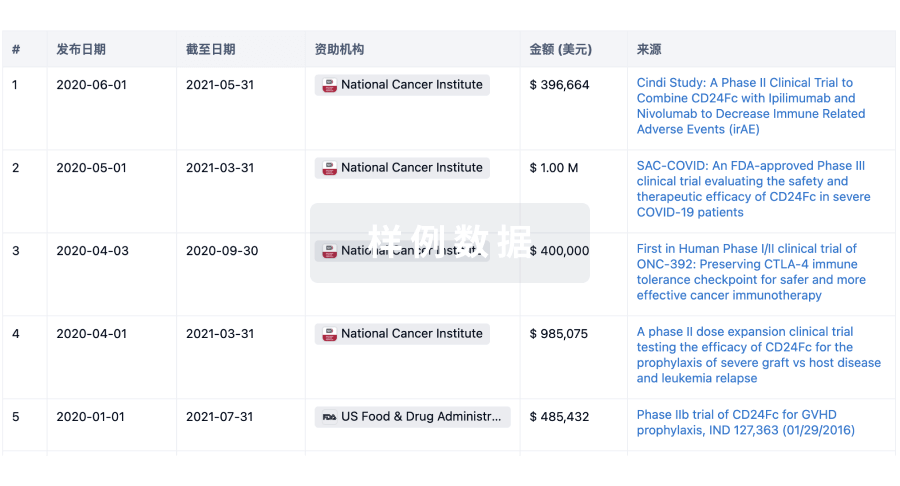
科研基金(NIH)
访问超过 200 万项资助和基金信息,以提升您的研究之旅。
登录
或
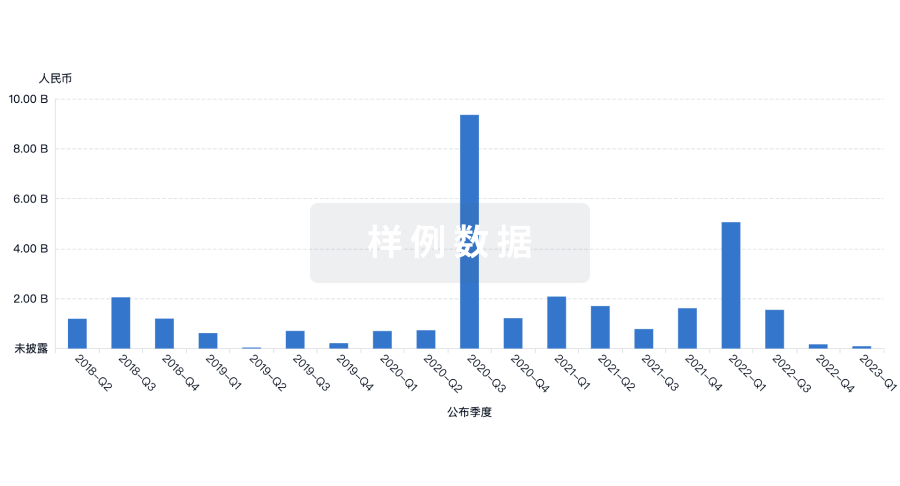
投资
深入了解从初创企业到成熟企业的最新公司投资动态。
登录
或
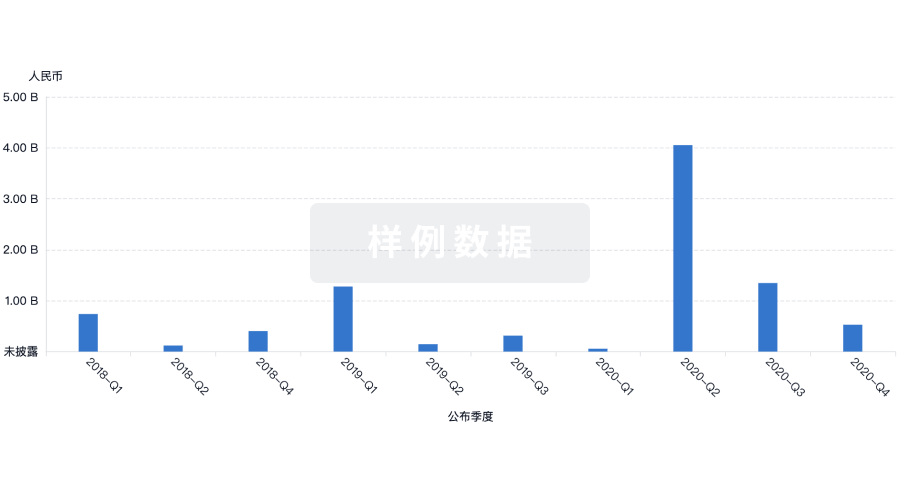
融资
发掘融资趋势以验证和推进您的投资机会。
登录
或
提出任何生物医药研究问题
让每一步生物医药决策都精准制胜
基于十亿级生物数据与全球情报的精准 AI,赋能早期药物发现
立即开始免费试用!
智慧芽新药情报库是智慧芽专为生命科学人士构建的基于AI的创新药情报平台,助您全方位提升您的研发与决策效率。
立即接入生物医药数据包
智慧芽新药库数据也通过智慧芽开放平台,以MCP或API服务形式对外开放。立即使用我们的MCP服务定制您的LLM智能体。
生物序列数据库
生物药研发创新
免费使用
化学结构数据库
小分子化药研发创新
免费使用