预约演示
更新于:2026-03-05

Ensemble Therapeutics Corp.
更新于:2026-03-05
概览
关联
100 项与 Ensemble Therapeutics Corp. 相关的临床结果
登录后查看更多信息
0 项与 Ensemble Therapeutics Corp. 相关的专利(医药)
登录后查看更多信息
4
项与 Ensemble Therapeutics Corp. 相关的文献(医药)2008-03-01·Journal of the American Chemical Society1区 · 化学
Diamine Catalyzed Hemicyanine Dye Formation from Nonfluorescent Precursors through DNA Programmed Chemistry
1区 · 化学
Article
作者: Coull, James M. ; Huang, Yumei
A hemicyanine fluorescent dye I was attempted to be generated by DNA-templated, aldol-type condensation from nonfluorescent precursors in the presence of 11 different diamines.Studies of reaction rate and yield as a function of catalyst structure indicated the diamine catalyst operates in a concerted mechanism on both reaction components.
2007-05-01·IDrugs : the investigational drugs journal
Drug Discovery Technology Europe 2007--An Informa Conference. Better tools for early decision-making. 12-15 March 2007, London, UK.
作者: Terrett, Nick
2006-11-01·Clinical chemistry1区 · 医学
DNA-Programmed Chemistry in Rapid Homogeneous Assays for DNA and Protein Targets
1区 · 医学
Article
作者: Benton, Benjamin K. ; Bond, Julian F. ; Wilson, Christopher G. M. ; Begley, Richard F. ; Huang, Yumei ; Stern, Andrew M. ; Haff, Lawrence A. ; Coull, James M.
DNA-programmed chem. is a novel technol. for synthesis of a wide variety of organic compounds at nanomolar concentrations under physiol. conditions.Annealing of small mol.-oligonucleotide precursors to DNA templates, each with an attached chem. moiety, can generate high amounts of effective molarities of these reactants.A specific chem. process that generates a fluorescent product on annealing of 2 oligonucleotides to each other was developed.Oligonucleotides containing a 3'-terminal azidocoumarin and a 5'-terminal triphenylphosphine will react in aqueous solution to form a fluorescent product, 7-aminocoumarin.The reaction rate is very slow at sub-micromolar concentrations of the single-stranded TPP and AzC groups in free solutionHowever, if these fluorophore precursor-containing oligonucleotides anneal to each other or to a common DNA target, as long as the 3' and 5' fluorophore precursors are annealed in close proximity, their localized high concentration supports their reaction to yield a fluorescent product.This principle can be exploited for detection of proteins, with the advantages of a simple, homogeneous phase assay with potentially very low background.
1
项与 Ensemble Therapeutics Corp. 相关的新闻(医药)2026-02-15
·早研早聊
早研早知道
大环化合物作为连接传统小分子与生物制剂的关键 “分子外交官”,具有独特的地位和优势,也面临着不同的挑战。
近日(Feb. 12),新加坡 A*STAR 团队在 J. Med. Chem. 发表社论,从大环化合物的基础特征、核心优势、研发挑战、优化策略、临床研发进展、研发技术革新、为了发展方向等几个方面,对大环化合物当前的发展进行了总结与展望。
PART 01
核心定位与基础特征
1.1、药物研发格局演变
过去的十年中,药物研发正在从传统小分子向大分子生物制剂演变。
就近 5 年来看,FDA 获批小分子药物仍然占据主导地位,而生物制剂(ADC、双特异性抗体等)的市场关注度和研发热度持续提升,如下图2024年最畅销的10款药物中,生物制剂登顶。
小分子药物在一些方面具有明显的优势:如,合成易实现、药代动力学特征良好、口服生物利用度高、成本效益显著。
但小分子也有其局限的方面:如,无法调控具有平坦蛋白-蛋白界面的复合物等,使得大量靶点“无药可用”,尚待开发。
生物制剂在一些方面也有其明显的优势:如,可作用于细胞外和分泌型靶点,研发受 FDA 政策推动。
然而,生物制剂的局限也很明显:如,组织穿透性差、无法口服递送、制造流程复杂,且生产成本高、存在免疫原性。因此,亟需新型疗法填补空白。
大环化合物的核心定位则是用来填补小分子与生物大分子的治疗空白,其代表了一个令人兴奋的前沿领域,在更广泛的生物学领域解锁新的治疗机遇。
1.2、大环化合物的基础特征
定义上来说,大环化合物指的是包含至少 12 个重原子的有机环状分子。这是区分于小分子和肽类的独特的药物模态。
目前,FDA 已批准超 60 种大环化合物,用于治疗多种疾病适应症。
就其来源而言,可将大环化合物分为天然来源和合成来源。
天然来源:经典代表有红霉素、万古霉素、环孢素A、利福霉素、伊维菌素、他克莫司等抗生素或免疫抑制剂。
此外,天然大环框架也为合成大环提供了灵感,探索新的化学空间,以治疗棘手的药物靶标
合成来源:受天然大环框架启发,已有多款合成大环获批,治疗领域覆盖丙肝、肥胖、癌症等多个疾病领域,如下表。
靶向 NS3/4A 蛋白酶的用于丙型肝炎治疗的司美匹韦、帕利瑞韦。
靶向黑皮质素-4受体用于肥胖治疗的赛美诺肽;靶向JAK2用于骨髓纤维化治疗的帕瑞替尼;靶向CXCR4用于骨髓瘤治疗的莫提沙福肽;靶向补体用于重症肌无力治疗的齐卢库普兰;靶向HDAC用于癌症治疗的罗米地辛;靶向酪氨酸激酶用于非小细胞肺癌治疗的瑞波替尼,等。
这“迷人的”环肽
2023-11-13
FDA批准的具有大环或中型环的药物及其合成路线,包括环肽、大环、放射性药物
2025-02-04
PART 02
核心优势与研发挑战
2.1、大环化合物的核心优势
大环好比“分子外交官”
能介导小分子无法实现的结合作用,同时可作用于生物制剂难以触及的胞内靶点,可结合细胞因子、细胞膜受体、无成药口袋的胞内蛋白等多类靶点。
大环“分子变色龙”效应
具备依赖环境的构象可塑性,可通过分子内氢键屏蔽极性区域以实现膜穿透,结合靶点时发生构象重排暴露极性基团,实现极性与膜通透性的平衡,满足全身暴露和结合疏水蛋白内部的双重需求。
大环具有高结合亲和力
受限且预组织的构象使大环与靶点结合时熵损失最小化,结合亲和力可媲美抗体。
口服生物利用度
虽然部分理化性质偏离 Lipinski 五规则,但约 35% 的大环药物和临床候选物具备口服生物利用度,这突破了部分肽类药物的口服限制。
2.2、大环化合物药物研发中的挑战
合成挑战
类药大环化合物的合成难度大,关环反应的可行性受环的整体大小和连接基的影响,是研发的核心技术壁垒。
理化性质限制
为作用于 “不可成药” 靶点,大环化合物的理化性质不可避免地偏离 Lipinski 五规则(Ro5),与传统类药分子的特征不符。
口服生物利用度优化难题
肽类大环因氢键供体数量增加导致整体极性升高,进而降低生物利用度(F%)。
2.3、核心优化策略
骨架酰胺的 N-甲基化是提升大环化合物膜通透性的有效策略,进而能显著提高其口服生物利用度,是目前解决大环口服性问题的核心手段。
PART 03
大环化合物临床进展
大环环肽的临床关注度显著提升,推动了多个“不可成药”靶点的开发,核心领域涉及多个疾病治疗领域。
3.1、癌症:细胞周期蛋白
Circle Pharma 开发出细胞穿透、口服可用的大环环肽作为细胞周期蛋白抑制剂,靶向 G1-S 检查点缺陷型癌症;
瑞波替尼等获批用于非小细胞肺癌、骨髓瘤等癌症治疗。
3.2、新型抗生素:LPS 转运机制靶点
Nature发表的两项研究报告了靶向脂多糖转运机制的大环化合物新类别,为抗生素开发提供新策略。
DOI: 10.1038/s41586-023-06873-0 (开源)
DOI:10.1038/s41586-023-06799-7 (开源)
3.3、炎症性/纤维化疾病:靶向IL17A/IL17AR、IL11
Ensemble Therapeutics 与辉瑞开发靶向 IL-17A/IL-17RA 的大环化合物;
从头发现靶向IL-11 的大环肽拮抗剂,对肾纤维化有治疗效果。
JMC:一种靶向IL-11的抗肾纤维化大环肽拮抗剂的从头发现
2025-10-30
3.4、自身免疫性疾病:靶向 IL-23R
Protagonist 开发的 IL-23受体拮抗剂(JNJ-2113),目前处于银屑病和溃疡结肠炎的 III 期临床试验。
3.5、心血管疾病: 靶向PCSK9
默沙东开发的 PCSK9 大环抑制剂(MK-0616):
通过mRNA 展示筛选技术发现先导化合物;
以结构生物学为指导,进一步设计优化;
最终实现了口服给药,在肝脏中降低 LDL 胆固醇,展现出类生物制剂的疗效。
JACS:Merck 联合合全与康龙化成,公开 MK-0616 全合成工艺
2025-03-25
口服降血脂PCSK9抑制剂——大环肽MK-0616发现之旅
2024-03-27
PART 04
多技术革新与融合
4.1、分子胶应用
大环化合物的三维近球形拓扑结构使其可作为分子胶,介导两个蛋白的近距离相互作用,代表药物 Daraxonrasib(RMC-6236)作为非共价泛 RAS 抑制剂,通过 “三元复合物” 机制将 RAS 与亲环蛋白 A 连接,靶向多种 RAS 突变型癌症。
RMC-5127,一种口服 RAS(ON) G12V 选择性、非共价、三元复合物抑制剂【高清PPT自取】
2025-04-30
JMC:Revelution Medicines首次披露RMC-6236的发现之旅,一种强效、口服、泛RAS(ON)非共价抑制剂
2025-03-10
JMC:RMC-6291的发现之旅首次披露,一种RAS(ON) G12C选择性共价三元复合抑制剂
2025-02-25
4.2、DNA 编码文库(DEL)筛选技术
大环 DEL 支持设计不同大小的问文库,可直接用于靶点筛选,实现前所未有的研发速度和规模。
来自DEL的环肽苗头化合物
2024-03-21
DEL、环肽、计算科学:Enamine和AI朋友们,当超780亿REAL按需合成化合物遇见AI
2026-02-09
4.3、计算生物学与人工智能
基因组范围蛋白-蛋白相互作用(PPI)预测技术实现 PPI 复合物的高通量模拟;分子力学、蒙特卡洛采样等实现低能构象预测,为合理设计奠定基础;深度学习(如 HELM-GPT)实现大环结构的从头设计,可定制理化性质和靶点结合潜力;机器学习和 QSAR 模型可预测大环的理化性质和 ADME 性质。
4.4、合成技术进步
关环反应、大环内酰胺化、流相环化、固/液相平行合成等技术的发展,降低了大环化合物的合成难度,提升了合成效率。
PART 05
未来发展的展望
根据分子尺寸与靶点可成药性关系,如下图:
Ro5 空间覆盖了类药性五规则,适用于具有明确口袋的靶点;
大环化合物空间介于小分子药物与生物制剂之间的空白区域,作为衔接的桥梁,可靶向具有前坪表面的靶点,跨越“可不成药”空间;
激素样多肽作为过渡区域,而生物制剂可靶向细胞外和分泌蛋白类靶点。
未来,融合人工智能、生物物理、结构生物学、新型合成与筛选平台的综合方法,将成为大环药物研发的核心方向。
往期相关回顾推荐
Orbis Medicines CEO:大环的研发创新正在颠覆生物制品市场!
2026-01-27
环肽发现,一种基于色谱的方法实现大规模单分子并行评估 DEL合成保真度与类药性,色谱法DNA条码扫描让DEL从盲选变精选
2025-07-25
JMC:计算与人工智能驱动的环肽药物发现策略
2025-06-09
环肽发现:美国麻省理工报道一种基于亲和-质谱(AS-MS)筛选的大环肽发现方法,可达亿级通量
2025-03-31
Nature子刊:上海交通大学孔旭东&田长麟,就双环肽从头发现发表观点
2025-02-19
参考文献:
DOI: 10.1021/acs.jmedchem.6c00061
抗体药物偶联物申请上市
100 项与 Ensemble Therapeutics Corp. 相关的药物交易
登录后查看更多信息
100 项与 Ensemble Therapeutics Corp. 相关的转化医学
登录后查看更多信息
组织架构
使用我们的机构树数据加速您的研究。
登录
或
管线布局
2026年10月23日管线快照
管线布局中药物为当前组织机构及其子机构作为药物机构进行统计,早期临床1期并入临床1期,临床1/2期并入临床2期,临床2/3期并入临床3期
其他
4
登录后查看更多信息
当前项目
登录后查看更多信息
药物交易
使用我们的药物交易数据加速您的研究。
登录
或
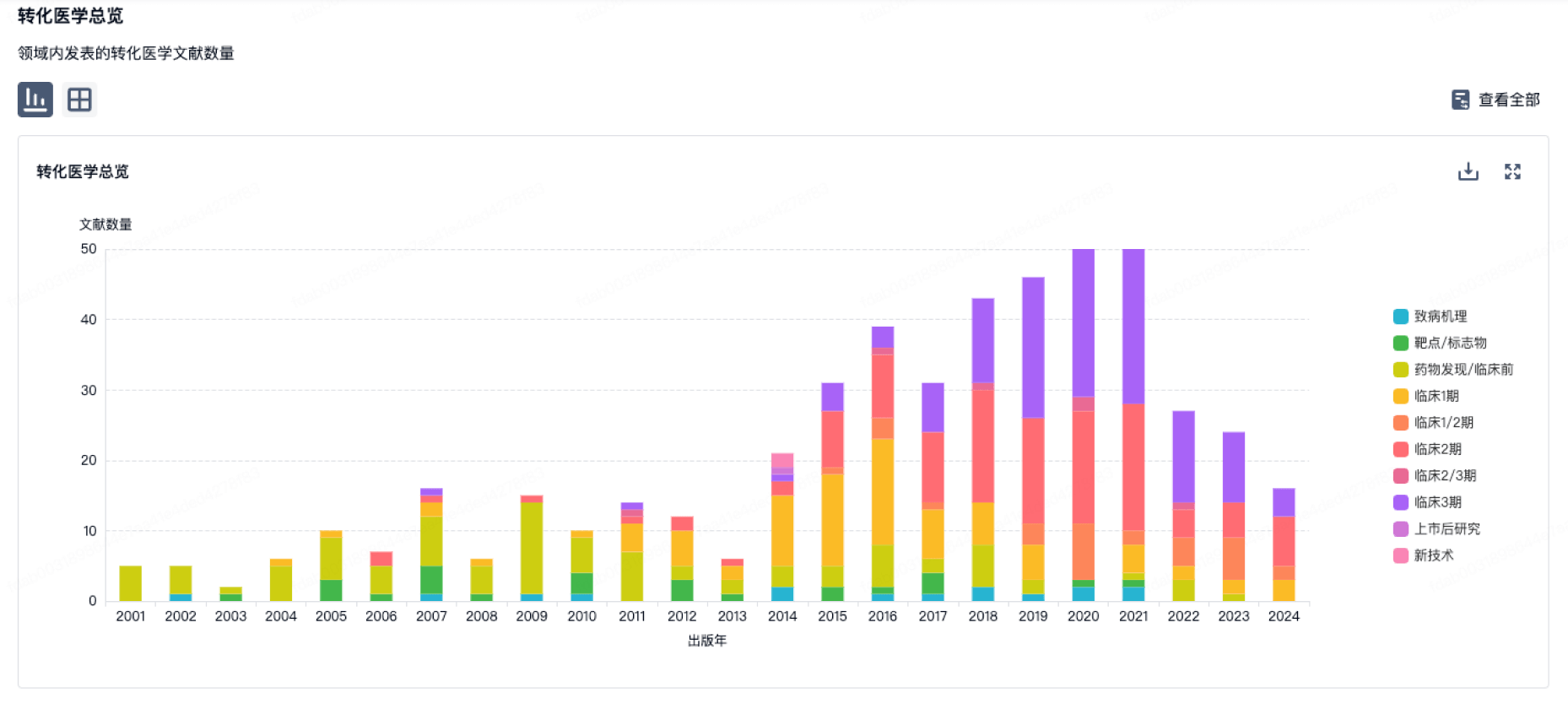
转化医学
使用我们的转化医学数据加速您的研究。
登录
或
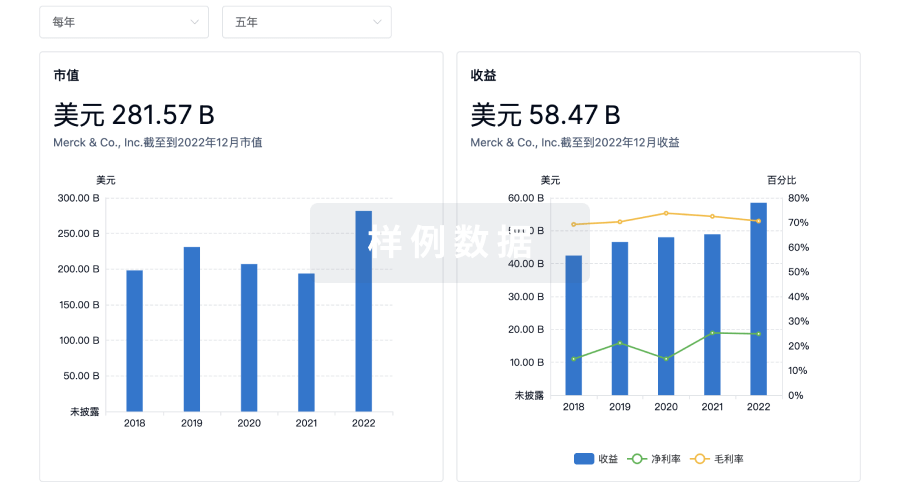
营收
使用 Synapse 探索超过 36 万个组织的财务状况。
登录
或
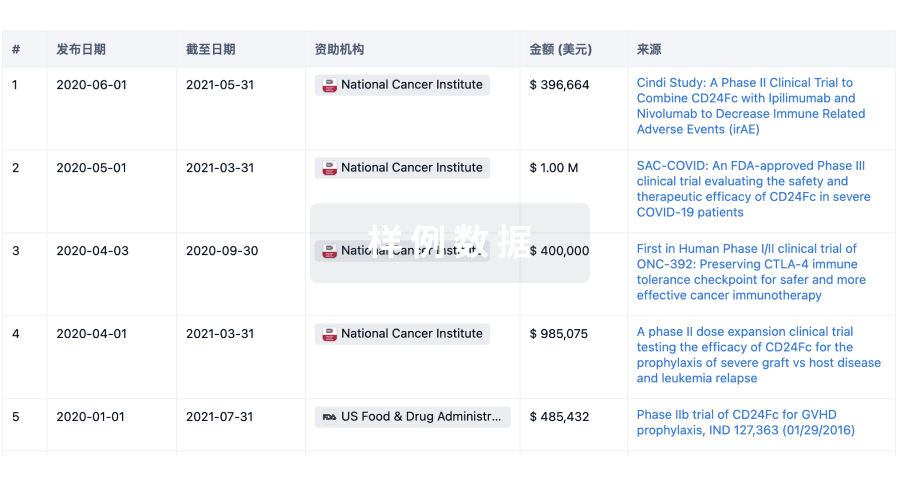
科研基金(NIH)
访问超过 200 万项资助和基金信息,以提升您的研究之旅。
登录
或
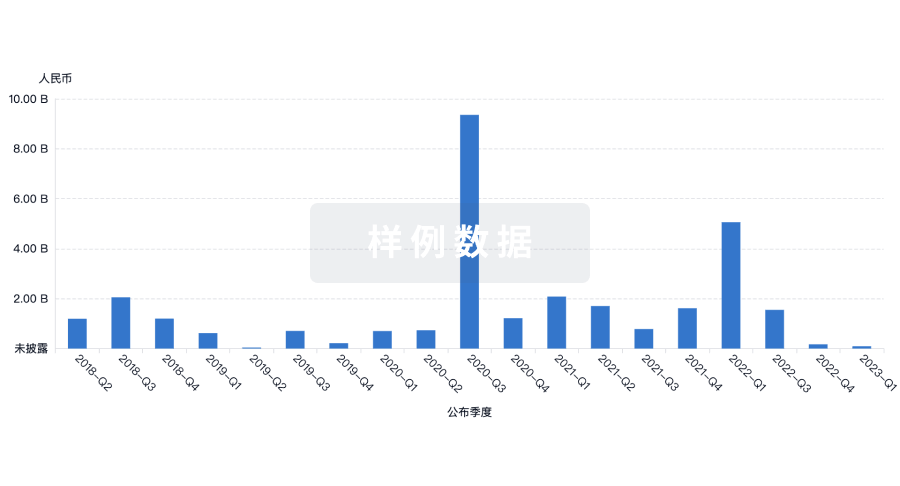
投资
深入了解从初创企业到成熟企业的最新公司投资动态。
登录
或
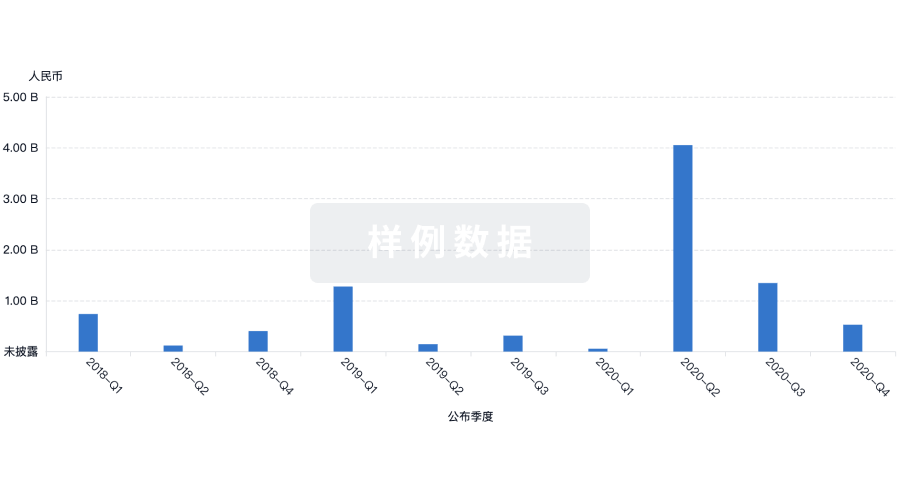
融资
发掘融资趋势以验证和推进您的投资机会。
登录
或
提出任何生物医药研究问题
让每一步生物医药决策都精准制胜
基于十亿级生物数据与全球情报的精准 AI,赋能早期药物发现
立即开始免费试用!
智慧芽新药情报库是智慧芽专为生命科学人士构建的基于AI的创新药情报平台,助您全方位提升您的研发与决策效率。
立即接入生物医药数据包
智慧芽新药库数据也通过智慧芽开放平台,以MCP或API服务形式对外开放。立即使用我们的MCP服务定制您的LLM智能体。
生物序列数据库
生物药研发创新
免费使用
化学结构数据库
小分子化药研发创新
免费使用