预约演示
更新于:2026-03-05

Farapulse, Inc.
更新于:2026-03-05
概览
关联
NCT05272852
PersAFOne III: Feasibility Study of the FARAPULSE Pulsed Field Ablation System Plus - PersAF in the Treatment of Persistent Atrial Fibrillation
NCT05072964
The FARAPULSE FARA-Freedom Trial A Prospective Open Label Single Arm Post Market Clinical Follow-Up Trial of the FARAPULSE Pulsed Field Ablation System in Patients With Paroxysmal Atrial Fibrillation
NCT05152966
PersAFOne II(Pronounced Per-'Se-fa-nē 2); Feasibility Study of the FARAPULSE™ Cardiac Ablation System Plus in the Treatment of Persistent Atrial Fibrillation
100 项与 Farapulse, Inc. 相关的临床结果
登录后查看更多信息
登录后查看更多信息
2020-09-01Heart rhythm1区 · 医学
Ostial dimensional changes after pulmonary vein isolation: Pulsed field ablation vs radiofrequency ablation
1区 · 医学
Article
作者: Ellsworth, Betsy ; Choudry, Subbarao ; Schneider, Christopher ; Eggert, Charles ; Lam, Jeff ; Kuroki, Kenji ; Kawamura, Iwanari ; Dukkipati, Srinivas R ; Reddy, Ananya ; Whang, William ; Petru, Jan ; Miller, Marc A ; Neuzil, Petr ; Koruth, Jacob S ; Reddy, Vivek Y ; Turagam, Mohit K ; Leavitt, Jonas ; Morrow, Blake
BACKGROUND:
Pulmonary vein (PV) stenosis is an important potential complication of PV isolation using thermal modalities such as radiofrequency ablation (RFA). Pulsed field ablation (PFA) is an alternative energy that causes nonthermal myocardial cell death.
OBJECTIVE:
The purpose of this study was to compare the effect of PFA vs RFA on the incidence and severity of PV narrowing or stenosis.
METHODS:
Data were analyzed from 4 paroxysmal atrial fibrillation ablation trials using either PFA or RFA; because of absent CT scans or poor computed tomography scan quality, 73 of 153 patients (47.7%) were excluded. Baseline and 3-month cardiac computed tomography scans were reconstructed into 3-dimensional images, and the long and short axes of the PV ostia were quantitatively and qualitatively assessed in a randomized blinded manner by 2 physicians.
RESULTS:
A total of 299 PVs from 80 patients after either PFA (n = 37) or RFA (n = 43) were enrolled. PV ostial diameters decreased significantly less with PFA than with RFA (% change; long axis: 0.9% ± 8.5% vs -11.9% ± 16.3%; P < .001 and short axis: 3.4% ± 12.7% vs -12.9% ± 18.5%; P < .001). After a combined quantitative/qualitative analysis, mild (30%-49%), moderate (50%-69%), or severe (70%-100%) PV narrowing was observed, respectively, in 9.0% (15 of 166), 1.8% (3 of 166), and 1.2% (2 of 166) of PVs in the RFA cohort but in none of the PVs after PFA (P < .001). Overall, PV narrowing/stenosis was present in 0% and 0% vs 12.0% and 32.5% of PVs and patients who underwent PFA and RFA, respectively.
CONCLUSION:
This study indicates that unlike after RFA, the incidence and severity of PV narrowing/stenosis after PV isolation is virtually eliminated with PFA.
2020-06-19Circulation research1区 · 医学
Emerging Technologies for Pulmonary Vein Isolation
1区 · 医学
Review
作者: Ramirez, F. Daniel ; Jaïs, Pierre ; Reddy, Vivek Y. ; Viswanathan, Raju ; Hocini, Mélèze
Atrial fibrillation is the most common sustained cardiac arrhythmia and is associated with considerable morbidity and mortality. Electrically isolating the pulmonary veins from the left atrium by catheter ablation is superior to antiarrhythmic drug therapy for maintaining sinus rhythm, but its success varies depending on multiple factors, including arrhythmic burden. Although procedural outcomes have improved over the years, further gains are limited by a seemingly zero-sum relationship between effectiveness and safety, which is largely a product of the available technologies. Current energies used to create contiguous, transmural, and durable atrial lesions can result in serious complications if they reach the esophagus or phrenic nerve, for instance—structures that can be adjacent to the atrial myocardium, often within millimeters of the energy source. Consequently, high rates of pulmonary vein-left atrium reconnections are consistently seen in clinical studies and in clinical practice as operators appropriately forgo ablation effectiveness to protect patients from harm. However, as ablative technologies evolve to circumvent this stalemate, safer, and more effective pulmonary vein isolation seems increasingly realistic. Furthermore, the innovative nature of these technologies raises the prospect of markedly improved procedural efficiency, which could increase patient comfort, reduce operator occupational injuries, and enhance the use of health resources—all of which are increasingly important considerations particularly as the demand for catheter ablation for atrial fibrillation continues to rise. We herein review 3 promising candidate ablation technologies with the potential to revolutionize the management of patients with atrial fibrillation: electroporation (pulsed-field ablation), expandable lattice-tip radiofrequency ablation/electroporation, and ultra-low temperature cryoablation.

2026-01-14
100 项与 Farapulse, Inc. 相关的药物交易
登录后查看更多信息
100 项与 Farapulse, Inc. 相关的转化医学
登录后查看更多信息
组织架构
使用我们的机构树数据加速您的研究。
登录
或
管线布局
2026年06月21日管线快照
无数据报导
登录后保持更新
药物交易
使用我们的药物交易数据加速您的研究。
登录
或

转化医学
使用我们的转化医学数据加速您的研究。
登录
或
营收
使用 Synapse 探索超过 36 万个组织的财务状况。
登录
或
科研基金(NIH)
访问超过 200 万项资助和基金信息,以提升您的研究之旅。
登录
或
投资
深入了解从初创企业到成熟企业的最新公司投资动态。
登录
或
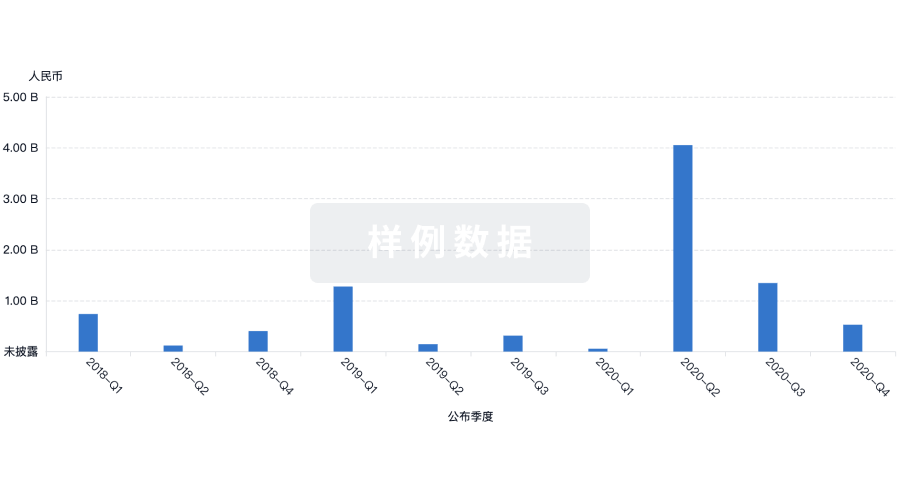
融资
发掘融资趋势以验证和推进您的投资机会。
登录
或
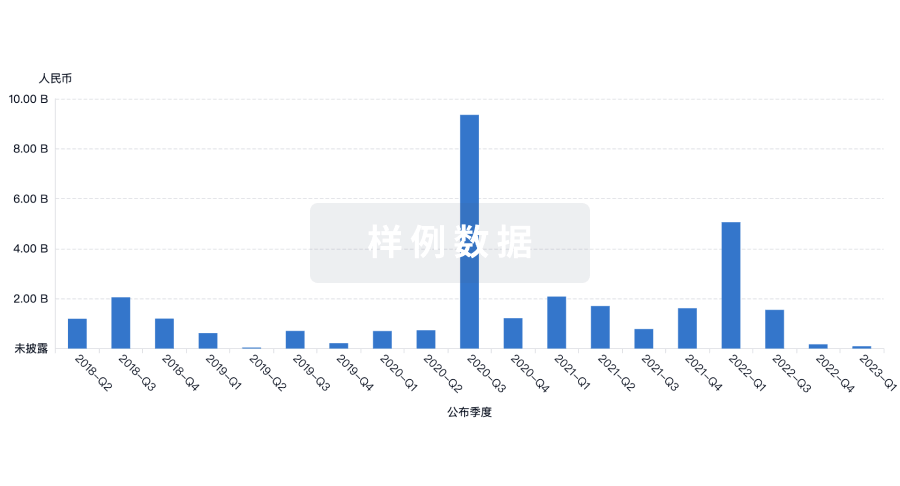
生物医药百科问答
全新生物医药AI Agent 覆盖科研全链路,让突破性发现快人一步
立即开始免费试用!
智慧芽新药情报库是智慧芽专为生命科学人士构建的基于AI的创新药情报平台,助您全方位提升您的研发与决策效率。
立即开始数据试用!
智慧芽新药库数据也通过智慧芽数据服务平台,以API或者数据包形式对外开放,助您更加充分利用智慧芽新药情报信息。
生物序列数据库
生物药研发创新
免费使用
化学结构数据库
小分子化药研发创新
免费使用