预约演示
更新于:2026-08-19

University of Teesside
更新于:2026-08-19
概览
关联
NCT07627451
Media Orientation to Prevent Suicidal Ideation and Self Harm and Improve Help Seeking Behaviour: A Pilot Randomised Controlled Trial
NCT07510230
Media Campaign Intervention to Increase Childhood Immunisation Vaccine Uptake, Access and Reduce Vaccine Hesitancy for Parents/Caregivers With Children: A Pilot Randomised Controlled Trial
NCT07750821
A Pilot Feasibility, Multi-centre, Randomised Controlled Trial of Balance Training Following Pulmonary Rehabilitation on Balance in People With Chronic Obstructive Pulmonary Disease (COPD)
100 项与 University of Teesside 相关的临床结果
登录后查看更多信息
登录后查看更多信息
2026-09-01Physiotherapy
On the facility of a physiotherapy role-emerging placement scheme in residential care: A qualitative account of the student experience
Article
作者: Jamieson, Jennifer ; Miller, Paul K ; Smith, Sarah
OBJECTIVES:
To qualitatively explore the experiences of final-year physiotherapy students regarding a role-emerging placement (REP) in a residential care setting, examining its potential contribution to their professional development.
DESIGN:
Qualitative study with semi-structured, open-ended interviews to understand participants' experiences. Data were examined through reflexive thematic analysis to identify and interpret key themes.
SETTING:
An intervention in a single residential care facility in Northwest England, administered by a single UK university.
PARTICIPANTS:
Six final-year physiotherapy students (four undergraduate, two postgraduate) who completed a 6-week REP in residential care. Of these, four identified as female and two as male.
RESULTS:
Analysis revealed five interconnected major themes: (1) preparedness and complexity; (2) peer environment; (3) free to fall; (4) free to fly; and (5) ecological validity. Participants described varying degrees of initial uncertainty followed by growing professional confidence, with peer learning and increasing autonomy contributing to their development.
CONCLUSION AND IMPLICATIONS:
The REP model showed promise for physiotherapy education in residential care contexts. While some participants reported initial uncertainty, all described growth in resilience and professional confidence by the end of the placement. For potential implementation, placement designers might consider enhanced preplacement preparation, structured early-stage guidance, and attention to peer-group composition. CONTRIBUTION OF THE PAPER.
2026-09-01NEUROPSYCHOLOGIA
Leveraging centrality metrics for the early detection of dementias
Article
作者: Sinumol, S ; Das, Surya ; Suvish ; Ghamari, Mehrdad ; Sunil Kumar, R ; Sheela, Priyalakshmi
BACKGROUND:
Alzheimer's disease (AD) and frontotemporal dementia (FTD) are neurodegenerative syndromes associated with progressive disruption of functional brain networks. This pilot study evaluated whether a stacked set of resting-state EEG-derived centrality measures could characterize functional network alterations across AD, FTD, and healthy control groups.
METHODOLOGY:
Scalp EEG data from 45 participants, comprising 15 AD, 15 FTD, and 15 controls, were analyzed using a 19-channel 10-20 montage. After standardized preprocessing, functional connectivity networks were constructed for each participant, with the 19 EEG electrodes treated as network nodes. Four centrality measures were computed: leverage centrality, weighted leverage measure, betweenness centrality, and closeness centrality. Group differences were assessed across anatomical regions, hemispheres, and anterior-posterior-central divisions, with Benjamini-Hochberg false discovery rate correction applied.
RESULTS:
Closeness centrality provided the strongest corrected evidence of disease-related functional network alteration, with FDR-significant regional effects retained in frontal, occipital, and temporal regions. Hemispheric analyses showed bilateral closeness-centrality alterations, particularly in AD, while betweenness centrality showed a corrected left-hemisphere effect for AD versus controls. Temporal-region findings across multiple metrics were biologically consistent with known AD and FTD alteration patterns but remained partly exploratory after correction. Leverage-based measures showed a strong negative association with age in FTD, whereas betweenness and closeness centrality demonstrated moderate associations with MMSE.
CONCLUSION:
EEG-derived stacked centrality analysis may provide a useful pilot framework for characterizing dementia-related functional network disruption in AD and FTD, with closeness centrality showing the strongest corrected evidence of disease-related network alteration. Larger, longitudinal, and clinically stratified studies are required to validate its diagnostic, prognostic, and disease-monitoring utility.
2026-08-01FOOD CHEMISTRY
Multicriteria comparison of green and conventional phenolic extraction technologies applied to Ficus carica L. leaves
Article
作者: Xyderou-Malefaki, Angeliki ; Martău, Gheorghe Adrian ; Vodnar, Dan Cristian ; Călinoiu, Lavinia Florina ; Angelis-Dimakis, Athanasios ; Ranga, Floricuta ; Dimopoulou, Maria
Phenolic compounds are key bioactive constituents with antioxidant and antimicrobial properties relevant to food applications. This study provides a multicriteria comparison of conventional solvent extraction and green-assisted technologies for the recovery of phenolics from Ficus carica L. agro-industrial residues. Conventional solid-liquid extraction using solvents of different polarity was compared with ultrasound-assisted extraction and homogenisation-ultrasound-assisted extraction. Extracts were characterised in terms of phenolic profile, antioxidant capacity, and antimicrobial activity, while process sustainability was evaluated through life cycle and life cycle cost analyses. The highest phenolic recovery was achieved using 40% ethanol-water under HUAE (36.5 mgGAE/gDW; 28.6 mgQE/gDW), with antioxidant activity strongly correlated to phenolic content (R2 > 0.85), while extracts exhibited the strongest antimicrobial activity against Listeria monocytogenes. Life cycle assessment revealed a reduction of up to 90% in environmental impact for ultrasound-assisted extraction, rendering an efficient and relatively low-cost alternative for food-grade phenolic recovery.
100 项与 University of Teesside 相关的药物交易
登录后查看更多信息
100 项与 University of Teesside 相关的转化医学
登录后查看更多信息
组织架构
使用我们的机构树数据加速您的研究。
登录
或
管线布局
2026年09月21日管线快照
无数据报导
登录后保持更新
药物交易
使用我们的药物交易数据加速您的研究。
登录
或
转化医学
使用我们的转化医学数据加速您的研究。
登录
或
营收
使用 Synapse 探索超过 36 万个组织的财务状况。
登录
或
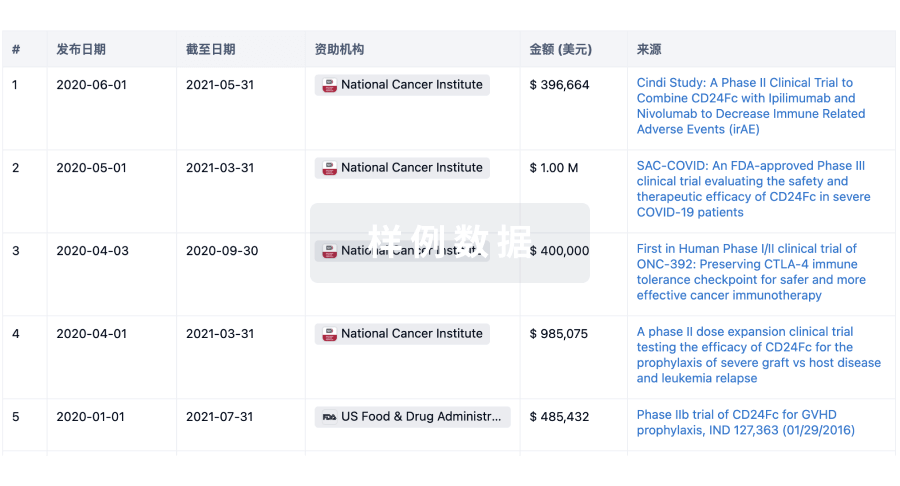
科研基金(NIH)
访问超过 200 万项资助和基金信息,以提升您的研究之旅。
登录
或
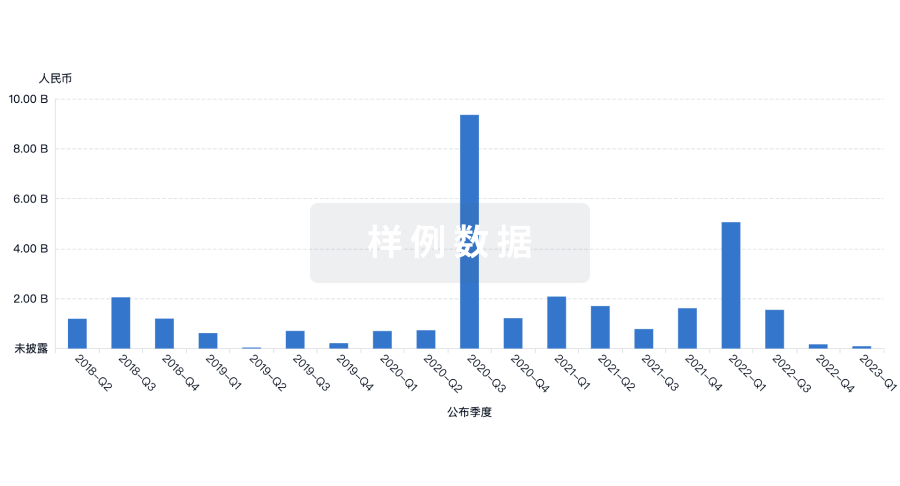
投资
深入了解从初创企业到成熟企业的最新公司投资动态。
登录
或
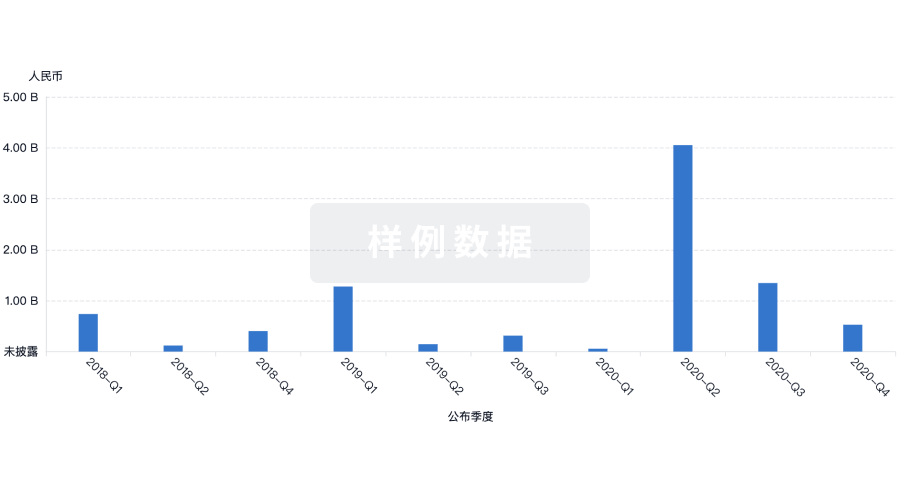
融资
发掘融资趋势以验证和推进您的投资机会。
登录
或
提出任何生物医药研究问题
让每一步生物医药决策都精准制胜
基于十亿级生物数据与全球情报的精准 AI,赋能早期药物发现
立即开始免费试用!
智慧芽新药情报库是智慧芽专为生命科学人士构建的基于AI的创新药情报平台,助您全方位提升您的研发与决策效率。
立即接入生物医药数据包
智慧芽新药库数据也通过智慧芽开放平台,以MCP或API服务形式对外开放。立即使用我们的MCP服务定制您的LLM智能体。
生物序列数据库
生物药研发创新
免费使用
化学结构数据库
小分子化药研发创新
免费使用