预约演示
更新于:2026-03-05

OrbusNeich Medical Technology Co. Ltd.
更新于:2026-03-05
概览
关联
21
项与 业聚医疗有限公司 相关的临床试验NCT06678490
PMCF Registry Study Paclitaxel-eluting Balloon Catheter Support C
To collect post marketing surveillance data on consecutive patients with coronary heart disease intended to be or treated by the drug eluting Support C PTCA balloon catheter when used according to the Instructions for Use. Data will be collected in order to assess the long term safety and performance of the Support C Drug Coated Balloon (DCB) in routine clinical practice.
开始日期2025-07-09 |
申办/合作机构 业聚医疗有限公司 [+2] |
NCT06832631
A Prospective PMCF Study of Paclitaxel Drug-coated Balloon Angioplasty for the Treatment of Symptomatic Peripheral Arterial Disease
To collect post marketing surveillance data on consecutive patients with peripheral arterial occlusive disease (PAOD) intended to be or treated by the VITUS peripheral drug-coated dilatation catheter when used according to the Instructions for Use and treating physician decision. Data will be collected in order to assess the long-term safety and performance of the VITUS peripheral drug-coated dilatation catheter in routine clinical practice.
开始日期2025-05-22 |
申办/合作机构 业聚医疗有限公司 [+1] |
NCT06621524
Coronary Angioplasty With Sirolimus Drug-coated Stent System to Treat Patients With Symptomatic Ischemic Coronary Heart Disease: a PMCF Study.
To collect post marketing surveillance data on consecutive patients with coronary heart disease intended to be or treated by the Eucalimus sirolimus eluting PTCA stent when used according to the Instructions for Use. Data will be collected in order to assess the long term safety and performance of the Eucalimus PTCA stent in routine clinical practice.
开始日期2025-03-14 |
申办/合作机构 业聚医疗有限公司 [+1] |
100 项与 业聚医疗有限公司 相关的临床结果
登录后查看更多信息
0 项与 业聚医疗有限公司 相关的专利(医药)
登录后查看更多信息
47
项与 业聚医疗有限公司 相关的新闻(医药)2026-02-06
·健识局
A股创业板终于又迎来药企挂牌,近日广东博迈医疗递交招股书,拟在创业板上市。
博迈医疗于2012年在东莞松山湖成立,是国内最大的血管介入球囊导管生产企业。依据弗若斯特沙利文的数据,2024年博迈医疗在中国冠状动脉球囊扩张导管市场排第四,而且是国产品牌第一,在中国外周动脉球囊扩张导管市场排第五。博迈医疗还是血管介入出口大户,公司球囊导管的出口量曾占据国产品牌出口量的70%以上。
业绩方面,博迈医疗正跑在快车道。2022-2024年营业收入年均复合增长率达48.98%,2025年上半年营收已达3亿元。
目前,博迈医疗的投资人包括同创伟业、社保长三角基金、高瓴资本、腾讯创投等知名机构。
集采后平均单价不降反增
球囊是一大类产品。今年1月,国家第六批高值耗材集采针对的是药物涂层球囊,包括冠脉和外周血管球囊。博迈医疗最主要的产品并不是药物涂层球囊,公司将其分为“通用球囊”和“功能性球囊”两大类。
通用球囊也就是一般的扩张球囊,从2020年开始就陆续在地方集采;外周血管球囊扩张导管以及其他血管介入球囊如切割/刻痕球囊等已经在部分省份开始集采。可以说,目前博迈医疗的主要产品类型基本都有集采覆盖,过去几年公司经历了多次产品单价大幅下降的阶段。
2023年6月,京津冀“3+n冠脉扩张球囊类耗材集采”中,国产产品平均降幅超 90%,价格由2020年均价3401元降至319元。博迈医疗的冠脉通用球囊中标价格为 243元、416元。
但是博迈医疗抓住了集采的机会,成功实现以价换量。2022年、2023年、2024年、2025年1-6月,冠脉球囊销量分别为85万根、118万根、169万根、96万根。
反常的是,主要产品集采后,公司的冠脉介入类产品平均销售单价不降反增。
2022年时,博迈医疗冠脉球囊平均单价175元,到2025年升到216元。公司毛利率也在不断抬升,报告期内毛利率分别为48.29%、61.51%、64.70%和68.20%,高于同行企业,乐普医疗、微创医疗毛利率分别为64.26%、56.36%。公司解释,单价上升主要归功于高压非顺应刻痕球囊导管(WedgeTMNC)、外周血管刻痕球囊导管(Tri-WedgeTM 三角龙 TM)等创新产品。
从集采数据看,功能性球囊的价格本来就高于普通扩张球囊。比如,2024年,河北省牵头的“京津冀‘3+N’联盟”中,博迈医疗的高压非顺应刻痕球囊导管被纳入其中,集采中标价为2168元。这些功能性球囊销售比重的增加,可能一定程度上拉高了博迈医疗球囊产品的平均单价。
全球市场扩张野心
博迈医疗能在集采大背景下保持销售高速增长,主要归功于早早走上国际化道路。目前,博迈医疗境外收入占比 54%,而且是以自有品牌销售出海,面向的市场也是欧美、日本等发达国家。
一个细节是,公司成立短短两年后,博迈医疗就设立了欧洲运营中心,开始海外销售。其ArtimesTM球囊产品在欧盟、美国拿证,甚至比在国内还早。
业内认为,博迈医疗如此迅速地在海外站稳脚跟,与公司管理层多来自上市公司业聚医疗有关。业聚医疗成立于2000年,总部位于香港,是极少数能在中国、美国、日本、欧盟四大主流市场均拥有大规模销售网络的中国血统企业。
博迈医疗的高管阵容里,业聚医疗的“老同事”占了相当大比例,除了董事长兼总经理李斌外,副总经理李诚、核心技术人员张志军、黄君仪、许寿贤均来自业聚。
而且,博迈医疗还挖来了一个重磅人物:Scott J. Addonizio。他于2024年8月入职博迈,担任全球首席运营官。他是全球介入医疗器械领域的顶尖老将,曾任业聚医疗董事会成员兼首席运营官,被认为是业聚的海外推手,助力其全球年营收突破1亿美元大关。在此之前,他还曾担任跨国巨头Cordis的高级副总裁,以及MedAlliance(后被 Cordis收购)的首席运营官。由此可见,博迈医疗对海外市场销售的野心不小。
本次IPO,博迈医疗拟募资17亿元,在创业板中属于较大规模。募投项目主要是重资产投入,包括松山湖全球总部项目、湖南生产基地技改(一期)项目,博迈医疗介绍,松山湖全球总部项目拟新建介入类医疗器械生产线,达产后预计可实现年产各类球囊、导管、导丝1405万套的生产能力。
撰稿 | 李傲
编辑|江芸 贾亭
运营 | 李木子
插图 | 视觉中国
声明:健识局原创内容,未经许可请勿转载
内容如有问题,请邮件联系:
jianshiju@boyamedia.com
商务咨询:13288688512
带量采购财报IPO申请上市一致性评价
2025-12-21
·生物天使
本周以来,多家生物医药公司获得新一轮融资,涉及到多个领域,下面我们进行简单总结。
1、君跻基因
近日,新一代自动化与智能化基因技术应用领导者——苏州君跻基因科技有限公司(简称“君跻基因”)宣布完成近亿元A轮融资。本轮融资由天汇资本、金桥基金、金海创投共同领投,光谷产投跟投,凯乘资本担任独家财务顾问。本轮资金将重点用于全自动化产线完善升级、核心技术研发迭代、团队扩容及全球市场拓展等关键业务,进一步推动自动化基因技术应用的全球化布局。
2、问岐健康
近日,专注中医智能化服务的科技企业苏州市问岐健康科技有限公司(简称:问岐健康)宣布完成千万级Pre-A轮融资,本轮由北京春雨资本等机构参与投资。此次融资不仅标志着资本市场对问岐健康在中医智能化领域技术积累与商业化能力的认可,也为其加速技术落地与服务网络扩张注入新动能。
3、康源博创
近日,专注于新一代双特异性及多特异性抗体药物研发的生物技术公司康源博创生物科技(北京)有限公司(以下简称:康源博创)宣布圆满完成B系列轮次融资,融资额近2.5亿元。本轮融资由博远资本、北京市医药健康产业投资基金、亦庄国投共同领投,光大控股、金易赋新、仁爱资本、亦庄投资跟投,老股东源慧创益持续追加投资。据悉,本轮融资资金将主要用于加速公司旗下多款First-in-Class (FIC)及Best-in-Class (BIC) 双抗/多抗药物的合作开发及临床推进,进一步夯实其独有的“共有轻链”与“纳米抗体”技术平台,并积极拓展全球商务合作(BD)。
4、微量介入
近日,微量介入医疗科技(杭州)有限公司(以下简称:微量介入)宣布完成数千万元 A 轮融资。本轮投资由荷塘创投领投,老股东泰煜投资跟投。这是公司继2023年获普华资本天使轮投资,2024年获泰煜投资、国创勤智和华盖资本Pre-A轮投资后,再度迎来重要资本注入。本轮融资反映出市场对高新医疗产业的积极反响和期待,也必将为其产品研发、临床应用及全球化布局注入强劲动力,助力创新突围。微量介入于2021年成立,位于浙江杭州,一直致力于破解血管疾病临床痛点,深耕有源能量血管介入黄金赛道。成立以来,微量医疗充分利用行业优势,汇集中德两国专业力量,分别在杭州、深圳及德国科堡建立了生产基地与研发办公室,构建起全球化运营网络。公司创始团队在行业内深耕多年,拥有独到的国际化视野和清晰的战略发展规划;来自业聚医疗、迈瑞医疗、理邦医疗等行业头部企业及清华大学、北京协和医学院、香港中文大学等顶尖科研院校的中方团队具备深厚的多学科研发积淀,加上德国激光领域享誉国际的顶级专家,强强联合,为技术创新提供坚实支撑。
5、安领科生物
近日,上海安领科生物医药有限公司(简称:安领科生物/Allink Biotherapeutics Inc.)宣布成功完成近5000万美元 A 轮追加融资。A 轮追加融资分别由老股东君联资本与新晋投资方美团龙珠领投,蓝驰创投、元生创投、五源资本、龙磐投资、润璋创投等多家知名新老股东跟投。本轮A轮扩展融资,将助力加速推进公司两款具有显著差异化优势的核心管线的全球临床开发。ALK201 作为一款有望成为“同类首创”且“同类最佳”的靶向 FGFR2b 的 ADC 药物,已在多种肿瘤类型中展现出令人鼓舞的疗效信号及良好的安全性,为其成为 FGFR2b 过表达实体瘤的基石疗法奠定了坚实基础。同步推进的 ALK202 项目,其早期临床数据也初步验证了这款 EGFR/cMET 双特异性 ADC 有望树立非小细胞肺癌治疗领域的新一代治疗标杆。此外,该项目正在进一步扩展临床评估范围,覆盖更多由生物标志物定义的肿瘤类型及患者群体。
6、领泰生物
近日,领泰生物医药有限公司(以下简称:领泰生物)宣布成功完成超2亿元B轮融资。本轮融资由汉康资本领投,鼎晖VGC、时真资本、康橙投资等投资机构共同参与,老股东龙磐投资持续追加投资。本轮所融资金将主要用于加速公司核心管线的临床开发与研发平台升级,具体包括:推动首个核心产品——IRAK4降解剂LT-002,加快Ic期适应症探索及II期临床研究;启动第二个核心产品--KRAS G12D降解剂的I期临床试验;加速其他自免管线和肿瘤管线的临床前开发;支持研发中心的全面运营,并进一步扩充研发团队。
7、微何生物
近日,北京微何生物科技有限公司(简称:微何生物)宣布完成种子轮融资。本轮融资由专注于生命科技领域投资的泉华Life领投。所筹资金将主要用于研发平台搭建,科研团队建设,核心产品中试量产,加速高附加值食品新原料的生物制造,为大健康产业提供更加可持续的解决方案。微何生物成立于2025年10月,位于北京平谷区,是一家专注于合成生物的初创企业,公司使命是以生物制造重塑天然产物生产方式,引领新一代食品新原料的产业革新。公司以构建高效细胞工厂为核心,通过精准调控微生物代谢通路,突破实验室创新到产业化应用的落地转化,实现功能性蛋白及活性小分子的绿色生产,为大健康产业提供可持续的提供高品质、可追溯的新原料。
8、百明信康
近日,国内领先的过敏免疫疗法创新企业百明信康生物技术(浙江)股份有限公司(基础:百明信康)宣布完成超3亿元人民币D+轮融资。本轮融资由人保资本、LongRiver江远投资联合领投,深投控资本、千帆企航基金、合肥高投等多家知名投资机构及基金跟投,原有股东清松资本,明沣资本等亦持续加持。本次募集资金将主要用于核心产品的全球临床试验推进,并加速已商业化产品及在研管线的国际化布局。百明信康成立于2018年,位于浙江湖州,专注于过敏性疾病及自身免疫疾病领域的新一代特异性免疫疗法研发。公司以特异性免疫调控为核心科学基础,依托多项自有、差异化技术平台,构建覆盖精准诊断、创新治疗及全球商业化的诊疗一体化解决方案,持续推进“Biotech+新商业模式”的落地。
9、佩德生物
近日,专注于多肽药物研发的成都佩德生物医药有限公司(简称“佩德生物”)宣布完成数千万元A轮融资。本轮融资由深圳前海上善金石私募股权投资基金管理有限公司(“上善资本”)旗下善诺基金独家投资。所募集资金将用于推进疼痛类、心脑血管类和呼吸系统疾病的核心管线研发,同时部署大规模人工智能(AI)辅助多肽药物开发技术,推动天然有毒动物多肽库提“量”增“智”。佩德生物成立于2021年,坐落于成都天府国际生物城,是一家专注于天然有毒动物多肽创新药研发的高新技术企业。公司由我国多肽领域知名科学家容明强教授创立,聚集了来自中国科学院、北京大学、北京协和医学院、知名药企临床学家的一批高层次人才,以有毒动物多肽库为源头,以人工智能为多肽药物研发的核心技术,以新时代国人高发疾病和临床需求为目标,形成三位一体的创新药研发体系。公司于2022年立项,2024年底获得临床批件(IND)的新一代寻常痤疮治疗药物PD-DP-008已经被国内知名药企九典制药(股票代码:300705)收购,总金额近亿元,初步展现了佩德生物卓越的新药研发能力。
10、优甜生物
近日,合成生物公司溧阳市优甜生物科技有限公司(简称:优甜生物)近日获数千万元天使轮融资,本轮融资由常州启航合成生物创投基金领投,本轮资金将重点用于落地索马甜的规模化量产,拓展合成生物产品管线,及技术平台迭代。优甜生物成立于2023年,现位于江苏常州,公司创始人、董事长崔俊生毕业于南开大学生物专业,是一位连续创业者,曾参与完成了国家“863”重大新药创制课题;主导开发的全球首款DR4/DR5靶点抗肿瘤靶向蛋白新药,完成BD授权。
11、元码智药
近日,上海元码智药生物技术有限公司(简称:元码智药Byterna Therapeutics)完成天使+轮融资。本轮融资由倚锋灼华基金独家投资,资金将用于加速推进环状mRNA(cmRNA)体内CAR-T管线BR101的IIT临床研究。元码智药成立于2023年6月,位于上海张江,是一家以AI驱动、环状mRNA和靶向tLNP技术为核心的生物医药创新企业,聚焦于环状mRNA免疫治疗新药研发。目前,元码智药在无痕高效环化、AI序列设计、环状mRNA化学修饰、体内T细胞靶向递送和环状mRNA CAR设计与评价等高壁垒环节实现技术突破,自主研发并搭建了全球领先的环状mRNA体内CAR-T新药开发平台,并布局了多条体内CAR-T管线,目前核心管线正快速推向临床研究。
12、上海捷诺
近日,上海捷诺生物科技股份有限公司(以下简称“上海捷诺”)成功完成新一轮融资,融资金额近2亿元人民币,本轮融资由华盖资本领投,原控股股东亦同步增资,国有持股比例保持51%,为上海捷诺在产业并购落地、核心技术迭代升级及国内外市场拓展关键领域,注入强劲资本动能。上海捷诺的医学诊断是中国生物规划发展的重点板块之一,进行混合所有制改革,旨在以体制机制创新来促进诊断业务的迅速发展。作为中国生物医学诊断板块统一运营平台公司,上海捷诺集科、工、贸为一体,以自主研发为依托,以技术引进和投资收并购为手段,打造构建中国生物诊断板块大产业链,努力成为国内细分领域龙头企业。2019年,上海捷诺完成了对国外公司股权收并购项目,启动了海外研发中心建设,进一步加快引进国际先进技术,拓宽国际化布局的进程。
开放转载
欢迎转发到朋友圈和微信群
生物天使
专注生物医药领域成果转化及投融资资讯传播,如需合作或投稿,长按下方二维码,即可添加小编微信,添加微信时请备注:单位/姓名,邮箱:zbh926117@163.com
点在看,传递你的品味
一致性评价上市批准生物类似药
2025-12-16
·企名片
Key Points
2025/12/16
国内融资
✦RoboParty 萝博派对完成种子+轮融资,加速开源具身生态建设
✦安领科生物完成近5000万美元A轮追加融资,加速ADC项目全球临床及创新技术平台开发
✦AI4S理解疾病机制,哲源科技获亿元A1轮融资
✦奕信通完成超1亿元B轮融资,外资国际500强企业领投加速海外全球化布局
✦智谷天厨完成数千万元A轮融资,啟赋资本投资
✦上海捷诺获近两亿元融资,持续聚焦IVD领域的技术创新与产业转化
✦欧科健完成B轮融资,全球首创双抗OCUL101冲刺中美II期,点亮全球眼底病治疗新希望
✦微量介入完成数千万级A轮融资,中德团队加速领航血管介入行业创新
……
国外融资
✦英伟达收购AI软件公司SchedMD加码开源技术
✦金融科技公司普拉塔募资最高达5亿美元 为进军墨西哥银行业做准备
✦面向医疗从业者的再技能培训服务运营商Medited完成种子轮融资
✦杉川入主iRobot,扫地机行业或迎来史上最大变革
……
更多融资信息请前往【企名片搜索APP】查看
RoboParty 萝博派对完成种子+ 轮融资,加速开源具身生态建设
近日,全开源双足人形机器人公司 —— 「上海萝博派对科技有限公司(RoboParty 萝博派对)」宣布,继上月完成千万美金种子轮融资后,再度完成新一轮种子+轮融资,本轮融资由商汤国香资本、BV 百度风投、华映资本投资,种子轮股东经纬创投、小米战投、 L2F 光源创业者基金等持续追加,光源资本担任孵化方及独家财务顾问。
这是RoboParty萝博派对在一个月内连续获得多家一线产业与头部财务机构支持,亦标志着公司在开源具身智能方向及团队能力上,持续获得资本市场的认可。本轮新增资金将继续用于核心零部件自研、人形机器人本体结构与运动控制系统优化、开源软件栈与开发者生态建设,进一步夯实RoboParty萝博派对在 “全栈开源双足人形机器人” 的生态卡位。
作为国内唯一实现从算法、控制到硬件整机全栈开源的双足人形机器人公司,RoboParty萝博派对自成立以来,持续围绕低成本、标准化、可复用的人形机器人通用本体进行研发,并通过开放图纸、代码与完整部署文档,降低具身智能的开发门槛,推动生态共建。
安领科生物完成近5000万美元A轮追加融资,加速ADC项目全球临床及创新技术平台开发
12月16日,安领科生物(Allink Biotherapeutics Inc.),一家临床阶段生物技术公司,致力于开发肿瘤及免疫领域的下一代ADC及多特异性抗体药物,今日宣布成功完成近5000万美元A轮追加融资。A轮追加融资分别由老股东君联资本与新晋投资方美团龙珠领投,蓝驰创投、元生创投、五源资本、龙磐投资、润璋创投等多家知名新老股东跟投。
本轮A轮扩展融资,将助力加速推进公司两款具有显著差异化优势的核心管线的全球临床开发。ALK201作为一款有望成为“同类首创”且“同类最佳”的靶向FGFR2b的ADC药物,已在多种肿瘤类型中展现出令人鼓舞的疗效信号及良好的安全性,为其成为FGFR2b过表达实体瘤的基石疗法奠定了坚实基础。同步推进的ALK202项目,其早期临床数据也初步验证了这款EGFR/cMET双特异性ADC有望树立非小细胞肺癌治疗领域的新一代治疗标杆。此外,该项目正在进一步扩展临床评估范围,覆盖更多由生物标志物定义的肿瘤类型及患者群体。
安领科生物正基于生物标志物驱动的精准开发策略,全速推进这两款核心管线的临床开发,以验证其在多种实体瘤中的疗效。公司计划于近期启动两个项目联合疗法的临床研究,进一步探索及拓展这两款产品在一线患者群体中的治疗潜力。上述战略举措将加速推进ALK201和ALK202进入关键性注册临床试验阶段,同时确立其在各自目标适应症中的差异化竞争优势。
AI4S理解疾病机制,哲源科技获亿元A1轮融资
12 月16日消息,北京哲源科技有限责任公司(简称 “哲源科技”)宣布完成亿元A1轮融资。本轮融资由国科投资领投,泽源基金、睿智医药跟投。
哲源科技本轮资金将主要用于核心药物管线的持续推进,高价值创新IP的全球专利布局,以及计算医学平台的升级,助力公司持续释放 “药物IP创新工厂”的能力,推动生物医药产业的研发范式变革。
北京哲源科技有限责任公司是以人工智能技术赋能医药创新的平台型公司。公司聚焦于“AI4S+疾病”驱动药物研发,以生命功能的数字孪生技术为核心,打造计算医学平台。公司致力于构建“药物数字试验场”,系统性发现新靶点、发现药物、模拟临床试验、拓展药物新适应症,为医药研发引入新范式。公司已拥有新靶点、新药物等多项高价值IP。
奕信通完成超1亿元B轮融资,外资国际500强企业领投加速海外全球化布局
近日,奕信通完成B轮超1亿元人民币融资,本轮融资由国际500强企业领衔投资,多家知名机构跟投,为公司全球化战略落地注入强劲资本动力。云岫资本担任本轮融资财务顾问并持续合作。
作为深耕数据中心液冷领域的高新技术企业,奕信通始终以技术创新为核心驱动力,凭借自主研发的产品与解决方案,在国内市场积累了扎实的客户基础与行业口碑。此次获得国际500强企业的战略领投,不仅是资本市场对公司技术实力、商业模式及增长潜力的高度认可,更标志着奕信通的发展理念与市场价值,获得了全球顶尖产业资本的重磅背书。
依托投资方的全球资源网络与国际化运营经验,本轮融资后,奕信通将全面加速海外布局:聚焦亚太、欧美等核心区域,搭建完善的本地化服务与运营体系,精准匹配当地客户的多样化需求;同时持续加大研发投入,迭代优化产品性能,进一步强化国际市场竞争力;此外,还将扩充全球化专业人才团队,吸纳具备跨区域市场运营经验的精英力量,为海外业务的稳步推进筑牢人才根基。
智谷天厨完成数千万元A轮融资,啟赋资本投资
12月16日消息,烹饪机器人企业智谷天厨近期完成数千万元A轮融资,投资方为啟赋资本;同时,公司将完成品牌升级,在2026年年初正式更名为“仟弈智能”。自成立以来,公司已获得云启资本等知名机构多轮融资,累计融资金额超亿元。
目前,智谷天厨将业务划分为国内社餐、国内团餐与海外市场三大板块,并构建立了一套以客户场景为中心,高效且精细化的运营体系。
深圳市智谷天厨科技有限公司成立于2018年,总部位于深圳市南山区,是一家行业领先的烹饪机器人国家高新技术企业,专注于中国菜肴的智能化烹饪设备的研发、生产、销售及智慧厨房整体解决方案。目前在上海、广州、杭州、武汉、重庆、长沙等地已设有多个营销运营中心。 智谷天厨产品分为烹饪机器人系列、调味机器人系列、食安管理平台+明厨亮灶以及智慧厨房系统。产品热销中国内地及港澳台餐饮市场,并远销新加坡和美国等海外市场。
上海捷诺获近两亿元融资,持续聚焦IVD领域的技术创新与产业转化
近日,上海捷诺生物科技股份有限公司(简称“上海捷诺”)成功完成新一轮融资,融资金额近2亿元人民币,本轮融资由华盖资本领投,原控股股东亦同步增资,为上海捷诺在产业并购落地、核心技术迭代升级及国内外市场拓展关键领域,注入强劲资本动能。
在IVD行业整体增速放缓、市场竞争白热化的背景下,上海捷诺凭借核心技术的差异化优势、市场化运营的灵活机制及扎实的商业化落地能力,逆势完成大额融资,不仅展现了企业硬核的科技实力、过硬的综合实力,更充分印证了资本市场对其高效科研创新能力和技术转化能力及长期成长潜力的高度认可。作为IVD(体外诊断)领域全球领先的技术产业化转化平台,上海捷诺依托在传染病与肿瘤诊断领域的持续创新,已构建起具备显著差异化优势的产品矩阵。
欧科健完成B轮融资,全球首创双抗OCUL101冲刺中美II期,点亮全球眼底病治疗新希望
近日,专注于眼科创新药研发的深圳欧科健生物医药科技有限公司(以下简称“欧科健”)顺利完成3000万美元B轮融资。本轮融资由一家知名产业投资机构和启明创投联合领投, 博裕万物跟投。同时,现有股东LongRiver江远投资、博远资本继续支持。所募资金将全力助推核心产品——全球首创(First-in-Class)的双特异性抗体眼科新药OCUL101在中美两地开展II期临床试验,为这款重磅新药的加速研发注入强劲动力。
欧科健专注于眼底常见疾病的大分子创新药物研发,创始团队凭借在眼科新药研发领域的丰富产业化经验不断推进研发进度,在2024年取得卓越成绩。其中,具有独家自主知识产权的核心产品OCUL101 表现尤为亮眼,自公司成立以来仅用两年时间就完成中美双报,并于2024年11月19日和2025年1月9日相继获得FDA、CDE的临床许可,成为全球第一款双靶点三效创新抗体 (独特性地针对新生血管性年龄相关性黄斑变性(nAMD)、糖尿病性黄斑水肿(DME)和地图样萎缩(GA)三种适应症)。OCUL101有望成为国内第一个针对GA疾病、世界首个同时覆盖上述三种适应症的眼科药物,为国内百万无药可治的病患、更为全球常见眼底病患者提供新的治疗希望。本轮资金将用于推动 OCUL101 中、美临床试验的高效开展,欧科健将全力以赴加快药物研发,让这份希望之光尽早照进现实。
微量介入完成数千万级A轮融资,中德团队加速领航血管介入行业创新
近日,微量介入医疗科技(杭州)有限公司(以下简称:微量介入)宣布完成数千万元A轮融资。本轮投资由荷塘创投领投,老股东泰煜投资跟投,涵宇资本持续担任独家财务顾问。
这是公司继2023年获普华资本天使轮投资,2024年获泰煜投资、国创勤智和华盖资本Pre-A轮投资后,再度迎来重要资本注入。本轮融资反映出市场对高新医疗产业的积极反响和期待,也必将为其产品研发、临床应用及全球化布局注入强劲动力,助力创新突围。
微量介入于2021年成立,一直致力于破解血管疾病临床痛点,深耕有源能量血管介入黄金赛道。成立以来,微量医疗充分利用行业优势,汇集中德两国专业力量,分别在杭州、深圳及德国科堡建立了生产基地与研发办公室,构建起全球化运营网络。公司创始团队在行业内深耕多年,拥有独到的国际化视野和清晰的战略发展规划;来自业聚医疗、迈瑞医疗、理邦医疗等行业头部企业及清华大学、北京协和医学院、香港中文大学等顶尖科研院校的中方团队具备深厚的多学科研发积淀,加上德国激光领域享誉国际的顶级专家,强强联合,为技术创新提供坚实支撑。
英伟达收购AI软件公司SchedMD加码开源技术
英伟达宣布收购人工智能软件公司SchedMD,这家芯片设计公司正加倍投入开源技术,并加大对人工智能生态系统的投资,以抵御日益激烈的竞争。
本地时间周一,英伟达宣布收购人工智能软件公司SchedMD,这家芯片设计公司正加倍投入开源技术,并加大对人工智能生态系统的投资,以抵御日益激烈的竞争。
英伟达以高速芯片而闻名,但它也提供一系列自己的人工智能模型,从物理模拟到自动驾驶汽车,作为开源软件供研究人员和公司使用。其专有的CUDA软件是大多数开发者的标准,也是其芯片的主要卖点,因此软件对于其在人工智能行业保持主导地位至关重要。消息公布以及此前宣布推出新的开源人工智能模型后,英伟达股价上涨了1.35% 。
SchedMD提供软件,帮助安排可能占用数据中心服务器容量很大一部分的大型计算作业。该公司的技术名为Slurm,是开源的,这意味着开发人员和公司可以免费使用它,而该公司则出售工程和维护支持。交易的财务条款未予披露。英伟达表示将继续以开源方式分发SchedMD的软件。
金融科技公司普拉塔募资最高达5亿美元 为进军墨西哥银行业做准备
墨西哥金融科技公司普拉塔(Plata)于周一宣布,已在野村证券国际牵头安排的一轮融资中募资最高达 5 亿美元,为转型成为一家全牌照银行铺路。这家持有牌照的数字金融平台已于2024年12月获得银行业务牌照授权,目前正处于启动运营前的最后筹备阶段。
今年10月,该公司完成了一轮2.5亿美元的股权融资,由考拉资本管理公司(Kora Management)领投,摩尔资本管理公司(Moore Capital Management)及奥迪欧风投(Audeo Ventures)参与投资。此轮融资后,公司估值翻倍,达到31亿美元。普拉塔方面表示,其投资方遍布美国、欧洲、日本及拉丁美洲,这一投资格局也反映出国际市场对墨西哥金融科技行业的兴趣日益浓厚。该公司在服务中采用自主研发技术及人工智能,目前拥有250万名活跃信贷客户。
面向医疗从业者的再技能培训服务运营商Medited完成种子轮融资
以「医疗资格一直是你的后盾」为核心,运营面向医疗从业者的专用技能重塑服务的株式会社Medited(总部:东京都新宿区,代表董事/药剂师:松冈舞子)宣布已完成由ANRI株式会社和East Ventures株式会社提供的种子轮融资。Medited是一家医疗技能培训服务商,提供多个在线学习课程,并且正在进一步扩充内容,拓展职业支持业务。
杉川入主iRobot,扫地机行业或迎来史上最大变革
全球扫地机器人领域正迎来一次深度变革。北京时间12月15日,陷入经营困境的扫地机器人行业先驱iRobot(NYSE: IRBT)宣布,已与其核心制造商——杉川集团正式签署《重组支持协议》。根据该协议,杉川将通过法院监督程序,将其债权转换为iRobot 100%的股权,从而完成对后者的全资收购。此举不仅为iRobot的债务重组与业务延续提供了清晰路径,也标志着来自中国的杉川集团,正从全球产业链中不可或缺的“隐形冠军”,走向台前,开启“技术制造+全球品牌”的全新阶段。
*根据公开资料整理
更多融资信息可在【企名片搜索APP】查询...
往期推荐
若生科技完成Pre-A+轮融资,沂景资本与红杉中国联合领投;新施诺完成超5亿元A+轮融资...|企名片融资日报
洛阳钼业拟10.15亿美元收购巴西三大金矿资产;20亿中票展期未通过,万科公告称对此“深表歉意”...|企名片晚报
发现科创企业 | 12.8-12.12值得关注的获投企业30家
并购抗体药物偶联物引进/卖出临床2期
100 项与 业聚医疗有限公司 相关的药物交易
登录后查看更多信息
100 项与 业聚医疗有限公司 相关的转化医学
登录后查看更多信息
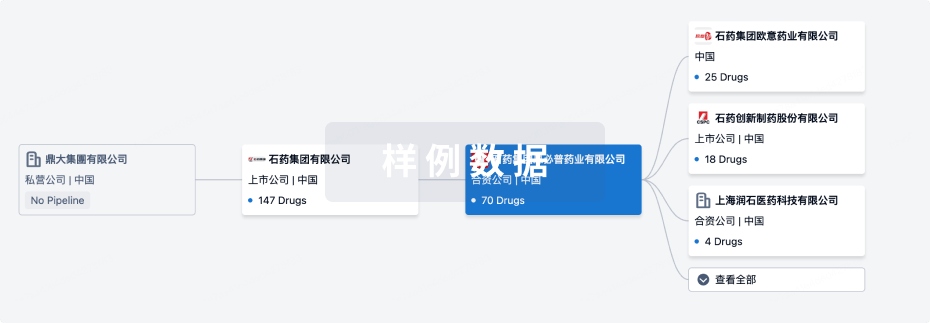
组织架构
使用我们的机构树数据加速您的研究。
登录
或
管线布局
2026年05月16日管线快照
无数据报导
登录后保持更新
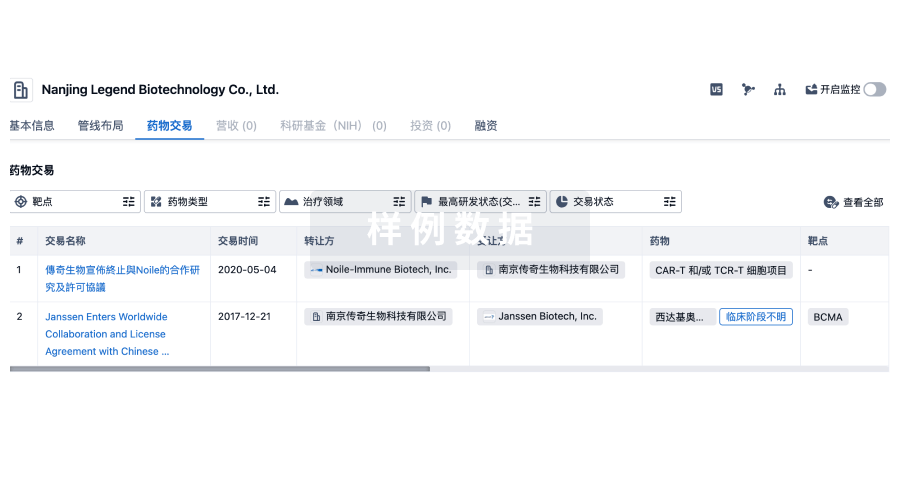
药物交易
使用我们的药物交易数据加速您的研究。
登录
或
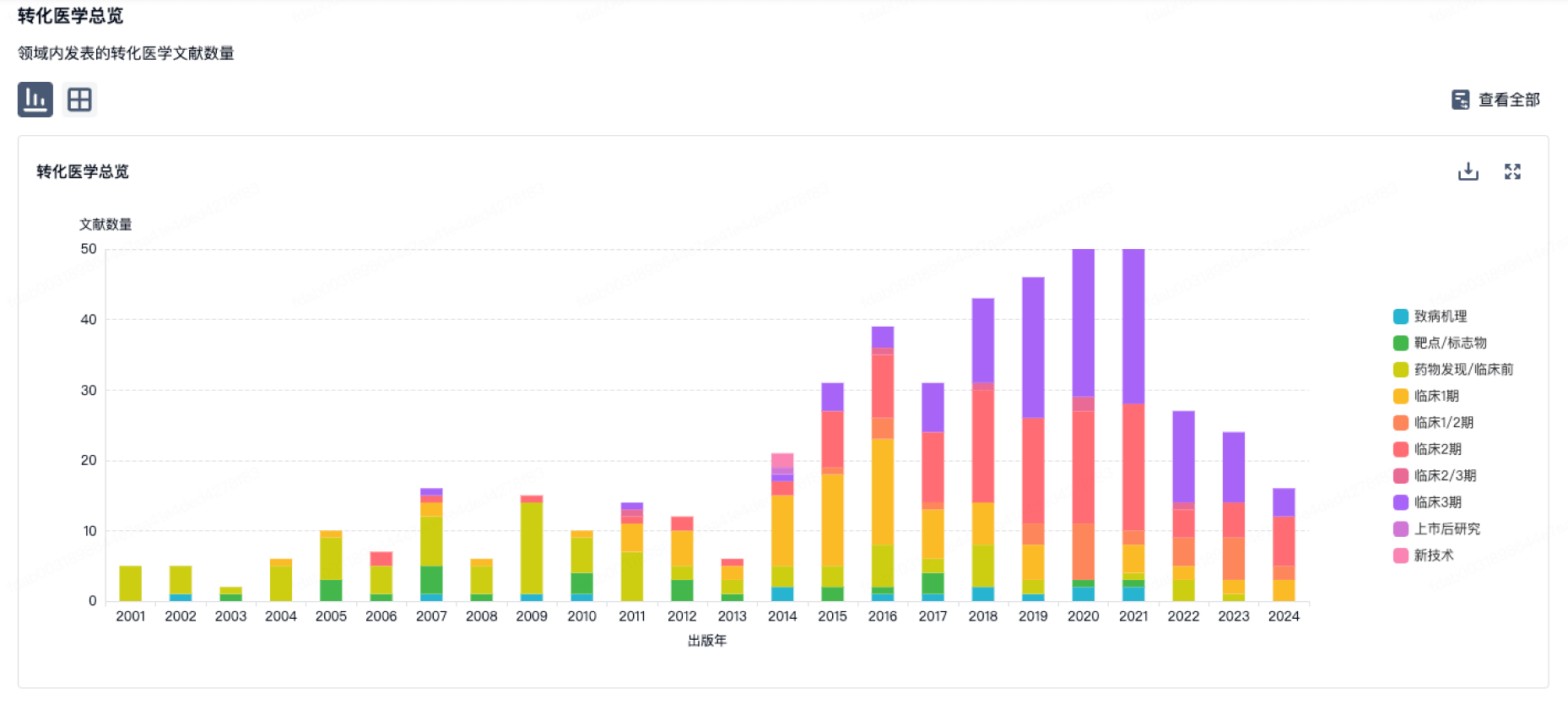
转化医学
使用我们的转化医学数据加速您的研究。
登录
或
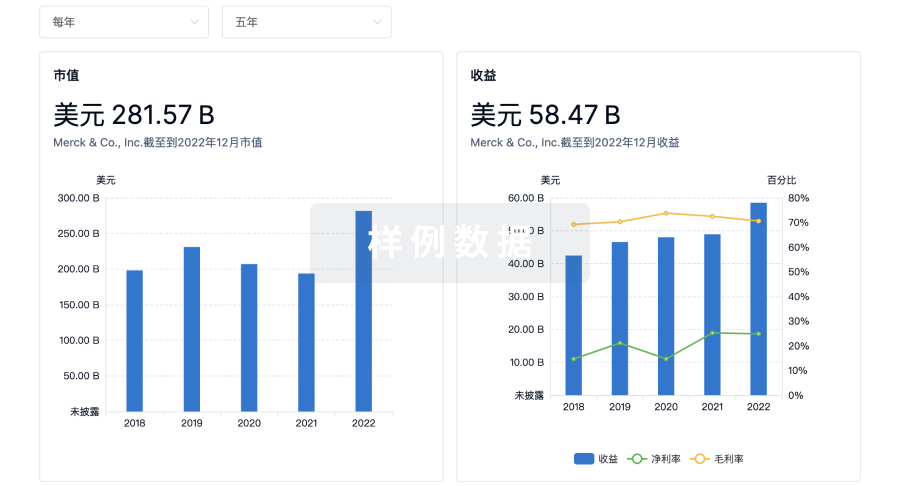
营收
使用 Synapse 探索超过 36 万个组织的财务状况。
登录
或
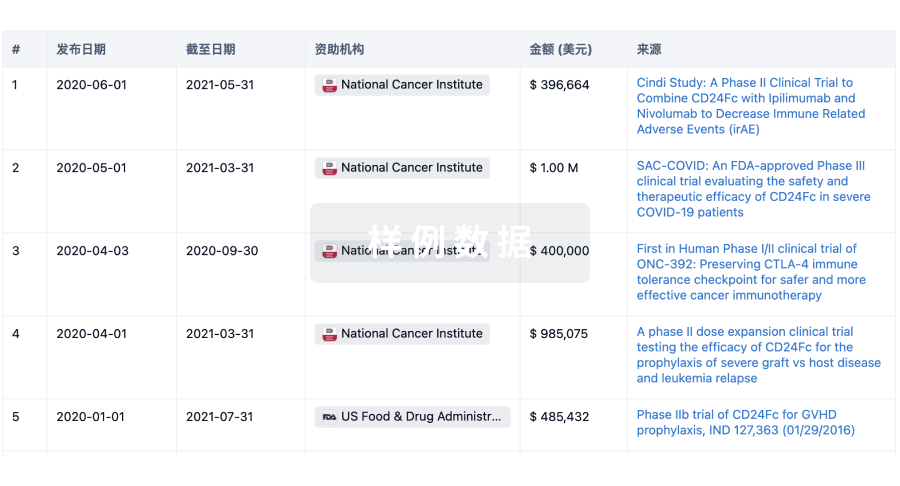
科研基金(NIH)
访问超过 200 万项资助和基金信息,以提升您的研究之旅。
登录
或
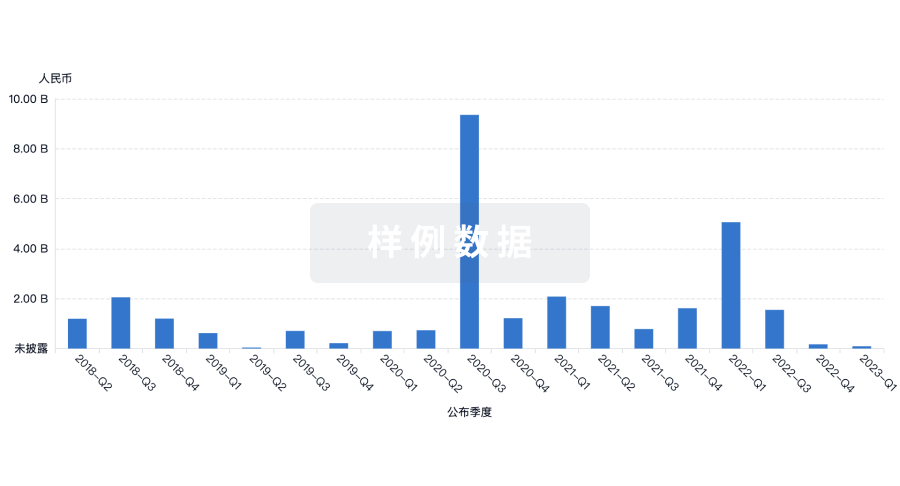
投资
深入了解从初创企业到成熟企业的最新公司投资动态。
登录
或
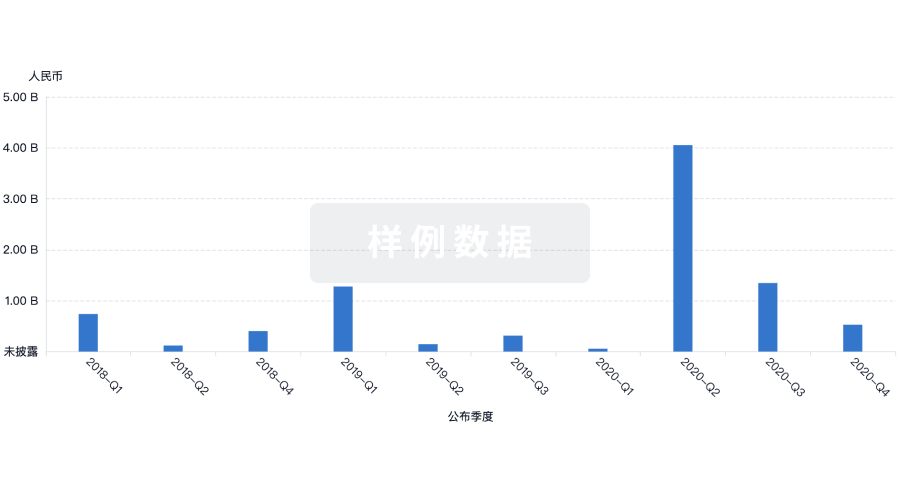
融资
发掘融资趋势以验证和推进您的投资机会。
登录
或
生物医药百科问答
全新生物医药AI Agent 覆盖科研全链路,让突破性发现快人一步
立即开始免费试用!
智慧芽新药情报库是智慧芽专为生命科学人士构建的基于AI的创新药情报平台,助您全方位提升您的研发与决策效率。
立即开始数据试用!
智慧芽新药库数据也通过智慧芽数据服务平台,以API或者数据包形式对外开放,助您更加充分利用智慧芽新药情报信息。
生物序列数据库
生物药研发创新
免费使用
化学结构数据库
小分子化药研发创新
免费使用