预约演示
更新于:2026-06-15

Northwest A&F University
更新于:2026-06-15
概览
标签
神经系统疾病
感染
其他疾病
小分子化药
重组蛋白
Transformer 碱基编辑器
疾病领域得分
一眼洞穿机构专注的疾病领域

技术平台
公司药物应用最多的技术
靶点
公司最常开发的靶点
关联
靶点 |
作用机制 |
在研机构 |
原研机构 |
在研适应症 |
非在研适应症 |
最高研发阶段 |
首次获批国家/地区 |
首次获批日期 |
靶点 |
作用机制 |
在研机构 |
原研机构 |
在研适应症 |
非在研适应症 |
最高研发阶段 |
首次获批国家/地区 |
首次获批日期 |

靶点 |
作用机制 |
在研机构 |
原研机构 |
在研适应症 |
非在研适应症 |
最高研发阶段 |
首次获批国家/地区 |
首次获批日期 |
100 项与 西北农林科技大学 相关的临床结果
登录后查看更多信息
登录后查看更多信息
2026-12-31Virulence
Coinfection with fowl adenovirus serotypes 1 and 4 (FAdV-1 and -4) enhances FAdV-4 replication through FAdV-1-mediated upregulation of HSPA2 expression
Article
作者: Sun, Yani ; Zhao, Qin ; Liu, Dongying ; Ge, Yifan ; Stewart, James P. ; Ren, Binbin ; Liao, Mingzhi ; Hiscox, Julian. A ; Li, Yayu ; Li, Xiaoxuan ; Dan, Miao
Fowl adenoviruses (FAdVs) are widely distributed in poultry populations around the world, and many diseases are associated with FAdV infection in chickens. This study documented the first characterization of coinfection with fowl adenovirus serotypes 1 and 4 (FAdV-1 and -4) associated with hydropericardium hepatitis syndrome (HHS) in Chinese layer flocks, revealing a novel viral cooperation mechanism. Two novel strains (CH/SX/201805-1 and -4) were identified and isolated, with whole-genome sequencing showing CH/SX/201805-1 clustering with FAdV-1 (99.7% identity to FAdV-A-61/11z), whereas CH/SX/201805-4 displayed characteristic ORF19/27/29 deletions mirroring emergent Chinese FAdV-4 variants. Experimental coinfection in SPF chickens resulted in 87.5% mortality, which was 16.7% greater than that resulting from infection alone, with exacerbated pathology. In vitro coinfection experiments demonstrated concurrent viral replication within same LMH cells, a previously unreported phenomenon, where FAdV-1 increased FAdV-4 replication efficiency 21-fold (p < 0.001). Transcriptomic profiling revealed heat shock protein A2 (HSPA2) as the most differentially expressed gene, which was upregulated 2.8-fold during coinfection compared with infection with FAdV-4 alone. Functional validation through HSPA2 knockdown reduced FAdV-4 replication, establishing that FAdV-1 potentiates FAdV-4 through HSPA2-mediated host modulation. These findings provide the first evidence of HSPA2-dependent interserotype synergy in FAdV and can be used to develop a cellular model for FAdV coinfection studies. These insights redefine the understanding of FAdV pathogenesis and create new avenues for targeted intervention strategies against emerging FAdV coinfections.
2026-12-01Stress biology
Yersinia pseudotuberculosis secretes an Fe (II)-binding effector to evade calprotectin-mediated nutritional immunity
Article
作者: Wang, Yao ; Shen, Xihui ; Guan, Hongxin ; Hou, Jing ; Xu, Lei ; Zhang, Pengfei ; Wang, Yudi ; Huang, Jianan ; Ouyang, Songying ; Zhang, Mengsi ; Gu, Huawei ; Dai, Qingyun
Abstract:
Iron is an essential cofactor for core metabolic processes and is critical to both host physiology and invading pathogens. While the competition between host and pathogen for ferric iron [Fe (III)] and heme has been well characterized, microbial strategies to overcome Fe (II) limitation—particularly under calprotectin (CP)-mediated Fe (II) chelation—remain poorly understood. In this study, we show that
Yersinia pseudotuberculosis
(
Yptb
) employs its type VI secretion system 1 (T6SS1) to acquire Fe (II) through secretion of the Fe (II)-binding effector SfeP. Deletion of
sfeP
significantly reduced bacterial loads in wild-type mice but not in CP-deficient mice, highlighting its essential role in virulence under CP-imposed Fe (II) restriction. Mechanistically, SfeP acts as a proteinaceous ferrousophore that specifically interacts with the outer-membrane porin OmpF to facilitate Fe (II) uptake, and the resulting SfeP-mediated iron homeostasis contributes critically to bacterial resistance against oxidative and acidic stress. Together, these findings uncover a T6SS-dependent Fe (II)-scavenging pathway in which SfeP cooperates with OmpF to counteract host nutritional immunity and promote
Yptb
virulence. This work not only underscores the versatility of T6SS in metal acquisition and stress adaptation, but also highlights the physiological significance of CP-mediated Fe (II) sequestration in host defense against bacterial infection.
2026-12-01Stress biology
Cloning and functional analysis of the lobed-leaf gene BjA10.LL in Brassica juncea L.
Article
作者: Liu, Zijin ; Liu, Jiajia ; Ma, Yunyun ; Ma, Shaojie ; He, Yuxuan ; Guo, Yuan ; Cui, Xiaohui ; Yang, Saiqi ; Chen, Mingxun
Abstract:
Leaf shape plays a crucial role in plant growth and development. Among various leaf traits, marginal lobation serves as an ideal morphological marker for breeding programs. However, the genetic mechanism underlying leaf margin lobation in
Brassica juncea
L. remains unclear. Through RNA sequencing and map-based cloning, we identified an incompletely dominant gene,
BjA10.LL
, which encodes an HD-ZIP I protein and is responsible for the formation of leaf margin lobation in
B. juncea
. Sequence analysis of parental alleles revealed no critical variations in the coding region but identified substantial variations in regulatory regions. Heterologous expression of
BjA10.LL
in
Arabidopsis thaliana
confirmed its sufficiency to induce lobed leaves. To functionally link the regulatory variations to the phenotype, we analyzed promoter activity and developed a co-dominant molecular marker targeting key indels in a core enhancer. The promoter activity was significantly affected by these sequence variations, and the marker exhibited perfect co-segregation with the lobed-leaf phenotype in an F₂ population, collectively establishing these regulatory polymorphisms as the causal basis for divergent
BjA10.LL
expression and leaf morphology. These results demonstrate that
BjA10.LL
positively regulates marginal lobe formation, providing insights into leaf shape regulation in
B. juncea
and facilitating the genetic improvement of rapeseed.
2026-06-14
2026-06-13
·知识分子
100 项与 西北农林科技大学 相关的药物交易
登录后查看更多信息
100 项与 西北农林科技大学 相关的转化医学
登录后查看更多信息
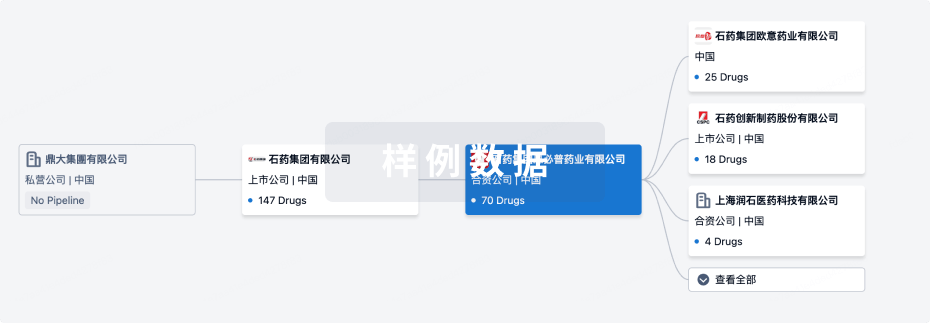
组织架构
使用我们的机构树数据加速您的研究。
登录
或
管线布局
2026年10月10日管线快照
管线布局中药物为当前组织机构及其子机构作为药物机构进行统计,早期临床1期并入临床1期,临床1/2期并入临床2期,临床2/3期并入临床3期
药物发现
8
18
临床前
其他
4
登录后查看更多信息
当前项目
登录后查看更多信息
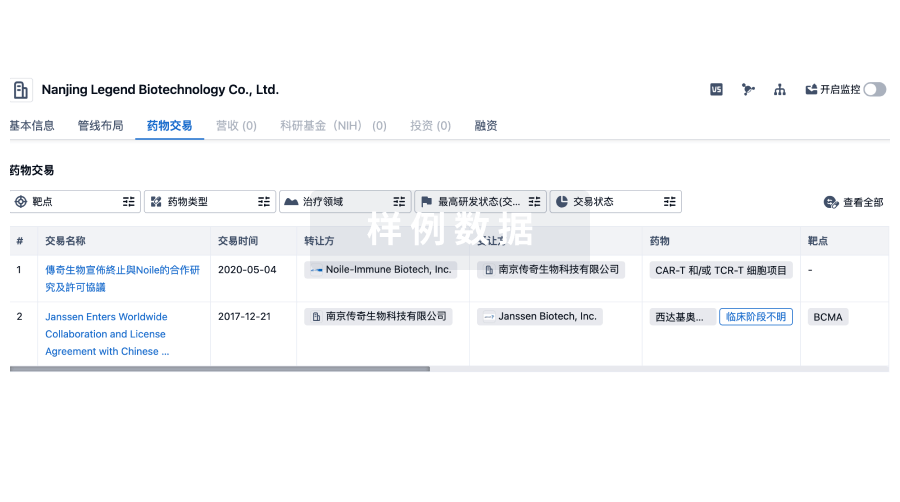
药物交易
使用我们的药物交易数据加速您的研究。
登录
或
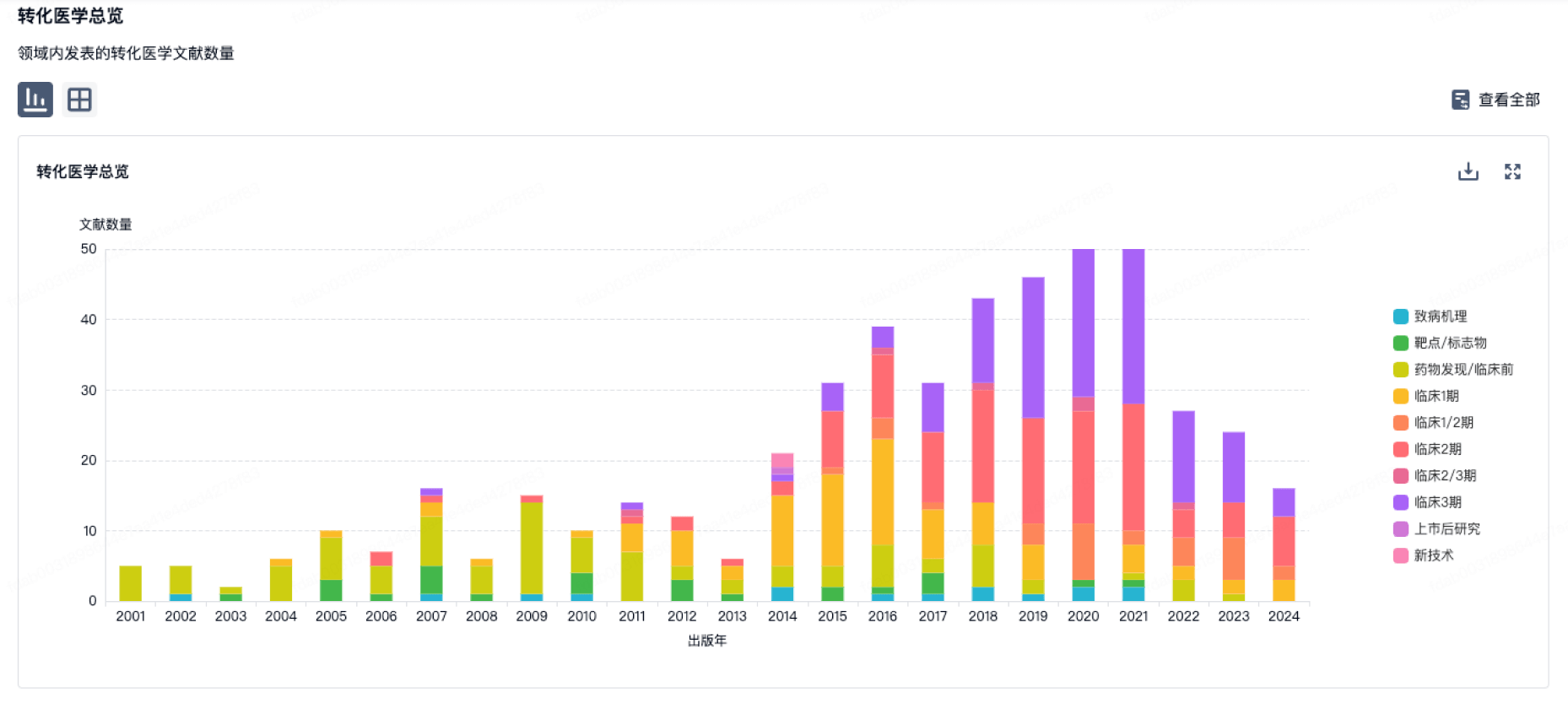
转化医学
使用我们的转化医学数据加速您的研究。
登录
或
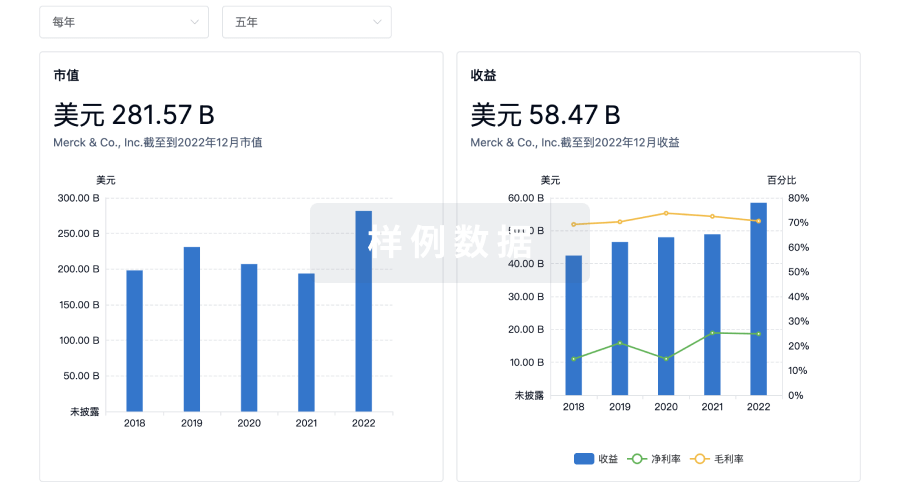
营收
使用 Synapse 探索超过 36 万个组织的财务状况。
登录
或
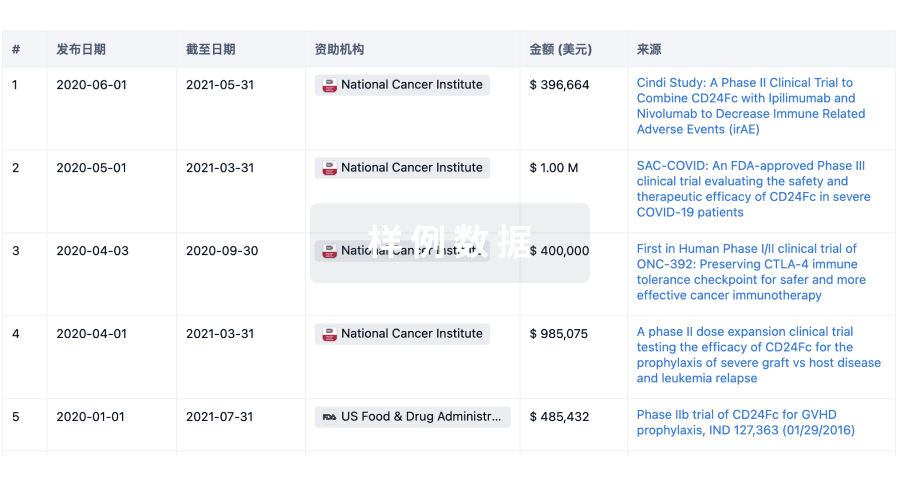
科研基金(NIH)
访问超过 200 万项资助和基金信息,以提升您的研究之旅。
登录
或
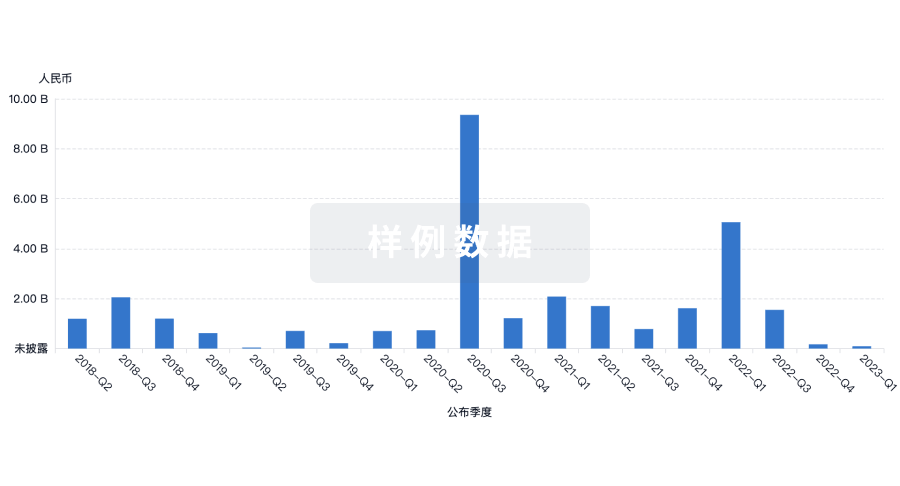
投资
深入了解从初创企业到成熟企业的最新公司投资动态。
登录
或
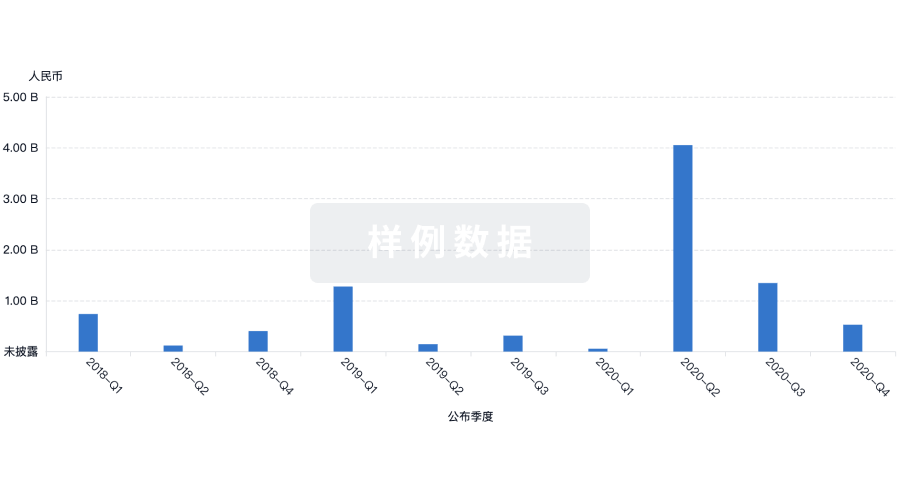
融资
发掘融资趋势以验证和推进您的投资机会。
登录
或
提出任何生物医药研究问题
让每一步生物医药决策都精准制胜
基于十亿级生物数据与全球情报的精准 AI,赋能早期药物发现
立即开始免费试用!
智慧芽新药情报库是智慧芽专为生命科学人士构建的基于AI的创新药情报平台,助您全方位提升您的研发与决策效率。
立即接入生物医药数据包
智慧芽新药库数据也通过智慧芽开放平台,以MCP或API服务形式对外开放。立即使用我们的MCP服务定制您的LLM智能体。
生物序列数据库
生物药研发创新
免费使用
化学结构数据库
小分子化药研发创新
免费使用