预约演示
更新于:2025-12-08

Université de Franche-Comté
更新于:2025-12-08
概览
标签
皮肤和肌肉骨骼疾病
小分子化药
疾病领域得分
一眼洞穿机构专注的疾病领域

暂无数据
技术平台
公司药物应用最多的技术
靶点
公司最常开发的靶点
关联
靶点 |
作用机制 |
在研机构 |
原研机构 |
在研适应症 |
非在研适应症 |
最高研发阶段 |
首次获批国家/地区 |
首次获批日期 |
NCT06440369
Effets d'un Programme d'Exercice aérobie Sur cycloergomètre Chez le Patient Atteint d'Insufisance Rénale Chronique ou Polyarthrite Rhumatoïde
NCT06255275
Impact of Perceptive, Executive and Emotional Factors on Decision-making in the Context of Pedestrian Crossing in an Industrial Environment Involving Traffic of Autonomous Vehicles (forklifts)
NCT04821635
Effects of Training on a Rower Assisted by Electrostimulation of Lower Limbs in Patients With Neurological Disorders (FES-ROW)
100 项与 Université de Franche-Comté 相关的临床结果
登录后查看更多信息
登录后查看更多信息
2026-02-01TOXICOLOGY
Ophthalmotoxicology of polyhalogenated compounds
Review
作者: Chiquet, Christophe ; Louzon, Maxime ; Blanc, Hugo ; Aleya, Lotfi ; Blanc, Adrien ; Kamel, Mohamed
Polyhalogenated compounds (PHCs), including polychlorinated biphenyls (PCBs), polybrominated diphenyl ethers (PBDEs), polychlorinated dibenzodioxins (PCDDs), polychlorinated dibenzofurans (PCDFs) and per- and polyfluoroalkyl substances (PFAS), are persistent organic pollutants that bioaccumulate in tissues and are increasingly recognized as threats to human health. While their neurotoxic and endocrine-disrupting effects are often described, their potential impact on the ocular system remains underexplored. However, recent evidence suggests that chronic PHC exposure may contribute to a spectrum of ocular pathologies, such as retinal degeneration, cataracts and retinoblastoma. To clarify these emerging risks, this review synthesizes findings at the intersection of toxicology, ophthalmology, and environmental health, highlighting mechanistic insights into how PHCs impair ocular function. Epidemiological studies linking environmental contaminant exposure to visual deficits are discussed alongside experimental data from animal models and in vitro systems, with a particular focus on oxidative stress, mitochondrial dysfunction, endocrine disruption, and altered retinoid signaling as plausible pathways mediating PHC-induced visual toxicity. Given the widespread nature of PHC exposure and the increasing global burden of visual impairment, further research and regulatory oversight are urgently needed to bridge the gap between environmental toxicology and ocular health, ultimately aiming to better understand and mitigate the visual risks posed by these persistent pollutants.
2026-01-01Anaesthesia Critical Care & Pain Medicine
Management of new-onset atrial fibrillation in critically ill patients: A national multicenter prospective cohort
Article
作者: Lasocki, Sigismond ; Mekontso Dessap, Armand ; Launey, Yoann ; Mulliez, Aurelien ; Grillet, Guillaume ; Constantin, Jean-Michel ; Vardon-Bounes, Fanny ; Futier, Emmanuel ; Ledochowski, Stanislas ; Muller, Laurent ; Godet, Thomas ; Kipnis, Eric ; Jabaudon, Matthieu ; Ochin, Evelina ; Bourenne, Jeremy ; Pardo, Emmanuel ; Besch, Guillaume ; Bruel, Cédric ; Auvet, Adrien ; Fiorillo, Maxence
BACKGROUND:
New-onset atrial fibrillation (NOAF) occurs in 10% of intensive care unit (ICU) stays and worsens clinical outcomes. Despite its significance, no specific guidelines exist for the general ICU population. Our study investigates potential therapeutic approaches to NOAF, focusing on the rhythmic and haemodynamic outcomes associated with dedicated strategies.
METHODS:
In our prospective multicentre cohort study, we included adult patients admitted to 33 ICUs in France, exhibiting at least one episode of NOAF. Exclusions included permanent and post-cardiac/thoracic surgery AF. Data on demographics, clinical history, haemodynamic monitoring, and treatment choice for NOAF episodes were prospectively recorded. Heart rate, blood pressure, and rhythm status were assessed immediately before, at +5, +30, +60 min, and +24 h after NOAF onset.
RESULTS:
Between May and December 2019, 453 ICU patients with 735 NOAF episodes were included. Therapeutic approaches included wait-and-see (n = 159 (22%)), IV fluid (n = 338 (46%)), magnesium (n = 299 (41%)), amiodarone (n = 295 (40%)), and beta blockers (n = 73 (10%)); alone or combined in 354 episodes (61%). Electric cardioversion, preferred for poor haemodynamic tolerance, was most effective for sinus rhythm conversion at +1 h (n = 17/30 (57%)). Heart rate and rhythm control were achieved at 87% (n = 588/674) and 80% (n = 259/654) at +24 h, with no significant difference between the strategies. On ICU discharge, 48 (13%) patients remained in AF; independent predictors included age, obesity, prior stroke, and hypercholesterolemia.
CONCLUSIONS:
Therapeutic approaches for NOAF in ICU patients were heterogeneous, with nearly a quarter managed by a wait-and-see approach. Most strategies achieved rhythm and rate control within 24 h. These findings highlight the frequent transient nature of NOAF episodes and support the need for individualized treatment decisions, particularly in unstable patients and those at risk for persistent AF. Trial registration ClinicalTrials.gov NCT03977883 (https://clinicaltrials.gov/study/NCT03977883?term=NCT03977883&rank=1).
2026-01-01JOINT BONE SPINE
Navigating clinical research challenges in spondyloarthritis: Insights from the French Spondyloarthritis Taskforce (FAST)
作者: Felten, Renaud ; Pham, Thao ; Goupille, Philippe ; Wendling, Daniel
100 项与 Université de Franche-Comté 相关的药物交易
登录后查看更多信息
100 项与 Université de Franche-Comté 相关的转化医学
登录后查看更多信息
组织架构
使用我们的机构树数据加速您的研究。
登录
或
管线布局
2026年10月11日管线快照
管线布局中药物为当前组织机构及其子机构作为药物机构进行统计,早期临床1期并入临床1期,临床1/2期并入临床2期,临床2/3期并入临床3期
临床前
1
1
其他
登录后查看更多信息
当前项目
登录后查看更多信息
药物交易
使用我们的药物交易数据加速您的研究。
登录
或
转化医学
使用我们的转化医学数据加速您的研究。
登录
或
营收
使用 Synapse 探索超过 36 万个组织的财务状况。
登录
或
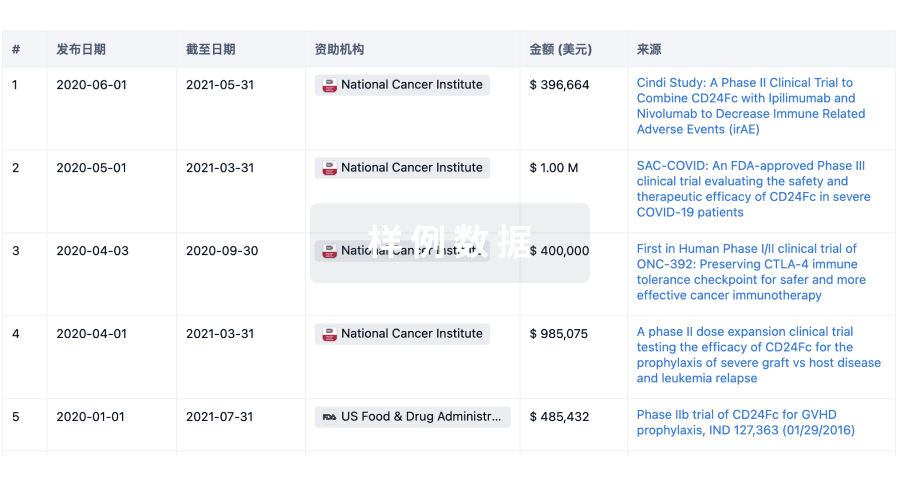
科研基金(NIH)
访问超过 200 万项资助和基金信息,以提升您的研究之旅。
登录
或
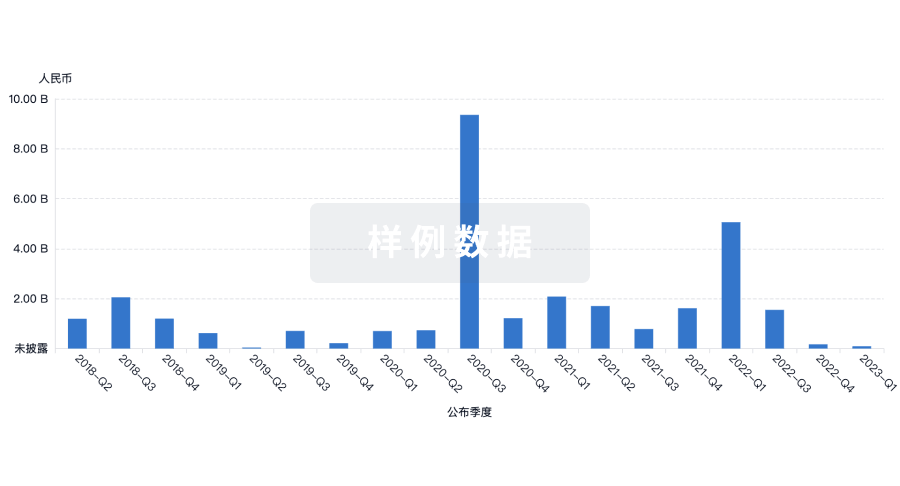
投资
深入了解从初创企业到成熟企业的最新公司投资动态。
登录
或
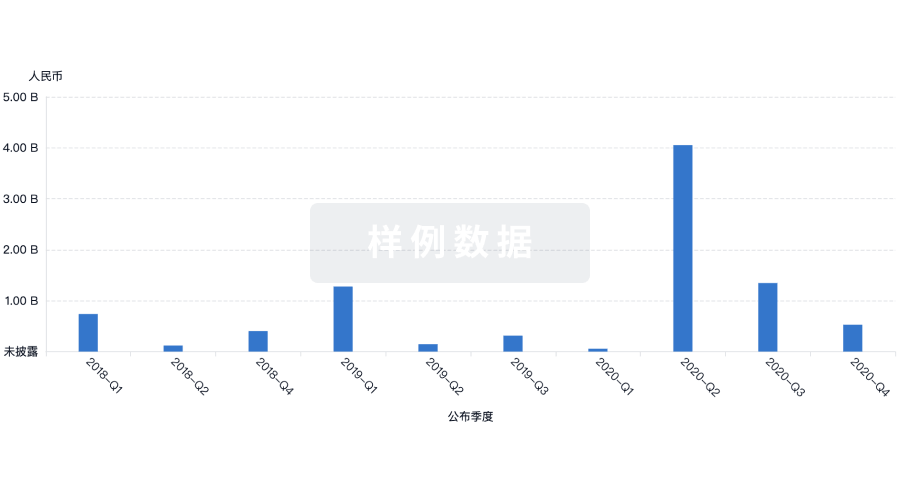
融资
发掘融资趋势以验证和推进您的投资机会。
登录
或
提出任何生物医药研究问题
让每一步生物医药决策都精准制胜
基于十亿级生物数据与全球情报的精准 AI,赋能早期药物发现
立即开始免费试用!
智慧芽新药情报库是智慧芽专为生命科学人士构建的基于AI的创新药情报平台,助您全方位提升您的研发与决策效率。
立即接入生物医药数据包
智慧芽新药库数据也通过智慧芽开放平台,以MCP或API服务形式对外开放。立即使用我们的MCP服务定制您的LLM智能体。
生物序列数据库
生物药研发创新
免费使用
化学结构数据库
小分子化药研发创新
免费使用