预约演示
更新于:2026-03-17

Hubrecht Institute
更新于:2026-03-17
概览
标签
心血管疾病
siRNA
疾病领域得分
一眼洞穿机构专注的疾病领域

暂无数据
技术平台
公司药物应用最多的技术
靶点
公司最常开发的靶点
关联
WO2025064905
专利挖掘靶点 |
作用机制 |
在研机构 |
原研机构 |
在研适应症 |
非在研适应症 |
最高研发阶段 |
首次获批国家/地区 |
首次获批日期 |


NCT02685046
Targeted Therapy With Imatinib for Treatment of Poor Prognosis Mesenchymal-type Resectable Colon Cancer: a Proof-of-concept Study in the Preoperative Window Period.

100 项与 Hubrecht Institute 相关的临床结果
登录后查看更多信息
登录后查看更多信息
2026-02-15Biology Open
Conference report: current advances in embryo model research at the International Dutch Embryo Model Meeting 2025
作者: Verhaaf, Fieke ; Strik, Jeske ; Fountas, Charis ; de Visser, Joelle ; Geuvers, Romy ; Bax, Danique
ABSTRACT:
The International Dutch Embryo Model Meeting took place at Radboud University in Nijmegen, the Netherlands, on March 27 and 28, 2025. This year's meeting, which was previously held twice as a Dutch event, served as a platform to discuss the progress made in studying embryonic development using in vitro embryo-like structures. Organised into sessions on pluripotency, blastoids, gastruloids, and gametes, the meeting featured presentations by invited (inter)national speakers. These talks were complemented by shorter presentations from academics and industry professionals, as well as poster presentations interspersed between sessions. The meeting included an interactive ethics session that explored the opportunities and risks of researching embryos and embryo-like structures. This Meeting Review aims to provide an overview of the first International Dutch Embryo Model Meeting by highlighting the topics discussed by leading experts in embryo modelling.
2026-01-15INTERNATIONAL JOURNAL OF CANCER
A hitchhiker's guide to single‐cell epigenomics: Methods and applications for cancer research
Review
作者: Kind, Jop ; Moreno‐Gonzalez, Marta ; Sierra, Isabel
Abstract:
Genetic mutations are well known to influence tumorigenesis, tumor progression, treatment response and relapse, but the role of epigenetic variation in cancer progression is still largely unexplored. The lack of epigenetic understanding in cancer evolution is in part due to the limited availability of methods to examine such a heterogeneous disease. However, in the last decade the development of several single‐cell methods to profile diverse chromatin features (chromatin accessibility, histone modifications, DNA methylation, etc.) has propelled the study of cancer epigenomics. In this review, we detail the current landscape of single‐omic and multi‐omic single‐cell methods with a particular focus on the examination of histone modifications. Furthermore, we provide recommendations on both the application of these methods to cancer research and how to perform initial computational analyses. Together, this review serves as a referential framework for incorporating single‐cell methods as an important tool for tumor biology.
2025-09-04SCIENCE
Epithelial tension controls intestinal cell extrusion
Article
作者: Clevers, Hans ; Spoelstra, Willem Kasper ; van Es, Johan ; Bannier-Hélaouët, Marie ; van Zon, Jeroen ; Gjorevski, Nikolche ; Lutolf, Matthias ; Tans, Sander J. ; Nikolaev, Mike ; Mastebroek, Dirk Jan ; Kok, Rutger N. U. ; Wu, Shanie ; Krueger, Daniel
Cell extrusion is essential for homeostatic self-renewal of the intestinal epithelium. Extrusion is thought to be triggered by crowding-induced compression of cells at the intestinal villus tip. In this study, we found instead that a local “tug-of-war” competition between contractile cells regulated extrusion in the intestinal epithelium. We combined quantitative live microscopy, optogenetic induction of tissue tension, genetic perturbation of myosin II activity, and local disruption of the basal cortex in mouse intestines and intestinal organoids. These approaches revealed that a dynamic actomyosin network generates tension throughout the intestinal villi, including the villus tip region. Mechanically weak cells unable to maintain this tension underwent extrusion. Thus, epithelial barrier integrity depends on intercellular mechanics.
100 项与 Hubrecht Institute 相关的药物交易
登录后查看更多信息
100 项与 Hubrecht Institute 相关的转化医学
登录后查看更多信息
组织架构
使用我们的机构树数据加速您的研究。
登录
或
管线布局
2026年05月29日管线快照
管线布局中药物为当前组织机构及其子机构作为药物机构进行统计,早期临床1期并入临床1期,临床1/2期并入临床2期,临床2/3期并入临床3期
药物发现
1
登录后查看更多信息
当前项目
登录后查看更多信息
药物交易
使用我们的药物交易数据加速您的研究。
登录
或
转化医学
使用我们的转化医学数据加速您的研究。
登录
或
营收
使用 Synapse 探索超过 36 万个组织的财务状况。
登录
或
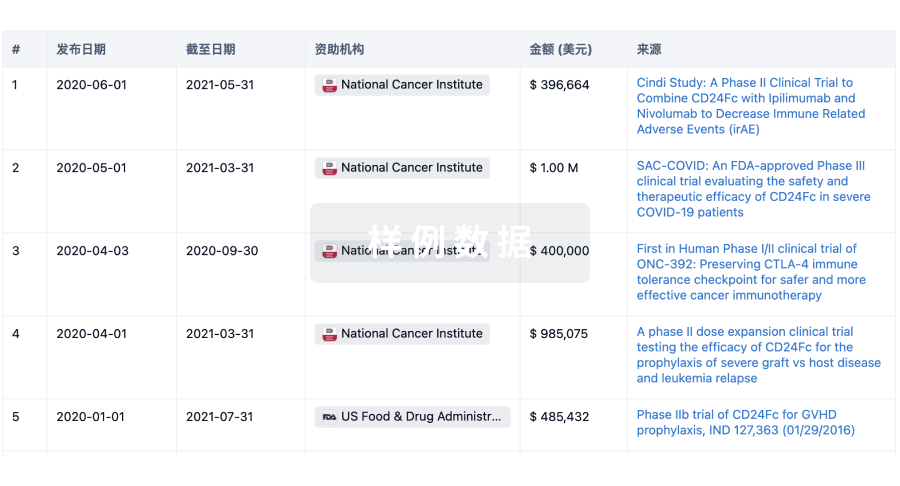
科研基金(NIH)
访问超过 200 万项资助和基金信息,以提升您的研究之旅。
登录
或
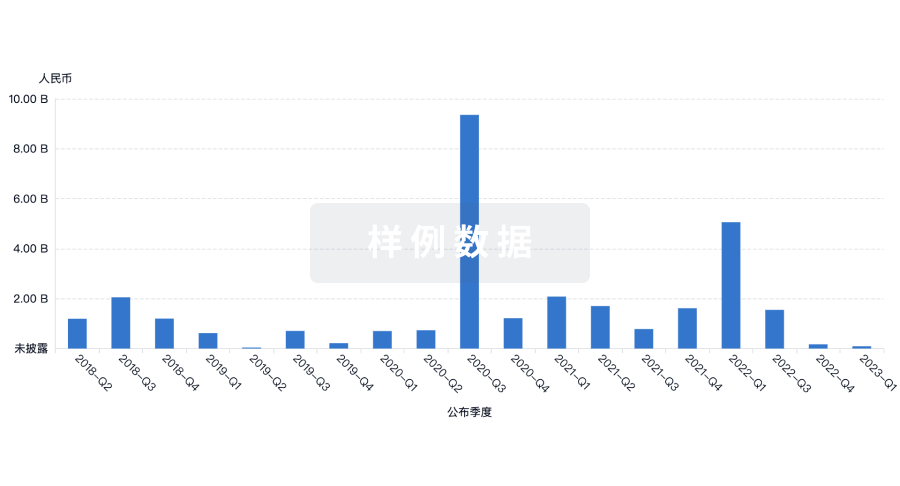
投资
深入了解从初创企业到成熟企业的最新公司投资动态。
登录
或
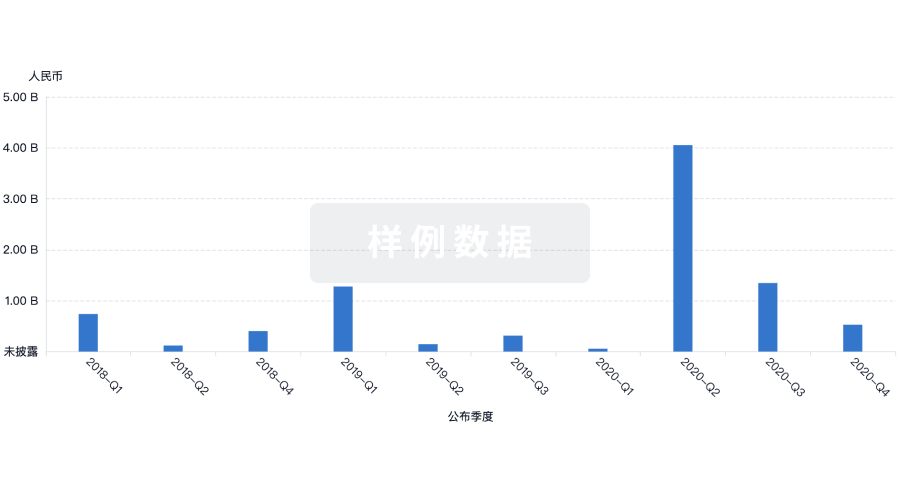
融资
发掘融资趋势以验证和推进您的投资机会。
登录
或
生物医药百科问答
全新生物医药AI Agent 覆盖科研全链路,让突破性发现快人一步
立即开始免费试用!
智慧芽新药情报库是智慧芽专为生命科学人士构建的基于AI的创新药情报平台,助您全方位提升您的研发与决策效率。
立即开始数据试用!
智慧芽新药库数据也通过智慧芽数据服务平台,以API或者数据包形式对外开放,助您更加充分利用智慧芽新药情报信息。
生物序列数据库
生物药研发创新
免费使用
化学结构数据库
小分子化药研发创新
免费使用