预约演示
更新于:2025-05-07
Universitat De Les Illes Balears
更新于:2025-05-07
概览
关联
3
项与 Universitat De Les Illes Balears 相关的临床试验NCT06671691
Phase I Dose-Escalation Clinical Trial of Definitive Single Dose Stereotactic Body Radiotherapy in Patients with Low-risk Hormone Receptor-positive and Her2-negative Breast Cancer Not Suitable or Who Refuse Surgery: DESERT I Trial
Radiotherapy (RT) is a fundamental pillar in the fight against cancer. In the case of breast cancer, RT has traditionally been applied as an adjuvant treatment following surgery. However, in recent years, there has been research into the potential benefit of administering RT prior to surgery in a neoadjuvant manner. Given that these studies have shown promising results, it is logical to think that certain patients could benefit from exclusive RT treatment, thereby avoiding surgery and its possible sequelae. This study is a phase I dose-escalation clinical trial with sequential assignment, open-label, in which five different doses (20Gy, 23Gy, 26Gy, 28Gy, and 30Gy) will be tested on the tumor using stereotactic body radiotherapy (SBRT) technique.
The aim of the study is to determine the maximum tolerated dose (MTD) based on acute toxicity, which will allow us to proceed with a phase II clinical trial to confirm efficacy and assess the late toxicity of the treatment. Secondary objectives include assessing the pathological response via core needle biopsy (CNB), radiological response, quality of life, and cosmesis. Additionally, molecular studies will be conducted on tissue and through liquid biopsy; pre- and post-treatment, we aim to identify mutations and predictors of response.
The aim of the study is to determine the maximum tolerated dose (MTD) based on acute toxicity, which will allow us to proceed with a phase II clinical trial to confirm efficacy and assess the late toxicity of the treatment. Secondary objectives include assessing the pathological response via core needle biopsy (CNB), radiological response, quality of life, and cosmesis. Additionally, molecular studies will be conducted on tissue and through liquid biopsy; pre- and post-treatment, we aim to identify mutations and predictors of response.
开始日期2024-09-27 |
NCT04012476
Determination of Parathyroid Function by Fluorescence With Indocyanine Green (ICG) After Total Thyroidectomy
The intensity of parathyroid fluorescence that occurs after intravenous injection of indocyanine green during the performance of a total thyroidectomy correlates with postoperative parathyroid function and could be used as a diagnostic marker of postoperative hypoparathyroidism and hypocalcemia.
开始日期2016-11-01 |
ISRCTN76069254
To evaluate the effectiveness of a brief multifactorial intervention designed to improve the adherence to physical exercise prescription of moderate to high cardiovascular risk patients
开始日期2015-01-01 |
100 项与 Universitat De Les Illes Balears 相关的临床结果
登录后查看更多信息
0 项与 Universitat De Les Illes Balears 相关的专利(医药)
登录后查看更多信息
3,157
项与 Universitat De Les Illes Balears 相关的文献(医药)2025-08-01·Spectrochimica Acta Part A: Molecular and Biomolecular Spectroscopy
Advancing green and white assessment: DFT-assisted spectrofluorimetry for accurate favipiravir quantification in human plasma
Article
作者: Frontera, Antonio ; Obaydo, Reem H ; Ali, Marwa F B ; Hosny, Noha M
2025-08-01·Separation and Purification Technology
MIL-100(Fe)@PES composite polymer beads for adsorption and preconcentration of pharmaceuticals in water samples
作者: Palomino Cabello, C. ; Turnes Palomino, G. ; Castro-Garcia, C. ; del Rio, M.
2025-06-01·Medicina Clínica
Effects of six months treatment with liraglutide among patients with psoriasis and obesity, beyond metabolic control?
Article
作者: Nadal, Cristina ; Tamayo, María Isabel ; Nadal, Antoni ; Pujol, Antelm ; Masmiquel, Lluís ; Sanchís, Pilar ; Nicolau, Joana
1
项与 Universitat De Les Illes Balears 相关的新闻(医药)2016-12-12
Palma de Mallorca (Spain), December 12th 2016 –
The postdoctoral researcher Catalina Ana Rosselló Castillo has been awarded a Felip Bauçà fellowship at the CAIB (Comunitat Autònoma de les Illes Balears) Postdoctoral call from the 17th of June of 2016 to carry out the project “Desarrollo del nuevo fármaco antitumoral LP226: mecanismo molecular subyacente a su efecto antitumoral y antimetastático” at Laminar Pharma Therapeutics SL.
Felip Bauçà is a highly competitive programme that awards 2-year fellowships for investigators with postdoctoral experience outside the Comunitat Autònoma de les Illes Balears. Dra. Rosselló obtained the only position opened in 2016 that was awarded on the 29th of November 2016.
Catalina Ana Rosselló has an outstanding CV. She graduated in Biology as well as Biochemistry at the Universitat de les Illes Balears (UIB). She did her PhD at the Universidad Autónoma de Madrid, studying the role of Meis1 in hematopoietic stem cells, obtaining the best marks, and she has worked as a postdoctoral fellow for over 3 years at Lunds Universitet (Sweden) specialising in deregulation of cell cycle in cancer. In 2014, she was the first and only to date to be awarded a Marie Curie Intra-European Fellow from the 7th Framework Programme of the European Commission to join the Universitat de les Illes Balears as experienced researcher. She is an expert in the use of vertebrate laboratory animal models, histological techniques, genome-wide analysis techniques and cell culture.
We, at Laminar Pharma Therapeutics SL, are very pleased to welcome Dr Rosselló on board of our team and wish her a big success.
高管变更
100 项与 Universitat De Les Illes Balears 相关的药物交易
登录后查看更多信息
100 项与 Universitat De Les Illes Balears 相关的转化医学
登录后查看更多信息
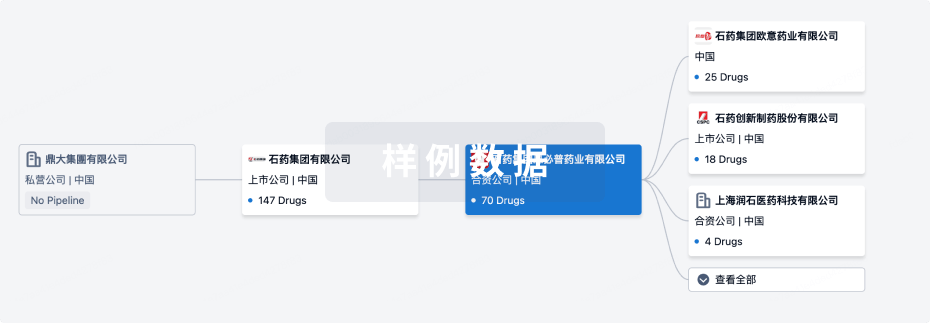
组织架构
使用我们的机构树数据加速您的研究。
登录
或
管线布局
2026年02月08日管线快照
无数据报导
登录后保持更新
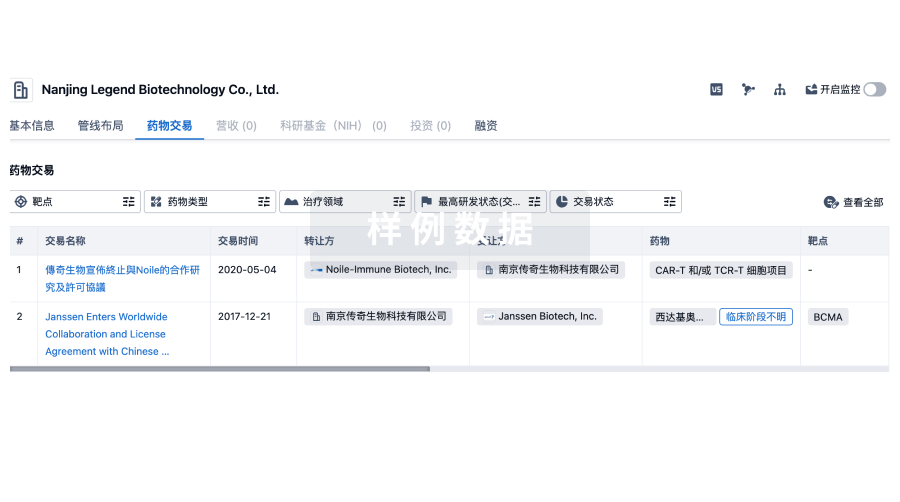
药物交易
使用我们的药物交易数据加速您的研究。
登录
或
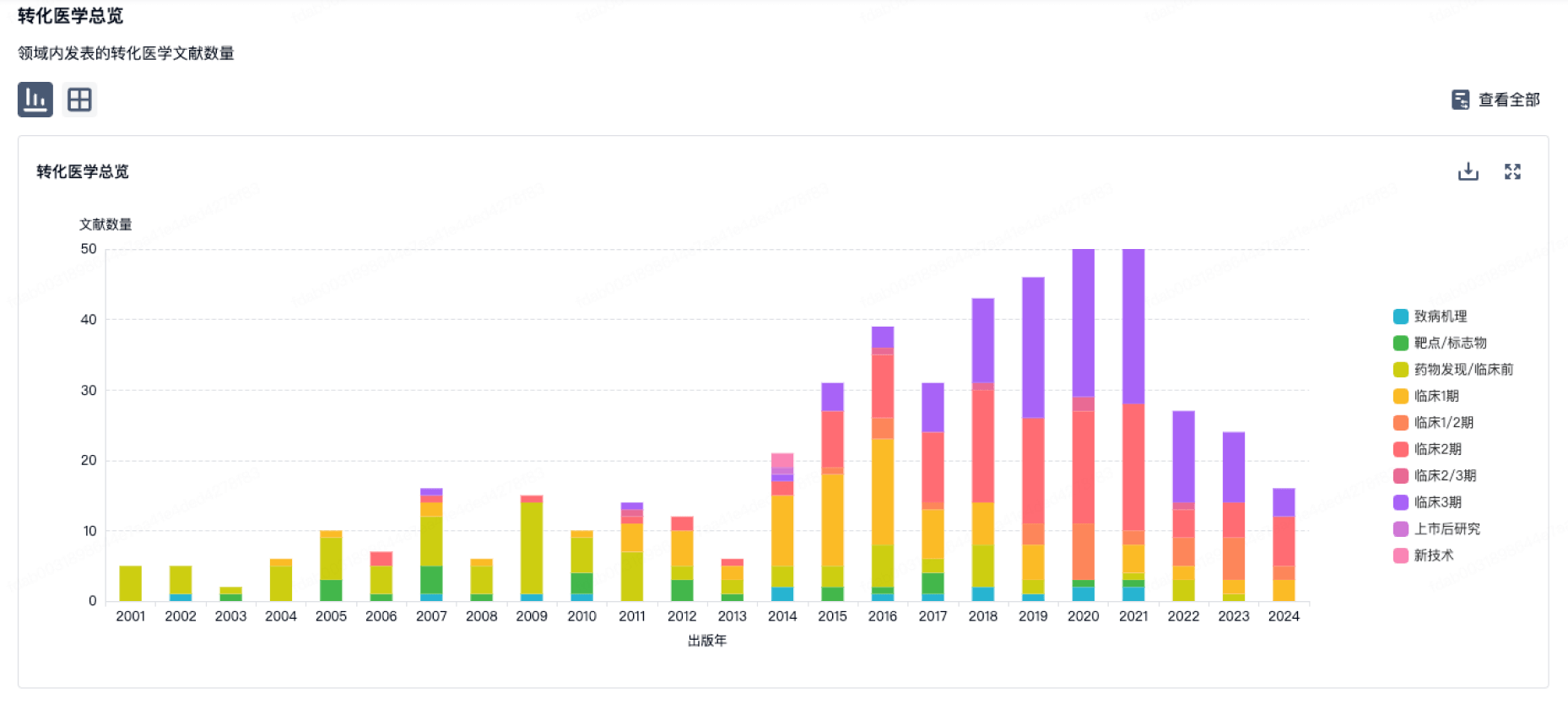
转化医学
使用我们的转化医学数据加速您的研究。
登录
或
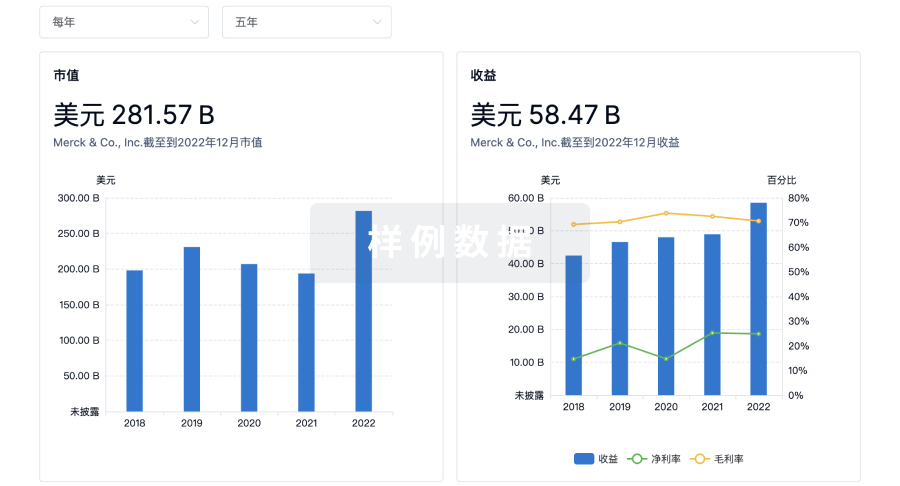
营收
使用 Synapse 探索超过 36 万个组织的财务状况。
登录
或
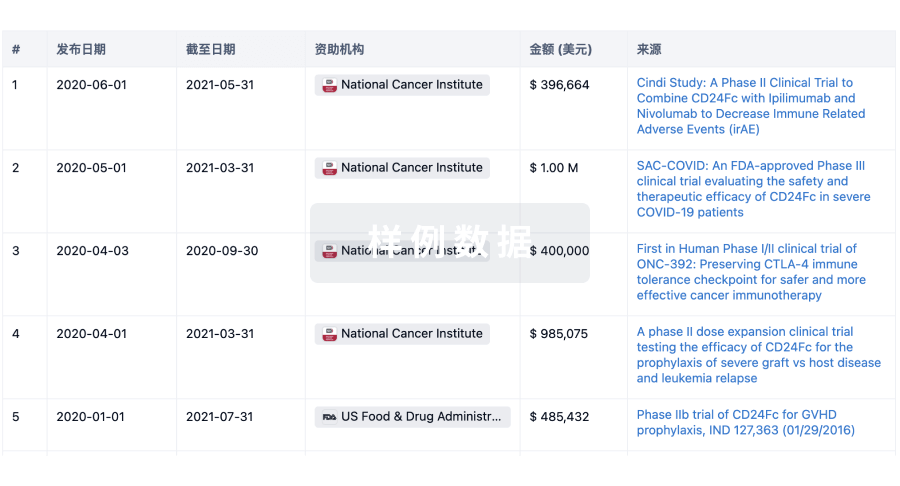
科研基金(NIH)
访问超过 200 万项资助和基金信息,以提升您的研究之旅。
登录
或
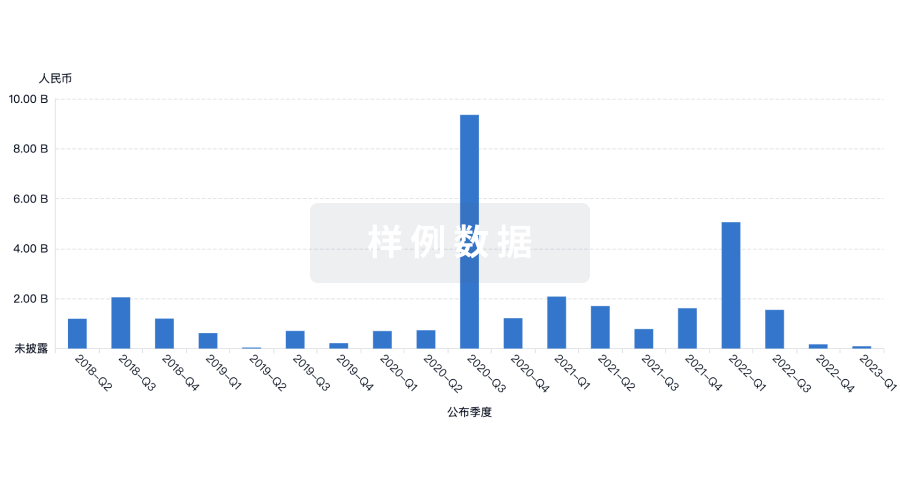
投资
深入了解从初创企业到成熟企业的最新公司投资动态。
登录
或
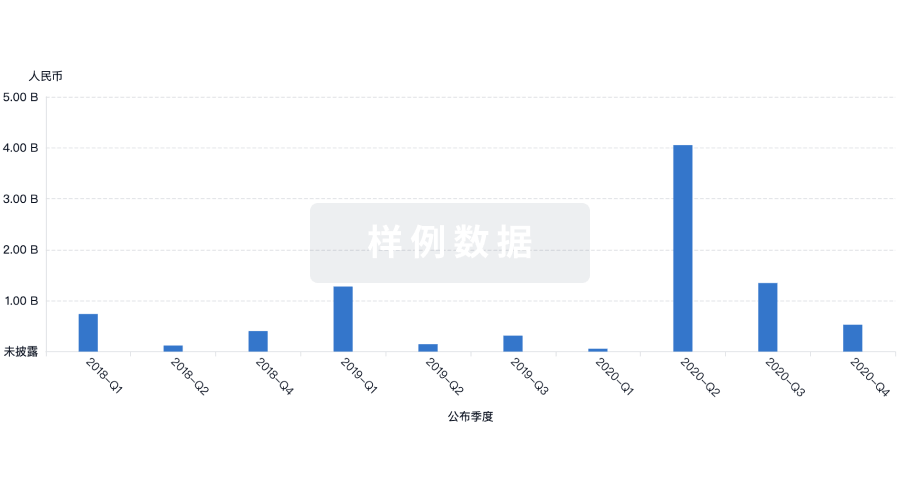
融资
发掘融资趋势以验证和推进您的投资机会。
登录
或
生物医药百科问答
全新生物医药AI Agent 覆盖科研全链路,让突破性发现快人一步
立即开始免费试用!
智慧芽新药情报库是智慧芽专为生命科学人士构建的基于AI的创新药情报平台,助您全方位提升您的研发与决策效率。
立即开始数据试用!
智慧芽新药库数据也通过智慧芽数据服务平台,以API或者数据包形式对外开放,助您更加充分利用智慧芽新药情报信息。
生物序列数据库
生物药研发创新
免费使用
化学结构数据库
小分子化药研发创新
免费使用