预约演示
更新于:2026-07-27

Department of Biochemistry
更新于:2026-07-27
概览
关联
CTRI/2025/12/099861
Association of Ghrelin gene (Ghrl) polymorphism with cognitive status in type 2 diabetes mellitus. - NIL

CTRI/2025/11/098077
Association of serum advanced glycation end product levels and sRAGE with biological ageing in patients of Type-2 diabetes mellitus - NIL
CTRI/2025/11/097065
Feasibility Safety and Early Functional Outcomes of Intra operative Bone Marrow Derived Stem Cell (BMSC) Application Versus Conventional Repair Alone in Nerve Transfer Surgery for Traumatic Brachial Plexus Injury A Randomised Double Blind Pilot Trial - nil
100 项与 Department of Biochemistry 相关的临床结果
登录后查看更多信息
登录后查看更多信息
2026-07-03JOURNAL OF PROTEOME RESEARCH
Decreased Nonpolar Amino Acids in Cerebrospinal Fluid of Alzheimer’s Disease Patients Revealed by Very High-Field NMR Spectroscopy
Article
作者: Martinez, Agathe ; Oudart, Jean-Baptiste ; Wuyart, Alexis ; Mahmoudi, Rachid ; Millot, Jean-Marc
Alzheimer's disease (AD) is characterized by metabolic dysfunctions, making cerebrospinal fluid (CSF) an ideal biological matrix for characterizing brain metabolism. Very high-field 900 MHz nuclear magnetic resonance (NMR) spectroscopy was used to profile CSF metabolites from 47 patients (n = 27 AD, n = 20 non-AD). A total of forty-eight metabolites were identified and quantified. CSF concentrations of four nonpolar amino acids were reduced in AD: l-alanine (p = 0.001), l-valine (p = 0.02), l-leucine (p = 0.04), and l-phenylalanine (p = 0.04) (two-way ANOVA, pathology and sex as factors). No significant differences were observed for the other identified metabolites. A nonpolar amino acid factor (NAAF) was computed as the sum of these four metabolites (p < 0.001). Partial least-squares discriminant analysis (PLS-DA) based on the NAAF yielded moderate group separation (accuracy = 72%, Q2 = 0.22, p = 0.006). Receiver operating characteristic (ROC) analysis demonstrated that the NAAF achieved the highest discriminatory performance over individual nonpolar amino acids (AUC = 0.83). l-Alanine correlated negatively with CSF tau markers (p-tau: r = -0.40, p = 0.005; t-tau: r = -0.42, p = 0.003); the NAAF displayed similar patterns (p-tau: r = -0.38, p = 0.009; t-tau: r = -0.40, p = 0.006). Very high-field NMR spectroscopy revealed a depletion of nonpolar amino acids in AD CSF, reflecting metabolic dysregulation in this neurodegenerative disease.
2026-06-02PROCEEDINGS OF THE NATIONAL ACADEMY OF SCIENCES OF THE UNITED STATES OF AMERICA
Transition-state analysis of the arginine-specific human ADP-ribosyltransferase 1
Article
作者: Schramm, Vern L. ; Garforth, Scott J. ; Lopacinski, Amanda ; Groom, Daniel P. ; Aguilan, Jennifer T.
The ADP-ribosylation of proteins is a versatile, reversible, posttranslational modification involved in the dynamic regulation of numerous cellular processes. Human ADP-ribosyltransferase 1 (
hs
ART1, EC: 2.4.2.31) is a membrane-associated, GPI-anchored, mono-ADP-ribosyltransferase selective for mono-ADP ribosylation (MARylation) of L-arginine residues. Dysregulation of
hs
ART1 activity has been shown to permit immune cell evasion in non–small cell lung cancer (NSCLC) through elevated MARylation at Arg125 of the purinergic type 2 receptor (P2X7) in P2X7-positive T cells, resulting in NAD
+
-induced cell death (NICD) of tumor-penetrating immune cells. With
hs
ART1 emerging as an immunotherapy target in select cancers, there is a need to develop small-molecule inhibitors. The transition state (TS) for the MARylation of P2X7 peptide was determined from kinetic isotope effect (KIE) measurements of
3
H-,
14
C-,
18
O-, and
15
N-labeled NAD
+
substrates. Quantum mechanical (QM) calculations of the reaction coordinate, mapped with experimental KIEs, identify a TS geometry consistent with a highly dissociative, asymmetric, concerted mechanism with minimal contributions from the leaving group nicotinamide (NAM) and minor contributions from the incoming L-arginine guanidinium. The absence of a normal deuterium solvent isotope effect identifies a positively charged guanidinium nucleophile, leading to a dication N-ribosyltransferase mechanism. Together with the unusual, normal
18
O–O4
′
KIE, we identified unique charge accumulation across the oxocarbenium at the TS caused by an increased bond order between the C1
′
–C2
′
, and decreased bond order between the C4
′
–O4
′
of the nicotinamide mononucleotide ribose. This is the first L-arginine-specific ADP-ribosylation TS to be characterized, a step toward the design of TS analogs.
2026-05-15ACS Chemical Biology
Enzymatic Bromination of Native Peptides for Late-Stage Structural Diversification via Suzuki–Miyaura Coupling
Article
作者: Radziej, Chase L. ; Bridge, Haley N. ; Weeks, Amy M.
Flavin-dependent halogenases (FDHs) provide a biocatalytic approach for the site-selective halogenation of aromatic compounds, but their use in late-stage functionalization of peptides has remained limited. Here, we show that tryptophan (Trp) 7-halogenase RebH and an engineered variant (4V) originally optimized for larger small-molecule scaffolds can brominate peptidyl-Trp residues across a broad range of sequences and positional contexts. Through extensive analysis of diverse substrate sequences, we define features that enable RebH activity and reveal 4V's expanded sequence tolerance. We applied 4V for enzymatic bromination of diverse bioactive peptide scaffolds, including an antimicrobial peptide, a cell-penetrating peptide, and a G protein-coupled receptor agonist, without the need for sequence modification. These brominated peptides served as substrates for Suzuki-Miyaura coupling, enabling the installation of modifications that conferred new functional properties or tuned the biological activity of these peptides. Our results expand the substrate landscape of FDHs and establish bromination-enabled cross-coupling as a general approach for late-stage diversification of bioactive peptides.
100 项与 Department of Biochemistry 相关的药物交易
登录后查看更多信息
100 项与 Department of Biochemistry 相关的转化医学
登录后查看更多信息
组织架构
使用我们的机构树数据加速您的研究。
登录
或
管线布局
2026年10月22日管线快照
无数据报导
登录后保持更新
药物交易
使用我们的药物交易数据加速您的研究。
登录
或
转化医学
使用我们的转化医学数据加速您的研究。
登录
或
营收
使用 Synapse 探索超过 36 万个组织的财务状况。
登录
或
科研基金(NIH)
访问超过 200 万项资助和基金信息,以提升您的研究之旅。
登录
或
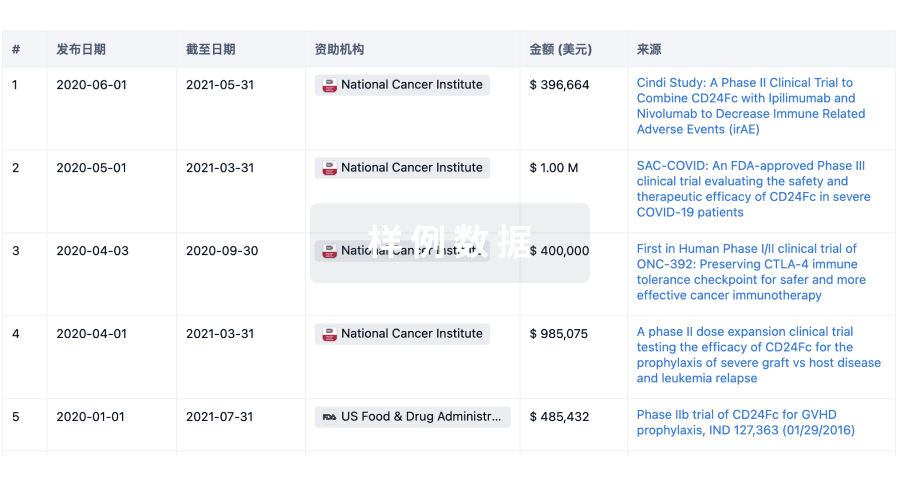
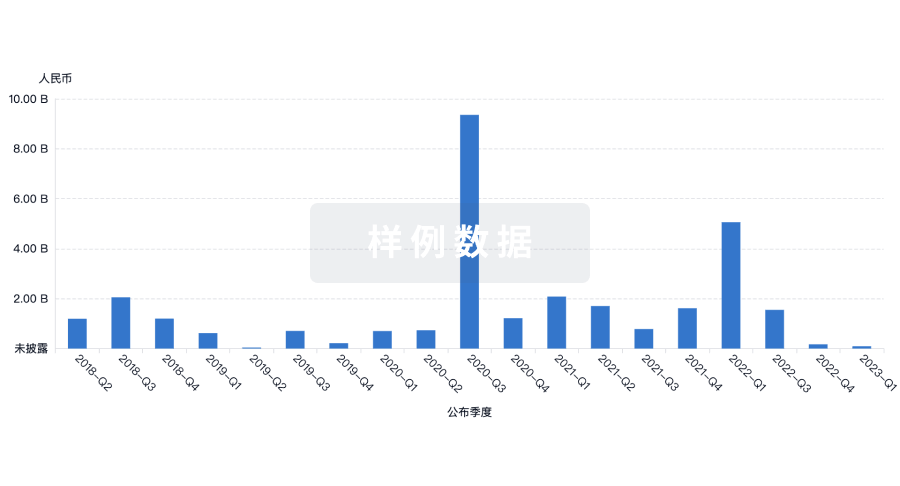
投资
深入了解从初创企业到成熟企业的最新公司投资动态。
登录
或
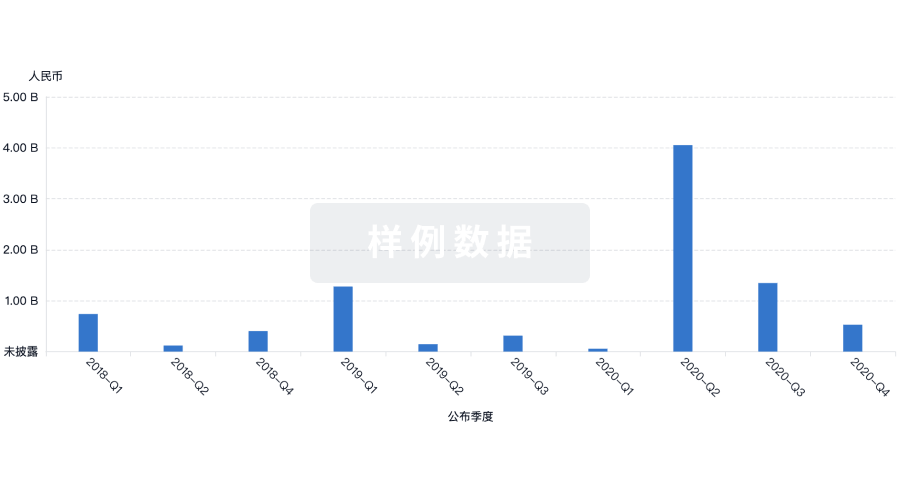
融资
发掘融资趋势以验证和推进您的投资机会。
登录
或
提出任何生物医药研究问题
让每一步生物医药决策都精准制胜
基于十亿级生物数据与全球情报的精准 AI,赋能早期药物发现
立即开始免费试用!
智慧芽新药情报库是智慧芽专为生命科学人士构建的基于AI的创新药情报平台,助您全方位提升您的研发与决策效率。
立即接入生物医药数据包
智慧芽新药库数据也通过智慧芽开放平台,以MCP或API服务形式对外开放。立即使用我们的MCP服务定制您的LLM智能体。
生物序列数据库
生物药研发创新
免费使用
化学结构数据库
小分子化药研发创新
免费使用