预约演示
更新于:2026-05-16

Chengde Medical University
更新于:2026-05-16
概览
标签
肿瘤
消化系统疾病
小分子化药
疾病领域得分
一眼洞穿机构专注的疾病领域

暂无数据
技术平台
公司药物应用最多的技术
暂无数据
靶点
公司最常开发的靶点
暂无数据
| 排名前五的药物类型 | 数量 |
|---|---|
| 小分子化药 | 3 |
| 排名前五的靶点 | 数量 |
|---|---|
| HSP90(Heat shock 90kDa proteins) | 1 |
关联
3
项与 承德医学院 相关的药物
1
项与 承德医学院 相关的临床试验NCT05610917
Construction and Evaluation of Risk Early Warning Mechanism of Physical Cognitive Decline Syndrome and Community-based Rehabilitation Management Program for Patients With Remitted Geriatric Depression
This study intends to take patients with RGD as objects. Further construct a community-based rehabilitation management (CBRM) program with drug treatment, rehabilitation measures of education, psychology and exercise as its core content on the basis of evidence-based practice approach. Based on the cost-utility analysis of health economics, the health and economic benefits of the CBRM program will be evaluated, and a theoretical reference will be provided for community health institutions to carry out whole-course rehabilitation management practice and health policy formulation.
开始日期2023-01-01 |
申办/合作机构 |
100 项与 承德医学院 相关的临床结果
登录后查看更多信息
0 项与 承德医学院 相关的专利(医药)
登录后查看更多信息
493
项与 承德医学院 相关的文献(医药)2026-12-31·JOURNAL OF ENZYME INHIBITION AND MEDICINAL CHEMISTRY
Application of 18
β
-glycyrrhetinic acid Fluorescent probes in cell imaging
Article
作者: Wang, Youde ; Zhao, Yifan ; Yan, Zhiwei ; Miao, Guangxin ; Li, Shuai ; Song, Chengjun ; Guo, Yachun ; Sun, Hongxia ; Zhang, Liying ; Wang, Tienan
Fluorescently labelled small molecule probes (fluorescent probes) play an important role in cell imaging and are often used in combination with light-affinity probes to determine the subcellular localisation of target proteins. To investigate the target proteins of 18β-glycyrrhetinic acid (18β-GA), which regulates the macrophage inflammatory response, we designed and synthesised three types of fluorescent probes. We analysed its structure-activity relationship by evaluating the biological activity and screening for fluorescent probes with high activity. Our results showed that modifying C-3 hydroxyl and C-30 carboxyl groups enhanced the anti-inflammatory activity of 18β-GA, and found that two preferred probes had similar effects on LPS-induced, inflammation-related factor release (IL-1β, TNF-α, IL-6, HDAC8, P-STAT3, and SOCS3) to those of 18β-GA. Fluorescence signals of the preferred probes Ia and IIc were observed in the cytoplasm. The above results indicated that the anti-inflammatory site of 18β-GA may be located in proteins in the cytoplasm, which would provide useful information for research on the anti-inflammatory targets of 18β-GA.
2026-07-01·NEURAL NETWORKS
Learnable dendrite neural P systems and applications in survival prediction of glioblastoma patients
Article
作者: Li, Dengwang ; Liu, Xiyu ; Gong, Guanzhong ; Song, Bosheng ; Yin, Xiu ; Chang, Shulei ; Xue, Jie ; Yin, Jiaxing
Current neural-like P systems use "point neurons" as the computing entities, and the computations in these neurons are simplified, ignoring the fact that, in organisms, subcellular compartments (such as neuronal dendrites) can also perform operations as independent computing units in addition to computing at the individual neuron level. The nervous system has a strong ability for optimization learning. Therefore, we propose learnable dendrite neural P (LDNP) systems with new plasticity rules, in which the dendrite structure and learning function can be adaptively changed when solving different application problems. Specifically, the dendrites of neurons are designed as dendritic trees composed of multiple dendritic branches, each of which serves as an independent computing unit. The multilevel complex topological structure of dendrites provides powerful computing capabilities for neurons. A model for predicting the overall survival of glioblastoma (GBM) patients was developed based on LDNP systems and validated on the GBM cohort from the Cancer Genome Atlas. Compared with thirteen state-of-the-art methods, the LDNP system achieves the best performance.
2026-04-01·PSYCHONEUROENDOCRINOLOGY
C-reactive protein predicts aggression in adolescent depression: Non-suicidal self-injury moderation and immunomodulatory shift
Article
作者: Zhang, Guofeng ; Cha, Ming ; Yu, Xin ; Hu, Lingming ; Hu, Xinyuan ; Chen, Xiangyu ; Huang, Hailiang ; Liu, Ningning ; Han, Xiaoyuan
Major depressive disorder (MDD) in adolescents is frequently accompanied by aggression and non-suicidal self-injury (NSSI), yet reliable biomarkers for predicting these behavioral risks remain limited. This study employed a combined cross-sectional and longitudinal design to investigate the role of peripheral inflammatory markers in aggression among 214 adolescent inpatients with MDD and 60 healthy controls. We found that C-reactive protein (CRP) emerged as notable independent predictor of aggressive behavior, showing a high area under the curve (AUC=0.91) in this sample, suggesting its potential discriminatory performance that warrants further validation. Notably, NSSI significantly moderated the CRP-aggression link, with a stronger association observed in patients without NSSI. Furthermore, sex-specific IL-6 elevations were identified in female NSSI⁺ patients. Longitudinal analyses revealed a dynamic "immunomodulatory shift," where systemic immune-inflammation index (SII) and lymphocyte-to-monocyte ratio (LMR) transitioned from positive to negative predictors of aggression over time. These preliminary findings highlight the potential of CRP as a clinically accessible indicator for aggression risk and underscore the temporal complexity of immune-behavior interactions in adolescent depression. These preliminary findings remain to be verified through independent cohorts in future studies.
7
项与 承德医学院 相关的新闻(医药)2026-04-14
冀科金〔2026〕4号
河北省科学技术厅
关于印发2026年度河北省基础研究计划
自然科学基金专项项目(第二批)申报指南的通知
各有关单位:
省科技厅研究编制了2026年度河北省基础研究计划自然科学基金专项项目(第二批)申报指南(电子版请在省科技厅网站kjt.hebei.gov.cn下载),现印发给你们。请按照要求,结合工作实际,认真组织推荐项目。申报及推荐审核项目须通过“河北省科学技术厅网站”—“科技管理”—“科技计划”—“河北省科技计划项目综合服务平台”在线操作。申报项目前,请务必认真阅读申报流程。申报项目采用“无纸化”方式,只需在线提交、审核电子申报书及其附件材料,无需在申报阶段报送纸质材料。
申报人网络申报受理时间:2026年4月15日至5月7日17:00
申报单位审核截止时间:2026年5月11日17:00
依托单位审核截止时间:2026年5月13日17:00
业务咨询电话:河北省自然科学基金委员会办公室0311-66505379 85821343 85810058 85817132
项目综合服务平台技术支持:0311-66568698 82620020
监督电话:0311-86252318
附件:1.精准医学创新发展联合基金项目申报指南.doc
2.中医药创新发展联合基金项目申报指南.doc
3.气象创新发展联合基金项目申报指南.doc
河北省科学技术厅
2026年4月14日
附件1
精准医学创新发展联合基金项目申报指南
精准医学创新发展联合基金是由省科技厅、省自然科学基金委和河北医科大学、河北北方学院、承德医学院、河北大学附属医院、河北省人民医院、河北工程大学附属医院、河北省儿童医院、上海联影医疗科技股份有限公司共同设立,围绕我省人民生命健康领域的重大需求,以预防治疗疾病及优化临床实践为目标,针对医学健康领域的理论与技术难题,聚焦疾病发病机制、诊疗和预后的关键科学问题,鼓励开展基础与临床、医工融合、中西医结合等多学科合作和交叉研究;鼓励靶向药物、诊疗与预防、法医学精准鉴识等新技术研发,为构建我省精准医疗模式,实现“健康河北”奠定基础。包括“培育项目”和“重点项目”两类项目。
一、培育项目(指南代码:1010401)
资助金额每项10万元,项目执行期不超过3年。
(一)绩效目标
项目至少应产出1篇具有较高学术质量的论文(以标注项目编号为准);项目成果形式以论文、专著、专利、人才培养、成果转化、国家项目获取、国际交流、科技报告等为主。
(二)内容要求
1.选题要求:从医学实践中凝练科学问题,围绕医学痛点与难点科学问题开展基础研究和应用基础研究。鼓励基础与临床、医工融合等多学科合作和交叉的系统化研究,应注重“临床假设—基础研究—临床验证”相结合,避免无创新性而盲目追求新技术和热点问题的简单观察性、描述性项目申报。
2.研究内容要求:利用多学科、多层面、多尺度的新技术、新方法、新范式,从分子、细胞、组织、器官、整体及群体等不同层面,针对疾病的发生、发展与转归机制开展深入、系统的研究,并开展相关临床验证。
(三)申报条件及限项规定
1.项目负责人近5年(2021年1月1日至今)以第一作者或通讯作者身份发表至少3篇与所申报项目研究方向一致的中文核心期刊论文,或1篇被SCI、EI收录的期刊代表作论文,或获得授权发明专利1项。
2.如项目申报人(第一名)不满足申报要求,但是其确实在本研究领域做出了公认的突出贡献,且具备独立开展基础研究的能力,由两名同行专家(高级职称)和所在依托单位(承担单位)出具推荐函亦可申报。
3.申报人在研项目与本年度申报项目总数不得超过2项,其中作为项目负责人(第一名)最多申报1项。在研项目负责人(第一名),可作为参与人(非第一名)申报本年度项目1项。在研项目参与人(非第一名),可作为项目负责人或参与人申报本年度项目1项。2025年12月执行期到期项目负责人和参与人不计入在研项目总数。
4.累计获得过3次及以上省自然科学基金项目资助的负责人,还须上传获得的《国家自然科学基金资助项目批准通知》或国家自然科学基金资助项目计划书首页。鼓励其在获得国家自然科学基金项目资助后再次申报该类项目。
5.正在承担河北省自然科学基金创新研究群体项目的负责人和研究骨干不得申报和参与该类项目。
6.申报本年度中央引导地方科技发展资金基础研究项目的负责人,不得申报该类项目。
二、重点项目(指南代码:1010402)
资助金额每项50万元,项目执行期不超过3年。
(一)年度资助领域和研究方向
1.呼吸道病原所致急性肺损伤的精准治疗新策略(申报学科代码1选择H01的下属代码)
研究内容:聚焦肺炎克雷伯菌、H9N2禽流感病毒等病原体所致急性肺损伤,基于临床样本和/或体内外模型,利用多组学数据,以病原学及线粒体与内质网互作、细胞凋亡、细胞自噬、铁死亡等生物学过程为核心切入点,寻找特定病原体与宿主之间博弈导致急性肺损伤的关键靶点;探索针对关键分子靶点的干预措施并寻求针对病原体的靶向治疗方法(如噬菌体、拮抗因子),以实现对病原体和宿主免疫的“双重精准调控”,为呼吸道病原所致急性肺损伤提供治疗新策略。
研究目标:构建匹配临床信息的病原体库;发现呼吸道病原致肺损伤的关键靶标2—5个;筛选通路关键拮抗因子1—2个;形成精准靶向治疗方案1个。
2.自身免疫相关性疾病的预测、诊治及疫苗相关产品研发(申报学科代码1选择H01、H10的下属代码)
研究内容:聚焦呼吸道病毒感染后的免疫状态改变、病毒疫苗增强性疾病及自身免疫性疾病,阐明呼吸道病毒感染引起免疫保护的作用及机制,分析疫苗FI-RSV诱导的训练DC的代谢谱和转录谱,明确关键的差异代谢中间产物,探索代谢佐剂的安全性和保护性;聚焦免疫紊乱导致的自身免疫相关疾病,从免疫细胞增殖及功能障碍角度,基于T细胞基因工程改造,开发靶向干预新技术和新策略。
研究目标:研发具有临床转化潜力的疾病预测模型1—2个或基于关键靶点的治疗新技术1—2个;精准发现代谢佐剂1—2种;形成基于免疫预适应或细胞死亡调控的临床干预方案1种。
3.急慢性呼吸系统疾病的免疫调控机制及精准治疗(申报学科代码1选择H01、H26的下属代码)
研究内容:针对呼吸系统疾病的免疫调控失衡与预后不良等临床难题,采用临床队列与基础研究相结合的策略,探索急慢性呼吸系统疾病发生发展的影响因素,解析免疫细胞功能障碍在呼吸系统疾病中的作用机制;研发临床可用辅助诊断技术,构建预后模型与可视化工具。
研究目标:绘制免疫细胞关键修饰谱动态图谱1套;构建疾病预测或风险评估模型1套;开发具有临床转化潜力的辅助诊断技术1—2项。
4.血管功能障碍的调控机制及新型治疗策略(申报学科代码1选择H02的下属代码)
研究内容:针对感染性疾病合并血管功能障碍目前仍无有效治疗方法的临床难点,采用临床与基础研究相结合的策略,建立一种整合交感神经活性监测和血管功能评估的临床前研究体系,评价血压稳态、血管功能及治疗效果;建立患者来源类器官,解析神经调控的精准靶点和发病机制;探讨肠道菌群代谢、脂肪酸代谢、表观遗传等调控血管重构的病理过程,寻找血管功能障碍等临床疾病发生发展的生物标志,构建靶向纳米药物并推动向临床转化。
研究目标:绘制感染性疾病合并血管功能障碍的动物模型神经元激活荧光图谱1套;发现潜在治疗新靶标1—2个;开发具有临床转化潜力的疾病诊疗技术1种。
5.新型血糖调控策略在泛血管疾病心肌保护的作用及生物标志物研究(申报学科代码1选择H02、H07下属代码)
研究内容:阐释以GLP-1受体激动剂等为代表的新型血糖调控策略,在泛血管疾病背景下发挥心肌保护的作用,寻找相关的生物标志物;建立接受特定血糖调控治疗的泛血管疾病患者前瞻性队列,运用多组学技术对比不同疗效或预后亚组间差异,发现心肌保护效应的潜在生物标志物群及关键分子;构建以核心差异分子为中心的“代谢—蛋白—基因”交互网络,结合体内外模型,探究心肌保护机制;采用组织芯片模型,验证候选靶点的转化价值,并探索和优化基于该靶点的联合治疗策略。
研究目标:基于临床队列发现并初步筛选能预测心肌保护的循环生物标志物1—2个;发现具有临床转化潜能的新靶标1—2个。
6.代谢性相关疾病的精准诊治新技术(申报学科代码1选择H02、H03、H07、H23、H26的下属代码)
研究内容:针对代谢相关疾病及其并发症精准诊治的临床困境,运用多组学技术及亚细胞异常特征分析,探寻具有诊断价值的关键因子和生物标志物,阐明慢性代谢性疾病发生的机制和影响因素;基于“代谢—免疫—神经”的交互调控网络,揭示急性间歇性卟啉病相关抑郁发病机制;解析激素调控、代谢状态、皮肤微生态、炎症反应、皮脂代谢及毛囊微环境影响疾病发生发展作用机制,发现相应分子诊断靶标;构建药代动力学与肝毒性高通量评价平台,为疾病精准诊治提供新技术。
研究目标:筛选疾病发生发展的生物标志物1—2个;构建风险预警模型1个;研发具备良好成药性的先导化合物1—2个;制定联合用药治疗新方案1—2个;获得具有治疗作用的天然产物和化学抑制剂2个;建立脱发表型精准鉴识模型1个;提出基于皮肤微生态调控的脱发防治策略1套;建立基于特定基因背景的药物安全性评价新方法1种。
7.危重症急救智能监测诊断新技术与装备研发(申报学科代码1选择H02、H20的下属代码)
研究内容:针对危重症患者病情变化快、进展迅速且监护要求高的临床特点,研发面向危重症急救患者的智能监测与快速诊断新技术及装备;开发柔性可穿戴多参数生命体征监测系统,集成心电、血氧、体温、呼吸、无创连续血压等信号采集模块,突破运动伪影抑制与血管顺应性补偿等关键技术;基于多模态数据构建AI诊断与评估算法,实现对心血管及神经功能状态的实时智能识别;构建基于噬菌体纳米探针与免疫磁珠的高灵敏、高特异性病原体捕获与信号放大检测体系,研制集成磁分离与高灵敏信号读取功能的床旁快速生物标志分子检测方法,为感染性疾病的快速诊断提供系统性解决方案。
研究目标:研制具有自主知识产权的柔性可穿戴多参数监测与AI诊断系统1套,完成系统及核心部件的可靠性设计文件、第三方检测报告及使用寿命评估;构建高性能噬菌体纳米探针检测体系1套;研制具有自主知识产权的集成化快速精准检测原型系统1套。
8.心脑血管及神经肌肉疾病的机制与干预策略(申报学科代码1选择H02、H09的下属代码)
研究内容:针对动脉粥样硬化、高血压、杜氏肌营养不良等疾病临床精准治疗技术匮乏和效果不佳的现状,通过建立临床队列,融合大数据整合分析、多组学以及体内外模型,从代谢、免疫与神经等多角度系统探究颅内外疾病的发展过程,解析疾病微环境特征变化;从脂代谢、天然免疫与神经多系统交互调节等多途径探讨疾病的分子机制;基于多模态成像技术,建立精准评估体系,构建靶向递送系统,筛选潜在临床转化的治疗靶点和新型纳米诊疗制剂,探索精准治疗方案。
研究目标:筛选疾病发生发展的关键生物标志1—2个;参与制定相关临床诊疗指南或相关行业标准1—2项;建立基于纳米技术的相关疾病精准诊疗标准1套。
9.基于人工智能与类器官的诊疗新技术研发及应用(申报学科代码1选择H02、H04、H18的下属代码)
研究内容:基于人工智能、纳米机器人、类器官及生物医学影像工程等前沿技术,揭示疾病发生机制,开发新型生物制剂与诊疗技术,重点评价其在缺血性心脏病、女性生殖系统疾病(包括卵巢肿瘤)及组织损伤修复中的诊断与治疗作用;基于人工智能与类器官开展药敏预测、临床疗效一致性评价,为临床疾病的治疗提供新技术和新策略。
研究目标:研发诊疗新技术1—2项;研制1种纳米机器人体系;建成≥200例河北省类器官活库;建立胎盘发育异常早期风险评估模型1个。
10.核蛋白相分离障碍致RNA代谢紊乱与泛凋亡在阿霉素心脏毒性中作用及干预研究(申报学科代码1选择H02的下属代码)
研究内容:基于阿霉素致心脏毒性的临床问题,整合临床样本资源、转基因动物模型及细胞水平的功能验证,采用表观遗传学与生物信息学等多组学技术,阐明阿霉素的心脏毒性机制;聚焦核蛋白相分离障碍、泛凋亡等关键病理过程,利用相分离研究手段,解析核蛋白相分离凝聚物介导表观遗传调控在心肌毒性发生与发展中的分子靶点。针对内源性心肌保护机制的关键生物靶点,筛选有效小分子药物,为临床精准防治提供新靶点和先导化合物。
研究目标:筛选阿霉素致心脏毒性的潜在治疗靶点1—2个,筛选并验证能具有临床转化潜能的小分子药物1—2个。
11.慢性应激条件下肿瘤定植菌调控结直肠癌进展的精准化治疗新策略(申报学科代码1选择H03的下属代码)
研究内容:聚焦慢性应激条件下,肿瘤定植菌及其外囊泡调控结直肠癌进展的作用机制和精准干预策略,采用大样本患者心理评估联合HPA轴激素检测、组织酶解联合5R-16S测序技术,结合慢性应激条件下的结直肠癌动物和细胞模型,阐明肿瘤定植菌及其外囊泡的作用机制;筛选可以特异性增殖肿瘤定植菌的天然活性成分,阐明其“养菌抑癌”新机制;建立辅助临床诊断的多参数生物标志物模型,为结直肠癌患者的精准干预和预后评估提供新策略。
研究目标:发现并验证具有“养菌抑癌”功效的天然活性成分1—2种;建立整合菌群与靶蛋白的多参数生物标志物模型1种;制定精准干预和评估预后的新方案1种。
12.胆汁酸代谢调控炎症性肠病并发情绪障碍的肠脑互作靶点及精准诊疗策略研究(申报学科代码1选择H03的下属代码)
研究内容:聚焦炎症性肠病常伴发焦虑、抑郁等情绪障碍的临床问题,建立炎症性肠病并发情绪障碍的临床队列,明确菌群—情绪症状的关联特征;以肠脑轴为切入点,运用多组学技术,揭示胆汁酸代谢在其中的调控作用,阐明肠道特定菌与宿主靶器官之间的分子互作网络,筛选治疗靶点,为开发炎症性肠病并发情绪障碍的靶向药物及精准诊疗提供科学依据。
研究目标:鉴定与炎症性肠病并发情绪障碍相关的肠道菌株1—2种;筛选并验证具有临床转化潜能的胆汁酸代谢调控新靶标1—2个。
13.女性生殖功能障碍的再生策略研究(申报学科代码1选择H04、H18的下属代码)
研究内容:针对女性生育力衰退临床干预手段匮乏的挑战,围绕卵巢微环境失衡这一核心问题,采用基础研究、临床样本分析与工程技术融合的研究策略,揭示其免疫炎症—氧化应激—细胞衰老的病理网络;建立患者来源的卵巢类器官,结合多组学分析与临床队列,筛选女性生育力损伤、脂代谢异常的关键分子标志物;依托干细胞、组织工程材料及3D生物打印等医工融合技术,研发促进卵巢微环境重建的再生医学干预策略;构建基于类器官的高通量药物筛选平台,为女性生殖功能的精准重建提供理论与技术解决方案。
研究目标:研发再生医学新技术1—2项;研制基于3D打印技术的个性化卵巢组织支架1件;建立稳定患者来源的卵巢类器官模型1套;构建药物筛选平台1个;筛选候选药物2—3种。
14.关节炎治疗新技术(申报学科代码1选择H06、H30的下属代码)
研究内容:聚焦关节炎及术后并发症的临床治疗难题,采用临床队列与基础研究相结合的策略,运用多组学联合分析技术,系统解析骨关节炎发生发展及关节术后并发症的关键分子调控网络;探索基于干细胞外泌体等生物活性材料的精准治疗新技术和新方案。
研究目标:开发工程化的软骨靶向载药外泌体1个;研制多功能靶向肽段和基因编辑修饰的杂化干细胞外泌体—水凝胶共递送体系1套;研制骨关节炎智能诊治系统1套;制定膝关节前内侧骨关节炎精准诊疗指南1项;形成术后并发症早期干预策略1个。
15.骨损伤及修复的精准诊疗技术(申报学科代码1选择H06的下属代码)
研究内容:针对各种原因(如感染、创伤)导致骨损伤,结合临床队列样本与基础研究,应用多组学、人工智能及相关前沿技术,开发精准骨修复的再生医学智能诊疗系统,实现个性化干预。
研究目标:开发个体化靶向载药技术1—2个;研发精准修复技术1种;制定骨损伤及修复相关临床治疗指南或行业标准1项。
16.骨折、骨质疏松治疗与康复关键技术(申报学科代码1选择H06、H07、H18、H25的下属代码)
研究内容:聚焦创伤性脑损伤合并骨折、老年骨折后加速性骨丢失及骨质疏松等临床难题,采用临床队列与实验室研究相结合的研究策略,围绕“肠—骨轴”、“脑—骨轴”等多器官交互作用,系统阐明骨折后骨愈合的关键调控机制,探讨运动干预对骨稳态影响的分子基础;解析骨微循环障碍与骨基质稳态失衡的相互关系,开展骨代谢异常的精准预警研究,构建能促进骨折愈合、减少骨质疏松风险的综合干预策略,为临床骨修复障碍提供新的诊疗思路。
研究目标:形成靶向驱动骨丢失的干预新策略1种;形成加速骨折愈合精准治疗策略1个;制定骨质疏松干预技术规范或应用示范1项;研制基于囊泡的递送系统1套。
17.植物源性外囊泡跨器官靶向调控骨质疏松症的机制与精准干预策略研究(申报学科代码1选择H29的下属代码)
研究内容:聚焦骨质疏松症的病理机制及临床干预手段,采用临床与基础研究相结合的策略,探索能量代谢紊乱、骨形成与骨吸收失衡在骨质疏松症中的作用;建立标准化骨质疏松症动物模型及骨代谢细胞模型,深入解析植物源性外囊泡通过调控成骨细胞与破骨细胞能量代谢在治疗骨质疏松症中的作用;运用质谱技术与多组学联合分析策略,整合生物信息学与系统药理学筛选技术,解析植物源性外囊泡的活性成分谱,寻找新的关键靶点,为骨质疏松症的治疗提供理论依据和新策略。
研究目标:绘制植物源性外囊泡活性成分谱1套,发现新靶标1—2个;筛选并鉴定具有临床转化潜力的活性成分1—2种。
18.间充质干细胞与PRF凝胶复合体的构建和多模态影像技术在关节软骨再生修复中的应用策略(申请代码选择H06的下属代码)
研究内容:针对膝骨关节炎人群基数大,致残率高,社会负担重等痛点,聚焦关节软骨的再生修复策略,模拟间充质干细胞(MSCs)向成软骨和成骨分化的体内微环境并进行一体化修复软骨和软骨下骨;探索三维MSCs/PRF凝胶复合体的构建及其在机器人辅助下的精准给药策略,探明MSCs与PRF凝胶复合体对关节软骨和软骨下骨的再生修复作用,通过多模态影像进行示踪,评价干预效果。
研究目标:研发MSCs/PRF凝胶三维复合体新技术1个;形成机器人辅助精准给药策略1种;建立多模态影像示踪监测与评价体系1套。
19.多策略协同的肿瘤免疫治疗方案(申报代码1选择H08、H16、H30的下属代码)
研究内容:针对肿瘤免疫治疗整体响应率低及RNA药物递送效率受限等关键问题,聚焦肿瘤微环境,构建具有超敏感pH响应的智能聚合物纳米递送平台,实现RNA的高效递送与先天免疫通路的协同激活;系统研究分子探针、纳米载体结构特征与RNA递送效率及免疫激活效能之间的构效关系,揭示递送系统在肿瘤免疫微环境重塑与免疫应答中的作用机制,为发展多策略协同的肿瘤免疫治疗新方案提供理论与技术支撑。
研究目标:构建并优选微环境响应型RNA纳米载体1种;研发针对实体瘤具有良好疗效的纳米疫苗1种;研制非应激依赖的免疫干预候选药物1个;研制靶向肿瘤微环境的高效纳米递送系统1种。
20. 血液系统肿瘤及并发症的精准防治(申报学科代码1选择H08的下属代码)
研究内容:针对骨髓增殖性肿瘤患者血栓高发的临床难题,整合临床标本分析与动物模型,运用多组学、流式细胞术及凝血功能分析等多种技术,系统揭示调控血小板异常活化、内皮功能障碍及凝血系统紊乱的关键分子靶点,研发可精确靶向白血病细胞的纳米载药系统,以期突破髓外白血病的治疗瓶颈,为患者提供更安全有效的干预方案。
研究目标:筛选用于临床风险分层的生物标志物1—2个;发现药物干预新靶标1—2个;研制靶向白血病细胞的高效纳米递送系统1种。
21. 神经疾病的治疗新策略(申报学科代码1选择H09、H30、H31的下属代码)
研究内容:针对缺血性脑卒中、神经病理性疼痛、躯体感觉异常等临床治疗的困境,探索经皮穴位电刺激预处理等治疗作用,利用AI模型解析关键离子通道的作用,识别异常脑区,构建“基因—通道—表型”关联网络,分析动态调控网络与协同作用,开发治疗先导化合物或候选药物,加速治疗新策略的临床转化。
研究目标:形成多靶点组合治疗方案1套;绘制神经调控图谱1个;研发对缺血性脑卒中患者具有脑保护作用的无创防治疗法1种;建立AI辅助多靶点药物筛选、优化与评价的标准化流程1套;研制具有自主知识产权的先导化合物或候选药物1—2个,完成候选药物的成药性评价。
22.神经精神疾病诊疗新技术及临床转化(申报学科代码1选择H09的下属代码)
研究内容:围绕全生命周期强迫症、抑郁症等神经精神疾病发生机制不清、缺乏精准诊疗技术等临床挑战,采用临床样本与实验室研究相结合的策略,探索疾病不同阶段大脑功能重塑与神经环路变化,结合多模态技术动态监测功能变化,研制闭环调控的临床治疗方案;构建多模态人工智能模型,阐明肝—脑轴扰动神经环路的核心机制;研发靶向递送系统,为神经精神疾病的诊断和治疗提供新技术。
研究目标:研发针对强迫症、抑郁症等神经精神疾病的时域干涉闭环调控系统1套,制定闭环神经调控治疗临床规范1项;构建脑靶向递送系统1套;制定精神障碍临床诊疗指南或相关行业标准1项;研发临床干预方案1个。
23.脑功能损伤风险预测与临床干预研究(申报学科代码1选择H09的下属代码)
研究内容:采用临床队列与基础结合的研究策略,探讨肠道菌群失衡与围术期神经认知障碍的关联,聚焦创伤性脑损伤的关键病理过程,解析睡眠障碍、神经免疫代谢紊乱及神经炎症等多维度的交互调控网络;构建基于菌群或代谢物的围术期神经认知障碍风险预测模型,筛选干预靶点,评估其在改善神经功能与认知预后中的干预效果,为脑功能损伤的精准防治提供转化方案。
研究目标:研发围术期肠道微生态制剂1种;发现肠道菌群诊断标志物1个;制定围术期睡眠障碍患者诊疗指南1项;构建神经元靶向药物递送系统1个。
24.神经退行性疾病精准诊疗关键技术(申报学科代码1选择H09的下属代码)
研究内容:针对神经退行性疾病高发的现状,采用临床与基础研究相结合的策略,探索体液中细胞外囊泡的作用机制及其与神经元、胶质细胞相互作用的分子调控机制,寻找新的治疗靶点;整合多组学检测、新型无创眼动追踪技术、事件相关电位及外周血浆生物标志检测等前沿技术,构建神经退行性疾病早筛与动态监测的多维度精准评估体系,为疾病精准防控治疗提供新策略。
研究目标:建立多模态融合临床数据库1个;建立疾病早筛模型1种及以上;研发血液标志物检测试剂1套;制定神经退行性疾病临床诊疗指南或相关行业标准1项。
25.基于“无外源性细胞的水凝胶材料”的缺血性脑卒中治疗新策略(申报学科代码1选择H09的下属代码)
研究内容:聚焦缺血性脑卒中腔内神经再生障碍的临床核心难题,研发新型压电纳米材料负载bFGF营养因子的智能复合水凝胶;联合无创物理电刺激与化学引导的协同模式,诱导内源性神经干细胞异位迁移及定向分化,评估新生神经元及功能性神经环路重建对脑卒中后功能恢复的核心贡献;基于已有的非人灵长类研究基础,利用恒河猴缺血性脑卒中模型验证其临床安全性及可行性,为临床急慢性脑卒中患者提供内源性神经再生的新策略。
研究目标:研发可注射智能水凝胶材料1—2种,实现卒中腔神经再生和功能重建;建立卒中腔内高效微创注射方案1种,完成临床前安全性和可行性的系统评价。
26.干细胞及其外泌体治疗脊髓损伤的分子机制及临床转化研究(申报学科代码1选择H09的下属代码)
研究内容:围绕脊髓损伤后微环境中细胞之间的相关作用关系及细胞死亡调控通路,结合多组学分析寻找参与脊髓损伤修复的关键分子;研究脐带间充质干细胞、嗅鞘细胞的纯化、外泌体制备与质量控制标准;从细胞生物学效应、解剖结构修复、行为学改善等多尺度评价干细胞及其外泌体的干预效果,为脊髓损伤干细胞及其外泌体的治疗策略研发及临床转化提供理论依据。
研究目标:研发优化的干细胞及其外泌体制备方案1—2个;制定针对脊髓损伤修复的干细胞及其外泌体治疗策略1—2个。
27.围术期术后谵妄发生机制研究及防治策略(申报学科代码1选择H09下属代码)
研究内容:针对围术期术后谵妄(POD)发生率高的临床问题,基于前瞻性临床队列,采用转录组学技术与神经心理评估,筛选与POD发生相关的特异性生物标志物组合,构建临床预测模型;利用小鼠POD模型,结合粪菌移植、肠道菌群宏基因组、外泌体示踪、基因干预等技术探讨POD发病机制,发现防治POD的关键靶点,为临床治疗提供参考。
研究目标:构建POD临床预测模型1个;形成具有转化潜力的临床干预策略1—2种。
28.智能预警驱动的儿童抗髓鞘少突胶质细胞糖蛋白抗体相关疾病精准诊疗关键技术研究及应用(申报学科代码1选择H09下属代码)
研究内容:聚焦抗髓鞘少突胶质细胞糖蛋白抗体相关疾病(MOGAD)发病率、复发率高等关键问题,基于多学科交叉的临床诊断技术,建立临床队列、多模态模型,研发人工智能辅助判断软件系统,精准预测MOGAD预后,筛选影响MOGAD高复发的关键指标并进行验证,寻找早期诊断生物标志物与精准诊疗靶点。
研究目标:构建儿童MOGAD疾病预测模型1个;筛选具有临床诊断价值的生物标志物1—2个;发现精准诊疗新靶标1—2个;研发适配儿童采集脑损伤相关电信号的便携式设备1套。
29.基于多模态数据融合的儿童感染相关性脑病AI预警模型与应用(申报学科代码1选择H09、H15下属代码)
研究内容:聚焦儿童感染相关性脑病临床隐匿性强、鉴别困难、干预时机模糊的关键问题,基于床旁近红外光谱、振幅整合脑电图及无创脑水肿监测等临床资料,构建多模态儿童感染脑功能损伤数据库,探索早期诊断与危险分层的特异性指标,研发适配儿童的多模态图神经网络AI模型,寻求精准诊疗的新靶点,阐明重症监护床旁实现风险预警与分型指导的应用路径,为早期诊断、严重程度分层及预后预测提供理论和技术支撑。
研究目标:发现儿童感染相关性脑病早期诊断生物标志1—2个;研发多模态图神经网络的AI预警模型1套;完成临床验证,≥200例。
30.基于高场强磁共振的烟雾病精准智能诊疗关键技术研究(申报学科代码1选择H09、H18下属代码)
研究内容:针对烟雾病术后症状改善不佳的问题,利用高场强磁共振高分辨成像及人工智能技术,探索重要解剖结构的精准定位与患者预后的关联机制,设计融合多维度影像特征的精准定位方法,构建全脑脑动脉—脑膜淋巴管图谱及手术规划模型,并开展临床评价。
研究目标:绘制基于高场强磁共振与人工智能的全脑脑动脉—脑膜淋巴管图谱1套;建立神经外科手术新范式1种,并实现临床推广。
31.肿瘤免疫逃逸及耐受的精准靶向治疗(申报学科代码1选择 H10、H16的下属代码)
研究内容:针对肿瘤免疫治疗响应不足、免疫抑制和免疫耐受等临床问题,聚焦免疫细胞亚群与肿瘤细胞交互作用网络,解析免疫细胞亚群介导肿瘤免疫逃逸的关键作用,探讨代谢重编程驱动肿瘤干性维持与免疫耐受的机理,构建免疫治疗疗效预测模型,开发靶向免疫逃逸和耐受的精准疗法和临床策略。
研究目标:研发免疫细胞亚群分型与预后评估体系1套;建立免疫治疗疗效预测模型1个;研发基于靶向递送或细胞干预的免疫精准疗法或治疗新策略1—2个,开展临床前验证。
32.基于多组学与人工智能技术的风湿免疫疾病全病程演变规律与早期预警研究(申报学科代码1选择H10下属代码)
研究内容:采用大队列与多组学整合分析策略,建立包含临床前期高危个体、早期患者和典型患者的省内多中心前瞻性纵向队列;系统收集并整合多组学数据,利用人工智能与机器学习算法,挖掘驱动疾病发生、从临床前向临床期转化的关键分子事件与跨组学网络标志物;开发可用于识别高危个体、预测疾病转化的数字化工具或生物标志物组合,并在临床队列中进行验证。
研究目标:绘制重大风湿免疫疾病的全病程演变分子图谱1—2种;建立具有高灵敏度和特异性的早期预警或诊断模型/标志物组合1—2套。
33.外泌体调控角质形成细胞功能异常在免疫炎症性皮肤病中的作用及临床转化研究(申请代码选择H11的下属代码)
研究内容:系统解析银屑病及共病、特应性皮炎等免疫炎症性皮肤病患者皮损及外周血中外泌体的特性与分子谱;通过体外细胞实验与动物模型,探究免疫细胞及角质形成细胞来源外泌体调控角质形成细胞增殖、分化及炎症因子分泌的分子靶点与下游信号通路;筛选外泌体相关诊断标志物,开发靶向修饰的治疗性外泌体并验证其临床前疗效。
研究目标:明确参与免疫炎症性皮肤病发病的外泌体标志物1—2个,建立以外泌体为载体的靶向治疗策略1种。
34.药物毒性检测与药物毒性作用的治疗策略(申报学科代码1选择H13、H30的下属代码)
研究内容:针对化疗药物及中药等在临床应用中所产生的毒性作用,系统开展药物毒性检测、相关机制与干预研究,利用高内涵细胞成像与人工智能,对多靶器官细胞进行高通量毒性表型筛选,实现关键毒性物质的精准、快速辨识及其量—毒、构—毒关系研究,构建有毒药物化学成分全景图谱;聚焦化疗药的耳毒性作用,利用单细胞测序、电生理学等技术,筛选关键膜蛋白靶点,阐明相关跨膜转运机制及离子通道在毒性发生中的作用,开发靶向干预策略。
研究目标:发现并验证介导顺铂细胞摄取的关键膜蛋白新靶标1—2个;建立基于细胞成像与人工智能的有毒中药毒性物质高通量筛选与辨识平台1套;完成创新防治策略的验证至少1种。
35.牙周病诊治的新技术研发及应用(申报学科代码1选择H14的下属代码)
研究内容:针对牙周炎致病菌发现不全、研究手段单一的临床瓶颈,通过计算机辅助设计、微加工联合多组学技术,开发口腔原位培养芯片体系,提升菌株分离效率,构建活口腔微生物资源库;依托牙周炎人群队列,整合多组学与机器学习方法,构建“微生物—牙周炎”关联网络,初步筛选驱动牙周炎的新型微生物,研发益生菌或靶向药物递送系统的干预策略,为牙周炎精准干预提供支持。
研究目标:研发口腔原位培养芯片1套;构建新型牙周炎致病微生物资源库1个;制定牙周炎靶向干预策略不少于1项。
36. 颌骨临界骨缺损的修复策略(申报学科代码1选择H14的下属代码)
研究内容:针对颌骨临界骨缺损修复效率低的临床问题,通过临床队列分析影响颌骨临界骨缺损修复的影响因素,构建以乳酸盐作为能量供应的智能水凝胶,探索其维持细胞氧化还原稳态并激活成骨通路的机制,建立颌骨临界骨缺损动物模型,验证智能水凝胶成骨效能,为提高骨缺损修复效果提供新策略。
研究目标:研发可注射、原位固化、兼具供能—成骨—矿化功能的智能水凝胶1种;构建颌骨临界骨缺损修复方案1套;形成颌骨临界骨缺损临床效果评估指标体系1套。
37.正畸加速牙齿移动的精准诊疗关键技术(申报学科代码1选择H14的下属代码)
研究内容:围绕成年人正畸牙移动效率低、治疗周期长的临床瓶颈,聚焦“牙周膜干细胞力学—代谢重编程响应障碍”这一核心科学问题,综合运用多组学分析、分子生物学验证及生物材料工程等手段,揭示力学刺激下成年人牙周膜干细胞功能减退的代谢机制,研发精准干预新策略,为安全高效的正畸治疗提供新理论与新技术。
研究目标:筛选介导成年人牙周膜干细胞力学响应异常的新靶标1—2个;研发靶向关键代谢物的智能响应纳米囊泡—水凝胶递送系统1套。
38.肿瘤放疗、化疗与免疫联合诊疗新策略(申报学科代码1选择H16的下属代码)
研究内容:围绕肿瘤在放疗、化疗与免疫治疗联合模式下响应异质性大,易发生继发性抵抗的临床难题,采用临床队列研究与实验验证相结合的策略,开展多时间点ctDNA-MRD动态监测,绘制治疗过程中的肿瘤克隆演化图谱,构建可用于早期疗效评估与复发风险预警的预测模型;利用基因组学与表观组学分析技术,系统解析关键基因突变协同介导放射抵抗、化疗耐药与免疫逃逸的分子靶标,明确慢性应激、肠道微生物等对肿瘤微环境免疫细胞功能的影响,探讨放疗、化疗与免疫联合治疗作用靶向增敏新策略。
研究目标:形成基于ctDNA-MRD动态监测的疗效预测与复发预警新方案1套;形成增敏治疗方案1个。
39.肿瘤诊疗AI大模型构建与智能决策(申报学科代码1选择H16、H18的下属代码)
研究内容:聚焦肿瘤诊疗决策困难,整合挖掘肿瘤患者的医学影像、电子病历及基因组学等多模态数据,构建适用于我国肿瘤诊疗场景的AI大模型;构建肿瘤治疗决策支持智能体、靶向治疗疗效预测模型,开展多步骤推理和动态工具选择研究,为实现治疗前精准患者分层及联合干预策略提供依据;采用多模态空间组学、多重空间生物成像及机器学习技术,系统解析肿瘤的时空演化规律,识别新的相关治疗靶点。
研究目标:构建适用于我国诊疗现状的肿瘤治疗决策辅助人工智能大模型1套;构建大规模、高质量肿瘤诊疗数据集1套,≥100万人次;构建“分子表达—影像特征—病理响应”的多模态可视化预测模型1个;构建基于多模态融合AI的肿瘤新辅助疗效精准预测模型1个;建立疗效预测与分层模型1个,形成可用于临床评估的管理指标2—3个。
40.肿瘤耐药标志物及治疗靶点发现(申报学科代码1选择 H16的下属代码)
研究内容:针对肿瘤耐药及放疗抵抗的临床问题,采用临床队列与多组学深度整合的研究策略,筛选生物标志物,探讨替代性供血途径、线粒体—铁死亡激活相关通路、染色体外环状DNA、新型离子通道等介导肿瘤治疗耐药中的作用机制,开发新型潜在治疗靶点,开展药物研发和药物敏感性筛查,为肿瘤耐药及放疗抵抗提供新型诊疗生物标志与干预策略。
研究目标:制定肿瘤耐药相关临床指南或专家共识1项;研制高活性、高选择性及显著抗肿瘤效应的临床前候选药物1—2个;制定放疗抵抗治疗新策略1个;研发靶向耐药肿瘤的药物1—2种;筛选逆转线粒体—铁死亡耐药通路的小分子化合物1—2种。
41.恶性消化道肿瘤精准诊疗新技术(申报学科代码1选择H16的下属代码)
研究内容:针对食管癌、胃癌、结直肠癌等恶性消化道肿瘤缺乏精准诊疗预测方法的临床现状。通过整合单细胞及空间多组学技术,解析治疗过程中肿瘤微环境的时空演化规律,阐明关键应答因子和肿瘤微环境在肿瘤治疗有效性中的作用及机制;开发基于关键应答因子的双模态成像探针、纳米载体、以及预后预警标准,探索恶性消化道肿瘤精准诊断、治疗新技术与新策略。
研究目标:制定化免联合放疗临床诊疗指南或者专家共识1项;建立涵盖影像、病理及液体活检指标的围手术期疗效评估及预后预警标准1套;形成针对个体化新辅助诊疗的数字化临床辅助决策方案1项;研发对恶性消化道肿瘤治疗具有协同增效作用的纳米制剂1—2种。
42.肿瘤发生转移与靶向治疗新技术(申报学科代码1选择H16的下属代码)
研究内容:聚焦恶性肿瘤高复发转移、预后差并发症多的临床现状,采用临床与基础研究相结合的策略,探究恶性肿瘤转移的调控机制,寻找肿瘤干细胞调控作用及干预靶点;构建恶性肿瘤转移模型,开发小分子抑制剂等干预策略,并进行临床转化研究。
研究目标:构建恶性肿瘤预后精准预测风险模型1个;获得具有临床转化潜能的小分子抑制剂2个。
43.黑色素瘤的热带爪蛙模型体系构建与治疗转化研究(申报学科代码1选择H16的下属代码)
研究内容:聚焦黑色素瘤临床关键的“原位—侵袭”转化窗口,采用基因编辑、转基因等技术,对标不同演进阶段临床表型,构建热带爪蛙模型;结合表观多组学和单细胞等技术,研究黑色素瘤发生、发展、转移、去分化和异质性的分子机制,开发有效的治疗靶点,为阻断黑色素瘤进展提供精准干预策略,建立临床前高通量药物测试体系。
研究目标:构建能够模拟人类黑色素瘤发生、发展及转移过程的热带爪蛙黑色素瘤模型5种以上;发现疾病进展相关的新靶标1—2个;完成临床样本的验证50例以上。
44.乳腺癌的早期精准诊断新策略(申报学科代码1选择H16的下属代码)
研究内容:针对乳腺癌早期诊断困难的临床问题,采用临床与基础研究相结合的策略,通过多组学检测与机器学习等技术手段,研究O-糖基化修饰等表观遗传调控在乳腺癌发生发展中的作用,筛选并验证O-糖基化修饰的关键靶点,为乳腺癌的精准诊断提供新的科学依据。
研究目标:发现抑制乳腺癌O-糖基化修饰关键靶标1—2个,研发乳腺癌早期诊断模型1—2个。
45.乳酸杆菌代谢调控消化道肿瘤免疫的新靶点和治疗新策略研究(申报学科代码1选择H16的下属代码)
研究内容:针对消化道肿瘤免疫检查点阻断疗法(ICB)响应率低的临床困境,基于“肠道菌群—宿主免疫代谢”调控轴,利用临床队列研究、单细胞多组学技术及细菌基因编辑技术等前沿方法,解析乳酸杆菌及其代谢物对肿瘤微环境中免疫细胞表型的调控规律,阐明其增强消化道肿瘤ICB治疗疗效的核心分子机制;明确乳酸杆菌关键代谢物触发的下游信号通路,揭示其与ICB疗法协同增效的分子基础;验证菌群代谢相关靶点与消化道肿瘤患者病情进展、ICB治疗响应性的临床相关性,为消化道肿瘤免疫治疗增效提供理论依据与可行的临床转化方案。
研究目标:明确乳酸杆菌代谢调控消化道肿瘤免疫新靶标并鉴定免疫治疗候选增效剂1—2个;构建菌群代谢相关ICB疗效预测模型1个;建立消化道肿瘤ICB联合治疗新方案1个或参与制定相关评价标准1个。
46.靶向缺氧生态位逆转胶质母细胞瘤免疫治疗抵抗的新策略(申请代码选择H16的下属代码)
研究内容:针对胶质母细胞瘤免疫治疗抵抗的临床难题,聚焦HIF-1α等缺氧生态位的核心信号,阐明其协同塑造免疫抑制微环境的分子靶点;构建全基因组CRISPR合成致死筛选平台,设计开发靶向新型小分子化合物,系统评估其在逆转免疫抑制、激活抗肿瘤免疫中的功效,为开发肿瘤缺氧“生态位靶向”的新型治疗策略提供依据。
研究目标:鉴定与缺氧适应及免疫抑制相关的新靶标2—3个,获得靶向治疗的先导化合物3—4个,形成靶向缺氧生态位的联合治疗方案1—2项。
47.胃癌细胞衰老相关耐药新机制及纳米药物精准治疗靶点研究(申请代码选择 H16的下属代码)
研究内容:针对胃癌治疗中面临的细胞衰老相关耐药的临床瓶颈问题,从基因表达调控与肿瘤免疫微环境互作维度,揭示胃癌生长、细胞衰老与耐药的新机制,运用多组学技术筛选关键分子;挖掘新型靶向治疗药物及功能化纳米材料,构建高效纳米载药系统,提升药物治疗效率;阐明纳米药物的理化表征和分子作用机制,制定新型的胃癌靶向治疗策略,为临床转化提供理论依据与实践路径。
研究目标:筛选具有临床转化研究价值的胃癌细胞衰老相关耐药新靶标1—2个;研发胃癌细胞衰老相关靶点治疗性药物至少1种;提出基于纳米载药系统的胃癌靶向治疗策略1—2种。
48.基于人工智能的腹膜后肿瘤放射性粒子植入疗效预测关键技术研究(申报学科代码1选择H16下属代码)
研究内容:针对腹膜后肿瘤放射性粒子植入治疗粒子植入误差大和术后剂量验证缺乏客观量化标准等问题,利用多方式引导和人工智能技术,探索CT影像及剂量学参数特征与靶区周边复发的关联机制,设计标准化术前手术规划、手术方式及精准剂量计算的方法体系,构建粒子植入治疗效果智能预测模型,并开展临床评价。
研究目标:建立标准化的腹膜后肿瘤放射性粒子植入影像预处理、特征提取与标注流程1套,形成高质量的多中心“影像—临床—疗效”关联数据库1个;筛选出可有效预测粒子植入术后疗效的核心影像组学及剂量学标志1—2个;形成粒子植入技术标准化全流程质控体系和个性化治疗的专家共识1—2个。
49.针对肝脏局灶性病变的影像—病理—文本对齐基座模型构建与多中心验证(申报学科代码1选择H18的下属代码)
研究内容:聚焦肝脏局灶性病变,构建融合肝脏MRI多序列影像、病理全切片图像、结构化影像报告、病理报告及电子病历文本的标准化多模态数据集;采用自监督预训练与跨模态对比学习策略,实现影像—病理—文本表征的深层语义对齐,开发多病种统一基座模型,实现自动化识别疾病、生成可解释性证据链及输出结构化诊断报告,并开展多中心外部验证与真实世界临床流程评估,形成规范化应用框架。
研究目标:构建高质量、高标准肝脏多模态标准化数据集及质控规范1套;开发跨模态对齐基座模型1个,实现肝脏局灶性病变精准诊断;研发可部署的临床辅助诊断原型系统1套,通过多中心前瞻性真实世界数据评估模型泛化性与临床可用性。
50.基于PET/CT影像ATN框架探讨中药治疗糖尿病的神经保护作用及评价改善认知功能障碍的疗效(申报学科代码1选择H18下属代码)
研究内容:围绕糖尿病认知功能障碍患者脑内Aβ沉积(A)、tau蛋白异常磷酸化(T)及神经退行性改变(N)早期识别困难的临床问题,构建基于PET/CT影像ATN框架的多模态多探针评价体系,解析中药通过靶向脑微血管内皮细胞、小胶质细胞及海马神经元交互网络,抑制神经炎症、减少海马神经元铁死亡、促进海马神经元突触可塑性的分子机制;系统评价中药干预对糖尿病认知功能障碍患者脑内Aβ沉积、tau蛋白磷酸化与神经退行性变的调控作用,为糖尿病认知功能障碍提供早期识别、精准干预及疗效评估的防治策略。
研究目标:建立基于影像ATN框架的中药治疗糖尿病认知功能障碍疗效预测模型1—2种;筛选中药调控Aβ/tau病理的关键新靶标1—2个。
51.基于多重光学成像的急性肾损伤早期诊断技术研发(申报学科代码1选择H20的下属代码)
研究内容:针对急性肾损伤早期诊断中的关键难题,采用多学科交叉的临床前沿诊断技术,整合潜在诊断标志物,研发精准靶向肾脏并可同步检测多种早期标志物的多重光学成像新技术,为构建急性肾损伤早期诊断体系提供新策略;综合运用细胞与活体成像、尿液及血液指标检测等方法,系统评估该技术的潜在应用价值,并通过荧光成像示踪炎症反应、氧化应激、细胞死亡、免疫反应等肾损伤分子进程,为临床急性肾损伤早期诊断提供新方法。
研究目标:研发可同时检测两种及以上潜在早期标志物的光学传感器1—2件;建立急性肾损伤的早期诊断新方法1—2种。
52. 中医防治机制与临床策略研究(申报学科代码1选择H28、H29、H30的下属代码)
研究内容:采用“多组学联合驱动—深层靶点挖掘—分子机理验证”的研究策略,全面刻画间歇期中医药干预下心脏、脑内分子网络的动态演化规律;构建中药药效成分—肠道菌群—分子靶点调控网络,阐明活性肽调控天然中药自组装的分子机制,解析复方多组分药效的物质基础。
研究目标:明确具有干预潜力的分子靶标1—2个;绘制复方核心药效成分图谱1套;研发中医药临床治疗新方法1种。
(二)绩效目标
申报书正文预期成果要求具体明确,可量化、可考核,项目结项验收不将发表学术论文作为重要评价依据和考核指标,研究成果在临床或实际应用中得到体现或验证作为重要考核指标。
项目绩效评价考核目标及指标应依照申报书中“预期成果”填写。考核目标应定性填写项目总体目标和年度目标,考核指标侧重于填写研究成果在临床或实际应用中得到体现或验证,其他指标作为附属指标参考项目绩效评价考核指标目录定量填写。
(三)申报条件及限项规定
1.项目负责人应具有较高学术造诣和较强组织协调能力,具有高级职称或博士学位。
2.负责人年龄原则上不超过57周岁〔1969年1月1日(含)以后出生〕。
3.项目负责人近五年(2021年1月1日至今)作为主持人获批过国家级科技计划项目,或以第一作者或通讯作者身份发表过至少3篇与所申报项目方向一致的SCI(EI)期刊检索论文,或2项授权发明专利。
4.所申报项目应当与团队一直开展的主要研究方向一致。研究团队应当是长期稳定的合作团队。
5.团队研究骨干3—5名作为项目参与者(在读研究生或在站博士后不能作为研究团队的核心成员),研究骨干中具有副高级以上专业技术职称人员比例或具有博士学位人员比例不得低于50%,且应包含一定比例的优秀青年科技人员。
6.如项目申报人(第一名)不满足申报要求,但是其确实在本研究领域做出了公认的突出贡献,且具备独立开展基础研究的能力,由两名同行专家(正高级职称)和所在依托单位(承担单位)出具推荐函亦可申报。
7.申报重点项目的参与人在研项目与本年度申报项目总数不得超过2项。2025年12月执行期到期项目负责人和参与人不计入在研项目总数。
8.作为项目负责人正在承担青年科学基金项目(A类、B类、D类)、概念验证项目、重点项目、重大项目的,不得申报该类项目。
9.正在承担河北省自然科学基金创新研究群体项目的负责人和研究骨干不得申报和参与该类项目。
10.作为项目负责人同年申报青年科学基金项目(A类、D类)、概念验证项目、重点项目、重大项目、创新研究群体项目,合计限1项。
三、其他要求
(一)承担或参与省自然科学基金项目的单位纳统时应据实填报相关基础研究经费数据。
(二)申报人应根据申报项目的主体研究内容正确选择学科代码(申报学科代码1或2应至少有一个选择H-医学的下属代码),研究内容与学科代码不符的申报项目经审查确认后视为初审不通过。
(三)项目申报单位为医学类专业的普通高等院校、科研院所、医疗机构和制药企业,高校及其附属医院人员共同申报时不作为合作单位。
(四)申报精准医学创新发展联合基金重点项目须出具依托单位(承担单位)申报推荐函,无申报推荐函视为初审不通过。
(五)由于医学科学研究对象的特殊性,在项目申报及执行过程中应严格遵守针对相关医学伦理和患者知情同意、人类遗传资源管理以及生物安全等问题的有关规定和要求,在申报书中提供所在单位或上级主管单位伦理委员会的证明,在线提交申报书时作为附件一并上传提交。
(六)申报基本条件、申报方式及申报材料、科研诚信等要求以及申报流程,按照《河北省科学技术厅关于印发2026年度河北省基础研究计划自然科学基金专项项目(第一批)申报指南的通知》(冀科金〔2026〕1号)执行。
四、联系方式
河北省自然科学基金委员会办公室
0311-85821343 0311-85817132
河北医科大学 贾 川 0311-86265564
河北北方学院 乔海霞 0313-4029190
承德医学院 王 晖 0314-2291140
河北省人民医院 宋吉楠 0311-85988374
河北省儿童医院 曲 艺 0311-85911208
河北大学附属医院 史建红 0312-5981629
河北工程大学附属医院 申 娜 0310-3962688
上海联影医疗科技股份有限公司 王梓权 021-6707686
附件2
中医药创新发展联合基金项目申报指南
中医药创新发展联合基金是由省科技厅、省自然科学基金委与河北中医药大学、河北省沧州中西医结合医院、河北北方学院、华北理工大学共同出资设立,贯彻落实中医药传承创新发展国家战略,紧扣人民群众生命健康核心需求,聚焦我省中医药特色优势领域,重点围绕重大疾病、难治性疾病及慢性疾病,系统开展中医药原始创新与关键核心技术攻关。深入推进古代经典名方、名老中医临床经验方及其有效成分、有效组分的基础研究与应用基础研究,推动传统中医药成果的现代化转化。优先支持运用现代科学技术手段,深化中医原创理论阐释、中医药定量化研究等重点项目,着力破解中医药现代化进程中的关键核心瓶颈,以科技创新驱动我省中医药事业与产业高质量发展。包括“培育项目”和“重点项目”两类项目。
一、培育项目(指南代码:1010501)
资助金额每项8万元,项目执行期不超过3年。
(一)绩效目标
项目至少应产出1篇具有较高学术质量的论文(以标注项目编号为准),鼓励在国内优秀期刊公开发表论文;在本学科领域承担省部级以上科技计划、基金项目能力有较大提升;项目成果形式以论文、专著、专利、人才引进与培养、国家项目获取、国际交流、学术贡献、科技报告等为主。
(二)内容要求
1.选题要求:在中医药基础理论指导下,立足中医药领域关键科学问题,深入其现代科学内涵研究。强调生物技术等现代科学方法应用,加强中医基础研究、中药开发研究,推进中医药定量化研究,促进中医药传承创新。
2.研究内容要求:聚焦中医经典理论研究,深入探讨藏象、精气血津液、经络、体质等学说的内涵与外延;运用现代生物学技术解析中医证候的生物学基础;阐明中药、针灸、推拿等手段调节人体生理机能、治疗疾病的作用机理;采用人工智能、大数据等技术深度挖掘名中医临床经验,结合历代中医名家古籍医案知识库,揭示中医药治疗专病内在机制;针对常见病、多发病、慢性病以及新发突发传染病,开展中西医结合基础理论、诊疗规律和作用机制研究;着眼中药相关原理,探究冀产道地药材形成与质量评价,分析中药炮制、制剂原理及药理作用机制;推进燕赵医学流派和著名医家学术思想研究,揭示其学术思想内涵,阐释相关方药作用机制。
(三)申报条件及限项规定
1.项目负责人近5年(2021年1月1日至今)以第一作者或通讯作者身份发表过至少2篇与所申报项目方向一致的北大中文核心期刊论文,或1篇SCI论文,或获得授权发明专利1项(提供转让或授权应用佐证)。
2.如项目申报人(第一名)不满足申报要求,但是其确实在本研究领域做出了公认的突出贡献,且具备独立开展基础研究的能力,由两名同行专家(高级职称)和所在依托单位(承担单位)出具推荐函亦可申报。
3.申报人在研项目与本年度申报项目总数不得超过2项,其中作为项目负责人(第一名)最多申报1项。在研项目负责人(第一名),可作为参与人(非第一名)申报本年度项目1项。在研项目参与人(非第一名),可作为项目负责人或参与人申报本年度项目1项。2025年12月执行期到期项目负责人和参与人不计入在研项目总数,延期项目除外。
4.累计获得过3次及以上省自然科学基金项目资助的负责人,还须上传获得的《国家自然科学基金资助项目批准通知》或国家自然科学基金资助项目计划书首页。鼓励其在获得国家自然科学基金项目资助后再次申报该类项目。
5.正在承担河北省自然科学基金创新研究群体项目的负责人和研究骨干不得申报和参与该类项目。
6.申报本年度中央引导地方科技发展资金基础研究项目的负责人,不得申报该类项目。
二、重点项目(指南代码:1010502)
资助金额每项50万元,项目执行期不超过3年。
年度资助领域和研究方向
1.益气活血方药调控线粒体质量控制系统干预缺血性脑卒中的研究
研究内容:在气血理论指导下,综合运用多组学技术、基因技术、动态数学模型等方法,探讨益气活血方药通过调控线粒体自噬、动力学等关键环节,治疗缺血性脑卒中的分子机制,明确其关键药效物质基础和有效干预环节,为中医药防治缺血性脑卒中提供理论依据,为新药研发奠定基础。
研究目标:从线粒体质量控制系统角度阐明中医益气活血方药干预缺血性脑卒中机制,明确益气活血方药的最佳应用时机;筛选2—3种核心药效组分,阐明其量效关系及协同作用,为中药新药研发提供依据。
2.基于络病理论的中医药防治慢性肾脏病研究
研究内容:以络病理论为指导,基于“肾络瘀阻”核心病机,聚焦糖尿病肾病等慢性肾脏病,筛选具有确切临床疗效优势的治法与方药,围绕线粒体损伤、氧化应激及免疫炎症等病理环节,明确靶向调控的关键信号通路与核心分子靶点,为临床应用提供科学依据。
研究目标:筛选具有疗效优势的1—2种治法及方药,发现其调控慢性肾脏病新途径,形成院内制剂申请证据。
3.疏肝解郁方药来源的外泌体样纳米颗粒改善神经系统疾病研究
研究内容:在“肝主疏泄”理论指导下,筛选中医经典疏肝解郁复方1—2个,提取外泌体样纳米颗粒,突破传统中药口服生物利用度低、血脑屏障穿透难的瓶颈,从脑—肠轴与神经可塑性角度,探究该纳米颗粒改善抑郁症或退行性脑病的作用机制和物质基础。
研究目标:阐明疏肝解郁方药来源的纳米颗粒干预抑郁症或退行性脑病的作用机制,揭示其有效成分3—4种及其配伍协同作用,为开发复方新剂型奠定基础。
4.慢性难治性病症艾灸温通效应研究
研究内容:在燕赵医学理论指导下,聚焦慢性难治性病症,构建特色艾灸治疗方案。利用现代生物学技术,阐明艾灸通过调节微环境稳态或能量代谢,发挥温通调和作用的核心机制与关键作用靶点,为艾灸疗法在慢性难治性病症中的应用提供科学依据。
研究目标:明确艾灸温通效应的作用机制及关键调控靶点;筛选基于燕赵医学特色的艾灸施治技术或优化方案1—2项并推广应用。
5.中药组分复方联合靶向跨屏障递送促进脊髓损伤神经修复的研究
研究内容:针对脊髓损伤后督脉受损及血—脊髓屏障阻碍药物入脑的瓶颈问题,以益气活血中药为基础,筛选调控免疫炎症微环境、促进神经再生的核心活性组分,形成成分明确、质量可控的中药组分复方,构建具有血—脊髓屏障穿透能力及细胞精准靶向的纳米杂化递送系统。阐明“中药组分+生物材料”联合应用的协同增效机制。
研究目标:明确益气活血中药有效组分的配伍比例,挖掘并验证1—2个复方调控免疫炎症微环境,改善脊髓损伤的关键靶点,形成1—2个物质基础明确的中药组分复方,构建具有稳定、高效的智能递送系统。
6.中药“味—质—效”的定量化表征及其防治代谢性疾病的物质基础与药效研究
研究内容:以中药药性理论为指导,利用智能感官、色谱—质谱联用技术,实现中药“味”的数字化、定量化表征,识别与“味”相关的质量标志物。在此基础上,通过构建质量标志物与药效指标一致的谱—效关联分析,锁定抗代谢性疾病的关键活性成分群,阐明其作用机制。
研究目标:构建“味—质—效”的定量关联模型;明确与防治代谢性疾病功效相关的核心活性成分群2—3类及关键成分3—5个,开发1—2种健康产品。
7.中医药防治心血管代谢疾病相关心脏代谢紊乱及重构研究
研究内容:针对“热毒内蕴、痰瘀互结”为主要病机特点的心血管代谢疾病,整合高分辨质谱、分子生物学与生物信息学等多学科技术手段,揭示中医药在改善心肌细胞代谢紊乱、恢复线粒体功能及抑制病理性重构等关键环节的靶点与干预机制。
研究目标:明确与防治心血管代谢疾病功效相关的核心活性成分群及3—5个关键成分的作用靶点,形成“热毒内蕴、痰瘀互结”型心血管代谢疾病新药研发的理论与技术基础。
8.温经活血类经方治疗妇科虚寒证的核心物质基础与“方—证”关联研究
研究内容:整合妇科虚寒证相关疾病临床样本的组学数据,筛选共表达代谢模块;运用单细胞测序构建证候模型的卵巢单细胞图谱;解析经方有效成分,并追踪靶蛋白作用路径,系统构建温经活血类经方“药效成分 —卵巢靶细胞—代谢重编程”调控网络。
研究目标:明确1—2组在妇科虚寒证患者中存在的共性代谢物表达模块。鉴定经方中卵巢靶向性成分至少5个,筛选调控核心通路的药效成分群2—3类。
9.中药抗胰腺癌新复方构建及免疫调控与临床转化潜力评估
研究内容:构建中药治疗胰腺癌复方数据模型和平台,获得以千金藤为君药的抗胰腺癌新中药复方;通过胰腺癌体内外模型系统评价新复方及其核心成分的疗效;阐释其调控肿瘤免疫微环境的机制,并完成临床前安全性评价。
研究目标:搭建胰腺癌复方数据模型和平台;获得以千金藤为君药的中药新复方至少1个,阐明其核心成分的药效和机制。
10.碱地来源清热解毒类中药防治肺癌研究
研究内容:筛选适应盐碱环境的优质清热解毒类中药,通过高分辨质谱等技术解析药效物质基础,利用模式生物构建肿瘤侵袭模型,并结合单细胞测序等多学科方法,系统阐明其抗肺癌作用的分子机制,促进碱地中药的开发利用,丰富临床药用资源。
研究目标:明确1—2种碱地来源清热解毒类中药的抗肺癌药理效应,充分解析入血成分,确定相关靶点信号通路1—2条。
11.中医药防治慢性心力衰竭合并骨骼肌萎缩的应用研究
研究内容:聚焦慢性心力衰竭后期合并骨骼肌萎缩,立足“母病及子”理论,通过示踪及多组学技术,结合临床及体内外实验,阐明心肌—骨骼肌跨器官通讯关键分子及其调控能量代谢诱导肌萎缩的生物学基础,探讨中药复方防治慢性心衰合并骨骼肌萎缩的作用机制。
研究目标:揭示1—2个心肌—骨骼肌跨器官通讯的关键分子,阐明“母病及子”理论的现代科学内涵及临床疗效明确的中药复方作用机制;筛选并验证1种适用于慢性心衰合并骨骼肌萎缩的临床miRNA标志物。
12.乳铁蛋白受体介导的中药多糖脑靶向递送系统对脑卒中后神经修复的作用
研究内容:聚焦中药多糖血脑屏障透过率低等问题,采用受体介导偶联生物仿生修饰技术,构建中药多糖脑靶向智能递送系统,进行药代动力学与安全性评价;从免疫微环境重塑与神经血管单元重构的角度,系统评估脑靶向中药多糖促进神经修复的机制,为缺血性脑卒中的靶向治疗提供有效的药物递送系统与治疗策略。
研究目标:构建特异性穿透血脑屏障的主动脑靶向递送系统,阐明作用机制;筛选出1—2种适合该递送系统的中药多糖,为其现代化开发及应用提供新方案。
13.多基原地龙功效评价与资源筛选
研究内容:选取《中国药典》未收载的地龙品种,经不同工艺炮制,采用指纹图谱、蛋白质组学与质谱技术,结合溶栓、平喘及抗炎功效评价,与药典收载的地龙进行系统性比对,构建“成分—药效—资源”关联评价体系,为地龙资源的可持续利用提供理论依据与技术支撑。
研究目标:明确2—3种与药典收载品种功效相同的地龙品种;建立1—2套加工炮制规范;建立“品种—化学指标—生物效价”关联评价体系并申请标准1项。
14.中药制剂对周围神经卡压损伤术后功能恢复的临床干预评价及其生物学机制解析
研究内容:以气血、经络理论为指导,聚焦肘管、腕管综合征等周围神经卡压损伤施行神经减压术后患者,评估中药制剂对术后神经功能恢复的临床干预效应。依托神经功能评估方法及临床样本检测,聚焦中药制剂对术后神经髓鞘修复、免疫炎症调控关键环节,明确药效途径及作用机制,为其纳入术后临床诊疗流程提供临床证据。
研究目标:明确促进周围神经损伤恢复的1种中药制剂,揭示其效应机制,阐明3—5个核心有效成分及2—3个作用靶标,形成1套临床可用的标准化治疗方案。
15.代谢相关脂肪性肝病防治中药组方研究
研究内容:围绕脂肪酸代谢异常及肝脏衰老为核心特征的代谢相关脂肪性肝病,开展真实世界研究,观察中药组方改善肝细胞代谢功能及延缓肝脏衰老的具体疗效。整合组学及类器官技术,挖掘关键靶点;利用肝脏特异性基因敲除动物模型,验证效果及靶点功能,阐明中药组方作用环节。
研究目标:阐明中药组方改善代谢相关脂肪性肝病作用途径,发现1—2个特异性调控靶点;形成并验证中医防治新方案,获批发明专利1件。
16.基于河间学派“火热论”的清热解毒复方治疗急性缺血性脑卒中的应用基础研究
研究内容:通过临床与实验研究,揭示急性缺血性脑卒中“火热证”的动态演变规律及分子生物学基础,深化其科学内涵;评估河间学派“火热论”指导下清热解毒复方的疗效,形成治疗新方案;聚焦“外周—中枢”免疫交互网络,运用现代分子生物学技术,阐明清热解毒复方治疗急性缺血性脑卒中的具体作用环节。
研究目标:在“火热论”指导下,阐明急性缺血性脑卒中的现代生物学规律;明确清热解毒复方的作用机制与疗效,发现1—2个核心干预靶点,形成新的治疗策略。
(二)绩效目标
申报书正文预期成果要求具体明确,可量化、可考核,项目结项验收不将发表学术论文作为重要评价依据和考核指标,研究成果在临床或实际应用中得到体现或验证作为重要考核指标。
项目绩效评价考核目标及指标应依照申报书中“预期成果”填写。考核目标应定性填写项目总体目标和年度目标,考核指标侧重于填写研究成果在临床或实际应用中得到体现或验证,其他指标作为附属指标参考项目绩效评价考核指标目录定量填写。
(三)申报条件及限项规定
1.项目负责人应具有较高学术造诣和较强组织协调能力,具有高级职称或博士学位。
2.负责人年龄原则上不超过57周岁〔1969年1月1日(含)以后出生)〕,博士生导师年龄不超过62周岁〔1964年1月1日(含)以后出生〕。
3.项目负责人近5年(2021年1月1日至今)以第一作者或通讯作者身份发表过至少4篇与所申报项目方向一致的北大中文核心期刊论文,或2篇SCI论文;或获得相同研究方向授权发明专利2项(提供转让或授权应用佐证)。
4.所申报项目应当与团队一直开展的主要研究方向一致。研究团队应当是长期稳定的合作团队。
5.鼓励申报人与联合出资单位开展合作研究。
6.团队研究骨干3—5名作为项目参与者(在读研究生或在站博士后不能作为研究团队的核心成员),研究骨干中具有副高级以上专业技术职称人员比例或具有博士学位人员比例不得低于50%,且应包含一定比例的优秀青年科技人员。
7.如项目申报人(第一名)不满足申报要求,但是其确实在本研究领域做出了公认的突出贡献,且具备独立开展基础研究的能力,由两名同行专家(正高级职称)和所在依托单位(承担单位)出具推荐函亦可申报。
8.申报重点项目的参与人在研项目与本年度申报项目总数不得超过2项。2025年12月执行期到期项目负责人和参与人不计入在研项目总数,延期项目除外。
9.作为项目负责人正在承担青年科学基金项目(A类、B类、D类)、概念验证项目、重点项目、重大项目的,不得申报本类项目。
10.正在承担河北省自然科学基金创新研究群体项目的负责人和研究骨干,不得申报和参与本类项目。
11.作为项目负责人同年申报青年科学基金项目(A类、D类)、概念验证项目、重点项目、重大项目、创新研究群体项目,合计限1项。
三、其他要求
(一)承担或参与省自然科学基金项目的单位纳统时应据实填报相关基础研究经费数据。
(二)申报人应根据申报项目的主体研究内容正确选择学科代码(申报学科代码1应选择H27-中医学、H28-中药学和H29-中西医结合的下属代码),研究内容与学科代码不符的申报项目经审查确认后视为初审不通过。
(三)项目申报单位为开设中医药类专业的普通高等院校、科研院所、医疗机构,高校及其附属医院人员共同申报时不作为合作单位。
(四)申报中医药创新发展联合基金重点项目须出具依托单位(承担单位)申报推荐函,无申报推荐函视为初审不通过。
(五)由于医学科学研究对象的特殊性,在项目申报及执行过程中应严格遵守针对相关医学伦理和患者知情同意、人类遗传资源管理以及生物安全等问题的有关规定和要求,在申报书中提供所在单位或上级主管单位伦理委员会的证明,在线提交申报书时作为附件一并上传提交。
(六)申报基本条件、申报方式及申报材料、科研诚信等要求以及申报流程,按照《河北省科学技术厅关于印发2026年度河北省基础研究计划自然科学基金专项项目(第一批)申报指南的通知》(冀科金〔2026〕1号)执行。
四、联系方式
河北省自然科学基金委员会办公室
0311-85821343 0311-85817132
河北中医药大学 赵利维 0311-89926105
华北理工大学 孙 影 0315-8805524
河北北方学院 乔海霞 0313-4029190
沧州中西医结合医院 冯娜娜 0317-2072917
附件3
气象创新发展联合基金项目申报指南
气象创新发展联合基金是由省科技厅、省自然科学基金委和省气象局共同设立,旨在汇聚全省优秀科研力量开展气象领域科技创新,解决气象领域发展中的重大科学问题和关键技术难题,培养优秀人才,提升自主创新能力,为加快建设经济强省、美丽河北提供有力气象科技支撑。指南围绕精准预报预测技术、气象防灾减灾技术、智慧气象服务技术等三个领域八个方向进行布局,全部为重点项目。
一、重点项目(指南代码:1010601)
资助金额每项30万元,项目执行期不超过3年。
(一)年度资助领域和研究方向
1.华北暴雨关键微物理特征及参数化改进研究
研究内容:针对华北太行山—燕山区域极端暴雨预报能力不足与微物理机理认识不清的问题,开展暴雨野外科学观测试验,结合中尺度数值模式,揭示典型极端暴雨过程中的关键微物理特征及演变规律,阐明关键微物理过程对极端雨强的作用机制;评估主流微物理算法捕捉极端降水特征(如滴谱属性、相态转换、下落速度等)的误差来源,构建适用于山地复杂地形的微物理参数优化方案,验证优化方案对强降水精细结构和降水极值的模拟性能。
研究目标:构建影响华北太行山—燕山区域极端暴雨的关键微物理机理概念模型;形成适用于山地复杂地形暴雨的最优微物理参数化方案,实现典型华北极端暴雨事件预报准确率较国内主流数值模式(CMA-MESO)提升3%以上。
2.基于多源三维实况场的京津冀分钟级临近降水精细化预报技术研究
研究内容:针对强对流系统发展演变机制复杂、传统临近预报模型物理一致性弱等问题,以加密自动站、天气雷达、气象卫星等多源异构的高时空分辨率观测资料为基础,构建可表征对流系统发展演变的近地层动热力场以及三维回波、反演风场等标准数据集;采用多尺度特征融合及物理约束的架构,构建融合三维大气物理特征的临近三维回波和降水预报模型,提升强对流发展演变物理一致性的刻画能力和预报准确性。
研究目标:构建京津冀地区不少于3年的近地层动热力场以及三维回波、反演风场等标准数据集;研发融合三维大气物理特征的临近降水预报模型,实现0—3小时预报时效内分钟级(≤10分钟)、公里级(≤1公里)三维回波及降水产品的快速滚动更新,短时强降水TS评分较主流临近预报模型(“风雷”模型)提高3%以上。
3.河北省山洪和中小河流洪水气象风险预警关键技术研究
研究内容:针对当前山洪、中小河流洪水气象风险预警中水文—气象过程耦合不足等问题,采用物理—数据混合驱动框架及迁移学习等技术,研究融合水文过程的山洪和中小河流洪水预报算法,基于动态水位预报与自适应致洪临界面雨量阈值,构建山洪和中小河流洪水气象风险预警模型;提出面向水文响应过程的山洪和中小河流洪水气象风险预警定量化检验方法。
研究目标:建立河北省山洪和中小河流洪水气象风险预警模型;实现72小时内逐24小时、每日两次的山洪和中小河流洪水气象风险预警数据更新,命中率较同期中央气象台山洪和中小河流洪水气象风险预报产品提升1%以上。
4.基于人工智能的大气海洋耦合预测方法研究
研究内容:针对当前省级气候预测模型在次季节至季节尺度上面临的预测要素单一、次季节与季节尺度脱节、系统性偏差校正能力不足和海气耦合机制刻画不充分等问题,开展基于生成式扩散模型的预报方法研究,探索海—气相互作用机理,研发次季节—季节尺度的无间隙滚动预测、系统性误差动态纠正与海气协同响应的大气海洋耦合预测模型,实现多时间尺度统一预报和关键气象要素的高时空分辨率预测。
研究目标:建立大气海洋耦合模型,实现京津冀区域未来15至120天逐日气候预测。在现有日平均气温、日降水量预测基础上,时间分辨率从逐日提高到逐小时,增加风速、风向等气象要素;季节预测技巧(3个月平均气温、降水预测的距平相关系数)提升至0.4以上。
5.高温与高臭氧复合极端天气暴露新形态下健康风险早期预警关键技术研究
研究内容:针对气候变化背景下健康风险加剧与预警技术空白的双重挑战,基于气象—暴露—医疗多源数据,采用机器学习方法,解析河北高温热浪、复合极端高温、高温臭氧协同暴露的时空维度、频次强度和不同热属性变化特征,揭示高温与高臭氧复合极端天气暴露发生发展及区域变化新形态;基于风险理论,定量评估极端天气复合暴露与人群健康的风险关系、协同效应和修饰作用,揭示对人群健康的影响机理,构建极端天气早期预警模型,提升极端天气下健康风险应对能力。
研究目标:明确河北极端天气复合暴露新形态的时空格局及演变规律;研发极端天气健康风险(心脑血管疾病、呼吸疾病、中暑等)动态预警模型3个,模型达到空间分辨率5公里,时间分辨率3小时,预警时效≥24小时;形成健康气象风险服务标准1—2项。
6.面向高速公路通行安全的恶劣天气风险预警关键技术研究
研究内容:针对河北高速公路交通领域气象监测数据不足、预报预警技术精准度不高以及特定场景风险预警缺乏的问题,研发高速公路交通气象监测数据质控技术;开展气候变化背景下大雾、低温雨雪等恶劣天气对高速公路交通通行的影响机理研究;开展暴雨引发的高速公路滑坡风险预警技术研究,研发恶劣天气多场景条件下动态风险预警模型,实现高速公路通行安全精准预警。
研究目标:形成高速公路交通气象监测数据质控方法1项;揭示大雾、低温雨雪等恶劣天气对高速公路交通通行安全的影响机理;建立暴雨引发的高速公路滑坡及恶劣天气多场景条件下动态风险预警模型,模型预警时效≥24小时,空间分辨率≤1公里。
7.河北省车险气象灾害风险减量关键技术研究
研究内容:针对河北省城市车险气象灾害风险监测预报能力不足的问题,研发面向保险行业的强对流天气预报模型,开展河北省城市车险气象灾害风险减量关键技术研究,基于AI智能分析引擎,融合城市积水观测、城市地下管网、雷达和路网GIS、车辆GPS定位等多源异构数据,建立城市精细化车辆淹没、风毁、雹打灾害的车辆风险等级监测预报模型,提高河北省车险气象灾害风险管控水平。
研究目标:构建河北省气象灾害风险监测预报体系,建立河北省城市精细化车辆淹没、风毁、雹打灾害风险等级监测预报模型,预报产品分辨率达0.5公里、6分钟。
8.基于光伏覆雪多维协同观测的功率损失评估与精准预测技术研究
研究内容:针对光伏覆雪过程感知缺乏,覆雪强迫下功率预测失准、机理不明等问题,开展基于多源数据融合的覆雪厚度动态感知与反演技术研究;揭示覆雪演变下光伏感知的气象—物理耦合机制,建立机理明确的预报模型;研发融合物理约束的功率损失智能校正算法,显著提升覆雪场景下光伏发电的预测精度与运行调控可靠性。
研究目标:形成不少于2年的覆雪厚度观测专项数据集1套,建立覆雪动态感知—覆雪演变预报—功率损失评估和精准预测模型,实现覆雪场景下光伏发电功率预测准确率提升至75%以上、覆雪引发的功率损失提前4小时精准预警。
(二)绩效目标
申报书正文预期成果要求具体明确,可量化、可考核,项目结项验收不将发表学术论文作为重要评价依据和考核指标,研究成果在气象业务服务应用中得到体现或验证作为重要考核指标。
项目绩效评价考核目标及指标应依照申报书中“预期成果”填写。考核目标应定性填写项目总体目标和年度目标,考核指标侧重于填写研究成果在气象业务服务应用中得到体现或验证,其他指标作为附属指标参考项目绩效评价考核指标目录定量填写。
(三)申报条件及限项规定
1.项目负责人应具有较高学术造诣和较强组织协调能力,应为全职在冀工作人员。年龄一般不超过57周岁〔1969年1月1日(含)以后出生〕。
2.项目负责人近5年至少主持省部级或国家级科研项目1项,或者近5年以第一作者或通讯作者身份发表过至少2篇与所申报项目方向一致的北大中文核心期刊论文。
3.所申报项目应当与团队一直开展的主要研究方向一致。研究团队应当是长期稳定的合作团队。
4.团队研究骨干3—5名作为项目参与者(在读研究生或在站博士后不能作为研究团队的核心成员),研究骨干中具有副高级以上专业技术职称人员比例或具有博士学位人员比例不得低于50%,且应包含一定比例的优秀青年科技人员。
5.如项目申报人(第一名)不满足申报要求,但是其确实在本研究领域做出了公认的突出贡献,且具备独立开展基础研究的能力,由两名同行专家(正高级职称)和所在依托单位(承担单位)出具推荐函亦可申报。
6.申报重点项目的参与人在研项目与本年度申报项目总数不得超过2项。2025年12月执行期到期项目负责人和参与人不计入在研项目总数,延期项目除外。
7.作为项目负责人正在承担青年科学基金项目(A类、B类、D类)、概念验证项目、重点项目、重大项目的,不得申报本类项目。
8.正在承担河北省自然科学基金创新研究群体项目的负责人和研究骨干,不得申报和参与本类项目。
9.作为项目负责人同年申报青年科学基金项目(A类、D类)、概念验证项目、重点项目、重大项目、创新研究群体项目,合计限1项。
二、其他要求
(一)承担或参与省自然科学基金项目的单位纳统时应据实填报相关基础研究经费数据。
(二)申报基本条件、申报方式及申报材料、科研诚信等要求以及申报流程,按照《河北省科学技术厅关于印发2026年度河北省基础研究计划自然科学基金专项项目(第一批)申报指南的通知》(冀科金〔2026〕1号)执行。
三、联系方式
河北省自然科学基金委员会办公室
0311-85821343 0311-85817132
河北省气象局科技与预报处
0311-67102587 0311-67102558
2026-04-12
·粤诊指南
"
今天小编为大家最新整理了全国肿瘤领域108位权威专家名单汇总!希望能让你的就医之路更顺畅便捷。文末附挂号攻略,记得点赞收藏转发,让更多人受益!
(图片来源于网络)
全国肿瘤领域108位权威专家
1. 邢明照(南方科技大学):甲状腺癌分子诊断国际权威
2. 朱秀轩(复旦大学附属肿瘤医院):肝胆肿瘤靶向治疗领军者
3. 陈万青(中国医学科学院肿瘤医院):中国肿瘤流行病学数据掌舵人
4. 孙毅(浙江大学):肿瘤代谢与耐药机制研究先锋
5. 卢宇靖(广东工业大学):抗癌药物靶点发现与转化专家
6. 董子钢(郑州大学):食管癌病因与预防研究奠基人
7. 举仲恒(浙江大学医学院):肿瘤免疫微环境调控研究专家
8. 周彩存(同济大学医学院):肺癌靶向与免疫治疗临床大家
9. 汤钊献(复旦大学):小肝癌研究奠基人,国际肝癌权威
10. 黄蓬(中山大学肿瘤防治中心):肿瘤代谢与氧化应激研究翘楚
11. 张伟(南昌大学):消化系统肿瘤早筛早诊推动者
12. 魏于全(四川大学华西医院):肿瘤生物治疗与基因治疗开拓者
13. 吴一龙(南方医科大学附属广东省人民医院):中国肺癌精准治疗领军人物
14. 詹启敏(北京大学):肿瘤分子生物学与精准医学战略科学家
15. 高玉堂(上海交通大学医学院附属仁济医院):肿瘤流行病学与病因研究名家
16. 赫捷(北京协和医学院):胸外科专家,中国科学院院士
17. 江荣华(郑州大学):食管癌发病机制与防治研究专家
18. 沈洪兵(南京医科大学):肿瘤遗传学与分子流行病学权威
19. 钦伦秀(复旦大学):肝癌转移复发机制研究国际知名
20. 王志伟(蚌埠医科大学):区域肿瘤防治与临床研究骨干
21. 任瑞宝(上海交通大学医学院):血液肿瘤分子机制与靶向治疗专家
22. 邵志敏(复旦大学附属肿瘤医院):中国乳腺癌外科治疗第一人
23. 乔友林(中国医学科学院北京协和医学院):宫颈癌防控与早筛国际专家
24. 何建行(广州医科大学):微创胸外科与肺癌早诊技术奠基人
25. 董金堂(南方科技大学):肿瘤转移分子机制研究领军者
26. 樊代明(空军军医大学):整合医学理念与消化肿瘤权威倡导者
27. 叶飞(华南理工大学):肿瘤纳米药物与智能递送系统专家
28. 李龙承(南通大学医学院):肿瘤靶向治疗与耐药机制研究骨干
29. 郑良涛(北京大学):肿瘤免疫治疗与细胞疗法研究先锋
30. 张晓坤(厦门大学):核受体与肿瘤靶向药物研发专家
31. 吴孟超(海军军医大学):中国肝胆外科之父,肝癌手术泰斗
32. 郑英(扬州大学医学院):妇科肿瘤基础与临床研究学者
33. 沈琳(北京大学肿瘤医院):消化道肿瘤精准治疗与临床研究领军者
34. 徐瑞华(中山大学肿瘤防治中心):消化道肿瘤免疫治疗中国标杆
35. 高维强(上海交通大学医学院附属仁济医院):肿瘤干细胞与靶向治疗专家
36. 石远凯(中国医学科学院肿瘤医院肿瘤研究所):淋巴瘤与肺癌内科治疗权威
37. 周俭(上海市第六人民医院):肝癌外科与肝移植技术名家
38. 叶定伟(复旦大学附属肿瘤医院):前列腺癌与泌尿肿瘤外科领军人
39. 王红阳(海军军医大学):肝癌信号网络与分子诊断研究院士
40. 郑华川(承德医学院):肿瘤分子病理与早期诊断研究学者
41. 樊嘉(复旦大学附属中山医院):肝胆肿瘤外科与肝脏移植学家
42. 吴虹(北京大学):肿瘤表观遗传学与基因调控研究专家
43. 宋尔卫(中山大学):乳腺癌保乳手术与肿瘤微环境研究院士
44. 钱朝南(广州泰和肿瘤医院):鼻咽癌精准放疗与个体化治疗专家
45. 王宪东(复旦大学附属中山医院):肝癌介入治疗与综合治疗高手
46. 胡志斌(南京医科大学):肿瘤分子流行病学与遗传学研究权威
47. 郑树(浙江大学医学院):大肠癌早筛早诊与防控体系奠基人
48. 李孟鸿(中山大学附属第六医院):结直肠癌分子机制与靶向治疗专家
49. 林永(重庆医科大学):肿瘤代谢重编程与耐药机制研究学者
50. 钱斌治(复旦大学附属肿瘤医院):肿瘤微环境与转移机制研究新锐
51. 林东昕(中国医学科学院):肿瘤遗传易感与分子流行病学权威院士
52. 陆舜(上海市胸科医院):肺癌靶向免疫治疗与临床研究领军者
53. 卞修武(陆军军医大学):肿瘤病理学与肿瘤微血管研究院士
54. 韩泽广(上海交通大学):肝癌基因组学与分子分型研究大家
55. 普益新(中山大学肿瘤防治中心):肿瘤代谢与微环境调控研究专家
56. 梁文华(广州呼吸健康研究院):肺癌早筛早诊与精准治疗青年才俊
57. 季红斌(中国科学院分子细胞科学卓越创新中心):肺癌驱动基因与靶向治疗研究专家
58. 陈票(南京大学):肿瘤细胞信号转导与药物研发学者
59. 戴晓峰(西安交通大学第一附属医院):消化肿瘤微创手术与综合治疗专家
60. 张京惠(中南大学湘雅医院):脑胶质瘤分子诊断与靶向治疗专家
61. 樊赛平(北京协和医学院):肿瘤放射生物学与放射治疗专家
62. 张力(中山大学肿瘤防治中心):肺癌鼻咽癌化疗与靶向免疫治疗权威
63. 范伟民(浙江大学医学院):肿瘤干细胞与耐药逆转研究专家
65. 梁廷波(浙江大学医学院附属第一医院):肝胆胰肿瘤外科与综合治疗名家
66. 陈丽昆(中山大学肿瘤防治中心):肺癌内科治疗领域权威专家
67. 郑荣芳(中国医学科学院肿瘤医院):肿瘤登记与癌症负担数据权威
68. 王惠(上海交通大学医学院):肿瘤免疫微环境与细胞治疗研究专家
69. 张海军(东南大学医学院):肿瘤纳米诊疗与智能药物递送学者
71. 王杰(南京医科大学):肿瘤分子标志物与早诊技术研究骨干
72. 任秀宝(细胞生态海河实验室):肿瘤免疫治疗与细胞疗法转化专家
73. 江涛(首都医科大学附属北京天坛医院):脑胶质瘤手术与分子病理权威
74. 陈敏山(中山大学肿瘤防治中心):肝癌微创消融与多学科治疗大家
75. 熊炜(中南大学湘雅第二医院):鼻咽癌分子机制与个体化治疗专家
76. 刘新垣(浙江理工大学):肿瘤靶向基因病毒治疗开创者之一
77. 孙颖(中山大学肿瘤防治中心):鼻咽癌放疗与综合治疗青年领军者
78. 陈策实(中国科学院):乳腺癌分子机制与靶向药物研发专家
79. 普木圣(中山大学肿瘤防治中心):肿瘤免疫微环境与治疗抵抗研究
80. 游伟程(北京大学):胃癌病因预防与早诊早治研究权威
81. 束永前(江苏省人民医院):肺癌与消化道肿瘤精准治疗临床专家
82. 刘明耀(华东师范大学):GPCR与肿瘤靶向药物研发领军者
83. 许文荣(澳洋医院):区域肿瘤综合诊疗与康复管理专家
84. 陈海泉(复旦大学):肺癌微创外科与早期肺癌诊疗权威
85. 韩宝惠(上海市胸科医院):肺癌早诊与靶向免疫治疗临床名家
86. 杨其峰(山东大学):乳腺癌基础与临床转化研究学者
87. 隋广超(东北林业大学):天然产物抗肿瘤活性筛选与机制研究
88. 梁新华(四川大学华西口腔医院):口腔颌面肿瘤外科与修复重建专家
89. 马骏(中山大学肿瘤防治中心):鼻咽癌放化综合治疗国际领军人
90. 陈志南(空军军医大学):肿瘤分子免疫与生物治疗研究院士
91. 潘景轩(中山大学):肿瘤药理学与抗癌药物研发专家
92. 方芳(四川大学):肿瘤代谢与微环境调控研究青年学者
93. 罗嘉(上海中医药大学):中医药抗肿瘤与肿瘤康复治疗专家
94. 丁彦青(南方医科大学):肿瘤病理诊断与分子分型权威专家
95. 来茂德(浙江大学医学院):结直肠癌分子病理与精准诊断名家
96. 胡豫(华中科技大学同济医学院附属协和医院):血液肿瘤与血栓性疾病权威
97. 徐骁(浙江大学):肝癌肝移植与术后复发防治研究专家
98. 柳素玲(复旦大学):肿瘤干细胞与靶向治疗抵抗机制研究
99. 向荣(宁波大学):肿瘤免疫微环境与新型免疫治疗策略探索
100. 钟文昭(广东省人民医院)肺外科首席专家,年手术量近千台
101. 管红梅(中国医学科学院肿瘤医院):肿瘤流行病学与癌症防控研究专家
102. 周清(广东省人民医院):肺内科精准靶向治疗代表人物
103. 赵玉沛(北京协和医院):胰腺外科与疑难肿瘤手术国内权威
104. 王浩(哈尔滨工程大学):肿瘤生物力学与纳米药物递送交叉研究
105. 吴孔明(华中科技大学同济医学院):肿瘤分子生物学与基因治疗研究
106. 符立梧(中山大学肿瘤防治中心):肿瘤药理学与耐药逆转研究专家
107. 周光飚(中国医学科学院肿瘤医院):肺癌分子发病机制与靶向治疗研究
108. 钟鉴宏(广西医科大学):区域性高发肿瘤防治与临床研究骨干
(本文仅供参考,不构成任何建议,具体以就诊人实际情况进行自主选择)
「抢号小妙招」:很多患者关心的挂号难问题,如实在没抢到,可以添加文末客服咨询协助,享受挂号协助“省心版”。
名医预约挂号协助扫码添加小助理~
点点“在看”和“赞”
告诉更多人
↓了
基因疗法免疫疗法细胞疗法放射疗法临床研究
2026-04-11
邢台市人民医院始建于1945年,是邢台市集医疗、教学、科研、急救、预防、康复为一体,全面发展的综合性“三级甲等”医院。医院设有南、北两个院区,开放床位2615张,设有临床科室85个,医技科室18个。现有正高职称152名,副高职称360名;博士研究生65名,硕士研究生874名;博士研究生导师2名,硕士研究生导师138名;享受国务院特殊津贴专家7人;河北省管优秀专家3人;河北省有突出贡献中青年专家7人;省三三三人才32人。医院为承德医学院非隶属附属医院、河北医科大学教学医院、河北北方学院教学医院、邢台医学院教学医院、张家口学院医学教学实习就业基地等;作为国家级住院医师规范化培训基地、目前共有内、外、妇、儿等17个专业基地。医院教学资源突出,师资力量雄厚,欢迎广大莘莘学子选择我院作为研究生培养基地!
(内科学专业研究生指导教师)
李晓丽 副教授,女,汉族,副主任医师,医学博士,硕士研究生导师,风湿免疫科副主任,深耕风湿免疫领域十余年,科研创新成果丰硕,长期致力于类风湿关节炎、强直性脊柱炎、银屑病关节炎及痛风等炎症关节炎的临床及基础研究,主持及参与省、市级课题6项,荣获河北省医学科技奖一等奖1项,河北省科技成果2项,发表第一作者或通讯作者SCI论文15篇,累计影响因子50余分,邢台市市委组织部授予燕赵英才称号。
鲁华 教授,女,汉族,主任医师,邢台市人民医院肾内科主任,医学博士,硕士研究生导师,先后在北京市海淀医院肾内科、河北医科大学第三医院肾内科及北京大学第一医院肾内科进修学习,师从王玉柱教授、李英教授。对各种急慢性肾脏病的诊治、血液净化、血管通路技术有着丰富的临床经验,尤其擅长血液透析通路的建立与维护,开创邢台地区内科医生完成透析血管通路手术的先河,开展多项新技术。获河北省医学科技进步一等奖2项,三等奖1项,科研成果4项,以第一作者发表SCI论文2篇。2012年公派赴香港参加国际肾脏病大会,2018年在北京参加国际肾病大会并做壁报展示,2021年参加中加教育合作与人才培养论坛培训并获得证书。多年来组织并参与临床试验、市级学术会议、远程会议、指导市县级医生进修、继续教育培训等,促进科室及邢台地区肾脏病医疗、教学、科研工作的全面发展,学术兼职:河北省医学会肾病分会常务委员。
樊延明 教授,男,汉族,主任医师,心内二科副主任,医学博士,河北医科大学、河北北方学院硕士研究生指导教师,河北省“三三三人才工程”三层次人选,中国胸痛中心飞检专家,日本丰桥心脏中心访问学者。现任中国民族卫生协会基层卫生人才工作委员会委员、中国中药协会心血管药物研究专业委员会委员、河北省医学会心血管病学分会青年委员、河北省医学会心血管病学分会动脉粥样硬化与冠心病学组委员、河北急救医学会肺动脉高压与心力衰竭专业委员会副主任委员、河北省医学会老年医学分会委员、河北省老年医学会心力衰竭专业委员会委员、邢台市医学会心血管病学分会副主任委员。在国内外专业期刊发表论文10余篇,SCI论文4篇。获河北省科技进步奖三等奖一项,河北省医学科技奖一等奖一项。擅长在腔内影像学指导下完成复杂冠脉介入治疗(如左主干、严重钙化及慢性闭塞病变等),研究方向:复杂冠脉介入治疗。
吕静 教授,女,医学博士(电生理专业),河北医科大学硕士研究生导师。河北省“三三三人才工程”第三层次,任职于河北省无射线电生理诊疗管理分会委员、河北省中西医结合学会第二届心身医学专业委员会委员、邢台市医学会第三届心电生理和起搏专业委员会委员、邢台市预防医学会心脏病预防与控制专业委员会会员等学会委员。目前一直从事房颤、室上性心动过速、室性心动过速及房性心动过速射频消融术和起搏器植入术等电生理工作。2020年6月作为第一完成人、主研人的科研项目获得2019度“河北医学科技奖一等奖”。获得2012年度“河北省中医药协会二等奖”。完成科技成果5项。发表10余篇SCI及核心期刊论文。2025年作为第三十七期河北省优秀专家到德国北莱茵州巴特奥恩豪森HDZ-NRW心脏电生理中心访问学习。
王婧 副教授,女,汉族,中共党员,副主任医师,医学硕士,为河北医科大学、河北北方学院硕士研究生导师,从事内分泌科临床工作近20年,先后进修学习于上海交通大学附属瑞金医院、北京空军特色医学中心。对内分泌科的常见病和多发病积累了丰富的临床经验,并具有较强的科研能力,主持及参与省级、市厅级课题4项,获河北医学科技进步三等奖2项,科研成果3项,在国内外期刊发表学术论文10余篇,出版论著2部。社会任职:河北省急救医学会糖尿病健康管理专业委员会副主任委员,河北省预防医学会糖尿病防治专业委员会委员,河北省预防医学会内分泌代谢与生长发育疾病防治专业委员会委员,河北省健康学会代谢性疾病健康管理分会委员,邢台市医院协会糖尿病慢病管理专业委员会常务委员,邢台市医学会内分泌专业委员会委员,邢台市中西医结合学会络病专业委员会委员。
刘艳玲 副教授,女,汉族,中共党员,副主任医师,硕士,硕士研究生导师。第七届中国高血压联盟理事,河北省肾脏病防治学会委员,河北省中医药学会肾脏病透析分会委员,河北省中医药学会第三届内科专业委员会委员,邢台市预防医学会肾脏病预防专业委员会委员,邢台市医学会肾病专业委员会委员。长期从事肾脏内科的临床医疗、教学及科研工作,具有丰富的临床经验和较强的科研能力,曾于北京大学第一医院深造一年,主要研究方向为肾小球疾病、终末期肾病和腹膜透析,现有硕士研究生3名,参与及主持完成河北省科技成果5项,荣获河北省医学科技奖一等奖3项。
张树森 副教授,男,汉族,中共党员,副主任医师,医学博士、博士后,英国帝国理工学院访问学者,硕士研究生导师,呼吸内四科副主任。主要从事呼吸系统疾病诊疗工作,尤其擅长支气管镜的检查及治疗,可独立完成多项三四级内镜手术。同时熟练掌握呼吸危重症的救治技术。以第一/通讯作者身份发表SCI论文10余篇,主持河北省自然科学基金项目,并获河北省医学科技一等奖。目前担任《国际呼吸杂志》青年编委,河北省医师学会呼吸分会秘书,河北省医学会呼吸分会呼吸介入与肺癌学组委员兼秘书,中国人体健康促进会呼吸介入专委会委员,河北省急救医学会呼吸专委会委员。
(外科学专业研究生指导教师)
国建飞 教授,男,汉族,主任医师,外科教研室教学主任,胸外二科副主任,为河北医科大学、承德医学院与河北北方学院硕士研究生指导教师,长期从事胸外科工作,擅长肺癌、食管癌、纵隔肿物等外科治疗,尤其在胸腔镜微创手术方面经验丰富。获得成果多项并获省医学会一等奖2项,在核心期刊发表专业论文十余篇。中国老年医学学会中西医结合分会第一届委员会委员,北京医学奖励基金会肺癌医学青委会河北胸外科协作组委员,河北省健康学会胸壁外科专业委员会副主任委员,河北省医疗健康产业协会胸部肿瘤防治专业委员会副主任委员,河北省老年医学会胸部肿瘤精准治疗专业委员会常委等。
张涛,教授,主任医师,硕士研究生导师,邢台市人民医院神经外五科主任,河北省“三三三”建设人才,被聘为河北医科大学、华北理工大学、承德医学院及河北北方学院硕士生导师。河北省预防医学会神经外科疾病防治专业委员会 常务委员、河北省研究型医院学会神经介入专业委员会 常务委员、邢台市医学会神经外科分会副主任委员。擅长:脑动脉瘤的介入及开颅夹闭治疗、脑血管畸形显微外科及介入治疗、烟雾病血管吻合术、高血压脑出血内镜下微创治疗;科研及论文:第一主研人获得“河北省医学科技奖”一等奖 2项。作为主研人完成课题5项。第一作者发表北大中文收入专业核心期刊 10篇,SCI收入期刊文章3篇。
王海军 副教授,男,汉族,副主任医师,邢台市人民医院胸外一科主任,医学博士,硕士研究生导师。为河北医科大学,承德医学院研究生导师。一直从事胸外科工作,擅长胸外科常见胸部肿瘤,胸部创伤,胸部良性病的诊治及微创手术治疗。主持参与了多项省市级课题,发表论文数十篇。获省医学会二等奖一项,市级成果五项。社会任职:邢台市胸外科专业质量管理与控制中心副主任委员 ,邢台市抗癌协会食管癌专业委员会 副主任委员,河北省中西医结合学会胸外科学分会常务委员,河北省健康学会胸壁外科分会第一届常务委员,河北省抗癌协会肺癌专业委员会青年委员 河北省医师协会胸外科医师分会青年委员,河北省预防医学会食管癌防治专业委员会委员,邢台市医师协会胸外科分会第一届常务委员等。
秦延 副教授,男,汉族,副主任医师,胃肠肿瘤外一科副主任,硕士研究生导师,邢台市领军人才,首届《精术中国》全国手术视频大赛第三名、北中国赛区第二名。中国NOSES联盟委员。中国抗癌协会科普专业委员会委员,中国医疗保健国际交流促进会神经内分泌肿瘤分会委员,中国医疗保障国际交流促进会健康科普分会委员,中国癌症基金会科普与健康传播协作组专家,中国NOSES联盟河北分会常务理事,河北省中西医结合学会第二届营养专业委员会常务委员,邢台市抗癌协会第二届生物治疗专业委员会副主任委员,邢台市抗癌协会理事会常务理事。
张庆喜 副教授,男,汉族,中共党员,副主任医师,医学博士,创伤骨科副主任,河北医科大学硕士研究生导师,河北北方学院硕士研究生导师,河北省医学科学管理服务系统项目库评审专家,北京眩晕研究委员会第二届委员,邢台市小儿骨科副主任委员,河北省公派出国高级访问学者;在英国南部创伤中心交流学习,目前主要从事脊柱骨盆髋臼复杂骨折内固定术;四肢关节创伤微创诊治,韧带重建术;老年骨质疏松骨折微创治疗等,在骨盆四肢创伤后畸形矫形手术及微创治疗,骨与关节创伤微创治疗,老年骨质疏松骨折造诣独特。发表sci文章2篇,国家级核心学术期刊发表专业论文10余篇,完成省级科研成果3项,荣获省市级科学技术进步奖1项,承担多项省市级重大项目科研课题。
李红 教授,女,汉族,中国农工民主党党员,主任医师,邢台市人民医院麻醉科副主任、心胸大血管麻醉组组长,硕士研究生导师。从医三十余年,始终秉持“患者安全至上”的理念,在临床麻醉、舒适化医疗等领域积累了丰富的经验及科研成果。擅长心胸大血管外科、老年及急危重症患者麻醉。现任中国心胸血管麻醉学会基层委员会委员、河北省心胸血管麻醉学会理事、邢台市医师协会麻醉专业委员会副主任委员、邢台市医院协会麻醉专业委员会常务委员,邢台市医师协会心脏外科专业委员会副主任委员。
曹英肖 教授,男,汉族,主任医师,副主任,医学博士,硕士研究生导师,熟练掌握脑动脉瘤的夹闭及栓塞术,脑动静脉畸形切除及栓塞术,颈动脉内膜剥脱术,重型颅脑损伤的救治。发表中文核心杂志5篇,中华神外杂志2篇,SCI论文3篇,获河北省医学会二等奖2项,河北省老年医学会神经肿瘤学分会委员,邢台市医学会神经外科分会常委,邢台市医学会癫痫病分会委员。
(急救与全科医学专业研究生指导教师)
张延威 教授,男,汉族,中共党员,主任医师,急诊科主任,临床技能教研室主任,硕士研究生导师。擅长急诊各类急危重症救治,对各类休克、心肺复苏、中毒、严重创伤、多脏器功能衰竭的抢救有着丰富的经验,擅长各种生命支持技术,机械通气、CRRT、ECMO等。撰写论文10余篇,其中3篇SCI收录,出版论著2部,完成科研课题3项,河北省科学技术进步奖三等奖、一等奖、二等奖各一项。参加工作以来,荣获省市各级奖励十余项。目前社会任职:邢台市医学会急诊专业委员会主任委员,河北省中医药学会急诊危重症专业委员会副主任委员,河北省生物医学工程学会急诊急救专委会副主任委员,河北省中西医结合学会急诊专业委员会常务委员,河北省预防医学会中毒控制专业委员会常务委员,河北省第一届住院医师规范化培训专业委员会急诊专业委员,河北省医学会急诊专业委员会青年委员,河北省急救医学会县域医院急诊专委会副主任委员,河北省急救医学会心肺复苏专业委员会常务委员,河北省急救医学会出血急救专业委员会常务委员,河北省医药卫生文化学会应急医疗分会委员,河北省急救医学会急诊外科专业委员会委员等。
张圣 教授,男,汉族,中共党员,主任医师,邢台市人民医院急诊科副主任,为河北医科大学、承德医学院硕士研究生导师,中国医药教育协会急诊专业委员会委员,河北省心肺复苏培训专家委员会副主任委员,河北省急救医学会第一届5G+急诊创伤专业委员会常务委员,河北省急救医学会急诊外科委员会常务委员,邢台市医学会急诊医学分会副主任委员。发表论文十余篇,其中SCI论文5篇,主持参与科研课题数项,获河北省医学科技进步一等奖 3项、二等奖 1项。获2023年“邢台市最美医护”荣誉称号。擅长各种急危重症救治,在严重创伤规范救治及ECMO技术常规开展方面具有较深造诣。
王军辉 教授,男,汉族,中共党员,主任医师,硕士,全科医学科副主任、感染性疾病科副主任(兼),承德医学院硕士研究生导师。主持完成市科研立项二项,获河北医学科技奖二等奖一项,河北医学科技奖三等奖一项;河北省医务人员岗位技能竞赛二等奖两次,河北省第二届住院医师规范化培训教学竞赛二等奖,河北省住培指导医师模拟医学教学能力竞赛三等奖。曾先后两次于北京朝阳医院进修,发表核心期刊10余篇。现任河北省急救医学会感染病学专业委员会委员,河北省药学会急救药学委员会委员,河北省药学会感染性疾病质量管理委员会委员, 邢台市医学会感染病学委员会副主任委员,邢台市医师协会第二届委员会理事,邢台市医师协会肝病委员会常务委员,邢台市医学会急诊医学分会委员。
陈丽霞 教授,女,汉族,中共党员,主任医师,邢台市人民医院全科医学科主任,硕士研究生导师,全科基地主任,全科教研室主任,河北省医学会全科医学分会委员,河北省医师协会全科医师分会委员,河北省基层卫生协会专家指导委员会委员,河北省基层卫生协会家庭医生分会副主任委员,河北省住院医师规范化培训全科专业委员会委员,河北省肿瘤联合会肿瘤社区管理委员会副主任委员,河北卒中学会全科分会委员,邢台市医学会全科医学分会副主任委员。
(神经病学专业研究生指导教师)
陈欣副教授,女,汉族,副主任医师,医学博士、博士后,邢台市人民医院神经内三科副主任,河北医科大学、承德医学院、河北北方学院硕士研究生指导教师,河北师范大学专业学位硕士研究生指导教师。学术任职:中国民族卫生协会脑脊液学推广组副组长;河北省急救医学会神经感染与脑膜癌病专委员会常委兼青年委员会组长;河北省神经科学学会神经肿瘤分会副主任委员,河北省医学会神经病学分会神经感染与脑脊液细胞学学组、神经免疫学组 委员;河北省医师协会神经内科医师分会青年学组委员;河北省老年医学会痴呆与认知障碍分会常委;邢台市医师协会神经内科医师分会常务委员兼秘书;邢台市医师协会神经内科医师分会神经感染与免疫学组组长;邢台市抗癫痫协会常委。主要研究方向:神经感染、神经免疫与实体瘤脑膜转移,目前主持在研中央引导地方科技发展资金项目1项、邢台市科学技术局重点研发计划-科技创新人才专项1项、神经与肿瘤药物研发全国重点实验室开放课题1项,以第一完成人获得河北医学科技奖二等奖1项,以第一作者、通讯作者发表SCI、国内核心期刊多篇。
(病理学专业研究生指导教师)
闫静波 教授,男,汉族,中共党员,主任医师,硕士研究生导师,病理科副主任。曾在北京协和医院、北京大学医学部病理中心、河北医科大学第四医院多次进修学习。多次参加国内大规模病理学术会议。从事病理科诊断工作多年,有丰富的病理诊断经验,擅长妇科肿瘤病理诊断,熟练签发快速冷冻切片报告,多次参加科内外及院内外疑难病理讨论。开展科研工作5项,3项获省医学会科技进步1等奖,1项获市科技进步1等奖,发表论文20余篇。中国妇幼保健协会病理专业委员;河北省妇幼保健协会病理专业委员;河北省抗癌协会肿瘤标志专业委员会常务委员;河北省基层卫生协会病理专业委员会常务委员;河北省乳腺病理专业委员会委员;河北省中西医结合病理委员会委员;河北省恶性黑色素瘤专业委员会委员;邢台市病理学专业委员会副主任委员。
(影像医学专业研究生指导教师)
高凤霄 教授,女,汉族,主任医师,邢台市人民医院CT、MR科主任,硕士,硕士研究生导师,社会兼职:河北省医学会放射分会常委,河北省医师协会放射学分会常委,河北省抗癌协会理事,河北省抗癌协会肿瘤影像专委会副主任委员,河北省儿科学会放射学分会副主任委员,河北省预防医学会放射专委会副主任委员,邢台市医学会放射学专业委员会主任委员,邢台市医师协会放射学专业委员会主任委员,邢台市临床肿瘤学会肿瘤影像专委会主任委员,邢台市医学影像质量控制中心主任,河北省三三三人才第二层次,邢台市市管专家。
赵巍 副教授,男,汉族,中共党员,副主任医师,医学硕士,为河北医科大学、承德医学院、河北北方学院三所院校的研究生指导教师,现有在读研究生6名,担任科室教学秘书,2019年北医三院学习运动损伤MR诊断及肩关节造影术,2025年天津医科大学第二医院学习泌尿系统疾病诊断及MR引导下前列腺穿刺活检术。社会任职:河北省医学会放射学分会青年委员,邢台市临床肿瘤学会肿瘤影像专委会秘书;研究方向是五官骨肌系统疾病及泌尿系统影像诊断,对于运动损伤及前列腺癌的诊断尤为精通,掌握CT引导下穿刺活检术,参与发表论文20余篇,其中SCI论文4篇,获省医学科技奖一等奖1项。
(妇产学专业研究生指导教师)
焦亚楼 教授,女,汉族,主任医师、硕士生导师,从事生殖医学科疾病诊疗工作10余年,主要研究方向为女性内分泌疾病,不孕症,复发性流产,薄型子宫内膜的临床及基础研究。学术研究成果丰硕,迄今以第一及通讯作者在国内外期刊发表学术论文10余篇,其中 SCI 论文2篇,同时发表多篇中文核心期刊论文,研究内容覆盖妇产科学关键领域。主持并参与课题4项,其中荣获河北省中医药协会一等奖一项,河北省中医药协会二等奖一项,河北省医学会科技进步二等奖一项。目前核心研究方向聚焦于薄型子宫内膜,紧跟国际生殖医学科学前沿热点,旨在揭示薄型子宫内膜机制及治疗,为有生育要求的薄型子宫内膜患者的治疗提供新的理论依据与临床转化策略。目前担任河北省妇幼健康学会医学遗传学专业委员会委员;河北省健康学会委员;河北省生物医学工程学会妇产科专委会委员。目前担任我院生殖医学科规培带教秘书,积极参与规培带教及本科生教学工作。
(儿科学专业研究生指导教师)
秦钰 副教授,男,汉族,中共党员,副主任医师,儿一科主任,儿科专业规培基地教学主任,任河北医科大学、承德医学院以及北方医学院硕士研究生指导教师。兼任河北省中西医结合学会第三届小儿消化专业委员会常务委员,河北省药学会儿科药学专业委员会常务委员,邢台市医学会第三届儿科专业委员会副主任委员。近年来承担多项科研课题,发表学术论文10余篇,其中SCI收录论文3篇 。先后在北京儿研所、上海新华医院、复旦大学附属儿科医院进修学习,从事儿科临床工作十余年,在儿童感染性疾病及消化系统疾病具有丰富的临床经验,擅长儿童便秘和儿童肝病等诊疗工作。
王玉娇 副教授,女,汉族,副主任医师,邢台市人民医院儿一科,硕士研究生指导教师,河北省儿童健康学会过敏专业委员会委员。从事儿科临床工作十余年,对儿科消化系统、过敏性疾病等常见病、多发病的诊治积累了丰富的临床经验,主持并参与多项科研课题,在国家级核心学术期刊发表专业论文十余篇。
100 项与 承德医学院 相关的药物交易
登录后查看更多信息
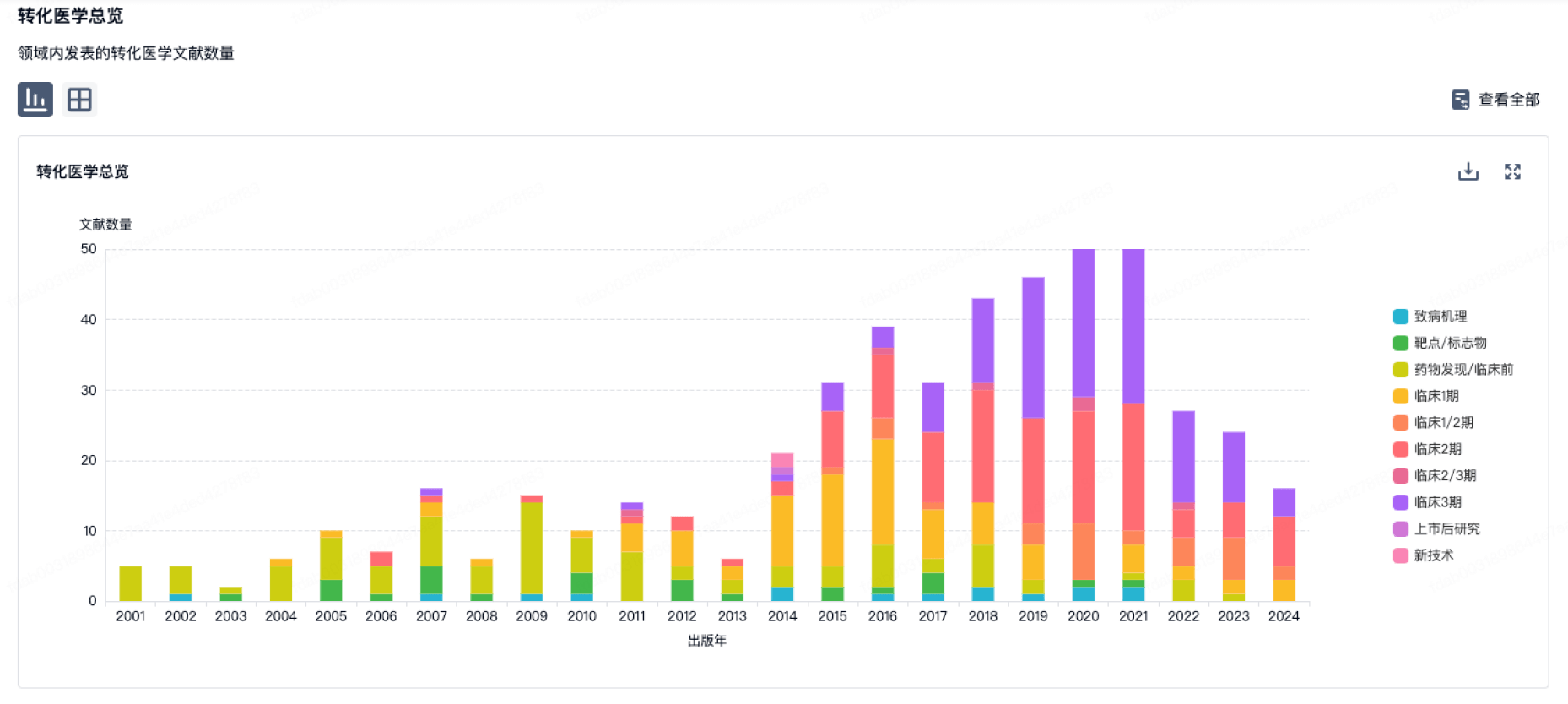
100 项与 承德医学院 相关的转化医学
登录后查看更多信息
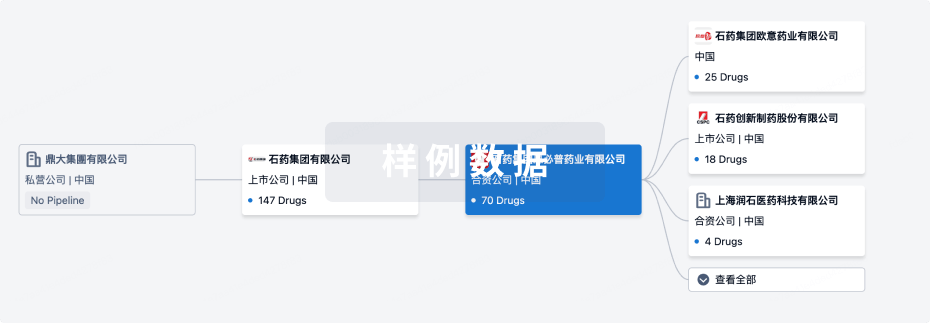
组织架构
使用我们的机构树数据加速您的研究。
登录
或
管线布局
2026年06月12日管线快照
管线布局中药物为当前组织机构及其子机构作为药物机构进行统计,早期临床1期并入临床1期,临床1/2期并入临床2期,临床2/3期并入临床3期
药物发现
2
1
临床前
其他
1
登录后查看更多信息
当前项目
| 药物(靶点) | 适应症 | 全球最高研发状态 |
|---|---|---|
KW-2478 ( HSP90 ) | 结直肠癌 更多 | 临床前 |
CN121159503 专利挖掘 | 肿瘤 更多 | 药物发现 |
CN117720466 专利挖掘 | 肿瘤 更多 | 药物发现 |
Liver-targeted conjugates of PSN-357(Chengde Medical University) ( PYGL ) | 糖尿病 更多 | 无进展 |
登录后查看更多信息
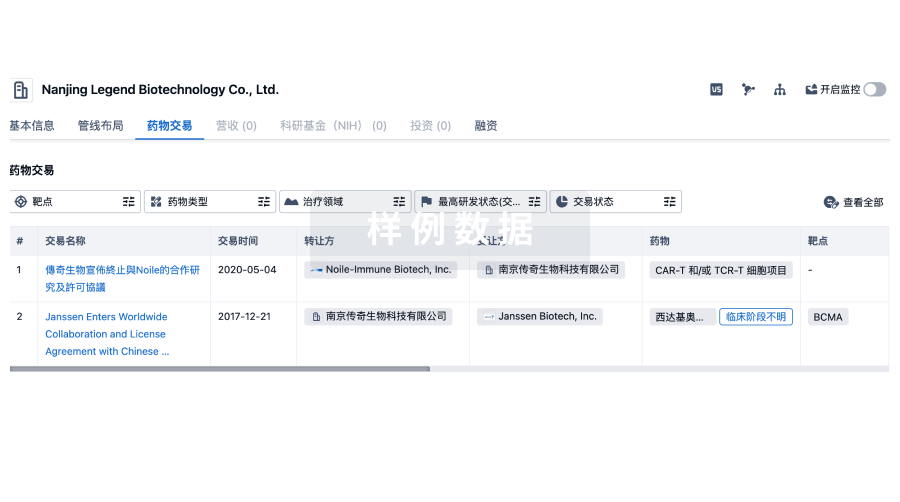
药物交易
使用我们的药物交易数据加速您的研究。
登录
或
转化医学
使用我们的转化医学数据加速您的研究。
登录
或
营收
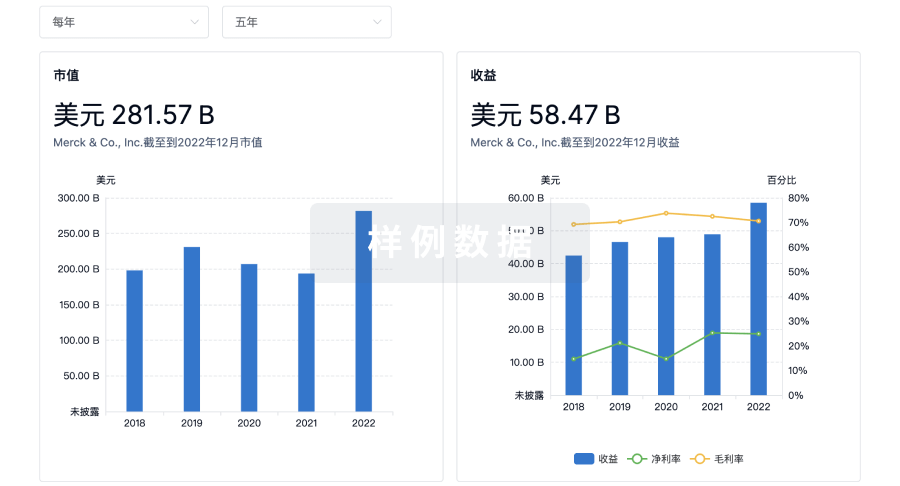
使用 Synapse 探索超过 36 万个组织的财务状况。
登录
或
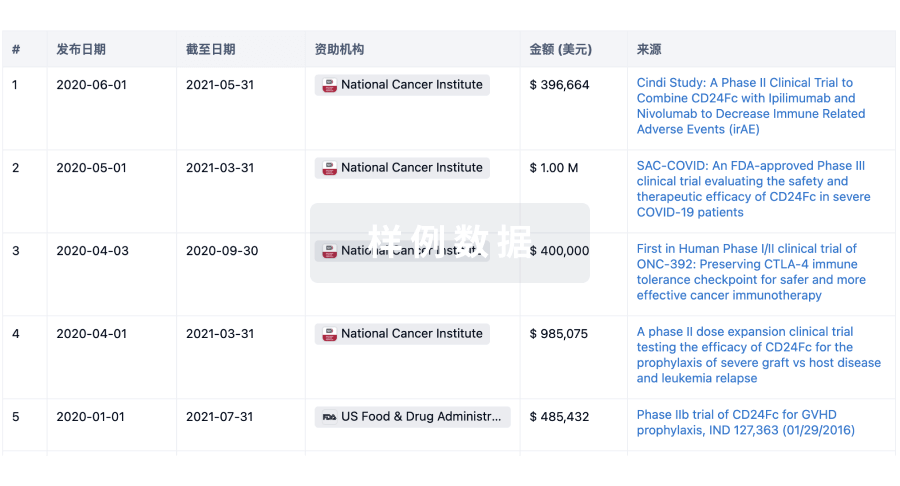
科研基金(NIH)
访问超过 200 万项资助和基金信息,以提升您的研究之旅。
登录
或
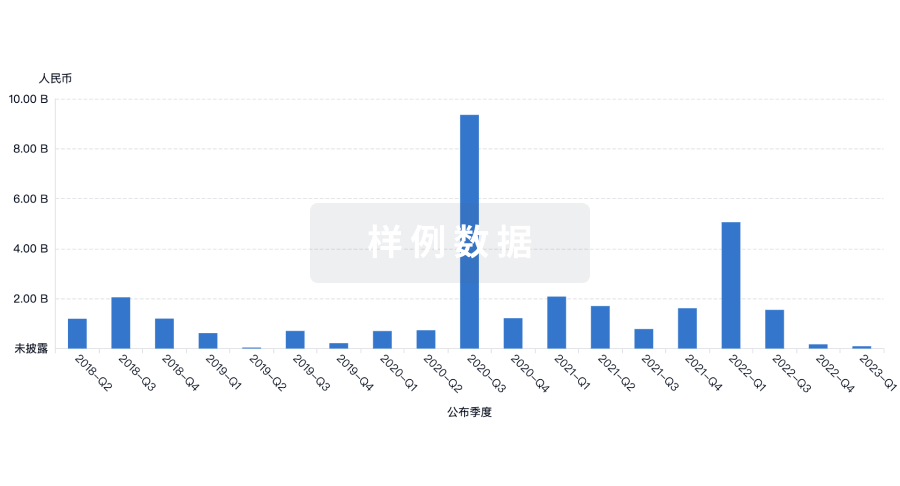
投资
深入了解从初创企业到成熟企业的最新公司投资动态。
登录
或
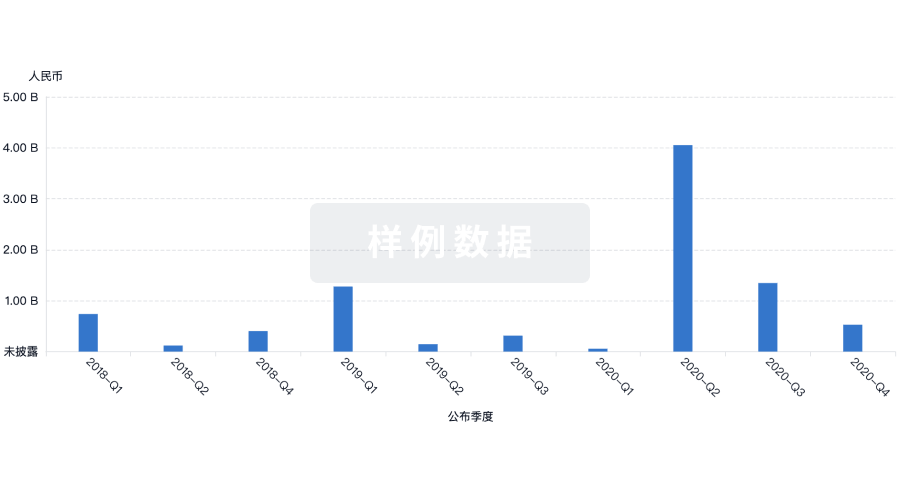
融资
发掘融资趋势以验证和推进您的投资机会。
登录
或
生物医药百科问答
全新生物医药AI Agent 覆盖科研全链路,让突破性发现快人一步
立即开始免费试用!
智慧芽新药情报库是智慧芽专为生命科学人士构建的基于AI的创新药情报平台,助您全方位提升您的研发与决策效率。
立即开始数据试用!
智慧芽新药库数据也通过智慧芽数据服务平台,以API或者数据包形式对外开放,助您更加充分利用智慧芽新药情报信息。
生物序列数据库
生物药研发创新
免费使用
化学结构数据库
小分子化药研发创新
免费使用