预约演示
更新于:2026-05-17

Rosalind Franklin University of Medicine & Science
更新于:2026-05-17
概览
标签
其他疾病
神经系统疾病
泌尿生殖系统疾病
寡核苷酸
ASO
疾病领域得分
一眼洞穿机构专注的疾病领域

技术平台
公司药物应用最多的技术
靶点
公司最常开发的靶点
关联
靶点 |
作用机制 |
在研机构 |
原研机构 |
在研适应症 |
非在研适应症 |
最高研发阶段 |
首次获批国家/地区 |
首次获批日期 |
靶点 |
作用机制 |
在研机构 |
原研机构 |
在研适应症 |
非在研适应症 |
最高研发阶段 |
首次获批国家/地区 |
首次获批日期 |
US20250354147
专利挖掘靶点 |
作用机制 |
在研机构 |
原研机构 |
在研适应症 |
非在研适应症 |
最高研发阶段 |
首次获批国家/地区 |
首次获批日期 |

NCT06330844
Race Based Stress and Empowerment Focused Compensatory Cognitive Training for Mild Cognitive Impairment
NCT06502444
Moving Forward Together 2.0: An Activity Intervention
NCT06232447
Effect of Menthol to Non-Menthol Cigarette Switching on Subclinical Inflammatory Biomarkers of Cardiovascular Health: Simulating a Menthol Cigarette Ban
100 项与 Rosalind Franklin University of Medicine & Science 相关的临床结果
登录后查看更多信息
登录后查看更多信息
2026-12-31JOURNAL OF DERMATOLOGICAL TREATMENT
Raising the bar of efficacy in Atopic Dermatitis: deep response in week 16 responders treated with lebrikizumab over 2 years
Article
作者: Xu, Chenjia ; Biedermann, Tilo ; Figueras, Ignasi ; Agell, Helena ; Simpson, Eric ; Kircik, Leon ; Hu, Chaoran ; Pierce, Evangeline ; Gallo, Gaia ; Vestergaard, Christian ; Chovatiya, Raj ; Casillas, Marta ; Ding, Yuxin
BACKGROUND:
Lebrikizumab, a high-affinity monoclonal antibody targeting interleukin-13, effectively treats moderate-to-severe atopic dermatitis (AD).
METHODS:
Lebrikizumab-treated patients in ADvocate1&2 achieving per-protocol response-IGA (0,1) or EASI 75 at Week 16-were re-randomized 2:2:1 to lebrikizumab 250 mg every 2 weeks (Q2W), Q4W, or placebo (lebrikizumab withdrawal). Patients completing Week 52 could enroll in the extension study, ADjoin. Deep response was defined as IGA (0), EASI 100, or Pruritus Numerical Rating Scale score 0 or 1 (NRS [0,1]). This analysis reports as-observed data.
RESULTS AND CONCLUSIONS:
From Week 16-104, among IGA (0,1) responders at Week 16, increased proportions of patients achieved IGA (0) with lebrikizumab Q2W (33.8% [Nx = 77] to 52.3% [Nx = 44]) and Q4W (29.9% [Nx = 77] to 45.5% [Nx = 55]); among EASI 75 responders at Week 16, increased proportions of patients achieved EASI 100 with lebrikizumab Q2W (21.4% [Nx = 112] to 39.7% [Nx = 68]) and Q4W (20.0% [Nx = 115] to 41.3% [Nx = 80]); and among per-protocol responders, increased proportions of patients reported Pruritus NRS (0,1) with lebrikizumab Q2W (35.2% [Nx = 108] to 57.4% [Nx = 61]) and Q4W (34.2% [Nx = 114] to 55.4% [Nx = 65]). Continued lebrikizumab treatment for 2 years resulted in approximately half of per-protocol responders achieving complete skin clearance (IGA 0) and itch relief, raising the bar of treatment goals for AD patients.
2026-07-01BRAIN BEHAVIOR AND IMMUNITY
Signatures of altered free-water and cognition and associations with symptom severity in psychosis spectrum disorders
Article
作者: Pearlson, Godfrey ; Trotti, Rebekah ; Stiltner, Brendan ; Keshavan, Matcheri S ; Kelly, Sinead ; Tamminga, Carol A ; Hill, Scot K ; Shenton, Martha E ; Lizano, Paulo ; Parker, David A ; Pasternak, Ofer ; Zeng, Victor ; Clementz, Brett A ; McDowell, Jennifer E ; Cetin-Karayumak, Suheyla
Evidence suggests extracellular free-water (FW) is a potential marker of neuroinflammation. In psychosis spectrum disorders (PSD), neuroinflammation has been associated with cognition deficits, but findings are heterogeneous. Thus, we derived FW and cognition-based subgroups in PSD. PSD (n = 166) and healthy (n = 50) individuals underwent diffusion magnetic resonance imaging, cognitive testing, and clinical assessments. Canonical correlation analysis (CCA) was performed using statistically significant measures, including 8 FW regions (anterior corona radiata, body, genu, and splenium of corpus callosum, fornix/stria terminalis, inferior and superior fronto-occipital fasciculus, and superior longitudinal fasciculus) and 13 cognitive measures. Permutation testing and cross validation quantified CCA significance and reliability. PSD subgroups were identified by hierarchical clustering of CCA projections. Random sampling and bootstrapping assessed clustering significance and reliability. Analysis of variance, general linear models, and Cohen's effect sizes tested for differences between groups. The false discovery rate corrected for multiple comparisons. The first latent variate (r = 0.45) identified two clusters: cluster 1 demonstrated lower FW (n = 110, 66%) while cluster 2 showed higher FW (n = 56, 34%). Both displayed cognitive deficits compared to controls. Cluster 2 showed greater FW in all regions tested (p < 0.05), exhibited cognitive impairment across multiple cognitive domains (p < 0.01), and higher depressive, manic, general and total psychosis symptoms (p < 0.05) compared to cluster 1. However, they did not differ with regard to medication, functioning, or potential inflammatory confounds. Results support previous research indicating that a high neuroinflammatory subgroup of PSD exists and is related to cognition and brain structure, but the translational impact remains to be determined.
2026-05-01DERMATOLOGIC SURGERY
Utilization of Mohs Micrographic Surgery for Benign Adnexal Tumors of the Skin: A Systematic Review
Review
作者: Tolkachjov, Stanislav N. ; Kelley, Benjamin F. ; Woods, Alexander D. ; Carter, Drake ; Shalabi, Mojahed Mohammad K.
BACKGROUND:
Mohs micrographic surgery (MMS) is primarily utilized for the treatment of malignant skin cancers. However, benign adnexal tumors of the skin (BATS) sometimes present as large, locally aggressive, or cosmetically disfiguring lesions that may benefit from the tissue-sparing, margin-controlled benefits of MMS to ensure complete clearance with satisfactory aesthetic outcomes.
OBJECTIVE:
To present a systematic review of the clinical presentation and reported outcomes of BATS treated by MMS.
MATERIALS AND METHODS:
A systematic review was performed using the databases PubMed, EMBASE, and Web of Science to identify cases where BATS were treated with MMS. From the eligible articles, clinical details were extracted, as well as stated rationale for choosing MMS as the surgical intervention.
RESULTS:
Thirty-one articles were included describing 85 BATS treated with MMS. Tumors represented included trichoblastoma, desmoplastic trichoepithelioma, hidradenoma, chondroid syringoma, spiradenoma, cylindroma, desmoplastic trichilemmoma, papillary eccrine adenoma, pilomatrixoma, proliferating trichilemmal tumor, and tubular apocrine adenoma. Most tumors were located on the head/neck and were treated by MMS due to large size, aggressive behavior, recurrence after prior excision, or cosmetically sensitive location.
CONCLUSION:
Although BATS are not currently described in the appropriate use criteria for MMS, certain clinical scenarios may justify the use of MMS when treating these tumors.
100 项与 Rosalind Franklin University of Medicine & Science 相关的药物交易
登录后查看更多信息
100 项与 Rosalind Franklin University of Medicine & Science 相关的转化医学
登录后查看更多信息
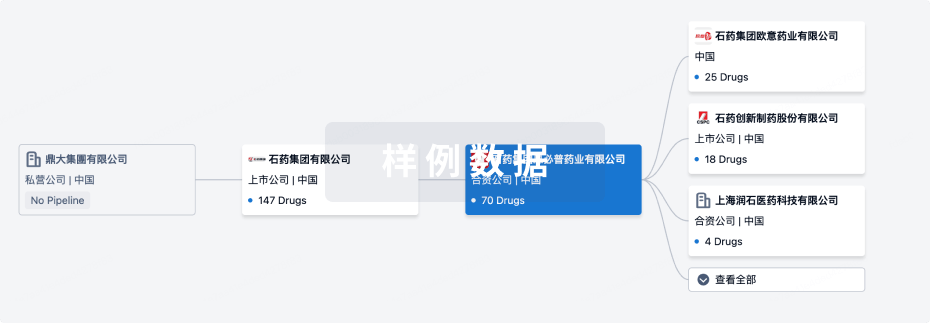
组织架构
使用我们的机构树数据加速您的研究。
登录
或
管线布局
2026年09月19日管线快照
管线布局中药物为当前组织机构及其子机构作为药物机构进行统计,早期临床1期并入临床1期,临床1/2期并入临床2期,临床2/3期并入临床3期
药物发现
1
2
临床前
其他
3
登录后查看更多信息
当前项目
登录后查看更多信息
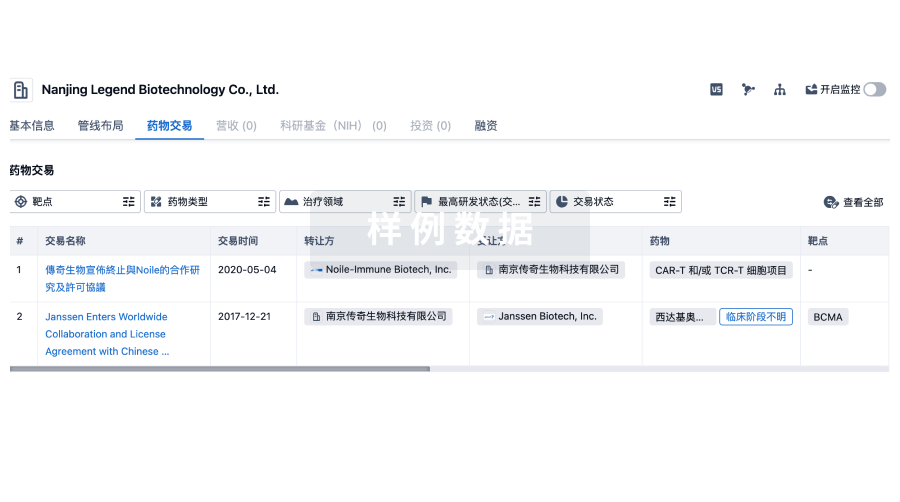
药物交易
使用我们的药物交易数据加速您的研究。
登录
或
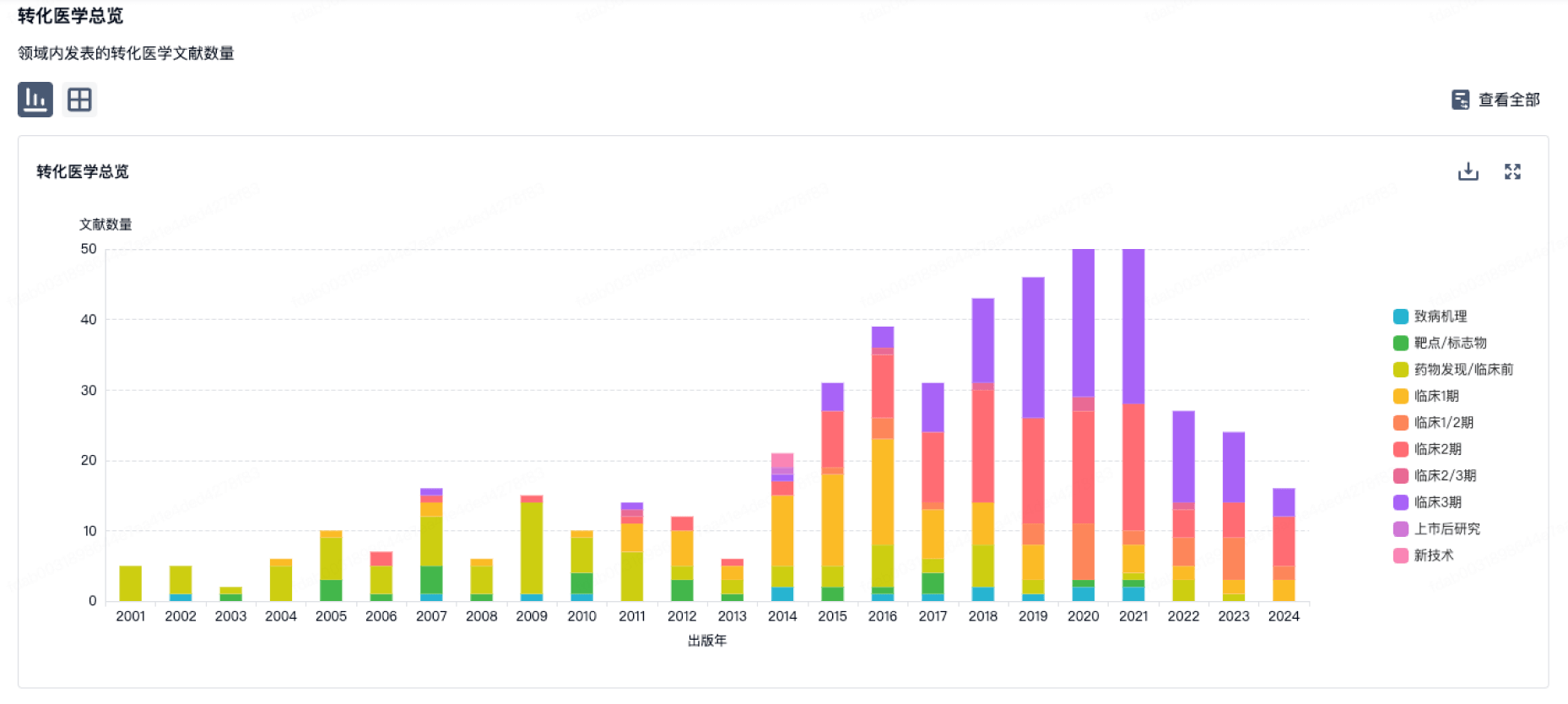
转化医学
使用我们的转化医学数据加速您的研究。
登录
或
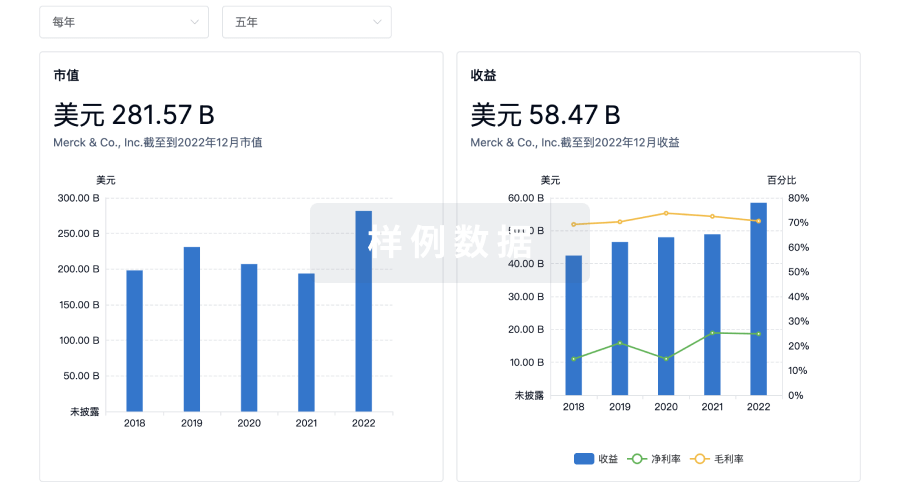
营收
使用 Synapse 探索超过 36 万个组织的财务状况。
登录
或
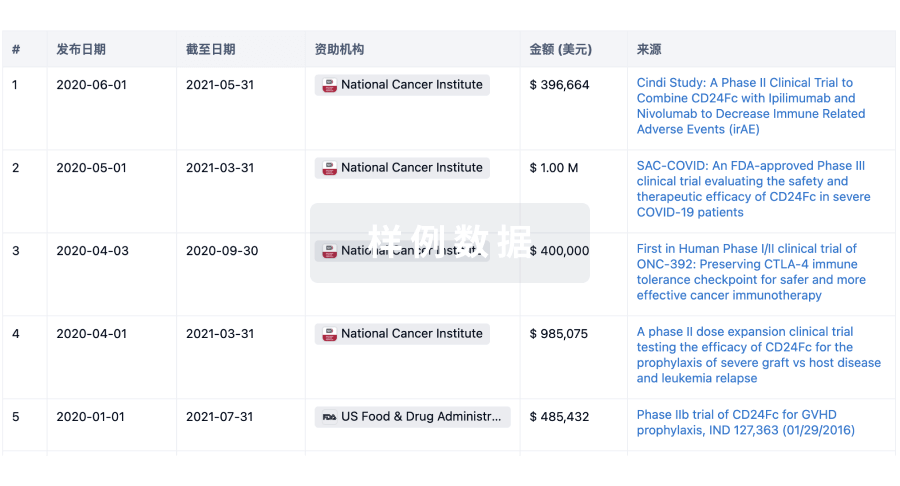
科研基金(NIH)
访问超过 200 万项资助和基金信息,以提升您的研究之旅。
登录
或
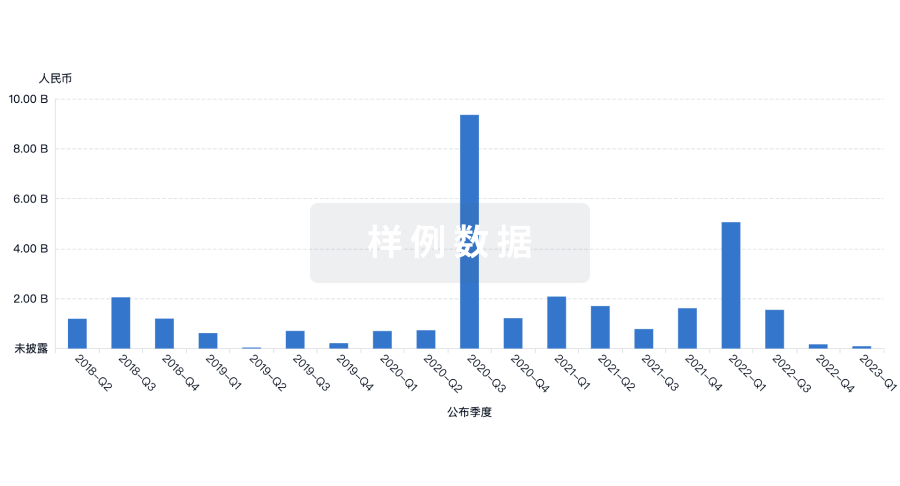
投资
深入了解从初创企业到成熟企业的最新公司投资动态。
登录
或
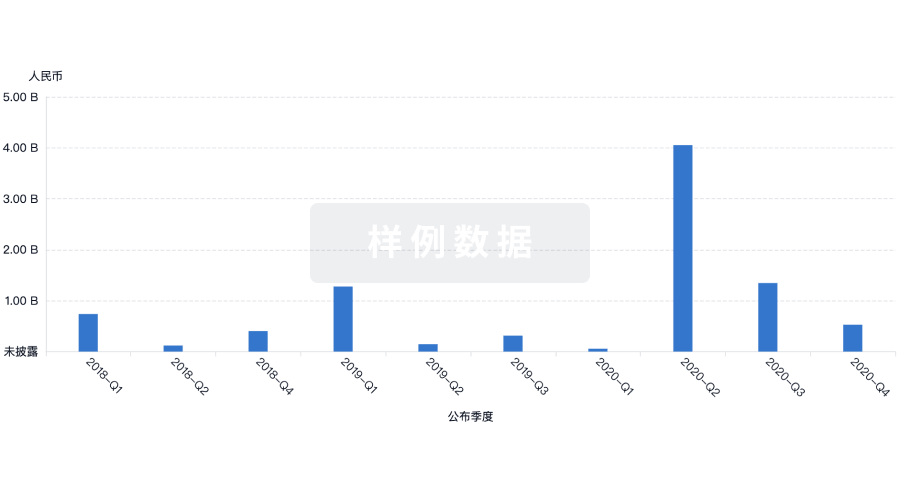
融资
发掘融资趋势以验证和推进您的投资机会。
登录
或
提出任何生物医药研究问题
让每一步生物医药决策都精准制胜
基于十亿级生物数据与全球情报的精准 AI,赋能早期药物发现
立即开始免费试用!
智慧芽新药情报库是智慧芽专为生命科学人士构建的基于AI的创新药情报平台,助您全方位提升您的研发与决策效率。
立即接入生物医药数据包
智慧芽新药库数据也通过智慧芽开放平台,以MCP或API服务形式对外开放。立即使用我们的MCP服务定制您的LLM智能体。
生物序列数据库
生物药研发创新
免费使用
化学结构数据库
小分子化药研发创新
免费使用