预约演示
更新于:2025-12-06

Mount Saint Vincent University
更新于:2025-12-06
概览
关联
NCT06568497
Sensory, Satiating and Glycaemic Characteristics of Cheese and Non-dairy Alternative Products to Cheese
NCT05113641
Reducing Dietary Acid With Fruit and Vegetables Versus Oral Alkali in People With Chronic Kidney Disease (ReDACKD) Feasibility Trial

NCT05400694
The Sensory and Metabolic Effects of Functional and Value-Added Dairy Products
100 项与 Mount Saint Vincent University 相关的临床结果
登录后查看更多信息
登录后查看更多信息
2025-12-01Psychological reports
Online Moral Disengagement: An Examination of the Relationships Between Electronic Communication, Cognitive Empathy, and Antisocial Behavior on the Internet
Article
作者: Shead, N. Will ; Corkum, Madison
A consequence of the proliferation of online communication is the concerning presence of antisocial behavior observed in virtual spaces. Research suggests the cognitive component of empathy is hindered by features of electronic communication which facilitates antisocial behaviors online. Investigations into how features of online communication inhibit cognitive empathy are lacking, and findings on moral disengagement and antisocial behavior have yet to be integrated with studies on cognitive empathy and electronic communication. The current study explores these relationships. One hundred and three undergraduate students completed several measures including the Online Moral Disengagement Scale, Questionnaire of Cognitive and Affective Empathy, and Online Prosocial and Antisocial Behavior Scale. Results showed a positive correlation between compulsive internet use and online moral disengagement, as well as a negative correlation between cognitive empathy and moral disengagement online. It was hypothesized that online moral disengagement would mediate the relation between cognitive empathy and antisocial behavior online but this mediation was not supported. However, a moderated relationship was revealed between cognitive empathy and moral justification, by liberalism. This moderation can be explored further and built upon by future research to deepen our understanding of how political ideology relates to virtual behavior. Furthermore, the findings concerning components of empathy and moral disengagement, and their role within the perpetration of antisocial conduct online, can inform future research as well as interventions focused on fostering prosocial behavior online and curbing cyberaggression.
2025-12-01Canadian Journal of School Psychology
Pinning Down the Accuracy Gap: Assessing Intervention Information About Dyslexia on Pinterest-Linked Web Pages
Article
作者: Green, Jared R. ; King, Sara ; Ritchie, Krista C. ; Heymann, Carlotta ; McCay, Tianna
Social media platforms such as Pinterest are a popular medium for locating and consuming health and mental health information, as well as educational resources to assist struggling learners. Despite parents and educators being frequent consumers of education-related information on Pinterest, no studies to date have explored the accuracy of intervention information for dyslexia on Pinterest-linked web pages, meaning that the extent to which it aligns with evidence-based practice and the science of reading is unclear. This study reviewed online information about interventions for dyslexia from 41 Pinterest-linked web pages to evaluate accountability, presentation, alignment with evidence-based practice, and readability using a set of standardized criteria. The quality of intervention information was generally poor, with websites meeting less than 10% of the standardized criteria. Further, most information was published by unspecified authors or authors without formal experience providing evidence-based interventions for dyslexia. Most sites also neglected to reference their sources or recommend follow-up with a professional. These findings suggest that psychologists should be steering educators away from Pinterest as a resource and towards more reliable websites. Possibilities for future research, and practical implications for school psychologists are discussed.
2025-11-01SOCIAL SCIENCE & MEDICINE
Chronic pain prevalence and trends in urban, suburban, and rural areas among American adults aged 55+, 1998–2022
Article
作者: Zimmer, Zachary ; Zajacova, Anna ; Huang, Rui ; Grol-Prokopczyk, Hanna ; Torres, Jacqueline M ; Sun, Feinuo ; Yang, Yulin
Rural-urban health disparities in the United States are large and persistent, yet most surveillance efforts focus on mortality and disability. Monitoring rural-urban trends in pain, a major but overlooked indicator of population health, remains understudied. Given changes in demographics and resources of urban, suburban, and rural areas since the turn of the 21st century, which may have altered place-based differences in pain prevalence. Using nationally representative data from the Health and Retirement Study of 35,230 adults aged 55 and older (n = 206,600 person-wave observations), we estimated pain prevalence and trends across urban, suburban, and rural areas from 1998 to 2022. We assessed variation by age, sex/gender, race and ethnicity, and census region. Over 24 years, pain prevalence increased by 70 % (Prevalence Ratio [PR] = 1.70, 95 % Confidence Interval [CI]: 1.64, 1.75) and was consistently highest in rural areas and lowest in urban areas. However, pain prevalence rose most sharply in suburbs as compared to both rural and urban areas (suburban and time interaction vs. rural areas: PR = 1.08, 95 % CI: 1.00, 1.17). Suburban pain prevalence was similar to urban levels in 1998 but converged with that of rural levels by 2022. Stratified analyses revealed broadly similar patterns across demographic and regional groups, with particularly rapid increases among suburban populations in the South. These findings highlight nationwide increases in chronic pain, with suburban areas emerging as new "hotspots" alongside rural areas. Given that pain is a leading cause of disability and functional decline, monitoring place-based trends is essential for addressing this growing public health concern.
100 项与 Mount Saint Vincent University 相关的药物交易
登录后查看更多信息
100 项与 Mount Saint Vincent University 相关的转化医学
登录后查看更多信息
组织架构
使用我们的机构树数据加速您的研究。
登录
或
管线布局
2026年02月08日管线快照
无数据报导
登录后保持更新
药物交易
使用我们的药物交易数据加速您的研究。
登录
或
转化医学
使用我们的转化医学数据加速您的研究。
登录
或
营收
使用 Synapse 探索超过 36 万个组织的财务状况。
登录
或
科研基金(NIH)
访问超过 200 万项资助和基金信息,以提升您的研究之旅。
登录
或
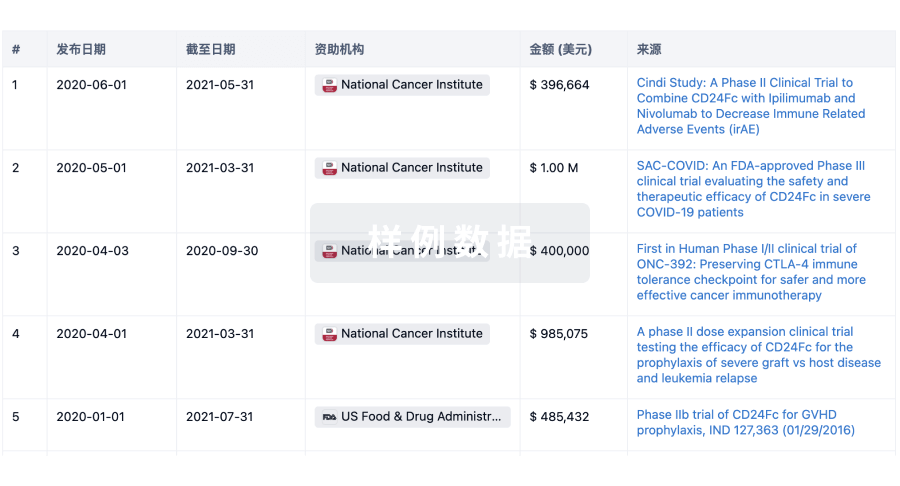
投资
深入了解从初创企业到成熟企业的最新公司投资动态。
登录
或
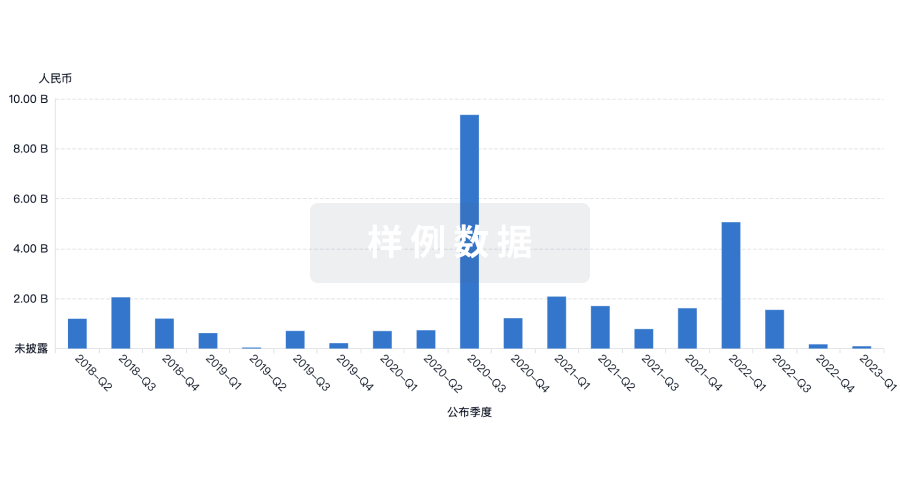
融资
发掘融资趋势以验证和推进您的投资机会。
登录
或
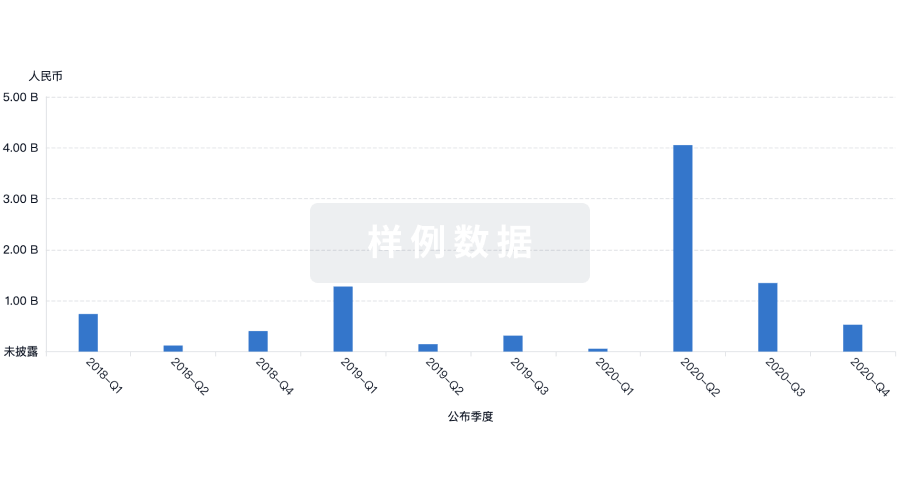
生物医药百科问答
全新生物医药AI Agent 覆盖科研全链路,让突破性发现快人一步
立即开始免费试用!
智慧芽新药情报库是智慧芽专为生命科学人士构建的基于AI的创新药情报平台,助您全方位提升您的研发与决策效率。
立即开始数据试用!
智慧芽新药库数据也通过智慧芽数据服务平台,以API或者数据包形式对外开放,助您更加充分利用智慧芽新药情报信息。
生物序列数据库
生物药研发创新
免费使用
化学结构数据库
小分子化药研发创新
免费使用