预约演示
更新于:2025-09-09

Northeast Forestry University
更新于:2025-09-09
概览
关联
ChiCTR2100052394
A single-center cross-sectional study describing mental health, quality of life and coping patterns of college students in the post-epidemic era
100 项与 东北林业大学 相关的临床结果
登录后查看更多信息
登录后查看更多信息
2026-01-01NEURAL NETWORKS
Multi-view parallel convolutional network for organ segmentation in mediastinal region on CT images
Article
作者: Xie, Yining ; Zhao, Jing ; Zhou, Wei ; Ma, Jiayi ; Wang, Fengjiao
In lung CT images, mediastinal organ segmentation is crucial for localizing different mediastinal regions. However, existing medical image segmentation methods exhibit significant limitations in modeling the diverse topological structures of organs, sensitivity to intra-class morphological variations, and inter-class feature differentiation. To address these limitations, we propose a novel multi-view parallel convolutional network (MVPCNet), built on an efficient U-shaped encoder-decoder framework. The shallow and deep information encoders are respectively composed of alternating multi-view parallel convolution module (MVPM) and the dual-path backbone structure (DPBS) at different scales. MVPM is designed as a parallel convolutional structure to enhance the model's ability to capture complex structural features, enabling complementary extraction of morphological and detailed features. DPBS comprises the efficient dual-channel bottleneck structures (EDC-BS) and the region fusion small-kernel deformable attention mechanism (RF-SKDA). EDC-BS employs a branched convolutional architecture, effectively reducing computational complexity while ensuring accurate recognition of the same organ across varying morphologies. RF-SKDA captures the spatial structural information of different organs by combining regional and global average pooling, and further extracts organ-specific morphological features through the deformable convolutions. The decoder utilizes lightweight parameterization through depthwise separable convolutions and integrates multi-scale features during the decoding process. Experimental results demonstrate that MVPCNet achieves an average Dice Coefficient of 90.59 % and an mIoU of 82.80 % on mediastinal organ dataset. With a parameter size of only 8.21 MB, it outperforms advanced medical segmentation algorithms and classical lightweight semantic segmentation models.
2026-01-01SPECTROCHIMICA ACTA PART A-MOLECULAR AND BIOMOLECULAR SPECTROSCOPY
Tuning of excitation wavelength to achieve dual-channel detection of Cr(VI) by cellulose-based carbonized polymer dots
Article
作者: Liang, Dong ; Pan, Jiangbo ; Wang, Chengyu ; Wei, Shuangying ; Wang, Di ; Liao, Changhe ; Li, Jian ; Wang, Jiaqi ; Fu, Yuan ; Jing, YiChang
Carbonized polymer dots (CPDs), a new nanofluorescent materials inheriting the advantages of CDs, have been widely studied for their excellent physicochemical stability and tunable fluorescence properties, and have extensive application in the fields of optoelectronic devices and environmental monitoring. In this study, nitrogen-doped CPDs (CMC-M-CPDs) were synthesized via hydrothermal reaction using carboxymethyl cellulose (CMC) and melamine (M), which allowed N doping to improve the luminescence of CPDs through cross-linking and reduction of the energy gap. Due to the excitation-dependent, the luminescence wavelength of CPDs can be tuned, so these CPDs exhibit two optimal emission centers in the fluorescence spectra, which originate from the carbon core and the surface, respectively. A significant quenching effect on the luminescence of CMC-M-CPDs at 457 nm and 515 nm was exhibited due to static quenching of Cr(VI). Therefore, dual-channel fluorescence detection of Cr(VI) can be achieved, allowing detection using both excitation wavelengths to be carried out concurrently and mutually verified in complex environments. This improves the accuracy of detection, with limits of detection (LOD) of 60.15 nM and 93.95 nM, respectively. The CMC-M-CPDs demonstrate excellent selectivity and anti-interference in the detection of Cr(VI), with a quenching response occurring within 1 s. This dual-channel fluorescent probe can also be applied for sensitive detection in tap water and Songhua River water. Furthermore, the fluorescence of quenched CPDs can be restored by adding ascorbic acid (AA), achieving a maximum recovery efficiency of 96.6 %.
2026-01-01TALANTA
Optimization of ultrasound pretreatment combined with solvent-free microwave for extracting volatile oil from Atractylodes lancea and its chemical composition and antimicrobial activity
Article
作者: Lu, Qi ; He, Zhiqiang ; Xu, Xiaojie ; Wang, Lin ; Xiong, Xianghong
As a traditional method of volatile oil extraction, hydrodistillation (HD) method is energy-intensive and time-consuming. In the context of environmental pollution, excessive energy consumption, and increasing climate warming, a new extraction method-ultrasound pretreatment combined with solvent-free microwave extraction (UP-SFME)-has been adopted for the extraction of volatile oil from Atractylodes lancea (Thunb.) DC. Key parameters-ultrasonic temperature (60 °C), power (400 W, 15 min), and microwave power (540 W, 35 min)-are identified to maximize yield while minimizing time and energy consumption. The UP-SFME method achieves a volatile oil yield of 1.77 ± 0.088 %, surpassing traditional HD and standalone SFME method by 59.46 % and 31.11 %, respectively. Notably, UP-SFME method reduces extraction time by 70 min and energy consumption to 12.8 % of HD. Kinetic analysis reveals that the process followed a first-order model. GC-MS analysis demonstrates enhanced contents of key bioactive compounds, including agarospirol (+8.40 %, +2.57 %), β-eudesmol (+7.23 %, +6.81 %), and α-bisabolol (+1.84 %, +1.82 %) compared to HD and SFME methods. In vitro assays confirm superior antibacterial activity against S. aureus for UP-SFME-extracted oil. Molecular docking simulations further supports these findings, with stable binding (ΔG < -6 kcal/mol) of bioactive compounds to S. aureus DNA gyrase. Critical interactions include hydrogen bonds with GLN-B:1267 and π-alkyl contacts with VAL-B:1123. This strong binding affinity, comparable to known gyrase inhibitors, supports their potential as lead compounds for developing novel antibacterial agents targeting this validated therapeutic target.
100 项与 东北林业大学 相关的药物交易
登录后查看更多信息
100 项与 东北林业大学 相关的转化医学
登录后查看更多信息
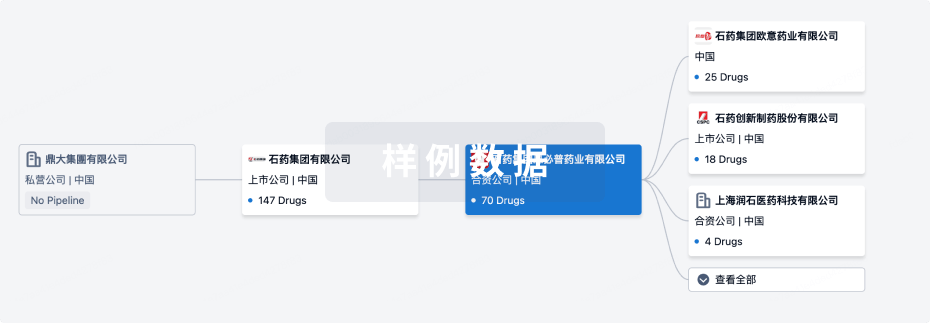
组织架构
使用我们的机构树数据加速您的研究。
登录
或
管线布局
2026年02月07日管线快照
无数据报导
登录后保持更新
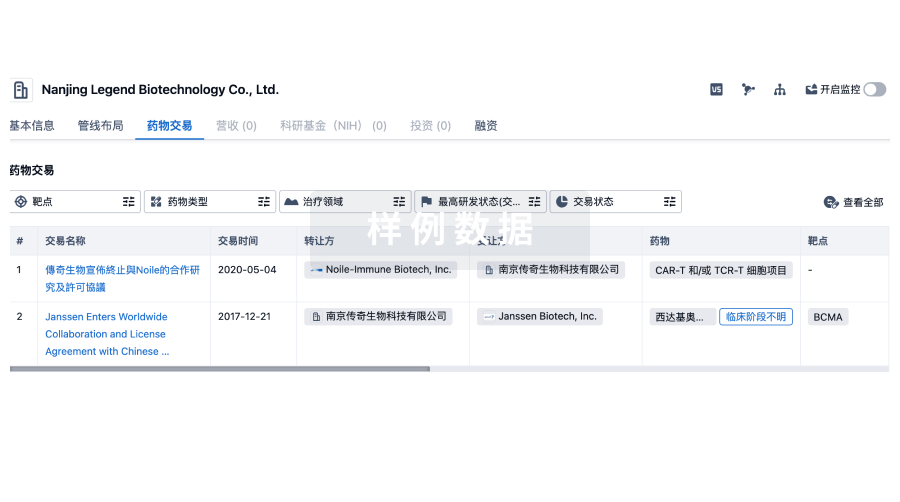
药物交易
使用我们的药物交易数据加速您的研究。
登录
或
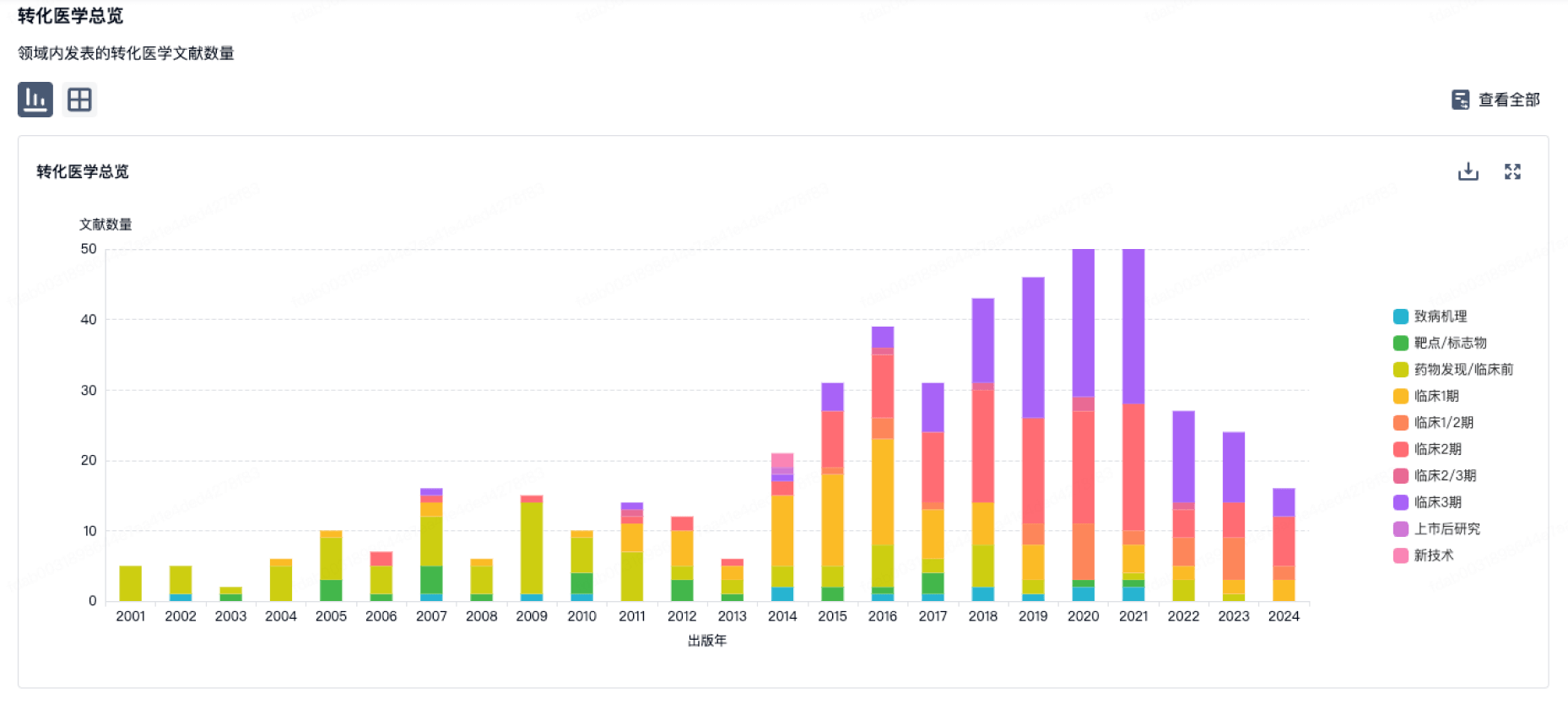
转化医学
使用我们的转化医学数据加速您的研究。
登录
或
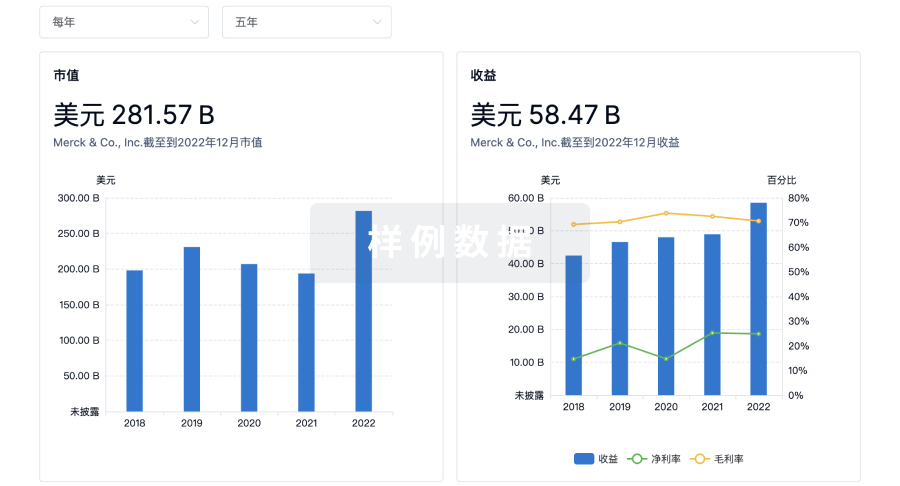
营收
使用 Synapse 探索超过 36 万个组织的财务状况。
登录
或
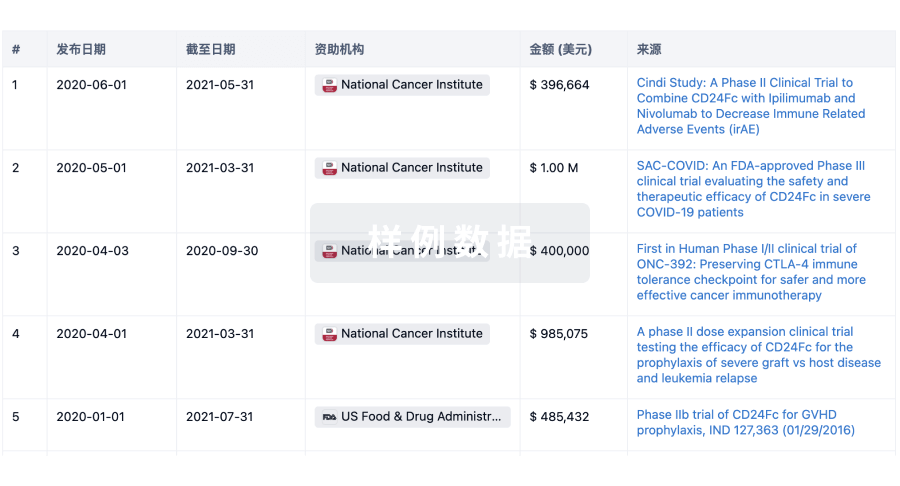
科研基金(NIH)
访问超过 200 万项资助和基金信息,以提升您的研究之旅。
登录
或
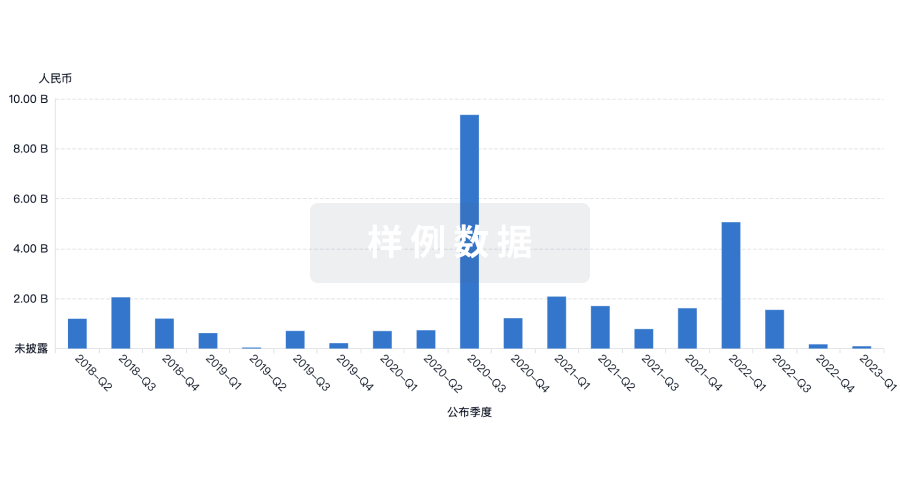
投资
深入了解从初创企业到成熟企业的最新公司投资动态。
登录
或
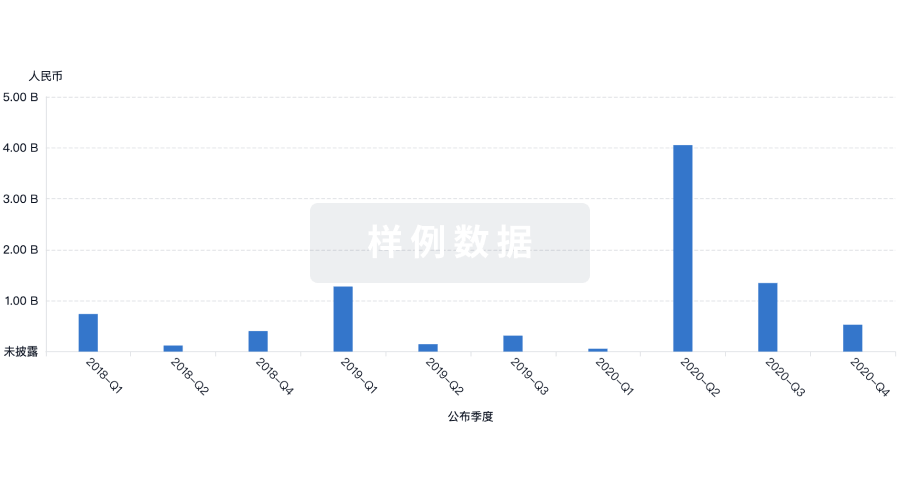
融资
发掘融资趋势以验证和推进您的投资机会。
登录
或
生物医药百科问答
全新生物医药AI Agent 覆盖科研全链路,让突破性发现快人一步
立即开始免费试用!
智慧芽新药情报库是智慧芽专为生命科学人士构建的基于AI的创新药情报平台,助您全方位提升您的研发与决策效率。
立即开始数据试用!
智慧芽新药库数据也通过智慧芽数据服务平台,以API或者数据包形式对外开放,助您更加充分利用智慧芽新药情报信息。
生物序列数据库
生物药研发创新
免费使用
化学结构数据库
小分子化药研发创新
免费使用