预约演示
更新于:2026-05-12

Shockwave Medical, Inc.
更新于:2026-05-12
概览
关联
NCT07512128
Prospective, Multi-center, Single-arm Study of the Shockwave Medical SkyRunner Carotid Intravascular Lithotripsy (IVL) System for the Treatment of Calcified Carotid Arteries Prior to Trans-Femoral Stenting (SKYWARD Trans-Femoral IDE Study)
NCT07062471
Prospective, Multi-center, Single-arm Study of the Shockwave Medical SkyRunner Carotid Intravascular Lithotripsy (IVL) System for the Treatment of Calcified Carotid Arteries Prior to Trans-Carotid Stenting (SKYWARD Trans-Carotid IDE Study)
ACTRN12625001158459
Prospective, multi-center, first in human (FIH) study to assess the safety and performance of the Shockwave Medical Fizz Fizz Peripheral System for the treatment of atherosclerotic, stenotic peripheral arteries in patients suffering from Peripheral Artery Disease (PAD)
100 项与 Shockwave Medical, Inc. 相关的临床结果
登录后查看更多信息
登录后查看更多信息
2026-03-01JACC-Cardiovascular Interventions
Safety and Effectiveness of a Novel 2Hz Coronary IVL System: The Disrupt CAD Duo IDE Study
Article
作者: Allocco, Dominic J ; Roberts, Jonathan ; Schmidt, Torrey R ; Shlofmitz, Richard A ; Kim, Michael ; Doukas, Demetrios ; Davies, Rhian E ; Mannino, Salvatore ; Oseni, Abdullahi O ; Price, Matthew J ; Johnson, Mark A ; West, Nick E J
2026-03-01Journal of the Society for Cardiovascular Angiography & Interventions
Treating Women With Calcified Coronary Arteries Using Intravascular Lithotripsy: Primary Results of the EMPOWER CAD Study
Article
作者: Lansky, Alexandra J ; Davies, Rhian ; Shlofmitz, Richard ; Gage, Ann ; Ahmad, Yousif ; McEntegart, Margaret ; Gunasekaran, Prasad ; Johnson, Mark ; West, Nick E J ; Gonzalo, Nieves ; Szerlip, Molly
Background:
Percutaneous coronary intervention of severely calcified coronary lesions is associated with a higher risk of adverse events in women compared with men.
Methods:
EMPOWER CAD (NCT05755711) is a prospective, multicenter, single-arm "real-world" study of women receiving intravascular lithotripsy (IVL) to treat calcific coronary artery lesions. The 30-day primary safety end point was target lesion failure (TLF), a composite of cardiac death, myocardial infarction (MI), or ischemia-driven target lesion revascularization. Procedural success was defined as successful stent delivery with residual stenosis ≤30% without in-hospital TLF.
Results:
A total of 399 women were enrolled at 45 centers in Europe and the United States. Mean age was 73 ± 10 years; diabetes (46.1%), prior MI (32.3%), chronic kidney disease (27.8%), and prior percutaneous coronary intervention (38.8%) were prevalent. Of the patients, 23.3% presented with NSTE-ACS, 16.0% with LVEF ≤40%, 7.3% of target lesions were in the left main artery, and severe calcification was present in 99.3%. IVL was the first calcium-modifying treatment for 90.6% of lesions. Procedural success (87.4%) and TLF at 30 days (11.6%) were both driven by the 9.6% periprocedural MI rate per the Society for Cardiovascular Angiography & Interventions (SCAI) definition. Diameter stenosis was reduced from 78% ± 12% at baseline to 46% ± 12% after IVL, and to 12% ± 7% in-stent at final angiography. Seattle Angina Questionnaire (SAQ)-7, European Quality of Life 5 Dimension 5 Level (EQ-5D-5L), and GAD-7 quality-of-life measures all showed significant improvements at 30 days (P < .0001).
Conclusions:
In the real-world EMPOWER CAD study, an IVL-first strategy demonstrated a favorable safety profile, high procedural success, and significant stenosis reduction and quality of life improvement at 30 days, consistent with or better than prior IVL studies performed in predominantly male populations.
2025-03-01JOURNAL OF VASCULAR SURGERY
Thirty-day outcomes from the Disrupt PAD BTK II study of the Shockwave Intravascular Lithotripsy System for treatment of calcified below-the-knee peripheral arterial disease
Article
作者: Sayfo, Sameh ; Shammas, Nicolas W ; West, Nick E.J. ; Shields, Ryan ; Siah, Michael ; Babaev, Anvar ; West, Nick E J ; Soukas, Peter ; Chandra, Venita ; Park, James ; Shammas, Nicolas W. ; Lansky, Alexandra J. ; Lansky, Alexandra J ; Armstrong, Ehrin
BACKGROUND:
Below-the-knee (BTK) lesions may be particularly challenging to treat owing to length, diffuse disease, and extent of calcification. Landmark interventional clinical studies have not reached consensus on the optimal standard of care for BTK lesions, and many published trials excluded patients with moderate or severe lesion calcification. Calcium modification with intravascular lithotripsy (IVL) was shown to be superior to percutaneous transluminal angioplasty in the femoropopliteal artery and successful in treating BTK lesions in pilot studies. The Disrupt BTK II study is a core laboratory-adjudicated, prospective, multicenter, single-arm study of patients with moderate to severely calcified BTK lesions treated with the Shockwave Medical Peripheral IVL System.
METHODS:
Disrupt BTK II enrolled 250 subjects with calcified infrapopliteal lesions and Rutherford category 3-5 presentation from 38 sites in the United States and Europe. The primary safety endpoint was major adverse limb events or postoperative death at 30 days, a composite of all-cause death, above-ankle amputation of the index limb, and/or major reintervention of the index limb involving an infrapopliteal artery. The primary effectiveness endpoint was procedural success, defined as ≤50% residual stenosis for all treated target lesions without serious core laboratory-adjudicated serious angiographic complications. The study used independent angiographic and duplex ultrasound core laboratories, and follow-up is planned through 2 years.
RESULTS:
A total of 305 lesions in 250 patients were treated with a procedural success of 97.9%. The mean target lesion length was 76 ± 65 mm, diameter stenosis was 78% ± 18%, and 84.8% had moderate or severe calcification as assessed by an independent angiographic core laboratory. After IVL, residual stenosis was reduced to 29%, and after optional postdilatation and/or stent implantation, to 26%. At 30 days, there were no deaths, major adverse limb event rate was 0.8%, and mean improvement in Vascular Quality of Life scores was 4.0 ± 5.0 (P < .0001). Of the patients with baseline wounds, 15.8% healed and 53.4% were improved at 30 days.
CONCLUSIONS:
The Disrupt PAD BTK II study demonstrated that treatment with the Shockwave Medical Peripheral IVL System in patients with moderate-severe calcified lesions resulted in high procedural success, significant reduction in residual stenosis, improvements in patient quality of life, and wound healing, with minimal adverse events at 30-day follow-up.
2026-04-15
·医药地理
免疫疗法细胞疗法财报

100 项与 Shockwave Medical, Inc. 相关的药物交易
登录后查看更多信息
100 项与 Shockwave Medical, Inc. 相关的转化医学
登录后查看更多信息
组织架构
使用我们的机构树数据加速您的研究。
登录
或
管线布局
2026年09月09日管线快照
无数据报导
登录后保持更新
药物交易
使用我们的药物交易数据加速您的研究。
登录
或
转化医学
使用我们的转化医学数据加速您的研究。
登录
或
营收
使用 Synapse 探索超过 36 万个组织的财务状况。
登录
或
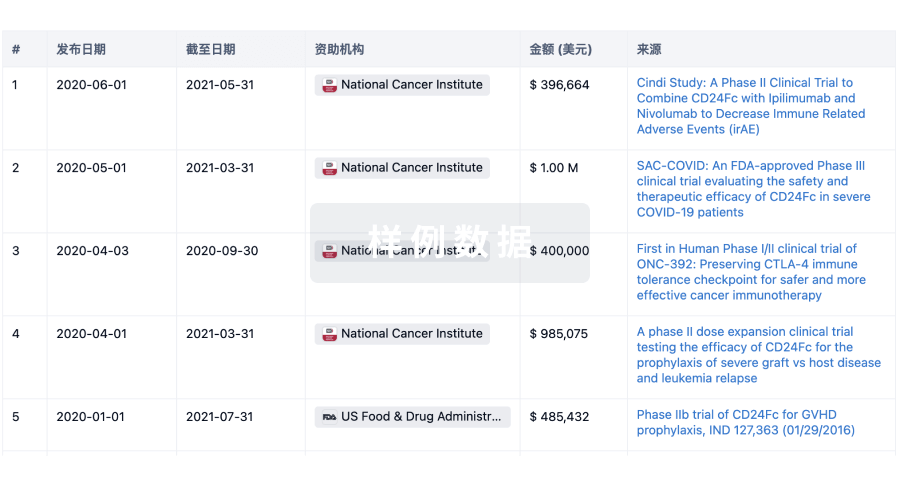
科研基金(NIH)
访问超过 200 万项资助和基金信息,以提升您的研究之旅。
登录
或
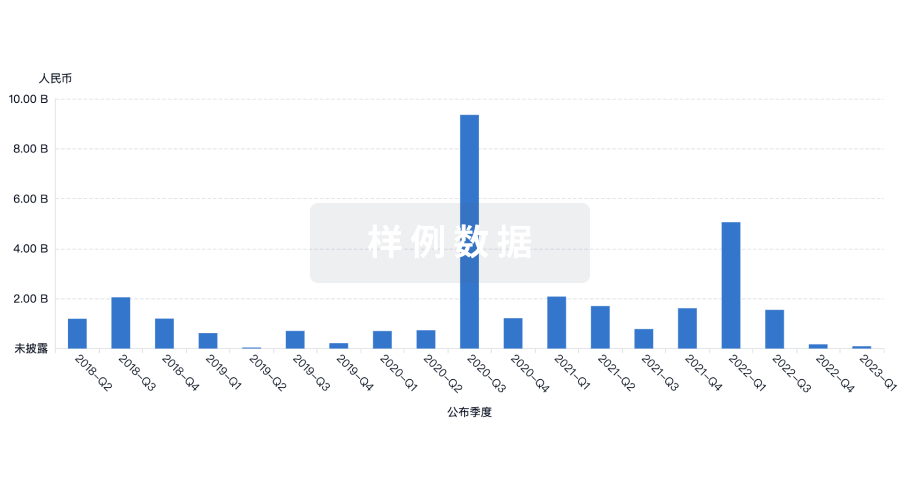
投资
深入了解从初创企业到成熟企业的最新公司投资动态。
登录
或
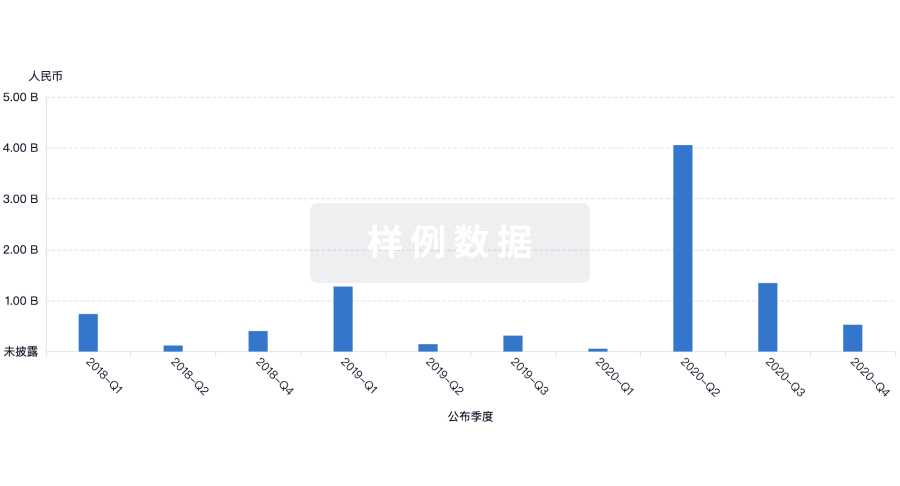
融资
发掘融资趋势以验证和推进您的投资机会。
登录
或
提出任何生物医药研究问题
让每一步生物医药决策都精准制胜
基于十亿级生物数据与全球情报的精准 AI,赋能早期药物发现
立即开始免费试用!
智慧芽新药情报库是智慧芽专为生命科学人士构建的基于AI的创新药情报平台,助您全方位提升您的研发与决策效率。
立即接入生物医药数据包
智慧芽新药库数据也通过智慧芽开放平台,以MCP或API服务形式对外开放。立即使用我们的MCP服务定制您的LLM智能体。
生物序列数据库
生物药研发创新
免费使用
化学结构数据库
小分子化药研发创新
免费使用