预约演示
更新于:2026-03-05

Université Polytechnique de Bobo-Dioulasso
更新于:2026-03-05
概览
关联
NCT05768191
Comparative Efficacy of a Two Daily Mixed Insulin Injection Versus a Basal-bolus Scheme With Human Insulin in a Limited Resources Setting: a Multicenter Randomized Controlled Crossover Clinical Trial
NCT05730569
Description and Comparison of Biological Vulnerability in Small Vulnerable Newborns Versus Healthy Community Controls in Urban Burkina Faso (DenBalo): Gut Microbiota, Immune System, and Breastmilk Assembly and Development in the First Days and Weeks of Life

NCT05588752
Efficacy of Transverse Abdominal Plane Block (TAP Block) With Bupivacaine and Dexamethasone for the Management of Post-cesarean Pain at the CHU Sourô Sanou (CHUSS) in Bobo-Dioulasso
100 项与 Université Polytechnique de Bobo-Dioulasso 相关的临床结果
登录后查看更多信息
登录后查看更多信息
2026-02-01Parasite Epidemiology and Control
Epidemiology of Schistosoma haematobium infection and microhaematuria among schoolchildren in a setting of sustained mass drug administration in Banfora, Burkina Faso
Article
作者: Cissé, Mamoudou ; Afolabi, Muhammed ; Soulama, Alamissa ; Sirima, Constant ; Zongo, Issaka ; Nakanabo-Diallo, Seydou ; Gnissi, Souleymane ; Djibougou, Arthur D
Background:
Limited evidence exists regarding the current epidemiology of Schistosoma (S.) haematobium infection following decades of mass drug administration implementation in many areas of Burkina Faso, including the Cascades region, which is predominantly a riverine community with a high risk of schistosomiasis. This study aimed to determine the prevalence and correlates of S. haematobium infection and microhaematuria among schoolchildren in the municipality of Banfora, southwestern Burkina Faso.
Methods:
An analytical cross-sectional study was conducted in November 2024 among schoolchildren aged 5-15 years in the Banfora municipality. Sociodemographic and water contact data were collected using a pre-tested structured questionnaire. Each consenting child provided a freshly voided urine sample, which was examined for the presence of S. haematobium eggs and microhaematuria using the urine filtration technique and urine multistix reagent test strips, respectively. Correlates of S. haematobium infection and microhaematuria were determined using multivariable logistic regression.
Results:
The mean age of the children was 8.79 ± 2.22 years. Of the 300 school children tested, 11 (3.67 %) were found to be infected with S. haematobium eggs. The geometric mean intensity of S. haematobium infection was 14.94 eggs/10 mL of urine (95 % CI: 4.96-44.98), and 27.27 % of the infected participants (3/11) had a heavy infection. The prevalence of microhaematuria was 13.33 % (40/300). Being a boy was the main risk factor for S. haematobium infection (adjusted OR: 11.0, 95 % CI: 2.5-48.2), while having a urinary tract infection was significantly associated with S. haematobium infection (adjusted OR: 59.6, 95 % CI: 6.9-515.7). Risk factors for microhaematuria included living in rural areas (adjusted OR: 8.3, 95 % CI: 2.4-28.6) and S. haematobium infection (adjusted OR: 31.3, 95 % CI: 5.9-165.8).
Conclusions:
Our findings show that S. haematobium infection is hypoendemic in the Banfora municipality. However, the high prevalence of heavy infections is a particular concern, and targeted treatment strategies and complementary measures, including health education, should prioritize school-aged children living in rural areas.
2026-01-20JOURNAL OF MEDICAL ENTOMOLOGY
Evaluation of local larval diets for mass rearing of
Aedes aegypti
(Diptera: Culicidae) to support sterile insect technique programs in Burkina Faso
Article
作者: Diabaté, Abdoulaye ; Ouédraogo, Tarwendpanga F X ; Sawadogo, Simon P ; Dabiré, Roch K ; Nikièma, Achille S ; Ido, Médard Y ; Séré, Bouraïma Vincent ; Gnankiné, Olivier ; Paré, Prisca S L ; Ouedraogo, Judicael
Abstract:
Aedes aegypti Linnaeus 1762 is the primary vector of several viruses that cause arboviral diseases. Control strategies, such as SIT, require large-scale mosquito (Diptera: Culicidae) production, which depends critically on larval nutrition. However, the high cost and limited availability of conventional feed components hinder SIT implementation, particularly in resource-limited settings. Faced with this situation, it is imperative to find locally produced food sources. Here, we assessed six locally derived diets for their suitability in mass rearing Aedes aegypti. The diets include: (B) African Clarias gariepinus Burchell 1822 (Siluriformes: Clariidae) dried without additives; (C) Cirina butyrospermi Vuillet 1911 (Lepidoptera: Saturniidae) dried without additives; (D) Glycine max (L.) Merr., 1917 without additives; (E) a 1:1 mixture of Clarias gariepinus and Cirina butyrospermi; (F) a 1:1 mixture of Clarias gariepinus and Glycine max; and a mixture of 50% Clarias gariepinus, (G) 25% Glycine max and 25% Cirina butyrospermi. (A) Commercial fish food formulation (TetraMin® Baby) served as the control. Diets C and D were associated with significantly delayed while diets C, D, and E yielded fewer adults than the control. In contrast, diets B and G provided the most favorable balance of development time, adult emergence, and survival, comparable to the control group. Diets D and F produced the lowest fecundity and hatch rates, whereas diet G generated large, fertile adults. Collectively, these findings indicate that diets B and G are suitable for mass rearing, with diet G emerging as a cost-effective alternative for SIT programs targeting Aedes aegypti in Burkina Faso.
2026-01-01JOURNAL OF ETHNOPHARMACOLOGY
Harnessing the potential of medicinal plants in the malaria fighting: In vitro and in vivo antiplasmodial activities of Feretia apodanthera Delille (Rubiaceae)
Article
作者: Haddad, Mohamed ; Koama, Kouliga Benjamin ; Dussert, Stephane ; Meda, Nâg-Tero Roland ; Vaissayre, Virginie ; Kabre, Zachari ; Diabate, Abdoulaye ; Hien, Domonbabele François de Sales ; Youba, Mariam ; Lefevre, Thierry ; Boni, Saamou Isaac ; Yerbanga, Rakiswende Serge
ETHNOPHARMACOLOGICAL RELEVANC:
Feretia apodanthera is traditionally valued for its antibacterial, antiparasitic, and antiviral properties. With Plasmodium resistance to antimalarial drugs increasing, the need for alternative therapies has become urgent. Medicinal plants like F. apodanthera offer promising candidates for new treatments.
AIM OF THE STUDY:
This study investigates the antiplasmodial potential of F. apodanthera to support local malaria control strategies.
MATERIAL AND METHODS:
The antiplasmodial activity of F. apodanthera leaf, stem bark and root extracts were assessed in vitro using the SYBR Green assay and in vivo with Plasmodium berghei NMRI-infected mice through suppressive, curative, and prophylactic approaches. Toxicity was evaluated in mice and red blood cells, while phytochemical composition was analysed using UHPLC-HRMS and GC-MS.
RESULTS:
F. apodanthera extracts were non-toxic (LD50 > 5000 mg/kg) and exhibited strong in vitro trophozoitocidal activity (IC50: 0.140 ± 0.015-0.620 ± 0.014 μg/mL) with minimal haemolysis (<1 %). In vivo, parasitaemia reduction was tissue-and dose-dependent, with leaf showing the highest chemosuppressive efficacy across suppressive (32.33 ± 9.42 % at 125 mg/kg, 68.01 ± 9.73 % at 250 mg/kg, and 76.31 ± 8.77 % at 500 mg/kg), curative (68.41 ± 12.41 % at Day 5 and 63.41 ± 12.28 % at Day 7), and prophylactic (63.60 ± 8.78 % at Day 5 and 57.10 ± 13.20 % at Day 7) tests. Root and stem bark extracts had moderate chemosuppressive efficacy across the three tests. UHPLC-HRMS analysis revealed a diverse range of bioactive compounds in leaf, stem bark and root extracts, including terpenoids, polyphenols, flavonoids, tannins, carbohydrates, iridoids, and alkaloids, and GC/MS analysis found alkaloids only in leaf and root extracts. The compounds identified may contribute to their antiplasmodial activity. Notably, polyphenols and alkaloids compounds were more abundant in leaf, which may explain their higher antiplasmodial activity.
CONCLUSION:
Overall, all three organs of F. apodanthera exhibited antiplasmodial activity both in vitro and in vivo while remaining non-toxic. The leaf demonstrated superior chemosuppressive and schizonticidal activity, along with strong trophozoitocidal effects, whereas the root and stem bark excelled in trophozoitocidal activity. These findings support the traditional use of F. apodanthera in malaria treatment and highlight its potential for developing antimalarial phytomedicines.
100 项与 Université Polytechnique de Bobo-Dioulasso 相关的药物交易
登录后查看更多信息
100 项与 Université Polytechnique de Bobo-Dioulasso 相关的转化医学
登录后查看更多信息
组织架构
使用我们的机构树数据加速您的研究。
登录
或
管线布局
2026年09月05日管线快照
无数据报导
登录后保持更新
药物交易
使用我们的药物交易数据加速您的研究。
登录
或
转化医学
使用我们的转化医学数据加速您的研究。
登录
或
营收
使用 Synapse 探索超过 36 万个组织的财务状况。
登录
或
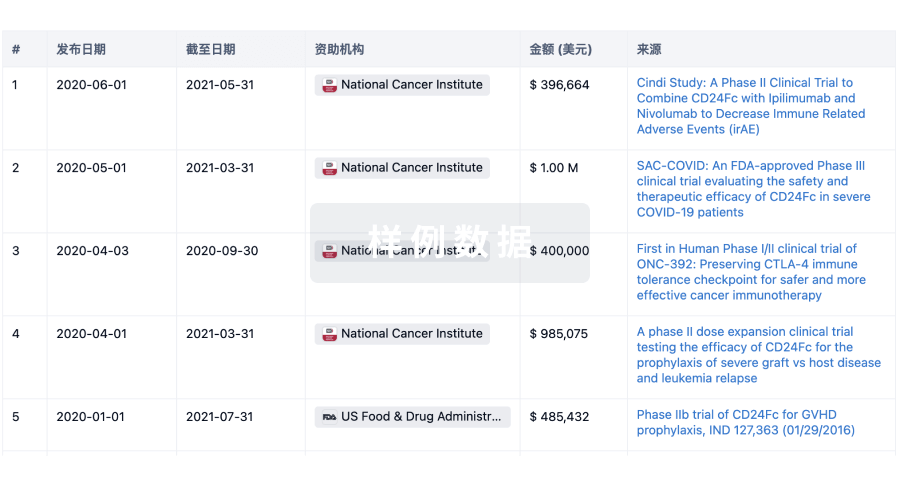
科研基金(NIH)
访问超过 200 万项资助和基金信息,以提升您的研究之旅。
登录
或
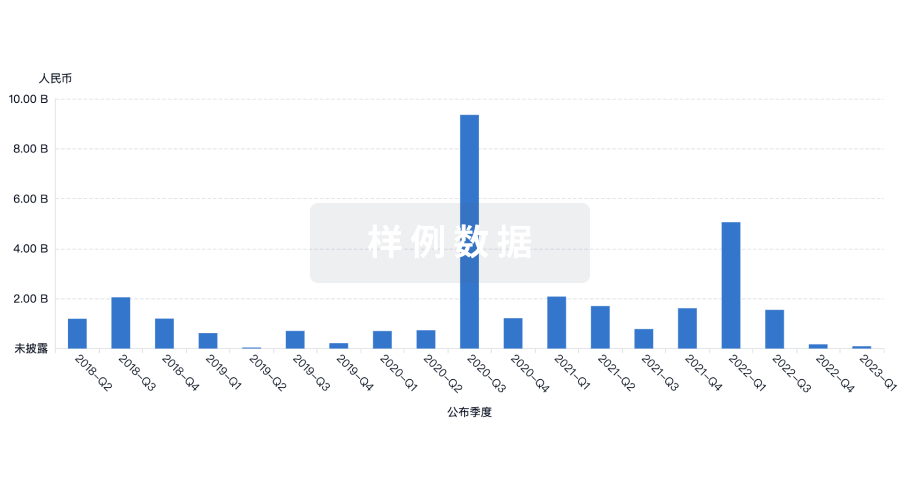
投资
深入了解从初创企业到成熟企业的最新公司投资动态。
登录
或
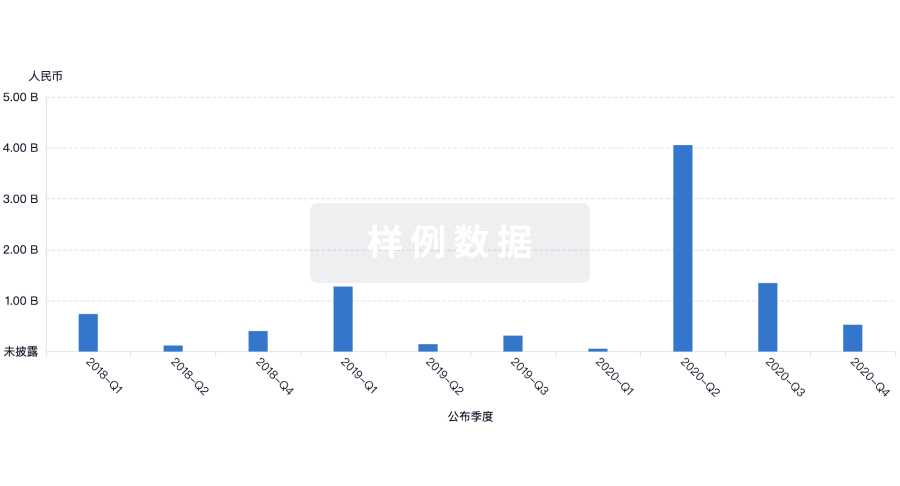
融资
发掘融资趋势以验证和推进您的投资机会。
登录
或
提出任何生物医药研究问题
让每一步生物医药决策都精准制胜
基于十亿级生物数据与全球情报的精准 AI,赋能早期药物发现
立即开始免费试用!
智慧芽新药情报库是智慧芽专为生命科学人士构建的基于AI的创新药情报平台,助您全方位提升您的研发与决策效率。
立即接入生物医药数据包
智慧芽新药库数据也通过智慧芽开放平台,以MCP或API服务形式对外开放。立即使用我们的MCP服务定制您的LLM智能体。
生物序列数据库
生物药研发创新
免费使用
化学结构数据库
小分子化药研发创新
免费使用