预约演示
更新于:2026-05-12

AtriCure, Inc.
更新于:2026-05-12
概览
关联
DRKS00037697
The CRyoanalgesia REgistry for Pain Management in PostcarDiothoracic SUrgery Via Cryoablation of the intercostal nErves (REDUCE Registry), RP-2018-REDUCE - REDUCE
NCT07281118
Intercostal Cryoanalgesia in Double Lung Transplant Recipients

ACTRN12625000778482
First-In-Human Study to evaluate the safety and feasibility of EnCompass-S2 ARFA PFA Dual Energy Clamp in patients undergoing cardiac ablation during a concomitant cardiac surgical procedure. (EnCompass-S2 FIH)
100 项与 AtriCure, Inc. 相关的临床结果
登录后查看更多信息
登录后查看更多信息
2025-10-01Circulation-Arrhythmia and Electrophysiology
Dual Epicardial and Endocardial Procedure (DEEP) for Persistent or Longstanding Persistent Atrial Fibrillation
Article
作者: Hoff, Steven J. ; Frazier, Ken ; Kang, Steven ; Kasirajan, Vigneshwar ; Vesco, Paul A. ; La Meir, Mark ; Link, Michael G. ; Eisenberg, Susan ; Lee, Mark Y. ; de Asmundis, Carlo ; Lee, Randall J. ; Koneru, Jayanthi N. ; Johnkoski, John ; Mumtaz, Mubashir ; Miles, William M. ; Rist, Kevin ; Beaver, Thomas M. ; Badhwar, Nitish ; Smith, J. Michael ; Lee, Anson M. ; Khoynezhad, Ali ; Khan, Junaid H. ; Vloka, Margot ; Jones, Stephen D. ; Okum, Eric J. ; Ellenbogen, Kenneth A. ; Baykaner, Tina ; de Groot, Joris R. ; Philpott, Jonathan M. ; Taylor, Benedict J. ; Gaynor, Sydney ; Driessen, Antoine H.G. ; Gandhi, Gaurang D. ; Dunnington, Gansevoort ; Bello, David
BACKGROUND::
Despite advances in endocardial catheter ablation (ECA) for persistent atrial fibrillation (PersAF), undertreatment persists, especially in ECA nonresponders and in longstanding PersAF (LSPersAF), with disappointing ablation results. These patients need effective clinical treatment options.
METHODS::
The DEEP (Dual Epicardial and Endocardial Procedure) was a prospective, multicenter, single-arm, investigational device exemption trial to establish the safety and effectiveness of a combined epicardial/endocardial ablation procedure with left atrial appendage exclusion for PersAF/LSPersAF. Eligibility included age 18 to 75 years; symptomatic PersAF/LSPersAF refractory to ≥1 Class I/III antiarrhythmic drug; and ≤2 previous failed ECAs. Two-stage hybrid ablation included ECA performed at 91 to 121 days after the epicardial first stage (including left atrial appendage exclusion), followed by a 90-day blanking and 90-day antiarrhythmic drug optimization period. Primary effectiveness was defined as freedom from documented atrial fibrillation/atrial flutter/atrial tachycardia episodes >30 seconds through the 12-month follow-up, absent Class I/III antiarrhythmic drugs, except previously failed antiarrhythmic drugs at doses not exceeding those previously failed. Primary safety was defined as a composite of device/procedure-related serious adverse events within 30 days of epicardial ablation and 7 days of ECA.
RESULTS::
Ninety patients enrolled from February 2015 to December 2020; 83.3% (75/90) were male and mean±SD age was 63.4±7.7 years. AF classification was 83.3% (75/90) PersAF/16.7% (15/90) LSPersAF, and 47.8% (43/90) had prior ECA. The composite serious adverse events rate was 6.7% (6/90 [95% CI, 2.5%–13.9%];
P
<0.001 versus safety goal), including 3 patients experiencing serious adverse events within 30 days of the epicardial procedure and 3 patients within 7 days of the endocardial procedure, all of whom were anticoagulated at the time of the event. Primary effectiveness through 12 months was 71.8% (61/85 [95% CI, 62.2%–81.3%];
P
=0.0134 versus performance goal) and was 62.4% (53/85 [95% CI, 52.1%–72.7%]) through 2 years.
CONCLUSIONS::
A collaborative hybrid ablation approach to treating PersAF/LSPersAF is safe and effective.
REGISTRATION::
URL:
https://www.clinicaltrials.gov
; Unique identifier: NCT02393885.
2025-06-01AMERICAN HEART JOURNAL
The left atrial appendage exclusion for prophylactic stroke reduction (LEAAPS) trial: Rationale and design
Article
作者: Whitlock, Richard P. ; Rose, David Z ; Belley-Côté, Emilie P ; Ramlawi, Basel ; Connolly, Stuart J. ; Healey, Jeffrey S ; Alexander, John H ; Connolly, Stuart J ; Rose, David Z. ; Whitlock, Richard P ; Sultan, Ibrahim ; Gerdisch, Marc W ; McCarthy, Patrick M. ; Belley-Côté, Emilie P. ; Gerdisch, Marc W. ; Alexander, John H. ; Sharma, Yashasvi Awasthi ; McCarthy, Patrick M ; Sharma, Yashasvi Awasthi ; Healey, Jeffrey S.
INTRODUCTION:
Left atrial appendage exclusion (LAAE) has been shown in randomized trials to reduce ischemic stroke risk in patients undergoing cardiac surgery with known atrial fibrillation (AF). Many patients undergoing cardiac surgery without pre-existing AF are at risk of stroke and may benefit from LAAE.
METHODS:
Left Atrial Appendage Exclusion for Prophylactic Stroke Reduction (LeAAPS) is an international, prospective, randomized, multicenter, blinded trial evaluating the effectiveness of LAAE in preventing ischemic stroke or systemic embolism in patients undergoing cardiac surgery at increased risk of AF and ischemic stroke. The trial will enroll 6500 patients at increased risk of stroke in whom a cardiac surgery is planned at 250 sites worldwide. Eligible patients are ≥18 years old, have no pre-existing AF but are at increased risk for AF and stroke (based on age, CHA2DS2-VASc score, left atrium size or brain natriuretic peptide). Patients are randomized 1:1 to receive either LAAE with AtriClip or no LAAE during cardiac surgery. Healthcare providers outside of the operating room and the patient will be blinded to allocation. The primary effectiveness endpoint is the first occurrence of ischemic stroke, systemic arterial embolism, or surgical or endovascular LAA closure. The powered secondary effectiveness endpoint is ischemic stroke or systemic arterial embolism. The primary safety endpoint is the occurrence of one of the following events (through 30 days): pericardial effusion requiring percutaneous or surgical treatment, peri-operative major bleeding, deep sternal wound infection, or myocardial infarction. Other endpoints include mortality, rehospitalizations, clinically diagnosed AF, transient ischemic attack, and cognitive and quality of life assessments. Follow-up is every 6 months for a minimum of 5 years; primary analysis occurs when 469 patients have had an ischemic stroke or systemic embolism.
CONCLUSION:
The results of the LeAAPS trial will demonstrate whether LAAE with AtriClip at the time of other routine cardiac surgery reduces stroke or systemic arterial embolism during long-term follow-up in patients at high risk of stroke without pre-existing AF.
TRIAL REGISTRATION:
ClinicalTrials.gov, Identifier: NCT05478304, https://clinicaltrials.gov/study/NCT05478304?term=%20NCT05478304&rank=1.
2024-04-02JAMA
Pulmonary Vein Isolation With or Without Left Atrial Appendage Ligation in Atrial Fibrillation
Article
作者: Evonich, Rudy ; Yakubov, Steven J. ; Calkins, Hugh ; Hoskins, Michael H. ; Lakkireddy, Dhanunjaya R. ; Hounshell, Troy ; Lee, Randall J. ; Horton, Rodney ; Simons, Pamela ; Berger, Ronald D. ; Wilber, David J. ; Ellis, Christopher R. ; Chandhok, Sheetal ; Tschopp, David ; Mittal, Suneet ; Saville, Benjamin R. ; Rasekh, Abdi
Importance:
Left atrial appendage elimination may improve catheter ablation outcomes for atrial fibrillation.
Objective:
To assess the safety and effectiveness of percutaneous left atrial appendage ligation adjunctive to catheter pulmonary vein isolation for nonparoxysmal atrial fibrillation.
Design, Setting, and Participants:
This multicenter, prospective, open-label, randomized clinical trial evaluated the safety and effectiveness of percutaneous left atrial appendage ligation adjunctive to planned pulmonary vein isolation for nonparoxysmal atrial fibrillation present for less than 3 years. Eligible patients were randomized in a 2:1 ratio to undergo left atrial appendage ligation and pulmonary vein isolation or pulmonary vein isolation alone. Use of a 2:1 randomization ratio was intended to provide more device experience and safety data. Patients were enrolled from October 2015 to December 2019 at 53 US sites, with the final follow-up visit on April 21, 2021.
Interventions:
Left atrial appendage ligation plus pulmonary vein isolation compared with pulmonary vein isolation alone.
Main Outcomes and Measures:
A bayesian adaptive analysis was used for primary end points. Primary effectiveness was freedom from documented atrial arrythmias of greater than 30 seconds duration 12 months after undergoing pulmonary vein isolation. Rhythm was assessed by Holter monitoring at 6 and 12 months after pulmonary vein isolation, symptomatic event monitoring, or any electrocardiographic tracing obtained through 12 months after pulmonary vein isolation. Primary safety was a composite of predefined serious adverse events compared with a prespecified 10% performance goal 30 days after the procedure. Left atrial appendage closure was evaluated through 12 months after pulmonary vein isolation.
Results:
Overall, 404 patients were randomized to undergo left atrial appendage ligation plus pulmonary vein isolation and 206 were randomized to undergo pulmonary vein isolation alone. Primary effectiveness was 64.3% with left atrial appendage ligation and pulmonary vein isolation and 59.9% with pulmonary vein isolation only (difference, 4.3% [bayesian 95% credible interval, −4.2% to 13.2%]; posterior superiority probability, 0.835), which did not meet the statistical criterion to establish superiority (0.977). Primary safety was met, with a 30-day serious adverse event rate of 3.4% (bayesian 95% credible interval, 2.0% to 5.0%; posterior probability, 1.0) which was less than the prespecified threshold of 10%. At 12 months after pulmonary vein isolation, complete left atrial appendage closure (0 mm residual communication) was observed in 84% of patients and less than or equal to 5 mm residual communication was observed in 99% of patients.
Conclusions and Relevance:
Percutaneous left atrial appendage ligation adjunctive to pulmonary vein isolation did not meet prespecified efficacy criteria for freedom from atrial arrhythmias at 12 months compared with pulmonary vein isolation alone for patients with nonparoxysmal atrial fibrillation, but met prespecified safety criteria and demonstrated high rates of closure at 12 months.
Trial Registration:
ClinicalTrials.gov Identifier: NCT02513797
2026-02-23
100 项与 AtriCure, Inc. 相关的药物交易
登录后查看更多信息
100 项与 AtriCure, Inc. 相关的转化医学
登录后查看更多信息
组织架构
使用我们的机构树数据加速您的研究。
登录
或
管线布局
2026年10月11日管线快照
无数据报导
登录后保持更新
药物交易
使用我们的药物交易数据加速您的研究。
登录
或
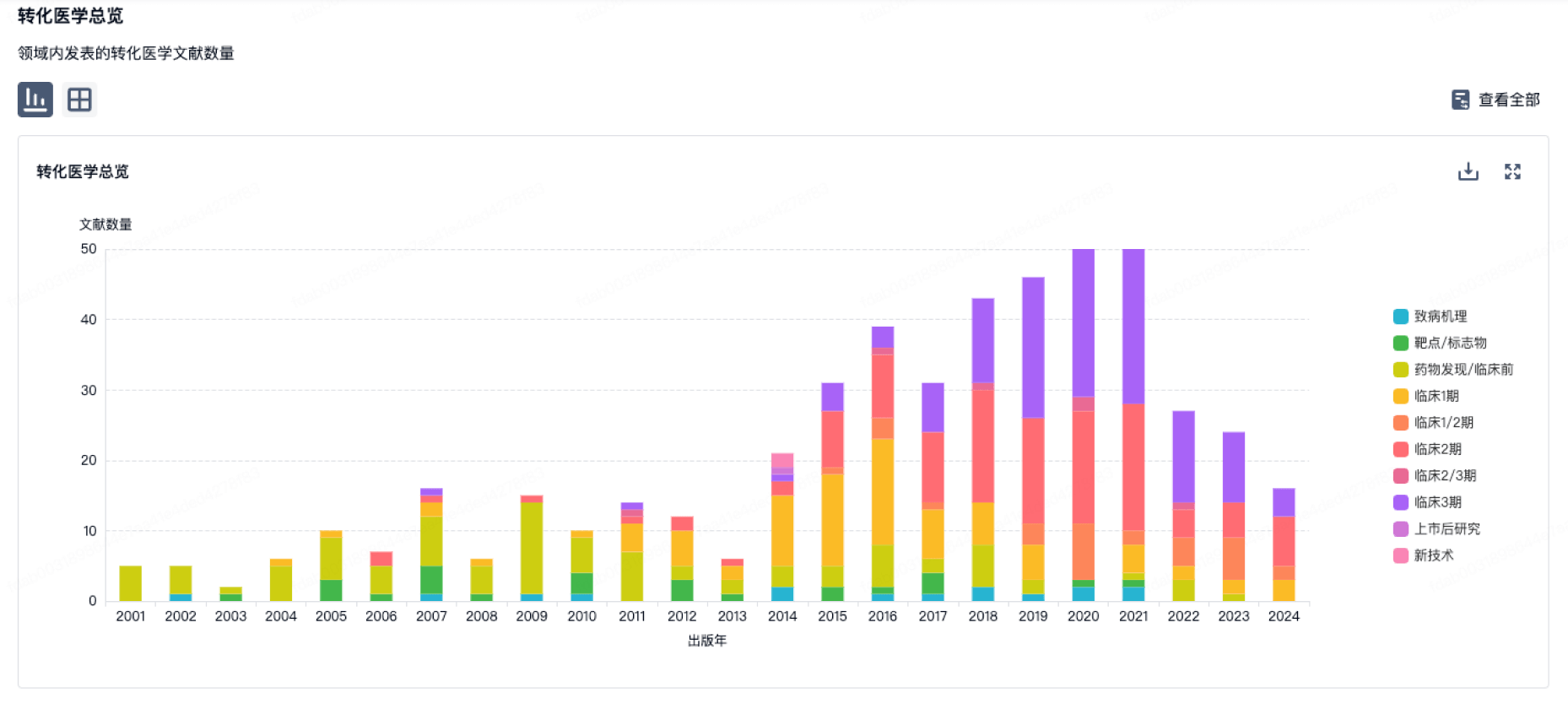
转化医学
使用我们的转化医学数据加速您的研究。
登录
或
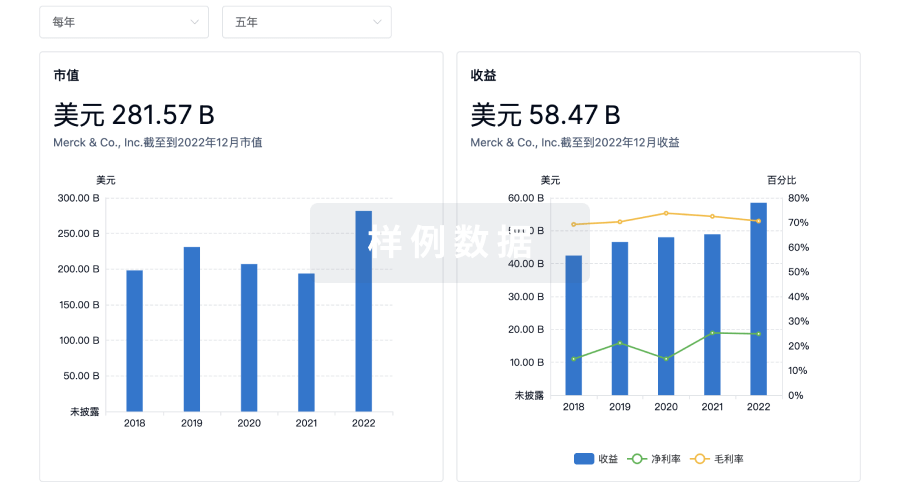
营收
使用 Synapse 探索超过 36 万个组织的财务状况。
登录
或
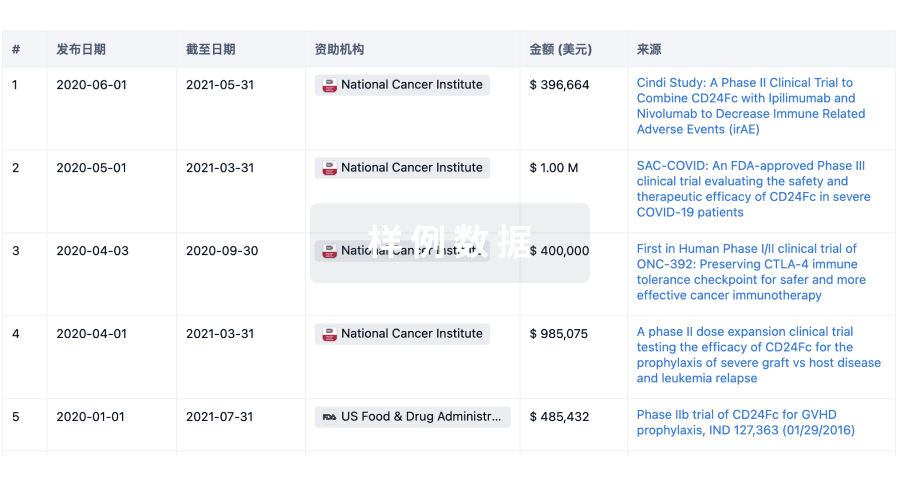
科研基金(NIH)
访问超过 200 万项资助和基金信息,以提升您的研究之旅。
登录
或
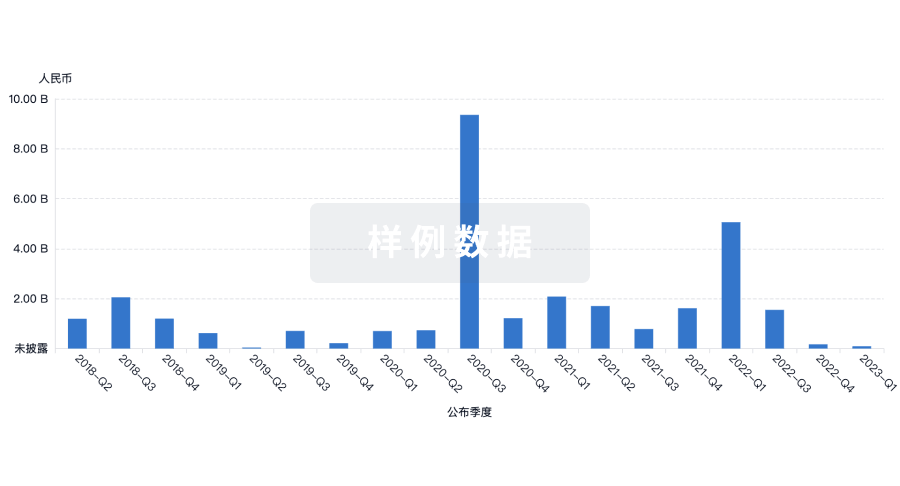
投资
深入了解从初创企业到成熟企业的最新公司投资动态。
登录
或
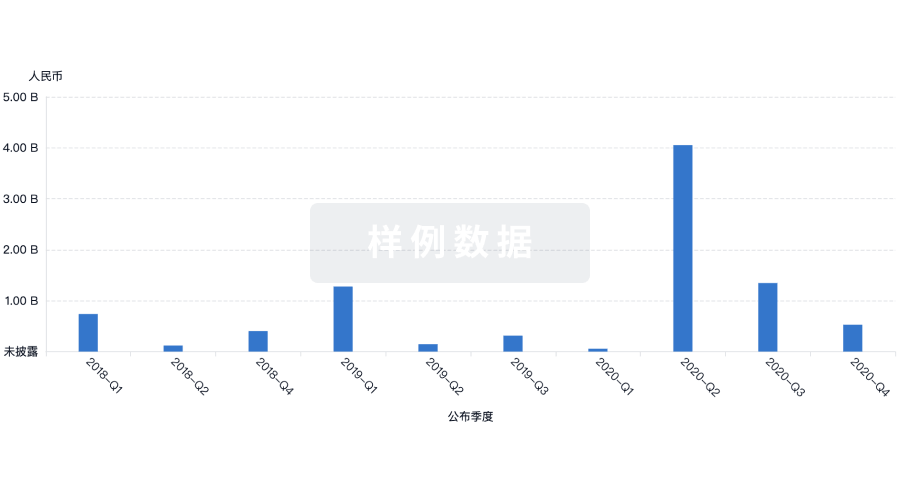
融资
发掘融资趋势以验证和推进您的投资机会。
登录
或
提出任何生物医药研究问题
让每一步生物医药决策都精准制胜
基于十亿级生物数据与全球情报的精准 AI,赋能早期药物发现
立即开始免费试用!
智慧芽新药情报库是智慧芽专为生命科学人士构建的基于AI的创新药情报平台,助您全方位提升您的研发与决策效率。
立即接入生物医药数据包
智慧芽新药库数据也通过智慧芽开放平台,以MCP或API服务形式对外开放。立即使用我们的MCP服务定制您的LLM智能体。
生物序列数据库
生物药研发创新
免费使用
化学结构数据库
小分子化药研发创新
免费使用