预约演示
更新于:2026-03-08

National Tsing-Hua University
更新于:2026-03-08
概览
标签
肿瘤
消化系统疾病
其他疾病
小分子化药
miRNA
化学药
疾病领域得分
一眼洞穿机构专注的疾病领域

技术平台
公司药物应用最多的技术
靶点
公司最常开发的靶点
关联
靶点 |
作用机制 |
在研机构 |
原研机构 |
在研适应症 |
非在研适应症 |
最高研发阶段 |
首次获批国家/地区 |
首次获批日期 |
靶点 |
作用机制 |
在研机构 |
原研机构 |
在研适应症 |
非在研适应症 |
最高研发阶段 |
首次获批国家/地区 |
首次获批日期 |
靶点 |
作用机制 |
在研机构 |
原研机构 |
在研适应症 |
非在研适应症 |
最高研发阶段 |
首次获批国家/地区 |
首次获批日期 |
NCT06157515
Inhaled Dose Analysis Using a Breath Actuated Nebulizer in Healthy Subjects

NCT06656741
Neurological Evidence of Diverse Self-Help Breathing Trainings with Virtual Reality and Bio-Feedback Assistance: an Extensive Exploration of EEG Markers
ChiCTR2000035115
Effectiveness of motor rehabilitation on lower limbs for stroke
100 项与 国立清华大学 相关的临床结果
登录后查看更多信息
登录后查看更多信息
2026-07-01TALANTA
Extended-gate FET biosensor utilizing ionic strength engineering for sensitive prostate-specific antigen detection
Article
作者: Lin, Chia Kai ; Hung, Sheng-Chun ; Hung, Kai-Chun
This work presents an extended-gate field-effect transistor (EGFET) biosensor functionalized with prostate-specific antigen (PSA) aptamers. It employs ionic strength engineering to enhance electrostatic coupling and improve detection sensitivity. By systematically adjusting the concentration of phosphate-buffered saline (PBS), we modified the electric double-layer (EDL) structure and Debye length to investigate their effects on charge screening and signal transduction. The proposed biosensor achieved a detection limit of 0.408 ng/mL in 0.001 × PBS, which is significantly lower than the clinical threshold of 4 ng/mL. Additionally, it exhibited an impressive nearly fivefold increase in sensitivity as the ionic strength decreased from 1 × to 0.001 × PBS. These enhancements can be attributed to extended Debye screening and reduced electrostatic shielding in low-ionic environments, facilitating more efficient field-effect coupling between the aptamer-PSA complex and the transistor channel. Temporal noise characterization, conducted through Allan deviation analysis, revealed an optimal averaging range of 30 to 80 s. This range effectively balances noise suppression and signal fidelity. In summary, this study demonstrates a straightforward and effective strategy for regulating ionic strength to enhance the transduction efficiency of BioFET-based biosensors, offering a practical route toward high-performance and label-free PSA biosensing in biomedical diagnostics.
2026-05-01Biomaterials advances
Lysophosphatidic acid-induced upregulation of exosomal miR-221-3p from corneal stromal cells promotes corneal endothelial healing
Article
作者: Hsueh, Yi-Jen ; Lin, Song-Shu ; Huang, Chieh-Cheng ; Lai, Jui-Yang ; Meir, Yaa-Jyuhn James ; Wu, Wei-Chi ; Lu, Tsai-Te ; Ma, David Hui-Kang ; Cheng, Chao-Min ; Chen, Hung-Chi
Corneal transparency maintenance relies on the water-pumping function of the corneal endothelium. Currently, corneal transplantation remains the only available treatment for corneal endothelial dysfunction, therefore, the development of alternative therapies is critical due to the global shortage of donor corneas. In our previous study, we confirmed that corneal stromal cells (CSCs) secretion can promote corneal endothelial cells (CEnCs) proliferation. This effect can be enhanced by treatment with lysophosphatidic acid (LPA), a bioactive phospholipid. Nevertheless, the components involved in CSC secretion remain to be elucidated. In this study, we investigated the therapeutic potential of CSC-derived exosomes and exosomal microRNAs (miRNAs) for enhancing CEnCs proliferation and corneal endothelial healing. CSC exosomes were characterized via nanoparticle tracking (NTA), transmission electron microscopy (TEM), and immunoassays. The miRNA expression profiles of CSC exosomes were identified via RNA sequencing, revealing a total of 767 distinct miRNAs. The proliferative effects of CSC exosomes and exosomal miR-221-3p were increased by LPA. Ectopic expression of miR-221-3p further increased CEnC proliferation and suppressed the expression of the CDK inhibitor p27Kip1. The therapeutic efficacy was evaluated using a transcorneal freezing rabbit model, where intrastromal injection of CSC exosomes or ectopic expression of miR-221-3p significantly ameliorated corneal endothelial damage, as supported by improved in vivo corneal recovery, including restoration of corneal thickness, and re-establishment of a hexagonal morphology in the corneal endothelium. Our findings suggest that CSC exosomes and miR-221-3p represent potentially promising cell-free therapies for treating corneal endothelial diseases, highlighting an innovative approach to improving corneal regeneration.
2026-05-01JOURNAL OF NEUROSCIENCE METHODS
Enhancing brain–computer interface performance through source-level attention mechanism: An EEG motor imagery study
Article
作者: Lim, Jia-He ; Kuo, Po-Chih
BACKGROUND:
Brain-computer interfaces (BCIs) enable direct communication between humans and machines by translating brain signals into control commands. Electroencephalography (EEG) is a commonly used modality in BCI systems due to its non-invasiveness and high temporal resolution. However, EEG-based BCIs often suffer from low signal-to-noise ratios and limited spatial resolution, primarily due to the small number of recording electrodes. Although source estimation techniques can improve spatial specificity, they typically require subject-specific information such as individual brain anatomy or electrode positions, which may not always be available. This study aims to address these challenges by proposing a framework that enhances task-relevant EEG signals using an attention-guided source estimation approach based on coarse predefined brain regions.
NEW METHOD:
We developed an attention-guided neural network that estimates source-level activity most relevant to the BCI task, without requiring subject-specific structural data. The model uses predefined regions of interest to guide attention mechanisms toward informative spatial features.
RESULTS:
The framework was validated using publicly available motor imagery EEG datasets, achieving strong performance.
COMPARISON WITH EXISTING METHODS:
Comparative analyses were conducted against baseline models using traditional EEG signals and standard feature extraction methods. This study presents an effective approach for improving EEG-based BCI performance by integrating an attention-guided source estimation network into the decoding pipeline. The method does not rely on subject-specific anatomical information, making it broadly applicable.
CONCLUSION:
By emphasizing task-relevant source activity, the framework enhances signal quality and classification accuracy, thereby advancing the potential of BCIs for precise and practical applications.
2026-02-10
2026-01-11
基因疗法细胞疗法
100 项与 国立清华大学 相关的药物交易
登录后查看更多信息
100 项与 国立清华大学 相关的转化医学
登录后查看更多信息
组织架构
使用我们的机构树数据加速您的研究。
登录
或
管线布局
2026年10月06日管线快照
管线布局中药物为当前组织机构及其子机构作为药物机构进行统计,早期临床1期并入临床1期,临床1/2期并入临床2期,临床2/3期并入临床3期
药物发现
2
5
临床前
其他
1
登录后查看更多信息
当前项目
登录后查看更多信息
药物交易
使用我们的药物交易数据加速您的研究。
登录
或
转化医学
使用我们的转化医学数据加速您的研究。
登录
或
营收
使用 Synapse 探索超过 36 万个组织的财务状况。
登录
或
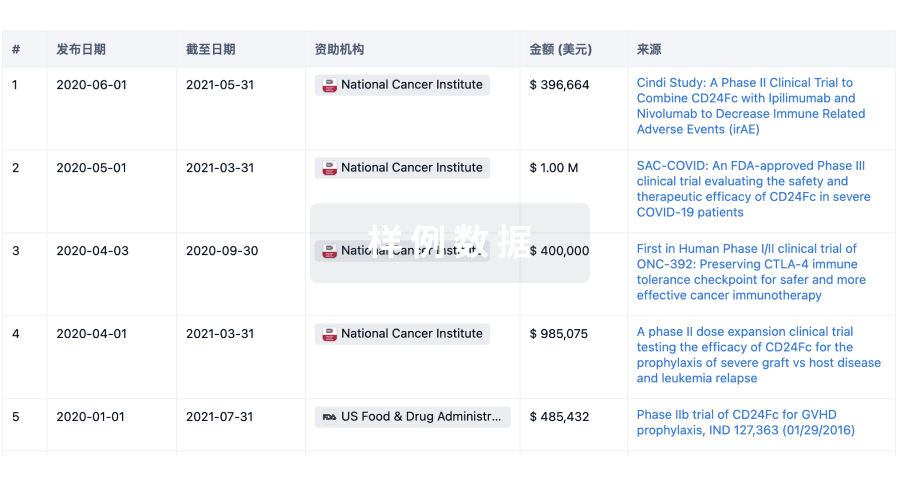
科研基金(NIH)
访问超过 200 万项资助和基金信息,以提升您的研究之旅。
登录
或
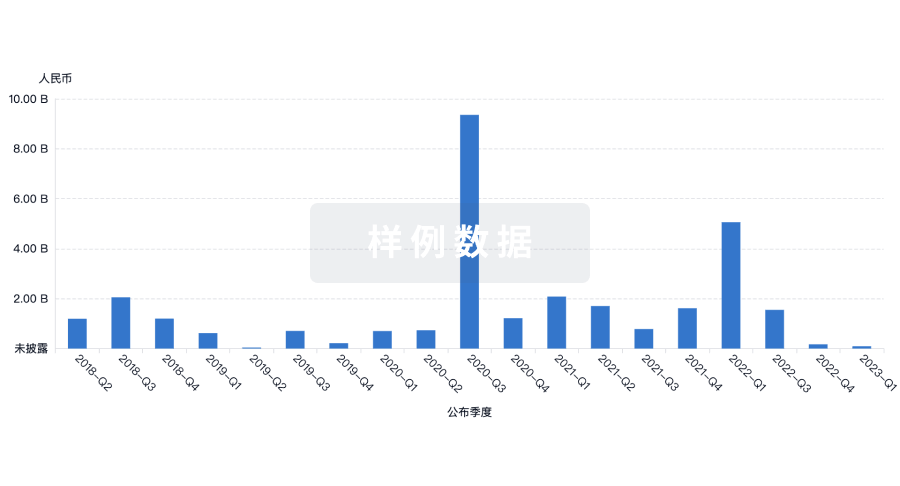
投资
深入了解从初创企业到成熟企业的最新公司投资动态。
登录
或
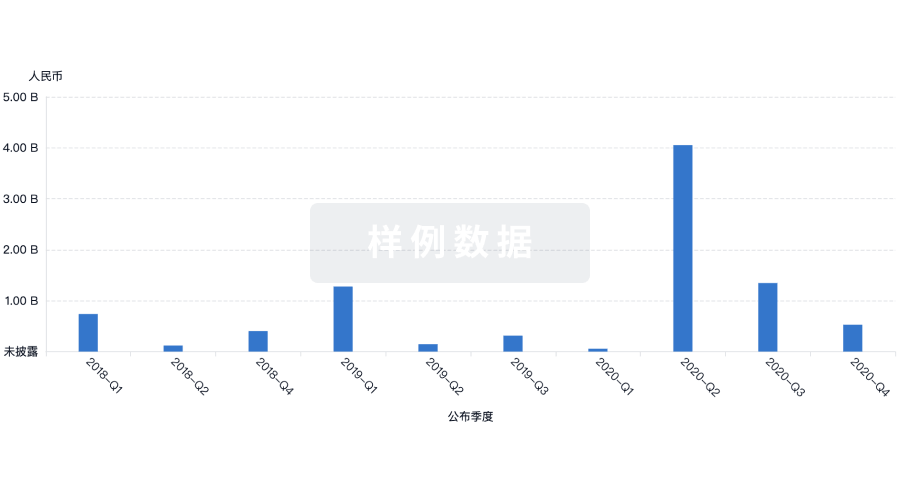
融资
发掘融资趋势以验证和推进您的投资机会。
登录
或
提出任何生物医药研究问题
让每一步生物医药决策都精准制胜
基于十亿级生物数据与全球情报的精准 AI,赋能早期药物发现
立即开始免费试用!
智慧芽新药情报库是智慧芽专为生命科学人士构建的基于AI的创新药情报平台,助您全方位提升您的研发与决策效率。
立即接入生物医药数据包
智慧芽新药库数据也通过智慧芽开放平台,以MCP或API服务形式对外开放。立即使用我们的MCP服务定制您的LLM智能体。
生物序列数据库
生物药研发创新
免费使用
化学结构数据库
小分子化药研发创新
免费使用