预约演示
更新于:2025-05-07
Military Medical Academy, Belgrade, Serbia
更新于:2025-05-07
概览
关联
NCT06209710
Comparing Effectiveness of Balloon Pulmonary Angioplasty Alone vs. Combined With Pulmonary Artery Denervation in Chronic Thromboembolic Pulmonary Hypertension Patients Receiving Standard Medical Therapy
NCT06339268
Effects of Preoperative Cognitive and Physical Optimization in the Prevention of Postoperative Cognitive Deficit in Elderly Patients With Lung Resection
NCT05210153
Utility of Plasma Drug Level Monitoring and CYP2C19 Genotyping in Dose Personalization of Sertraline

100 项与 Military Medical Academy, Belgrade, Serbia 相关的临床结果
登录后查看更多信息
登录后查看更多信息
2025-01-29European Heart Journal - Cardiovascular Imaging
infective endocarditis - what contributes to a bad outcome?
作者: Mladenovic, Z M ; Djuric, P D J ; Jovic, Z J ; Djuric, I D J ; Milic, G ; Ciric, N C
2025-01-29European Heart Journal - Cardiovascular Imaging
Additive diagnostic value of 3D transesophageal echocardiography (3DTOE) in diagnosis of Infective endocarditis (IE)
作者: Mladenovic, Z ; Djuric, D J P ; Jovic, J Z ; Ciric, C N ; Djuric, D J I ; Milic, M G
2025-01-29European Heart Journal - Cardiovascular Imaging
Echocardiography in monitoring the therapeutic effect of levothyroxine replacement therapy in subclinical hypothyroidism
作者: Kostovski, V ; Ciric, J ; Ristic, A ; Pandrc, M
100 项与 Military Medical Academy, Belgrade, Serbia 相关的药物交易
登录后查看更多信息
100 项与 Military Medical Academy, Belgrade, Serbia 相关的转化医学
登录后查看更多信息
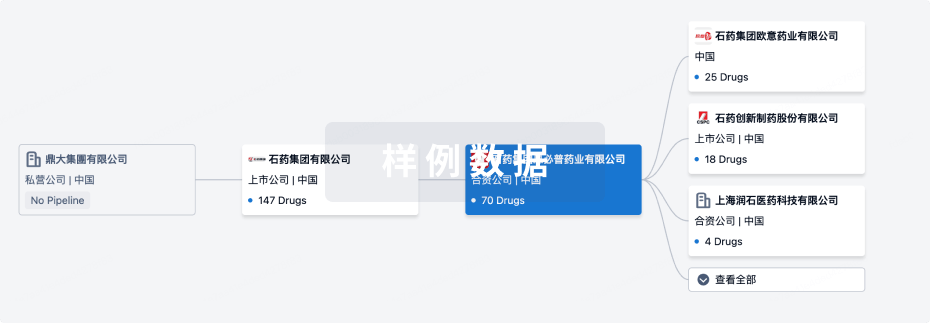
组织架构
使用我们的机构树数据加速您的研究。
登录
或
管线布局
2026年02月08日管线快照
无数据报导
登录后保持更新
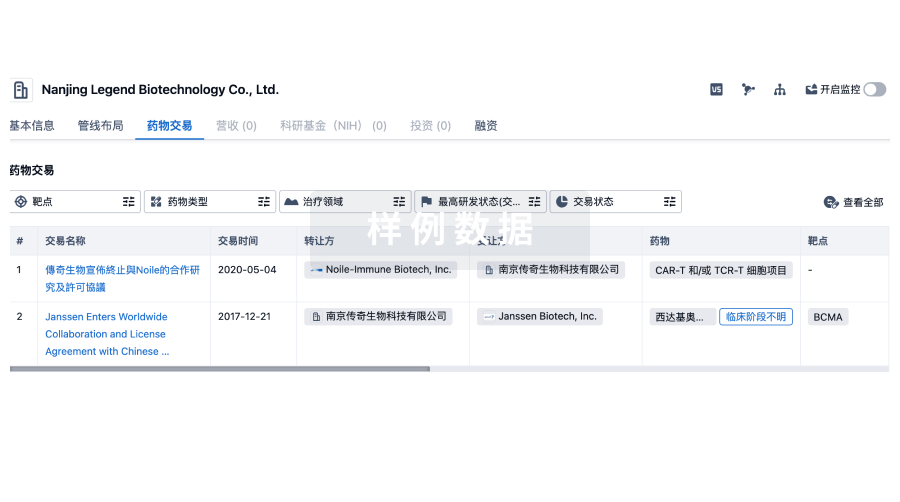
药物交易
使用我们的药物交易数据加速您的研究。
登录
或
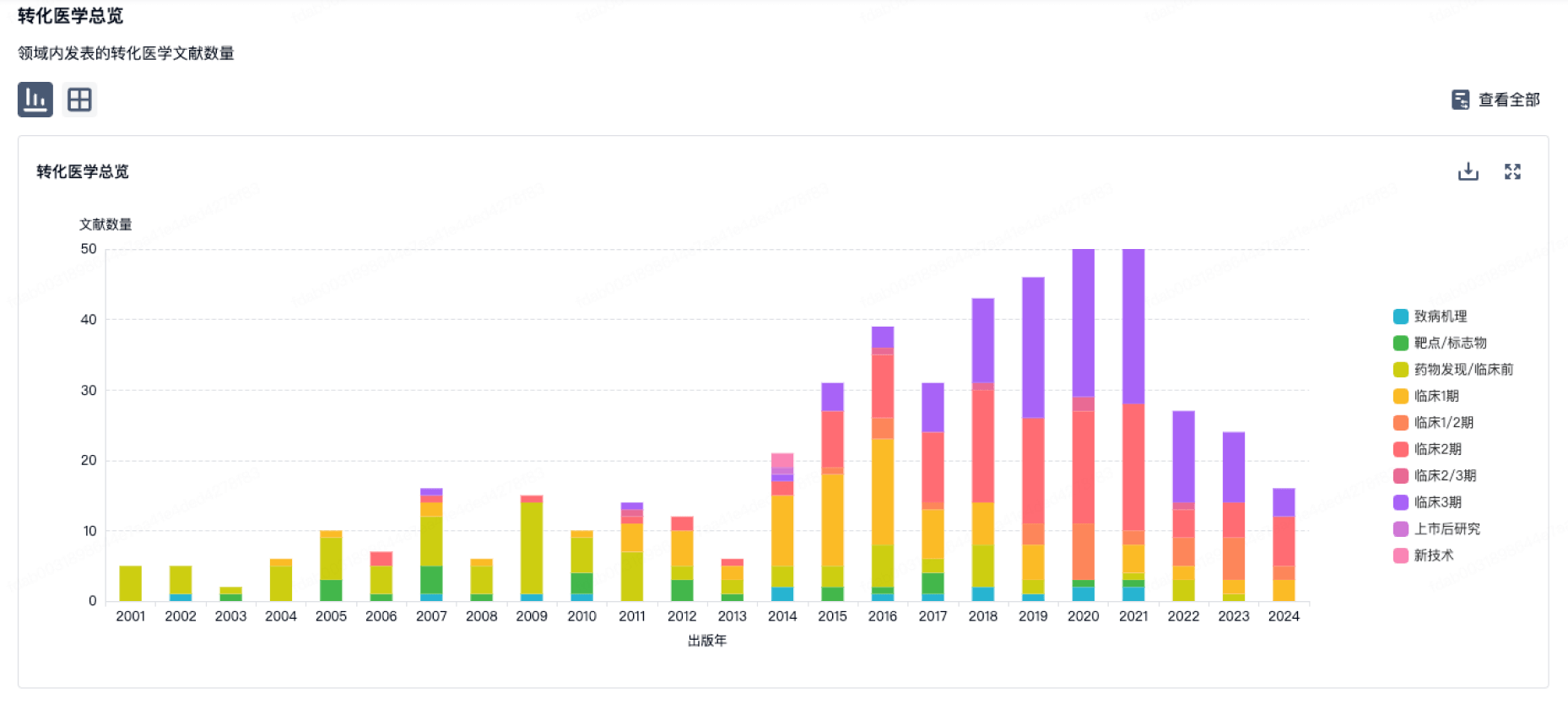
转化医学
使用我们的转化医学数据加速您的研究。
登录
或
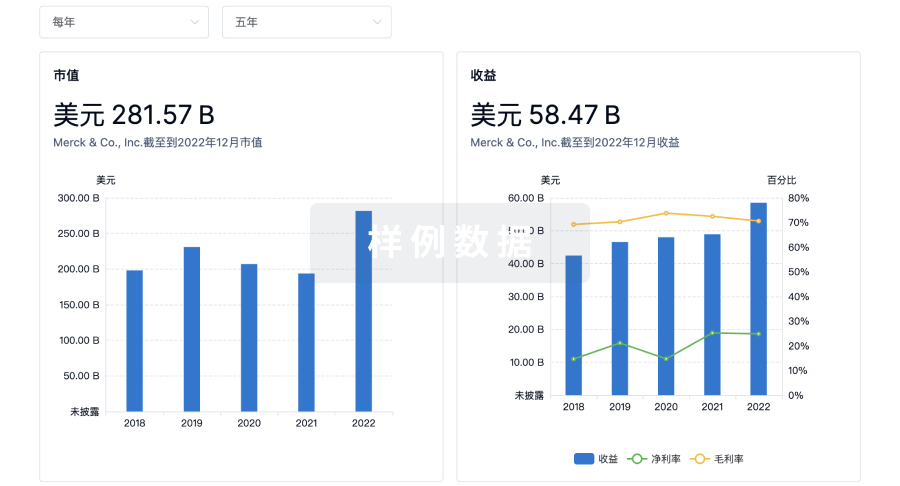
营收
使用 Synapse 探索超过 36 万个组织的财务状况。
登录
或
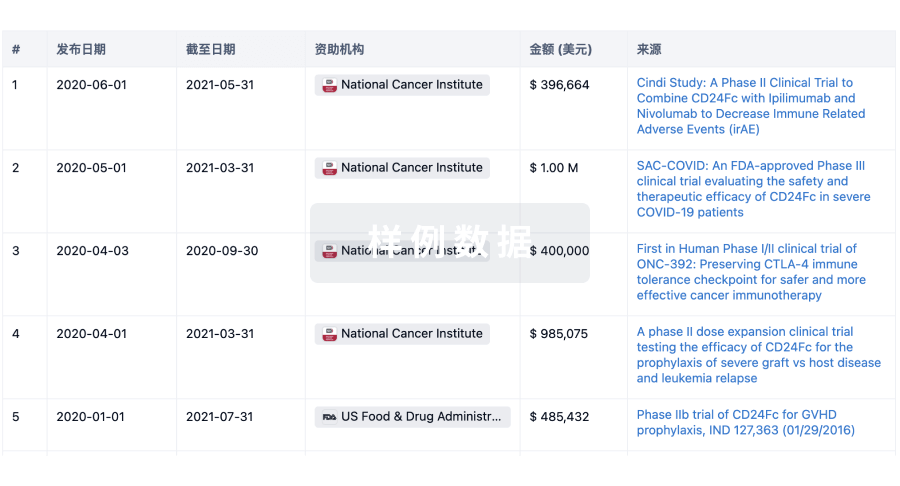
科研基金(NIH)
访问超过 200 万项资助和基金信息,以提升您的研究之旅。
登录
或
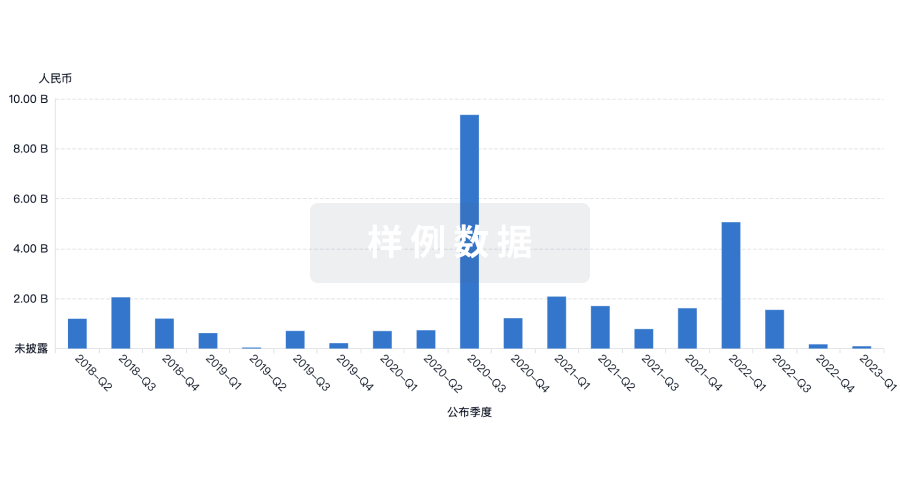
投资
深入了解从初创企业到成熟企业的最新公司投资动态。
登录
或
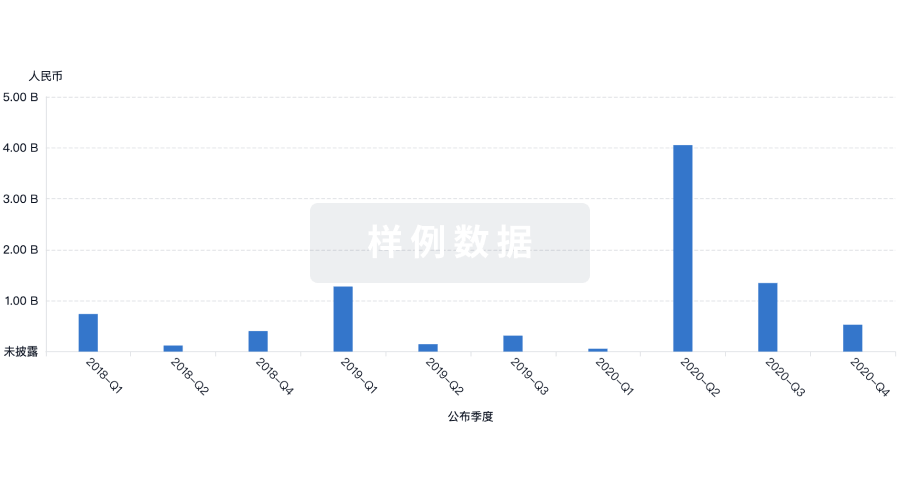
融资
发掘融资趋势以验证和推进您的投资机会。
登录
或
生物医药百科问答
全新生物医药AI Agent 覆盖科研全链路,让突破性发现快人一步
立即开始免费试用!
智慧芽新药情报库是智慧芽专为生命科学人士构建的基于AI的创新药情报平台,助您全方位提升您的研发与决策效率。
立即开始数据试用!
智慧芽新药库数据也通过智慧芽数据服务平台,以API或者数据包形式对外开放,助您更加充分利用智慧芽新药情报信息。
生物序列数据库
生物药研发创新
免费使用
化学结构数据库
小分子化药研发创新
免费使用